Cookware trends in USA 2026 favor sustainable, smart, and high-performance kitchen pieces.
I’ve tracked kitchen gear for years and tested dozens of pots and pans. This article breaks down cookware trends in usa 2026 with clear facts, hands-on tips, and buying advice. You’ll learn which materials win, how smart features fit real kitchens, what sustainability changes mean, and how to pick the best sets for your cooking style. Read on for practical guidance and honest experience from someone who cooks and tests gear every week.

Top cookware trends in usa 2026
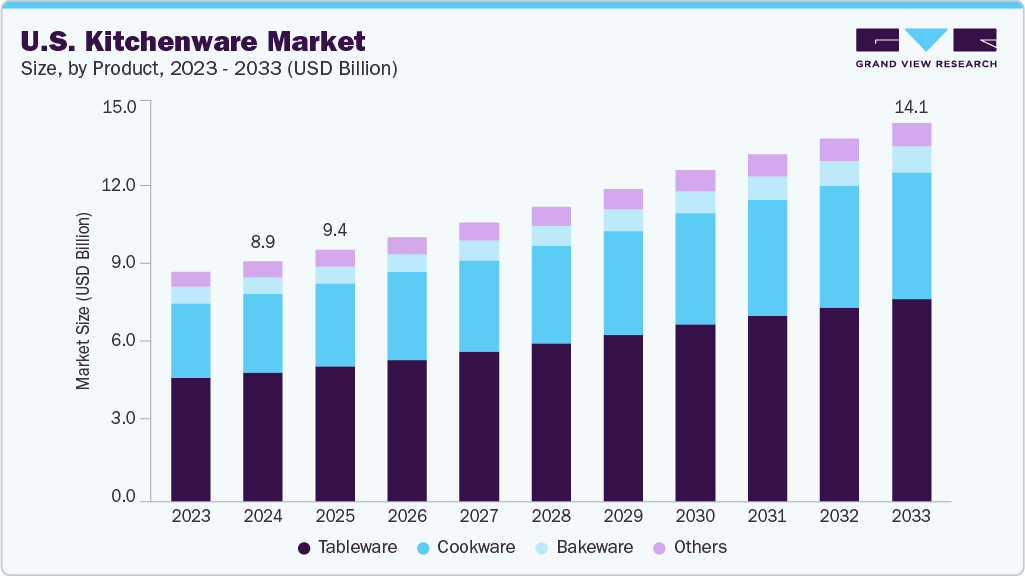
By 2026 the market centers on three big ideas: sustainability, smart performance, and durability. Consumers want cookware that lasts, uses safer materials, and works on modern cooktops like induction. Direct-to-consumer brands, repairable designs, and warranty transparency are now common selling points. These forces shape what you’ll find on store shelves and online.
Materials, coatings, and smart tech driving change
Manufacturers focus on safer coatings and better metals. Expect more ceramic-based nonstick, harder stainless alloys, and recyclable metals. Smart pans and lids with temperature sensors and app links are growing. Induction-ready construction and even graphene or titanium blends appear in premium lines.
Key materials and their trade-offs:
- Stainless steel with aluminum or copper cores — durable and great heat control, but heavier.
- Hard-anodized aluminum — good heat and lighter weight, but limited high-heat searing.
- Ceramic nonstick — easy clean and chemical-free claims, but shorter lifespan than PTFE.
- Recycled stainless and aluminum — lower footprint, sometimes higher cost.
- Smart sensors and embedded thermocouples — precise cooking but add cost and need charging.
Benefits and limits:
- Better heat control reduces burned food and energy waste.
- Safer coatings lower chemical concerns, but lifespan varies.
- Smart features help timing and consistency, yet add complexity and repair needs.

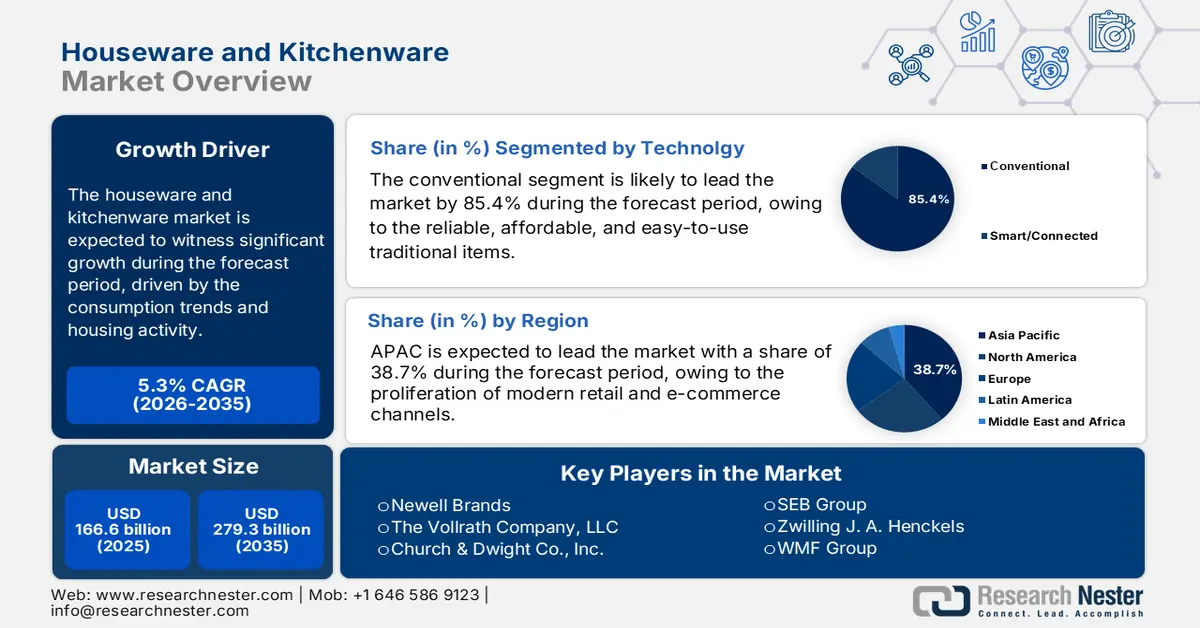
Source: researchnester.com
Sustainability, regulation, and supply chain shifts
Sustainability now drives design and marketing. More brands publish carbon and material sourcing info. Recycling programs and take-back offers are more common. Regulations and retailer policies push for PFOA- and PFAS-free coatings and clearer chemical disclosures.
What this means for buyers:
- Look for repairable handles and replaceable parts to extend life.
- Expect slightly higher prices for recycled or certified materials.
- Brands with clear end-of-life and recycling policies are preferable.

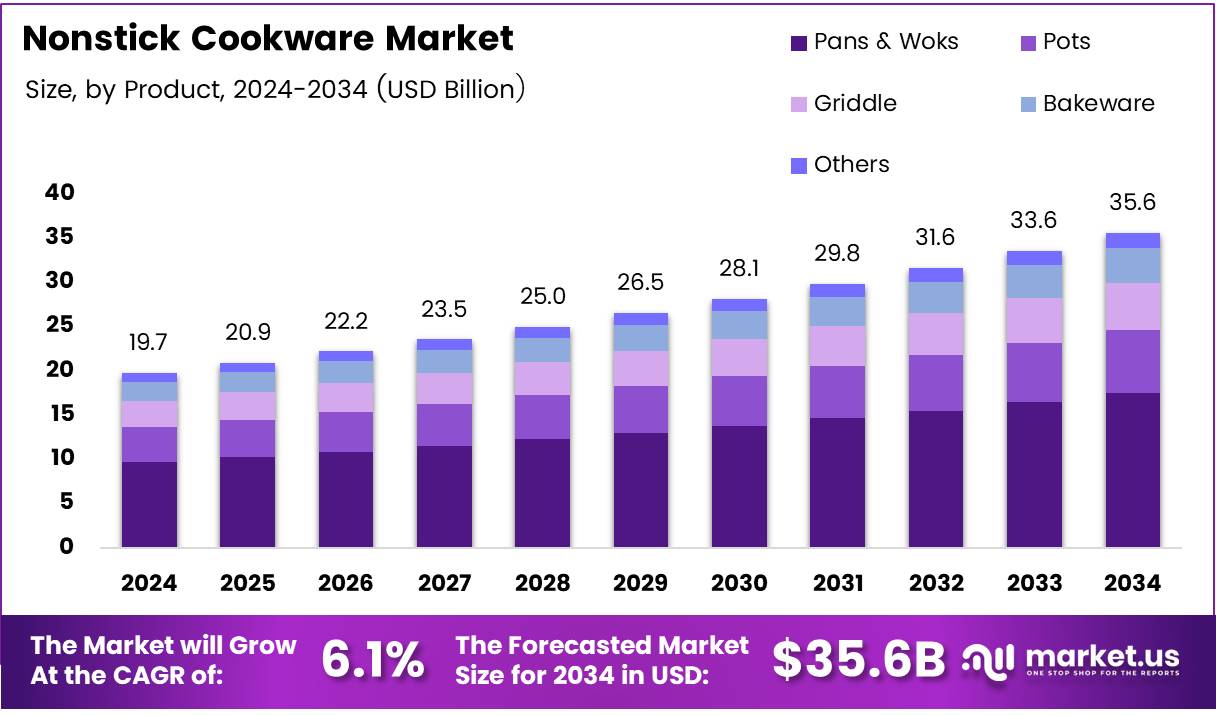
Source: market.us
How consumers buy cookware in 2026: channels and models
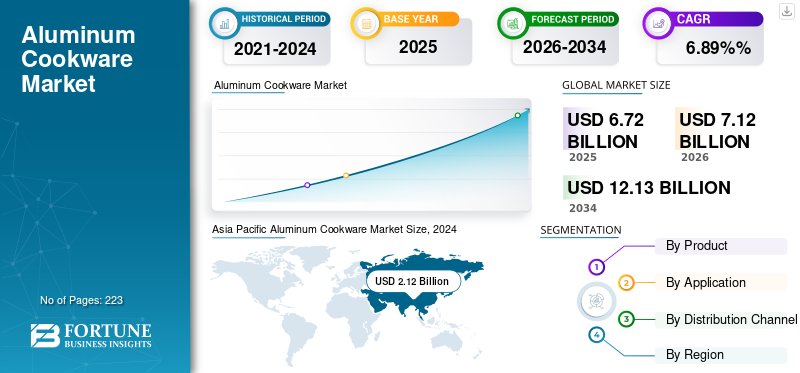
Shopping habits changed fast. People still buy in stores for feel and weight, but most purchases start online. Virtual try-ons and AR tools help estimate size. Subscription-style cookware flips and trade-in programs let users refresh gear without waste.
Trends to note:
- Direct-to-consumer lines offer warranties and service options.
- Retail bundles include repair and maintenance plans.
- Reviews and video demos heavily influence choices.

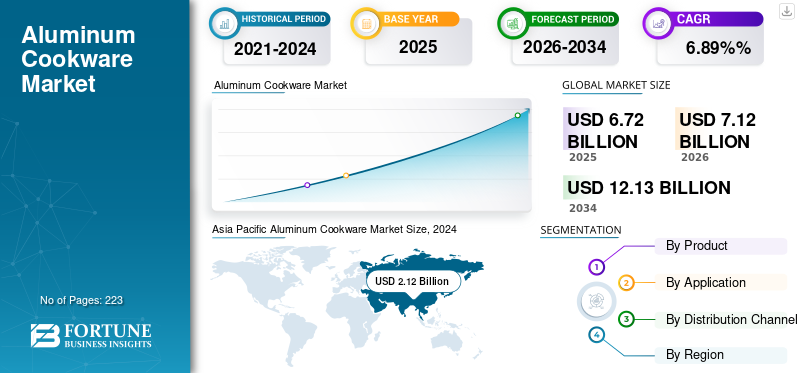
Source: fortunebusinessinsights.com
Practical buying guide: how to choose right now
Match cookware to your routine and cooktop. Prioritize materials and features that fit how you cook. Here’s a simple checklist.
Checklist for buyers:
- Compatibility — Ensure pans work on gas, electric, and induction.
- Heat control — Look for layered bases or full-clad construction.
- Weight and handle comfort — Heavy isn’t always better for daily use.
- Coating longevity — Ask about cycles to failure or warranty terms.
- Repairability and warranty — Choose brands that offer parts and clear service.
- Price per use — Consider cost divided by years of use to compare value.
Buying tips from my testing:
- Test balance and lid fit in-store when possible.
- Avoid flashy claims without clear specs or testing data.
- Choose a pan with a lifetime warranty if you cook often.

Source: fb101.com

Price tiers and brands: what to expect at each level
The market in 2026 divides into clear tiers. Budget sets focus on convenience. Mid-range blends tech and durability. Premium lines emphasize materials, lifetime service, and smart features.
What you get by tier:
- Budget — Basic nonstick, lighter build, limited warranty.
- Mid-range — Better core materials, longer warranties, some repair options.
- Premium — Full-clad metals, advanced coatings, smart integrations, repair networks.
I’ve used pans from each tier. Mid-range sets often give the best balance of cost, durability, and performance for most cooks.

Cooking styles and methods shaping product choices
Different kitchens demand different cookware. Home bakers lean to sheet pans and heavy skillets. Serious searers want stainless or carbon steel. Those who steam and sous-vide choose multi-function pots.
Match cookware to method:
- Searing and browning — stainless or carbon steel with solid heat.
- Everyday low-fat cooking — durable nonstick or ceramic.
- One-pot meals — heavy-bottomed braisers and Dutch ovens.
- Induction or electric — ensure flat, magnetic bases.
The rise of air fryers and countertop multicookers also shifts pan use. Many people pair a good skillet with a multicooker rather than buying large sets.
My hands-on experience and lessons learned
I test cookware weekly. I’ve burned cheap nonstick and been surprised by recycled stainless that held heat well. Here are lessons I share from real use.
Practical lessons:
- Don’t trust marketing alone — test claims where possible.
- Care and cleaning extend life more than price alone.
- A well-made mid-range skillet often outperforms flimsy premium pieces.
- Keep an eye on warranties and repair options; they save money long-term.
I once upgraded to induction-ready pans. The difference in speed and control changed how I cook. That also influenced which cookware trends in usa 2026 I recommend to others.
Maintenance, repair, and end-of-life tips
Longevity reduces cost and waste. Good care keeps pans performing. Repairs and parts are a growing part of the market.
Simple maintenance tips:
- Season carbon steel and avoid soap for first few cleans.
- Use low to medium heat on nonstick to extend coating life.
- Replace worn handles or lids rather than the whole pan.
- Recycle or trade-in cookware through brand programs if available.
Frequently Asked Questions of cookware trends in usa 2026
What are the safest cookware materials to buy in 2026?
Stainless steel, cast iron, and well-tested ceramic nonstick are safe choices. Ensure nonstick is from brands disclosing coating chemistry and safety testing.
Will smart cookware with sensors be worth the price?
Smart cookware helps with precision and repeatability, especially for beginners. For many home cooks the added cost is justified if you use the features regularly.
Is induction-compatible cookware necessary now?
Induction is much more common in new homes and rentals. Choosing induction-ready cookware future-proofs your kitchen and improves efficiency on those stoves.
How important is repairability when buying cookware?
Very important. Repairable cookware extends life, lowers waste, and often provides better lifetime value. Look for replaceable handles and accessible parts.
Are recycled materials in cookware reliable?
Yes, many recycled-metal cookware pieces perform as well as virgin metal when made properly. Check for clear manufacturing and testing claims to be sure.
Conclusion
Cookware trends in usa 2026 favor durable builds, safer coatings, and smart features that solve real problems. Choose pieces that match your cooktop and cooking style, favor repairable items, and lean toward brands with clear material and warranty policies. Start small: replace one pan with a better option and see how it changes your cooking. If this guide helped, try one recommended upgrade, subscribe for updates, or leave a comment with your cookware questions.