Use baking soda, white vinegar, and light scrubbing to remove most stainless steel pot stains.
I’ve cleaned hundreds of pots and pans in home kitchens and small restaurants, so I know what works and what doesn’t. This guide explains how to remove stains from stainless steel pots step by step, with safe methods, tools, and tips to get shiny results without damaging the metal. Read on to learn quick fixes, deep-clean routines, and prevention habits that save time and money.
Why stainless steel stains and how to remove stains from stainless steel pots
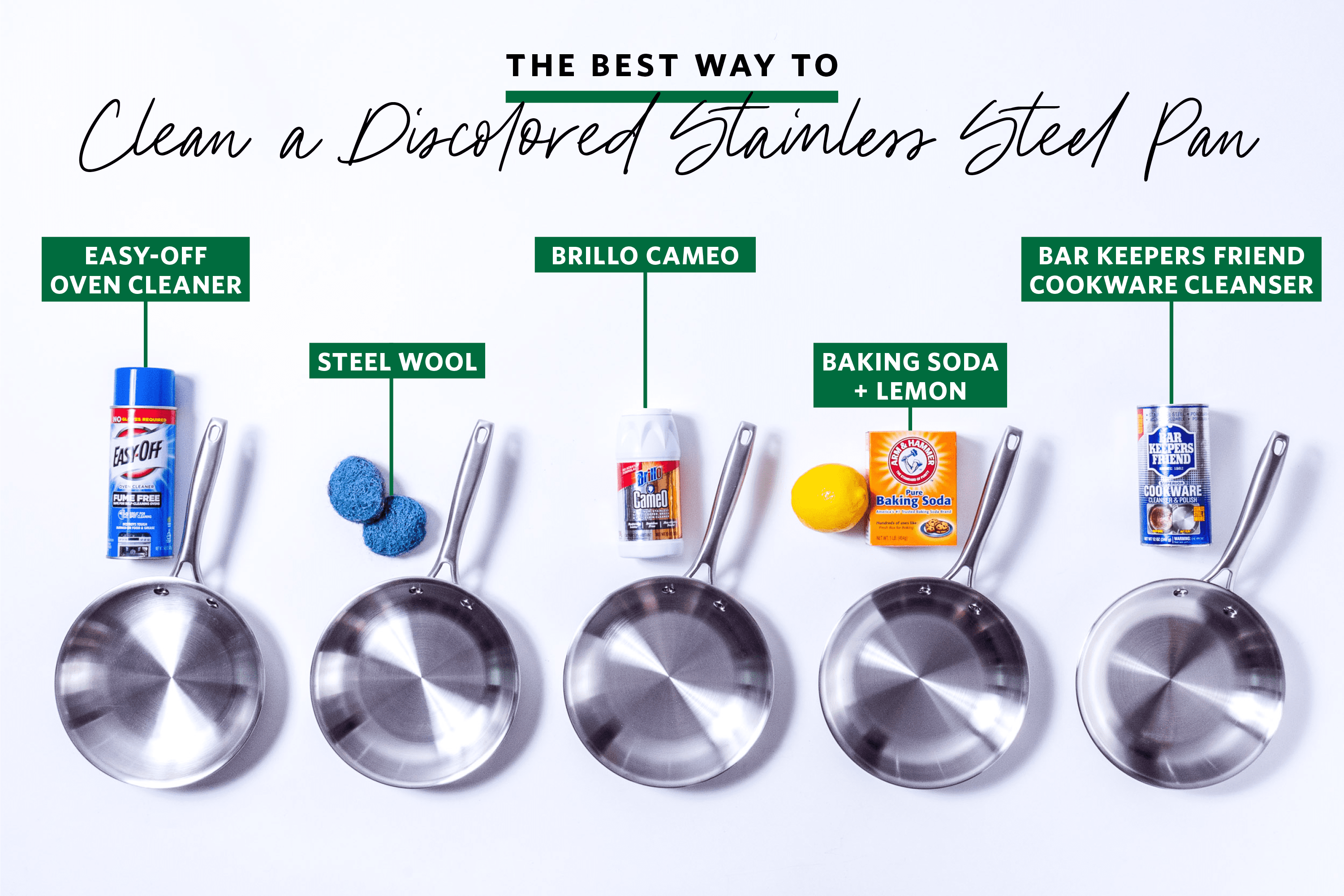
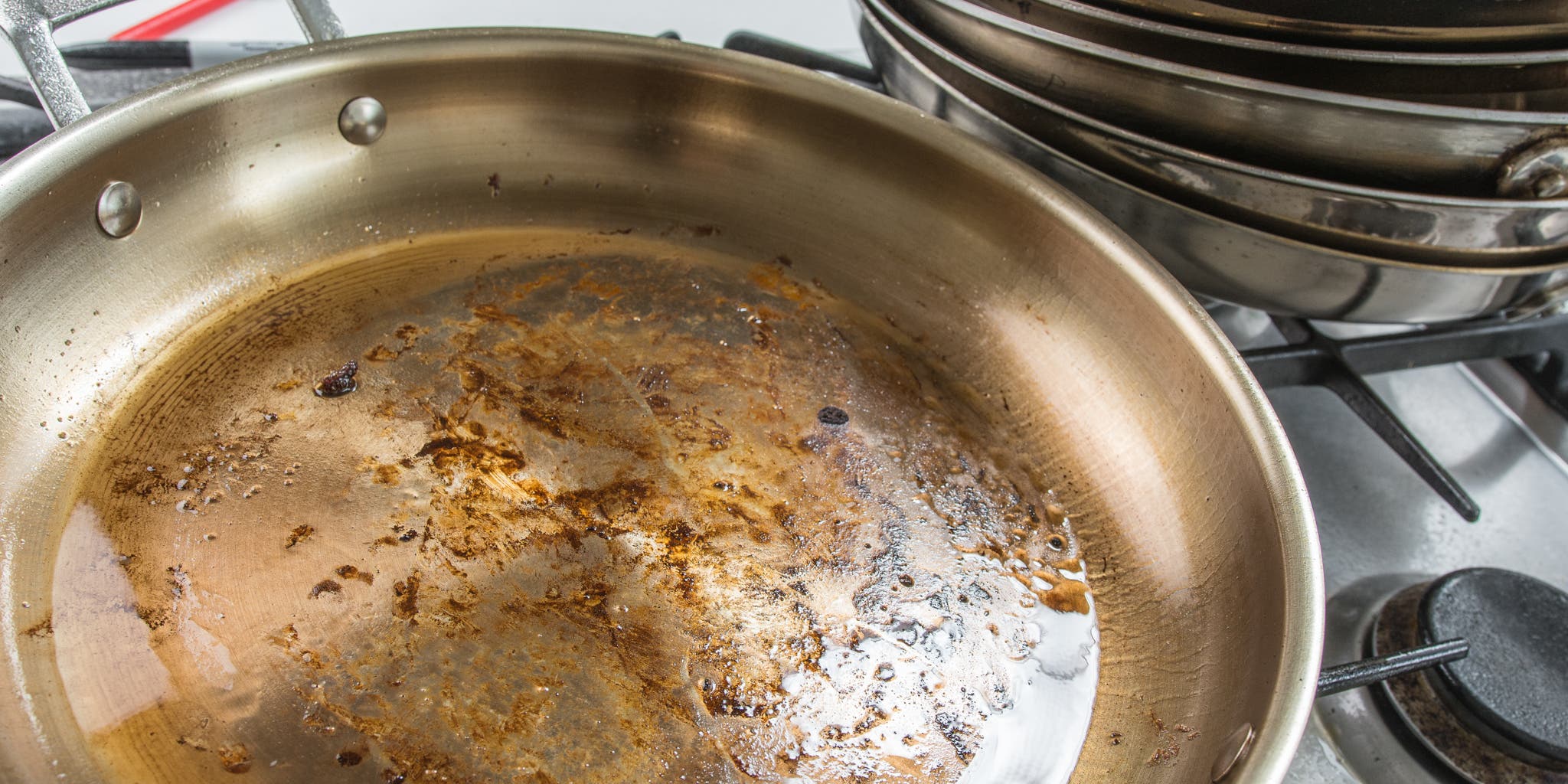
Stainless steel resists rust but still stains from heat, minerals, food acids, and burned food. Stains are usually surface marks, discoloration, or brown/black burn rings. Knowing the cause helps you pick the right cleaning method for how to remove stains from stainless steel pots.
I often see mineral spots from hard water and rainbow heat tints from overheating; both need different fixes.
Tools and supplies you’ll need to remove stains from stainless steel pots
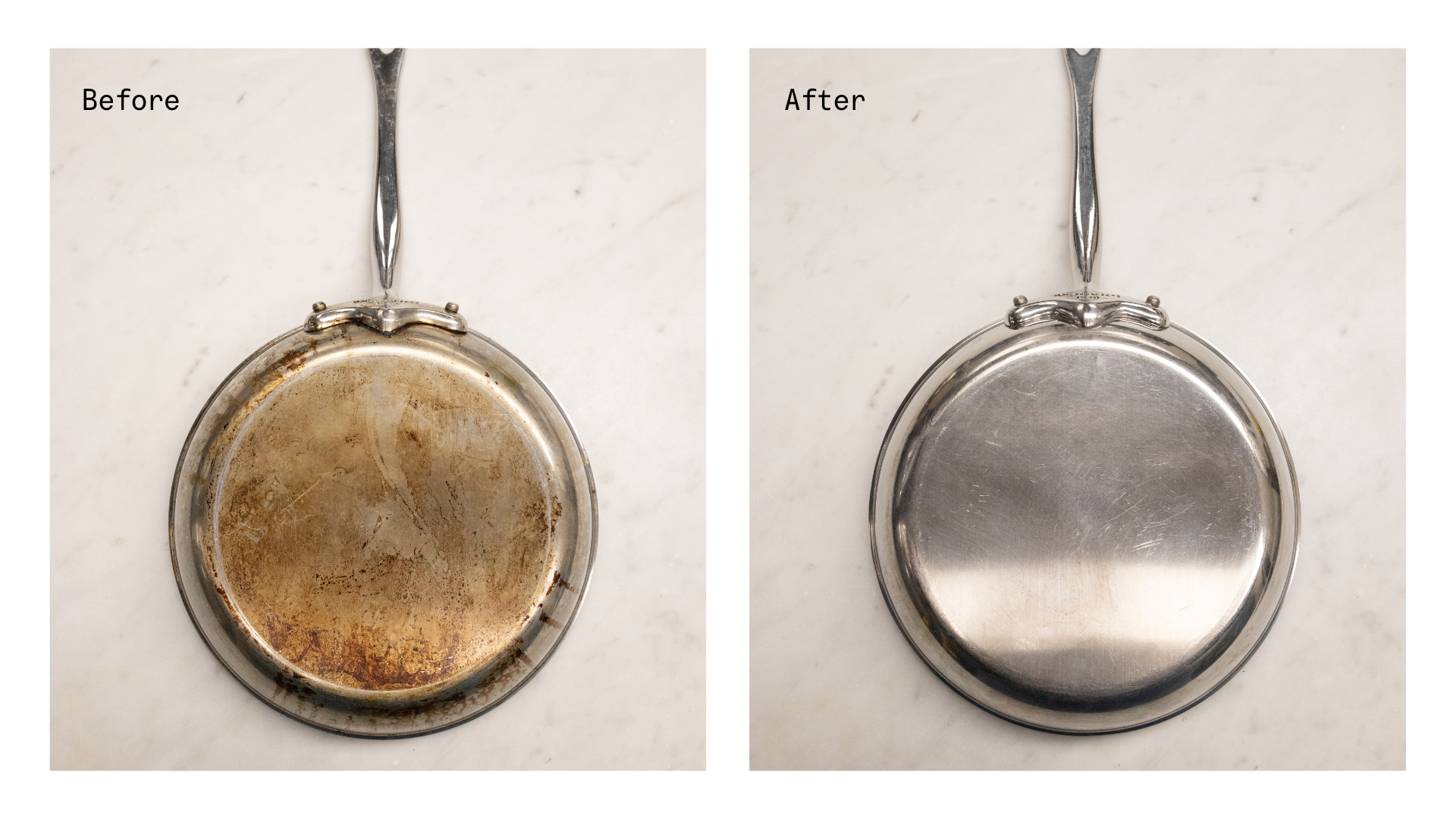
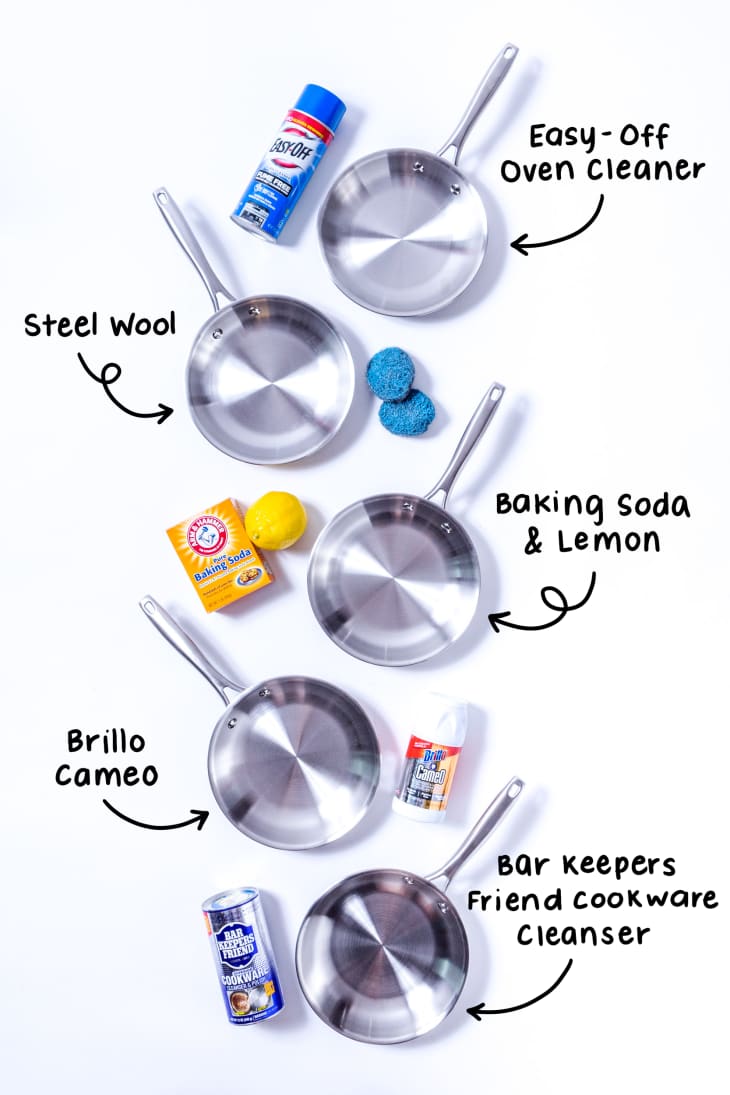
- Baking soda — a mild abrasive that lifts stains.
- White vinegar — dissolves mineral deposits and brightens metal.
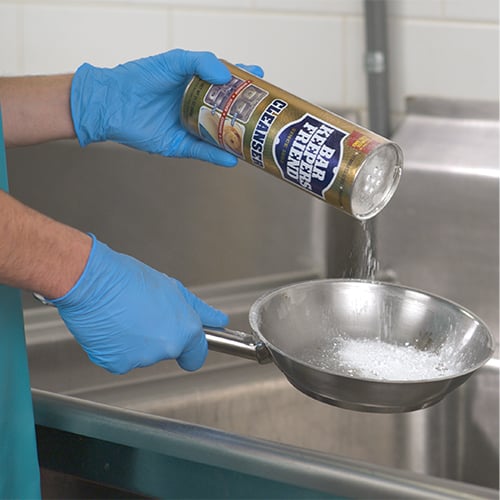
- Bar Keepers Friend or cream cleanser — for tougher marks.
- Non-scratch scrub pad or nylon brush — avoids scratching.
- Soft cloths and paper towels — for drying and polish.
- Lemon or cream of tartar — gentle natural options.
- Boiling water and dish soap — for loosened burnt food.
These simple items cover most ways to remove stains from stainless steel pots. I keep them in a small caddy under the sink for fast access.
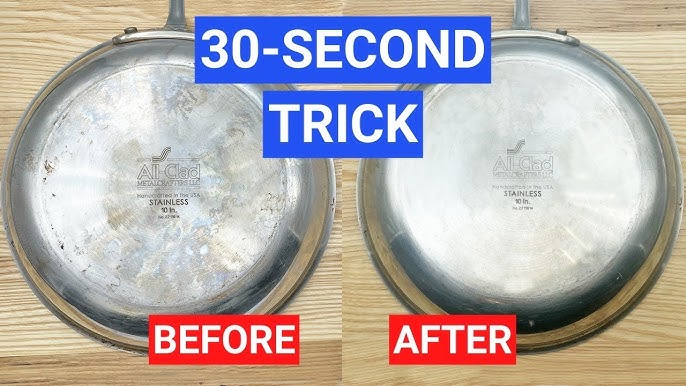
Quick, safe methods to remove common stains
- Baking soda paste: Mix baking soda with a little water to form a paste. Apply to the stain, let sit 10–15 minutes, then rub gently with a soft pad and rinse. This works great for light discolouration and stuck-on food.
- Vinegar rinse: Spray or pour white vinegar on the stained area, let it sit a few minutes, then wipe. Vinegar dissolves mineral spots and removes cloudy film from hard water.
- Salt and lemon: Sprinkle coarse salt on the pot and rub with a halved lemon. Rinse well. This combo is mild and leaves a fresh scent.
- Cream cleansers: For stubborn stains, use a non-abrasive cream cleanser following label directions. Test a small spot first to ensure no dulling of polish.
These quick methods are my go-to for most everyday stains and often restore shine in minutes.
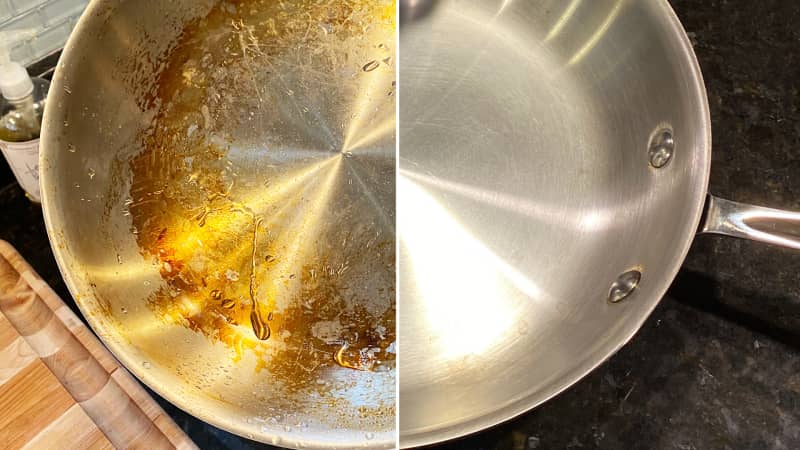
Tackling burnt-on food and deep discoloration
- Fill the pot with hot water and a few drops of dish soap.
- Bring to a gentle boil for 10–15 minutes to loosen burnt bits.
- Let the pot cool, then use a wooden spoon or nylon scraper to remove softened debris.
- Apply baking soda paste or a soft cream cleaner for remaining marks and scrub gently.
For very stubborn burnt layers, try a paste of baking soda and hydrogen peroxide, or use a commercial stainless steel cleaner designed for heavy restoration. I’ve used the boil-and-soak method many times; it saves scrubbing time and reduces scratching risk.
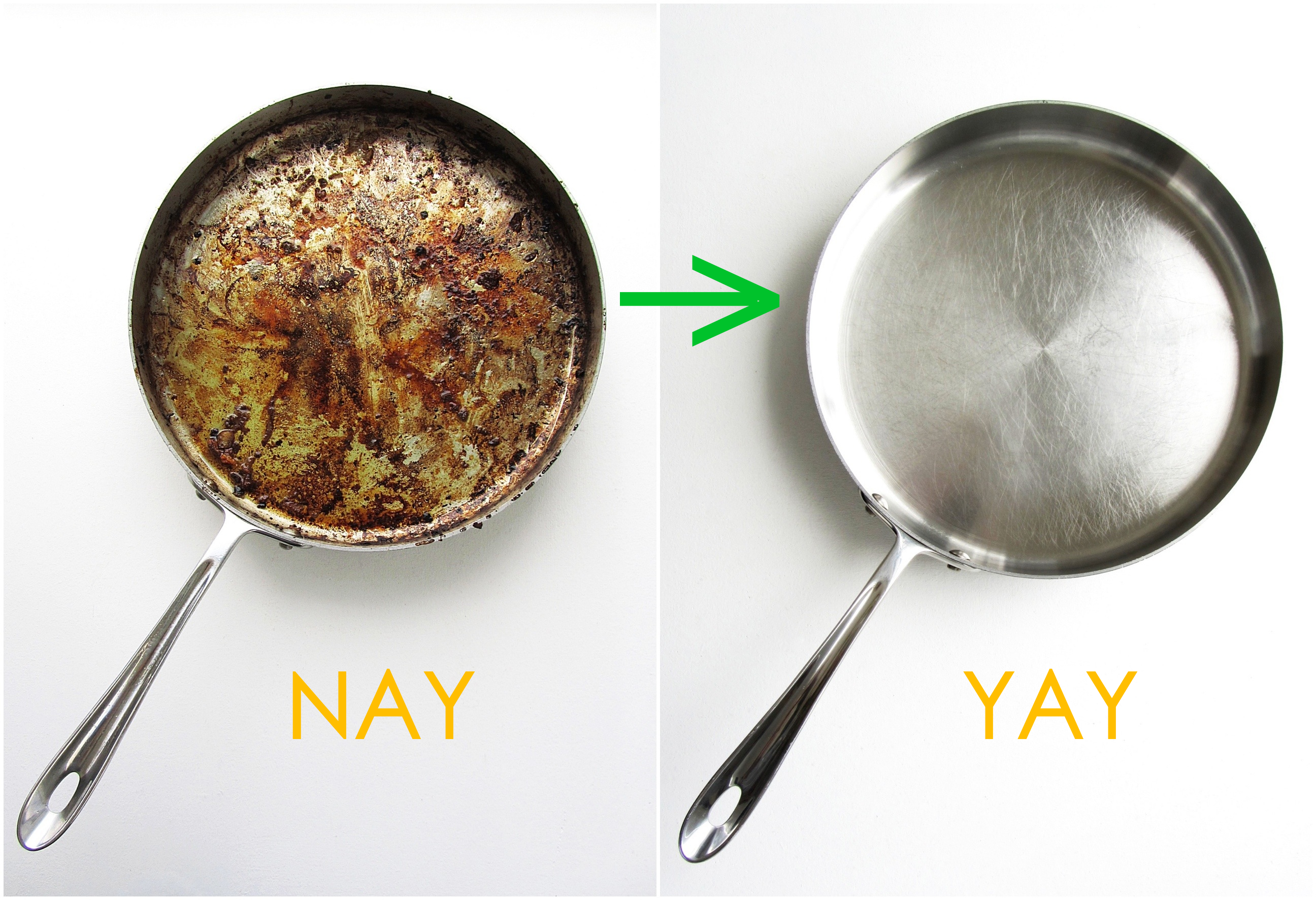
Removing rainbow heat tints and cloudy films
- Heat tints appear as blue, purple, or gold shades after high heat. Wipe the cooled pot with white vinegar or a 50/50 vinegar-water mix, then polish with a soft cloth.
- For persistent rainbow marks, rub gently with a paste of baking soda and water. Rinse and dry immediately to prevent water spots.
- Cloudy films from mineral build-up respond best to vinegar soaks or a sprinkle of citric acid dissolved in hot water.
These steps explain how to remove stains from stainless steel pots caused by heat or minerals without harsh scrubbing.
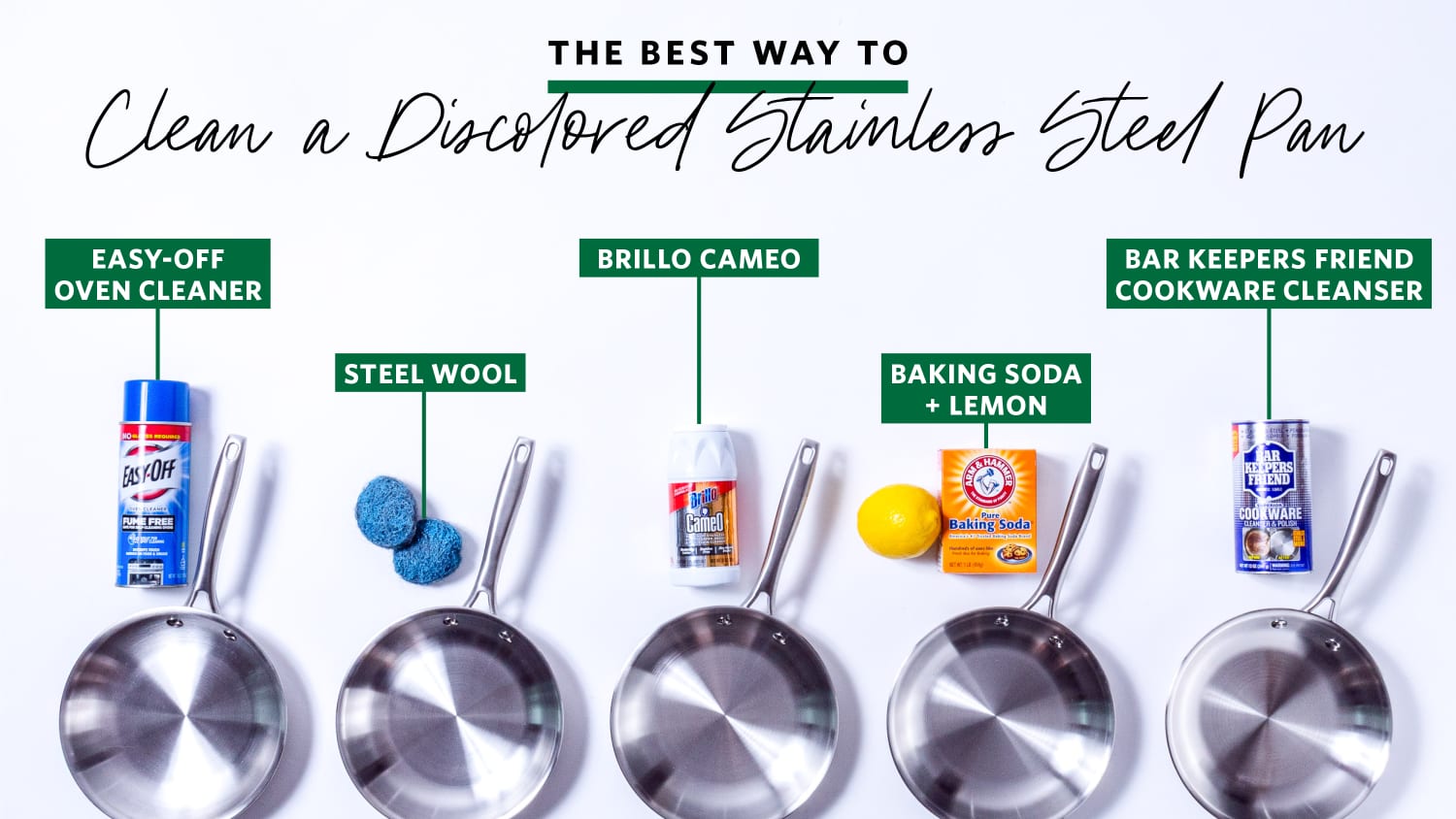
Using commercial cleaners safely
- Choose cleaners labeled for stainless steel and follow instructions.
- Test on a hidden area first.
- Use soft pads only; avoid steel wool or wire brushes.
Commercial cleaners can restore shine quickly. I use them rarely, only for tough stains that natural methods don’t fix.
Preventing stains and keeping pots shiny
- Cool pots before rinsing to avoid warping.
- Rinse and wash soon after use to prevent food from baking on.
- Dry immediately to stop water spots and mineral deposits.
- Use low to medium heat; high heat causes tints and hard-to-remove stains.
- Polish weekly with a soft cloth and a little white vinegar or olive oil for a protective sheen.
Small habits prevent most stains and reduce the need to aggressively scrub stainless steel.
Safety and best practices when you remove stains from stainless steel pots
- Avoid chlorine bleach and strong acids; they can pit or corrode stainless steel.
- Do not use steel wool or metal scouring pads; they leave scratches and microscopic grooves where stains hide.
- Wear gloves if using commercial cleaners or bleach alternatives.
- Work in a ventilated area when using strong cleaners.
These precautions keep your pots safe and your cleanup effective.
Personal tips and common mistakes I’ve learned
- Don’t let salt sit on the pot’s surface when dry; it can cause pitting over time.
- For stuck-on rice and pasta, soak immediately in warm water; it loosens quickly.
- Avoid abrasive cleaners on polished or mirrored finishes. They dull the surface fast.
- If a method doesn’t work, stop and try a milder option to avoid damage.
From years in kitchens, I’ve found that patience and the right tool beat force every time when learning how to remove stains from stainless steel pots.
People also ask (PAA-style)
Q: Can vinegar damage stainless steel?
A: Pure vinegar used briefly won’t harm stainless steel, but avoid long-term soaking in strong acid. Rinse well after use.
Q: Is baking soda safe for stainless steel?
A: Yes. Baking soda is a mild abrasive safe for most stainless steel finishes when applied gently.
Q: Will Bar Keepers Friend remove heat tint?
A: Often yes. It’s effective on many discolorations, but test a small spot and follow product guidance.
Frequently Asked Questions of how to remove stains from stainless steel pots
How do I remove brown burnt stains from a stainless steel pot?
Soak the pot with hot water and dish soap, boil for 10–15 minutes, then scrub with a nylon pad and baking soda paste. Repeat if needed, then rinse and dry.
Can I use bleach to clean my stainless steel pots?
No. Bleach and products with chloride can damage and pit stainless steel. Use vinegar, baking soda, or a stainless-safe cleaner instead.
How do I get rid of white mineral spots from hard water?
Wipe with white vinegar or soak the spots in a 1:1 vinegar and water solution for a few minutes, then rinse and dry. For stubborn spots, repeat or use citric acid.
Will stainless steel scratch if I scrub hard?
Yes. Scrubbing with steel wool or harsh abrasives will scratch the surface. Use non-scratch pads and gentle abrasives like baking soda.
How often should I polish my stainless steel pots?
Polish light-use pots every few weeks and daily-use pots once a week. Regular polishing keeps stains from building up and makes cleaning easier.
What’s the best way to remove rainbow discoloration?
Apply white vinegar or a baking soda paste and rub gently, then rinse and dry. Persistent tints may need a commercial stainless steel cleaner.
Conclusion
You can restore and protect your cookware by learning simple, safe ways to remove stains from stainless steel pots. Use gentle abrasives like baking soda, acid rinses like vinegar for minerals, and careful soaking for burnt food. Start with mild methods and move up only if needed to avoid damage. Try one method this week and see how quickly your pots regain their shine. Leave a comment with your toughest stain and I’ll suggest a fix.