Use a gentle abrasive, elbow grease, and a stainless polish for bright results.
I’ve polished dozens of pots and pans in my kitchen and for friends. I’ll show clear, tested steps to restore shine. This guide covers how to polish stainless steel cookware at home with safe materials, step-by-step instructions, stain fixes, and care tips so your cookware looks and performs like new.
Tools and materials you’ll need
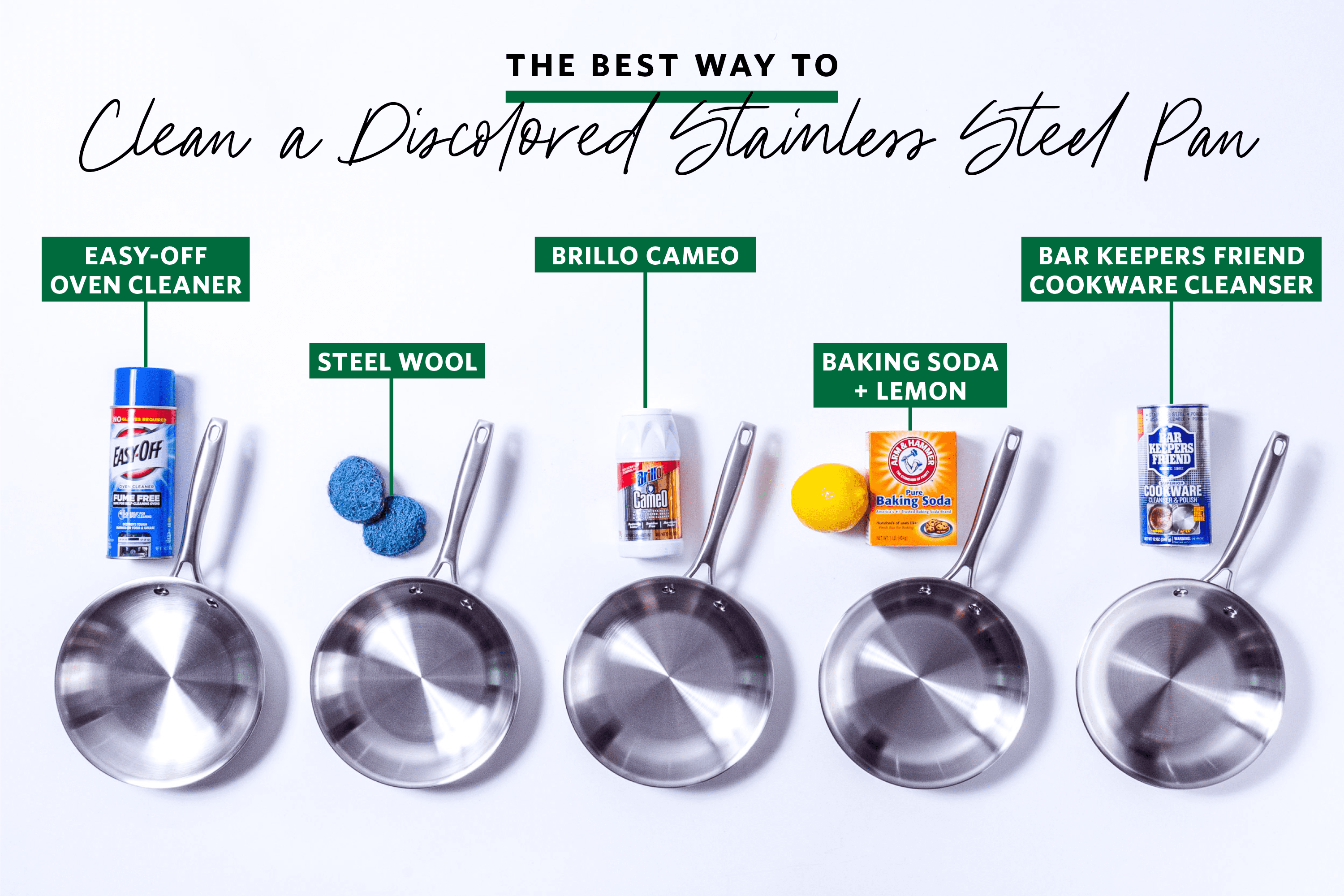
Gather safe, simple items you likely already own. These materials make learning how to polish stainless steel cookware at home fast and cheap.
- Soft microfiber cloths for wiping and buffing. Use several to avoid cross-contamination.
- Non-abrasive sponge for everyday cleaning. Avoid scouring pads that scratch.
- Baking soda for gentle abrasion and stain removal.
- White vinegar to remove mineral spots and add shine.
- Cream cleaner or commercial stainless polish for tough dullness.
- Olive oil or mineral oil for a protective finish and extra shine.
- Soft-bristle brush for cleaning handles and rivets.
- Rubber gloves to protect skin when using cleaners.
I prefer using a cream cleaner and a microfiber cloth together. It gives quick shine without harsh scrubbing. Keep all materials handy before you begin.
Step-by-step: how to polish stainless steel cookware at home
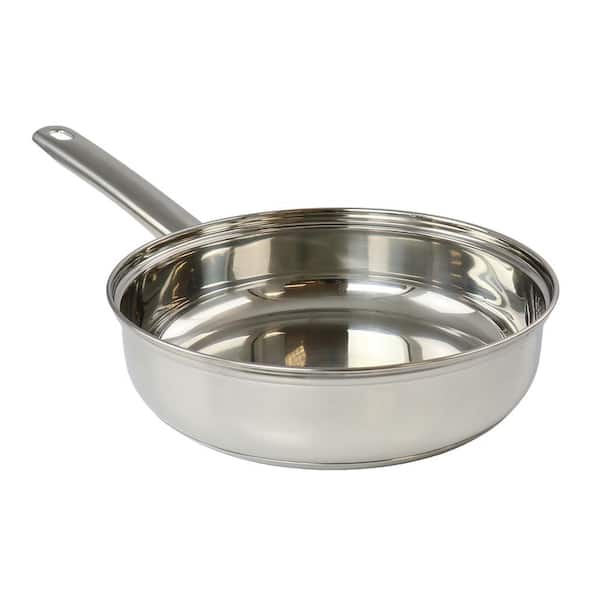
Follow these steps for a reliable polish. They work on pots, pans, and stainless lids.
Clean first
Rinse the cookware with warm water.
Wash with mild dish soap and a non-abrasive sponge.
Dry completely with a soft cloth.
Remove light stains and restore shine
Make a paste from baking soda and water.
Apply the paste along the grain of the steel.
Rub gently with a damp microfiber cloth in short strokes.
Rinse and dry thoroughly.
Remove mineral deposits and water spots
Soak a cloth in white vinegar.
Lay it over the spotted area for 10–15 minutes.
Wipe and rinse, then dry and buff.
Treat stubborn discoloration and heat stains
Apply a small amount of cream cleaner or stainless polish.
Work it in with a soft cloth following the grain.
Buff with a clean microfiber cloth until shiny.
Finish with oil
Put a drop of mineral oil on a soft cloth.
Rub a thin layer over the surface to boost shine and repel fingerprints.
Buff lightly with a dry cloth.
I often stop after step 4 for lightly dulled pans. For older cookware with lots of use, the oil finish makes a big visible difference. These steps show how to polish stainless steel cookware at home in a controlled way.
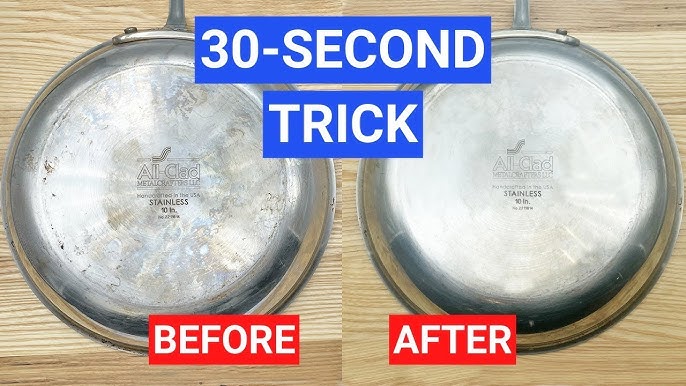
Removing tough stains and specific problems
Different stains need different fixes. Here are targeted methods I use when common steps don’t fully work.
Burnt-on food
- Fill the pan with warm water and a tablespoon of baking soda.
- Bring to a low simmer for 10 minutes, then let cool.
- Scrape gently with a wooden spatula and wash as usual.
Blue or rainbow heat marks
- Rub gently with a paste of baking soda and water.
- If marks persist, use a cream cleaner and polish along the grain.
- Avoid harsh scrubbing which can worsen the finish.
Rust spots or pitting
* For tiny rust specks, use a paste of baking soda and water.
- Rub gently, then rinse and dry thoroughly.
- Deep pitting may need professional attention or replacement.
Stubborn mineral scale
- Soak with white vinegar or a 50/50 vinegar-water mix for 15–30 minutes.
- Rinse well and polish to restore shine.
Grease buildup
- Use hot water, dish soap, and a soft brush to lift grease.
- Finish with a polished buff and light oil to restore luster.
When cleaning tough stains, always test in an inconspicuous spot first. I learned this after over-polishing a family pan years ago. A small test area saves a lot of regret.
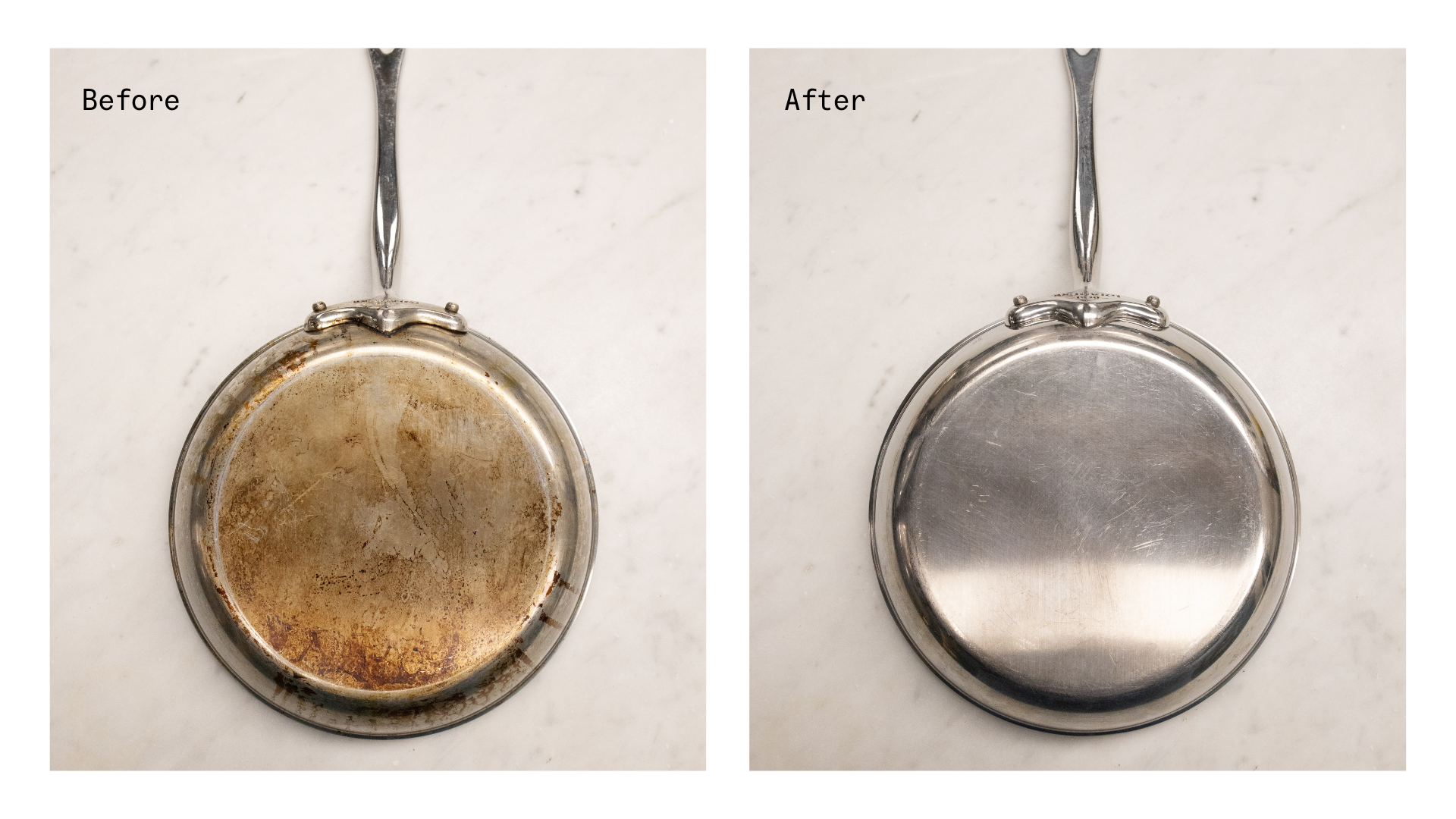
Preventive care and regular maintenance
Regular maintenance keeps stainless steel shiny and reduces the need for heavy polishing. These simple habits will extend the life of your cookware.
- Wash soon after use to avoid burnt-on food and stains.
- Use low-to-medium heat to prevent rainbow discoloration from overheating.
- Avoid metal utensils that scratch and damage the surface.
- Dry pans immediately after washing to prevent water spots.
- Apply a light oil wipe once a month to reduce fingerprints and stains.
I keep a jar of baking soda under the sink. It’s one of the simplest ways I find to prevent and treat common marks. Practicing small habits reduces time spent learning how to polish stainless steel cookware at home later.
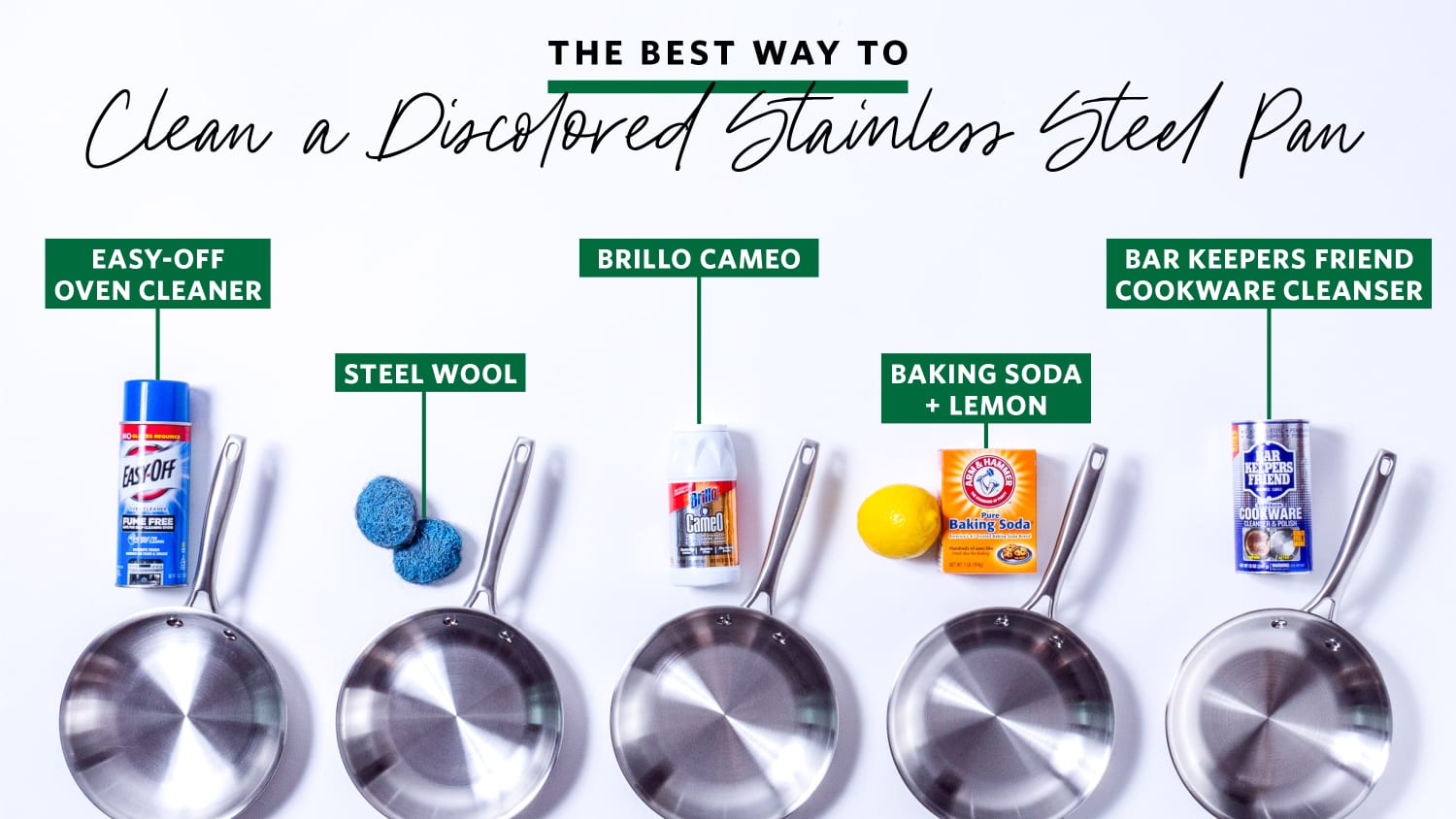
Common mistakes and troubleshooting
Avoid these errors to protect your cookware and save time.
- Using steel wool or harsh scouring pads that cause scratches.
- Polishing against the grain, which leaves swirl marks.
- Overusing acidic cleaners on polished finishes without rinsing well.
- Leaving salt in an empty pan, which can cause pitting over time.
- Relying only on oil to hide major scratches—oil only masks, it does not repair.
If your pan gets scratched deeply, consider a professional refinisher. For most marks, gentle polishing restores the look. I once tried a heavy scouring pad on a favorite pot and still regret the permanent marks. Learn from my mistake and keep tools gentle.
Frequently Asked Questions of how to polish stainless steel cookware at home
How often should I polish stainless steel cookware at home?
Polish when dull or after removing stains. For regular use, a light polish every few months is enough.
Can I use vinegar and baking soda together to polish stainless steel?
Vinegar and baking soda can help but use them separately. Vinegar dissolves mineral deposits while baking soda acts as a mild abrasive.
Will polishing remove deep scratches from stainless steel cookware?
Polishing may reduce the appearance of light scratches but will not remove deep gouges. Deep scratches may need professional refinishing or replacement.
Is it safe to use olive oil to polish stainless steel cookware at home?
Yes, olive oil or mineral oil can add shine and repel fingerprints. Use only a thin layer and buff well to avoid sticky residue.
Can I use commercial stainless steel cleaners on coated or nonstick cookware?
Avoid commercial stainless cleaners on coated or nonstick surfaces unless the label says it’s safe. These cleaners can damage coatings and reduce nonstick performance.
What’s the best way to polish pots with rivets or textured handles?
Use a soft-bristle brush and a small amount of cleaner to reach around rivets and textured areas. Rinse and dry thoroughly to prevent trapped moisture.
Conclusion
You can restore shine and extend the life of your cookware by learning how to polish stainless steel cookware at home. Use gentle cleaners, follow the grain, and apply a finishing oil for lasting shine. Start with the basic steps, test on a small area, and make the upkeep part of your kitchen routine. Try these techniques this week, share your results, or ask a question below — I’d love to hear which method worked best for you.