Replace cookware when coatings flake, pans warp, rust appears, or food sticks and heats unevenly.
I’ve spent years testing pans, cooking for friends, and fixing my own kitchen mistakes, so I know how to know when to replace cookware. This guide breaks down clear signs, material-specific cues, safety concerns, maintenance tips, and buying advice so you can make smart swaps without guessing.
Key signs: how to know when to replace cookware
Look for these clear, everyday signs that tell you how to know when to replace cookware.
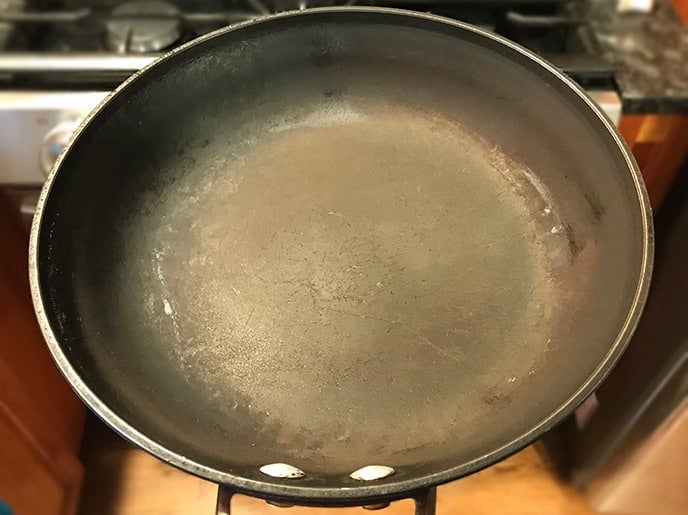
Food sticks more than usual, even after proper heating and oiling.
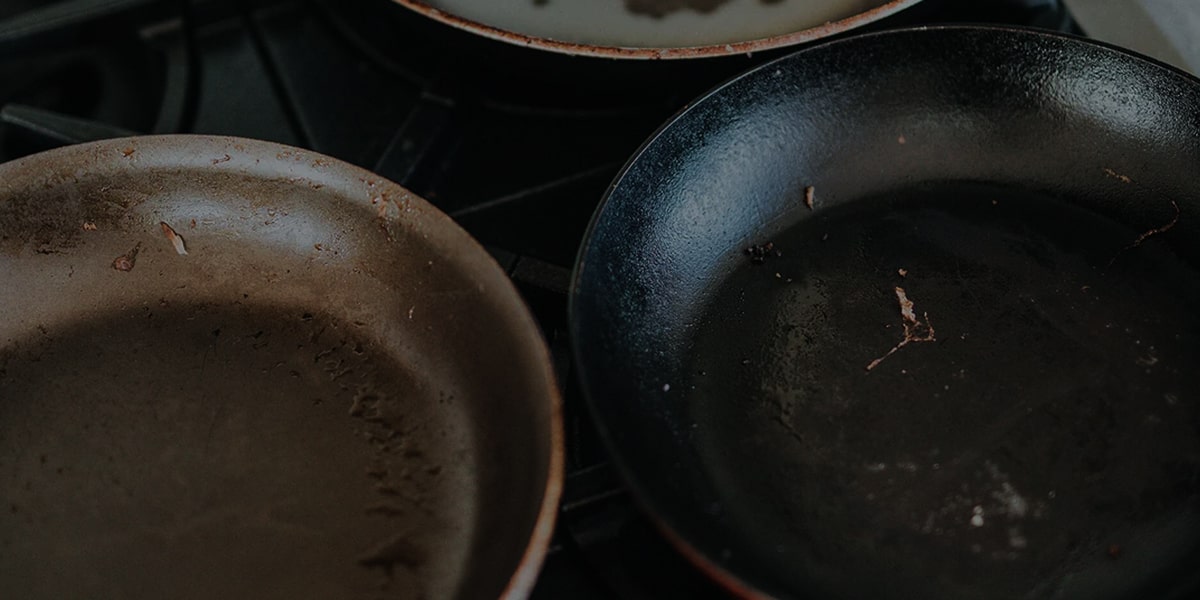
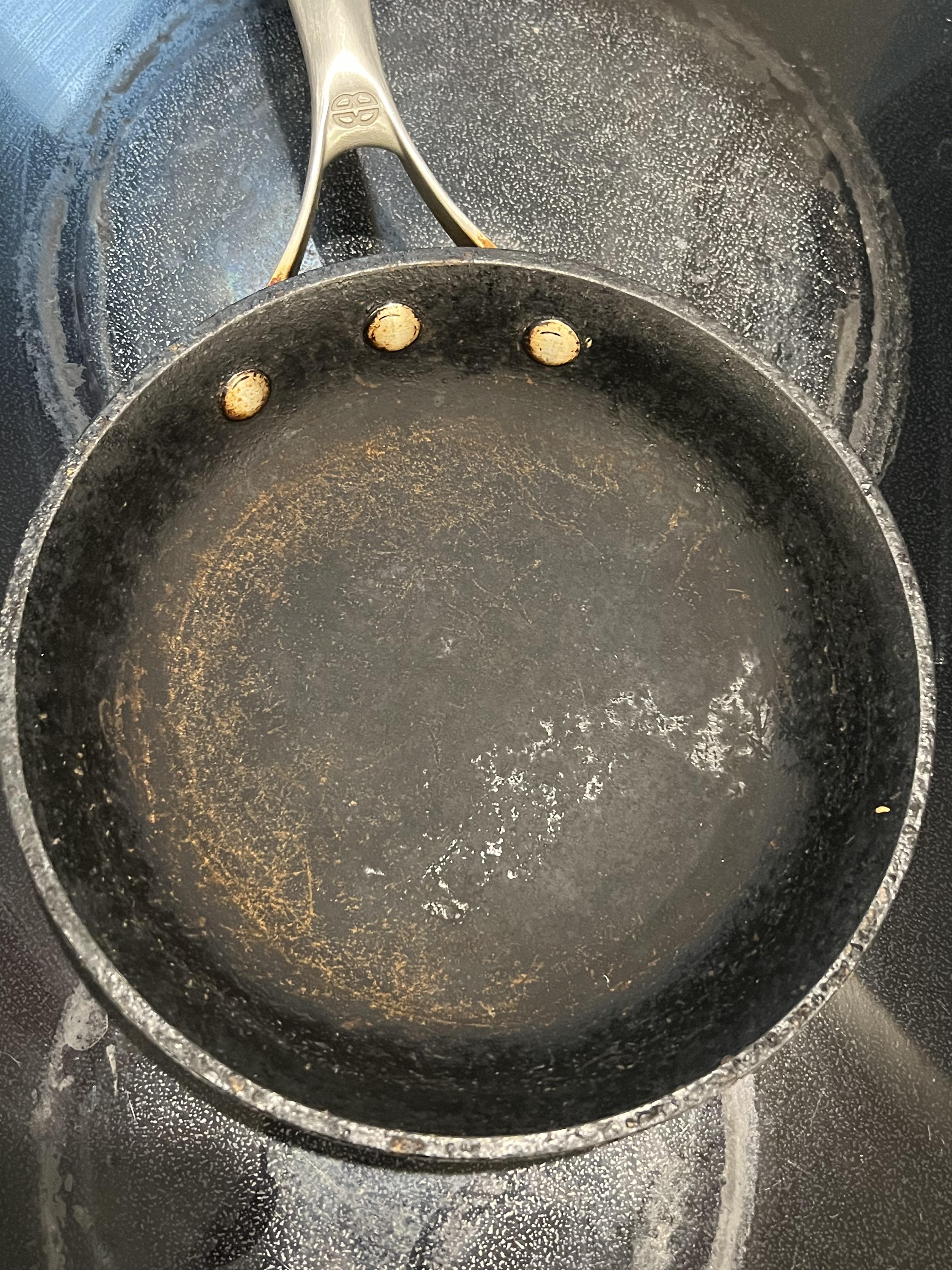
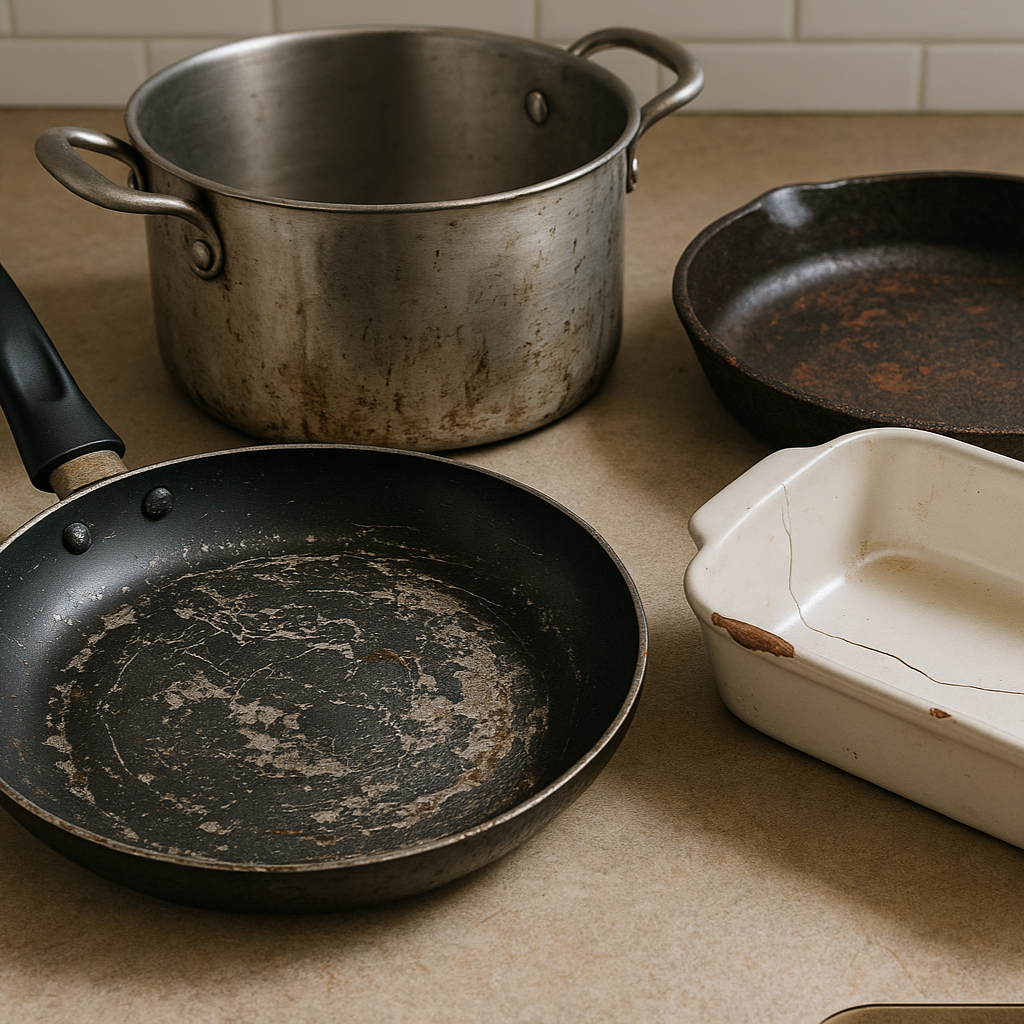
Coatings are peeling or flaking. Never cook on a scratched nonstick surface.
Pans wobble or sit unevenly on the burner because of warping.
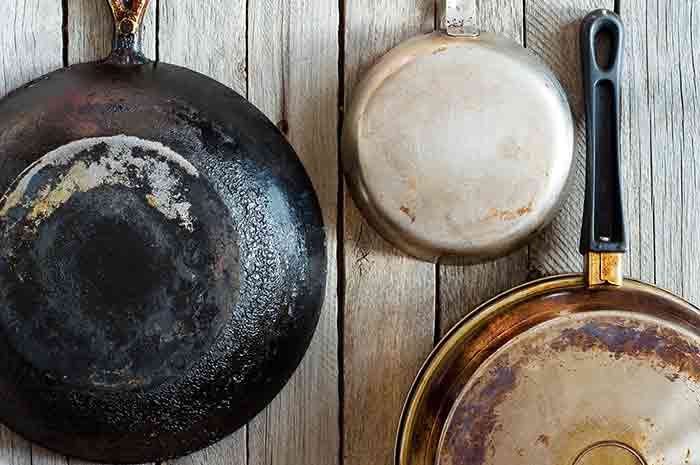
Rust spreads through metal or seams. Surface rust means the pan is compromised.
Handles loosen, crack, or get dangerously hot with every use.
Personal note: I kept a warped skillet for months because it looked fine. Food cooked unevenly and I finally replaced it. The new pan cut cook time and stress.
Material-specific cues: how to know when to replace cookware
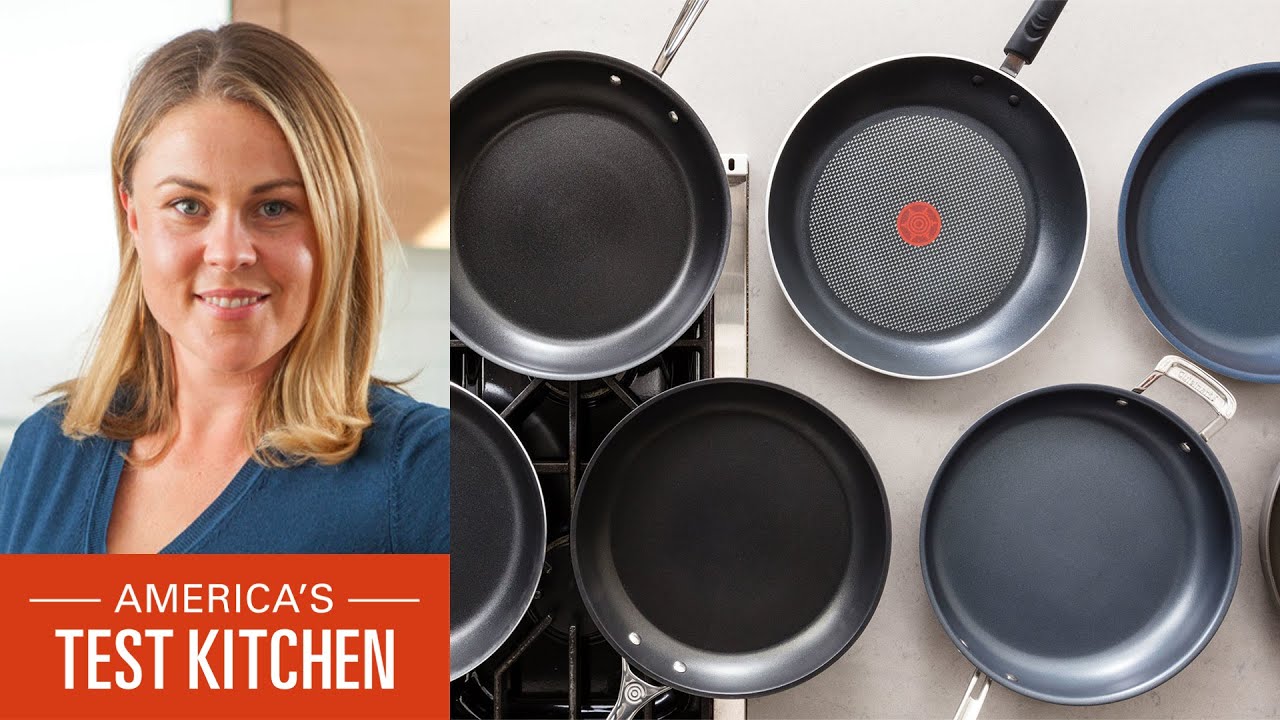
Nonstick pans
Nonstick coatings that peel, bubble, or scratch are done. If food starts to stick or you see dark flakes, replace the pan. Typical life: 2 to 5 years with regular use.
Stainless steel
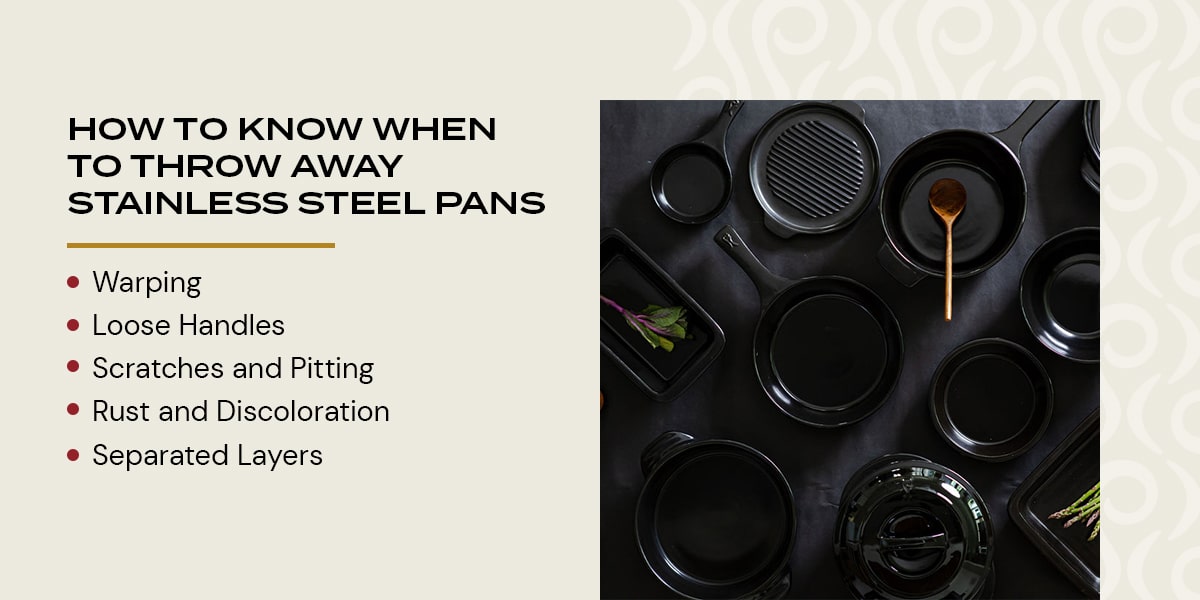
Stainless steel rarely needs replacing for safety. Replace it when heavy pitting, deep cracks in the metal, or fused burnt-on layers can’t be cleaned. Warping that causes poor contact with the burner is also a reason to swap.
Cast iron and carbon steel
These last decades if cared for. Replace only if cracks appear or a pan is so badly rusted that seasoning won’t hold. Heavy distortion that causes uneven cooking may also require replacement.
Aluminum and copper
Thin aluminum that dents, warps, or develops white oxidation spots should be replaced if performance suffers. Lined copper is fine until the lining becomes thin or breached; then replace for safety.
Glass and ceramic bakeware
Replace if it chips, cracks, or shows spidering lines. Small chips can hold bacteria and can lead to breakage under heat shock.
Health and safety concerns that signal replacement
Coating ingestion risk
If a nonstick coating peels or flakes, you can ingest small particles. That’s a clear reason to replace the cookware immediately.
Rust and metal leaching
Rusted pans or those with worn protective layers can leach metal into food. Replace when rust covers more than surface spots or resists cleaning.
Broken handles and loose parts
A pan that drops hot food is a hazard. Replace or repair if handles loosen or rivets fail.
Old chemical concerns
Some older cookware may contain legacy chemicals in coatings. If you know an item is very old or damaged, replace it rather than risk exposure.
Simple tests to decide: quick checks I use
Cooking test
Cook eggs or fish on the pan. If they stick badly despite heat and oil, the pan likely needs replacing.
Visual inspection
Look for flaking, deep scratches, rust, or separations between layers.
Flatness test
Place pan on a flat surface. If it rocks noticeably, it will heat unevenly and may need replacement.
Handle test
Wiggle handles and lids. If they move or creak, inspect screws and rivets. Replace when repair isn’t safe.
How to extend life so you delay replacement
Use correct heat
Avoid high heat on nonstick pans. High heat damages coatings fast.
Clean gently
Use soft scrubbers for nonstick. Steel wool is fine for stainless but avoid abrasive scrubbing on coated surfaces.
Season cast iron
Keep cast iron and carbon steel seasoned. Good seasoning prevents rust and improves performance.
Store smart
Stack with liners or hang pans to avoid scratches. Tight stacking speeds wear.
Repair when sensible
Replace rivets or tighten handles when possible. Re-season cast iron rather than replacing.
How to choose replacement cookware the smart way
Match use to material
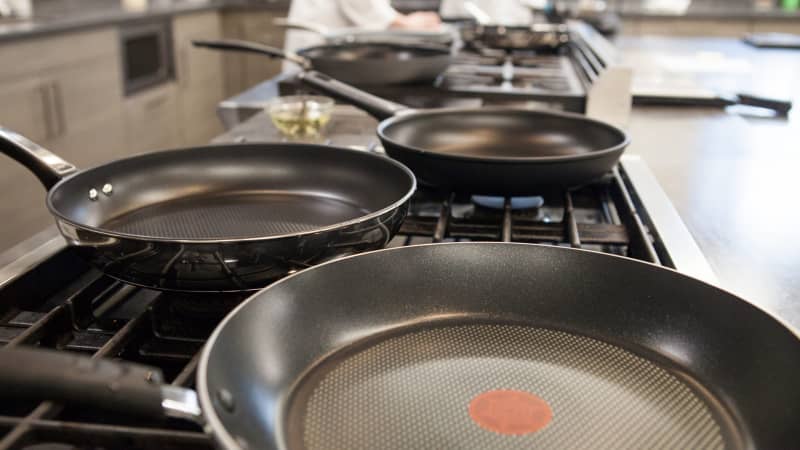
Pick nonstick for low-fat cooking and eggs. Choose stainless for searing and deglazing. Go cast iron for heat retention and oven use.
Check construction
Look for heavy-gauge bases and full-clad layers for even heating. Induction-ready bases help future-proof.
Consider warranties and reviews
A good warranty and consistent user reviews reduce risk. Brands that offer repair parts are often better long-term buys.
Think sustainability
Donate usable cookware, recycle metal pans, or repurpose damaged pieces as planters or storage to reduce waste.
Cost, value, and when to repair vs replace
Repair small defects
A loose handle or small dent is worth fixing. Screws, rivets, and riveted lids are often inexpensive to repair.
Replace when safety is compromised
If coatings flake, metal is pierced, or structural failure occurs, replace the cookware. Safety beats saving a few dollars.
Balance budget and performance
Spending more on a pan you use daily often pays off. Cheap pans may need frequent replacing and cost more over time.
PAA-style questions (brief answers)
When does nonstick cookware need replacement?
Replace nonstick cookware once coating peels, flakes, or food increasingly sticks. Visible damage means safety and performance are compromised.
How long should cookware last?
Lifespans vary: nonstick 2–5 years, stainless decades, cast iron generations if maintained. Usage and care determine real life.
Can warped pans be fixed?
Minor warping can sometimes be flattened by a pro, but severe warps that affect heat transfer usually require replacement.
Frequently Asked Questions of how to know when to replace cookware
What are the first signs that cookware needs replacing?
Look for peeling coating, severe scratches, rust, warping, and loose handles. Any sign that affects safety or cooking signals replacement.
Is it safe to use scratched nonstick pans?
No. Scratched nonstick pans should be replaced because the coating can flake into food and performance drops.
Can I repair a rusted pan?
Surface rust can often be removed and the pan restored, especially cast iron. Replace if rust has caused pitting or structural damage.
How do I know if my pan is warped?
Set the pan on a flat counter. If it rocks or makes uneven contact, it’s warped and may heat unevenly on the stove.
When should I replace stainless steel cookware?
Replace stainless if pitting, deep cracks, or fused burnt-on material cannot be cleaned. Otherwise, stainless can last many years.
Conclusion
Knowing how to know when to replace cookware comes down to safety, performance, and value. Replace pans that flake, rust extensively, warp, or have broken parts. Maintain and repair when sensible to extend life, and choose durable replacements for daily-use items. Start by checking your most-used pans tonight: cook a simple egg, inspect the surface, and test the flatness. If you find serious damage, swap it out — your food and safety will thank you. Share your cookware stories or questions below, subscribe for more kitchen tips, or explore guides on choosing the right pan for your cooking style.