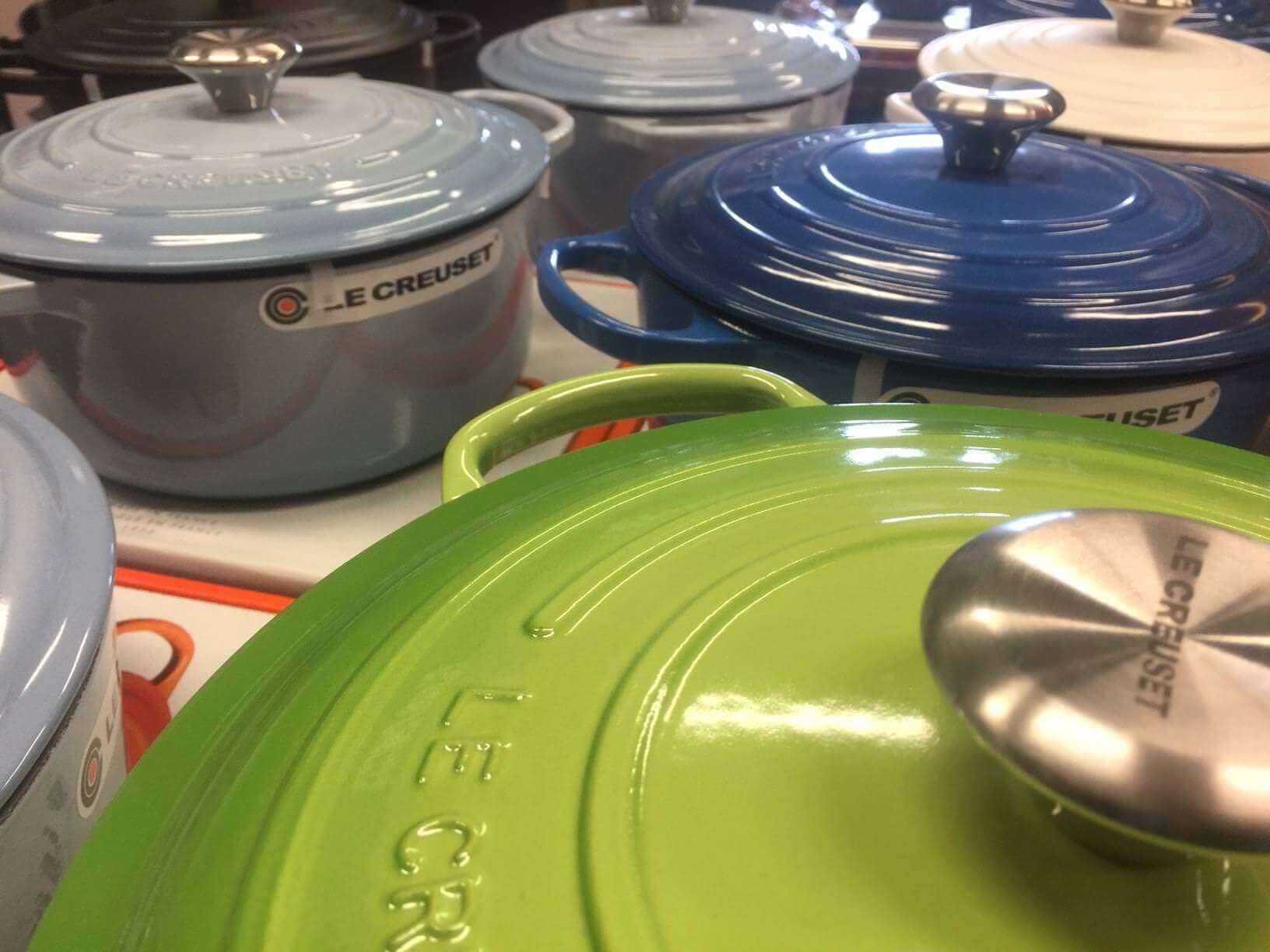
Expensive cookware often means better materials, longer life, and more consistent cooking results.
I’ve tested pans and pots for years, and I’ll walk you through the expensive vs cheap cookware difference with clear, practical guidance. You’ll learn what materials matter, where price actually helps, when cheap cookware is fine, and how to choose for your kitchen and budget. This guide blends hands-on experience, industry insight, and plain advice so you can buy smart and cook better.
Why price matters: what you actually pay for
Price is not just a number. It often reflects the metal, construction, finish, and brand support. Higher prices usually come from thicker metals, multi-clad construction, and better coatings. Cheaper pieces cut costs with thinner metal, single-layer bases, or low-quality nonstick. The expensive vs cheap cookware difference shows most at the stove and over time.
Materials and how they affect cooking
Different metals behave very differently. Here are common materials and what they mean for cooking:
- Stainless steel: Durable, non-reactive, and often found in mid to high-range sets.
- Aluminum: Great heat conductor. Cheaper pans use thin aluminum that warps. Anodized aluminum is harder and lasts longer.
- Copper: Fast, precise heat control. Expensive because it’s hard to make and maintain.
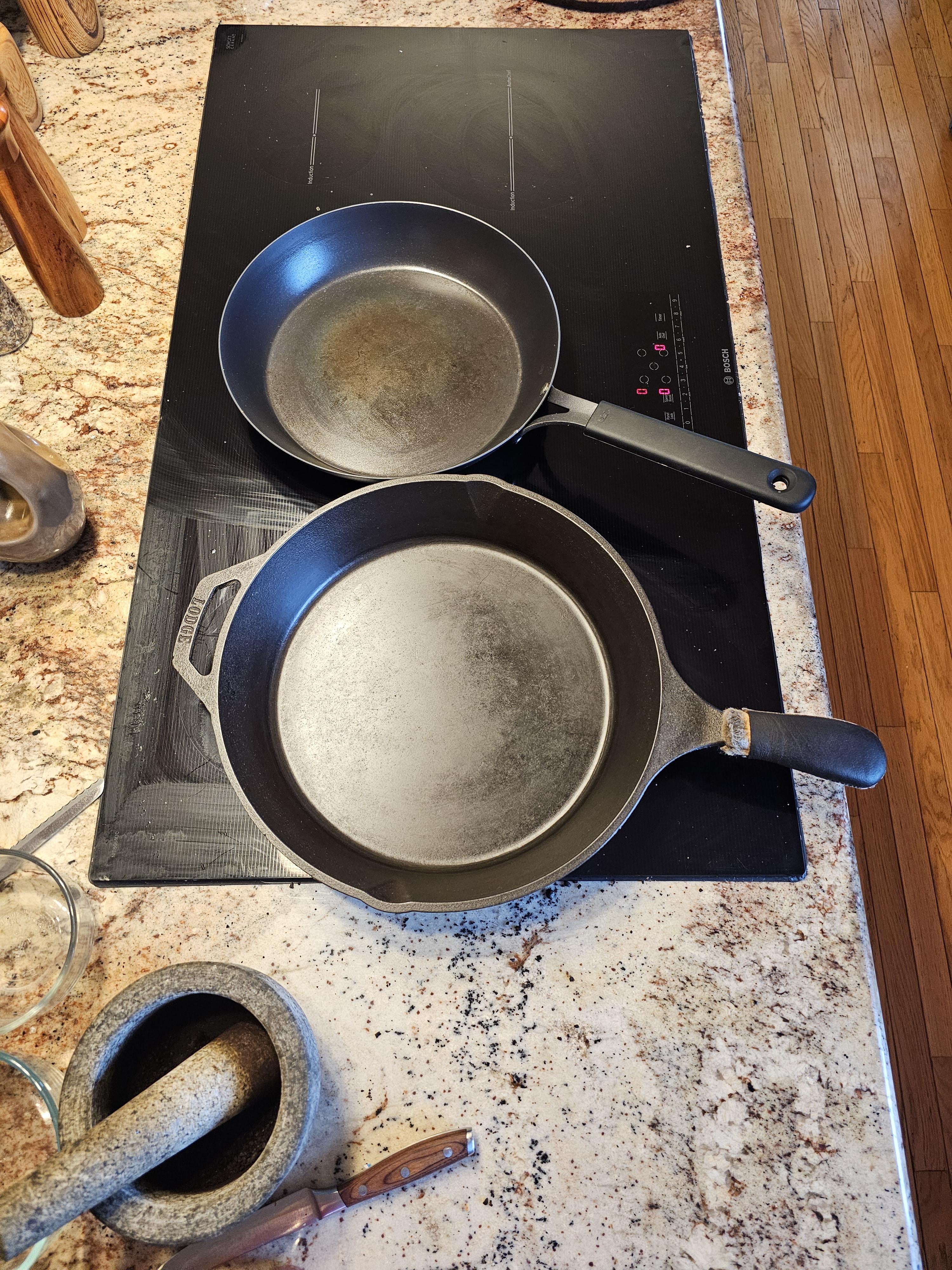
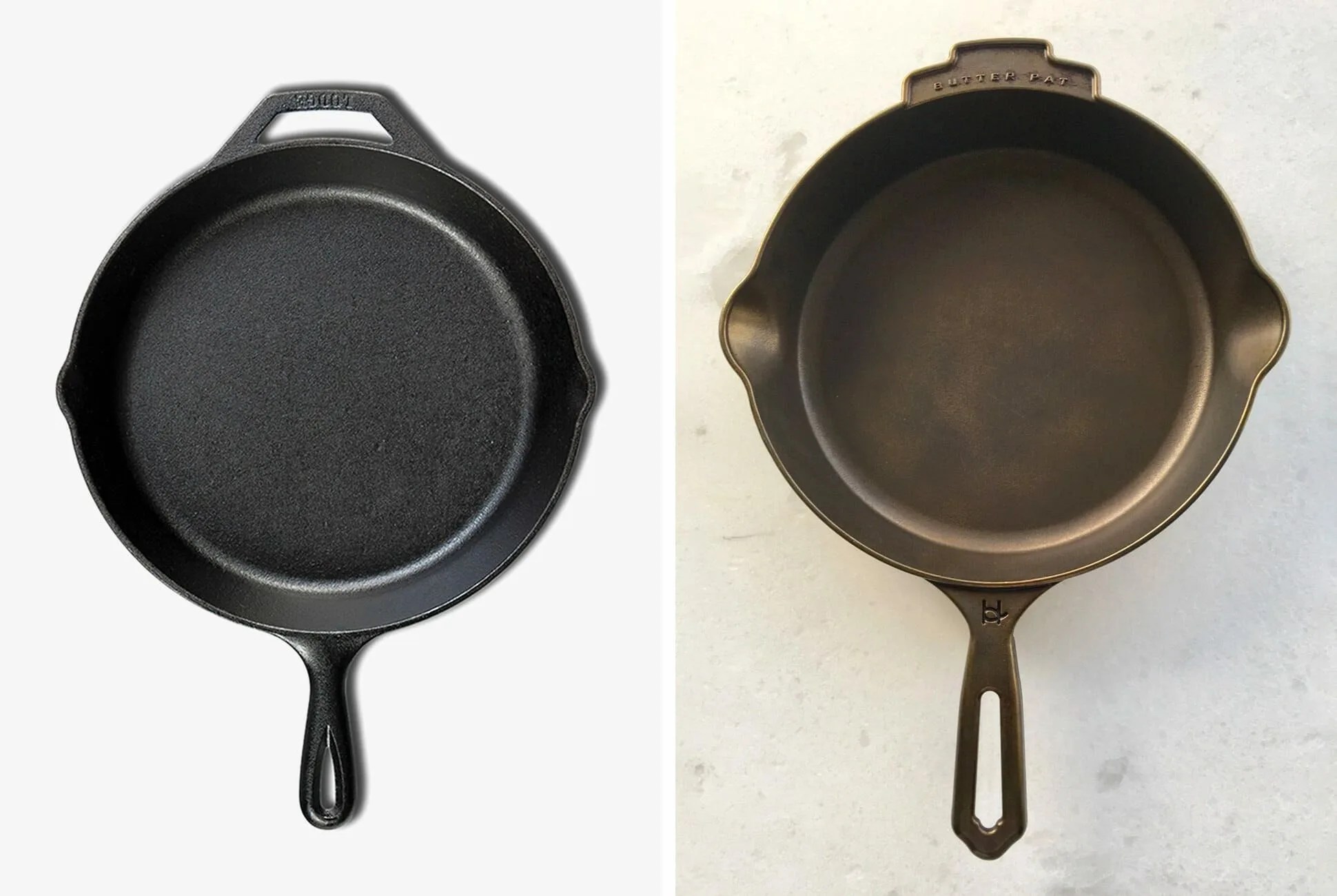
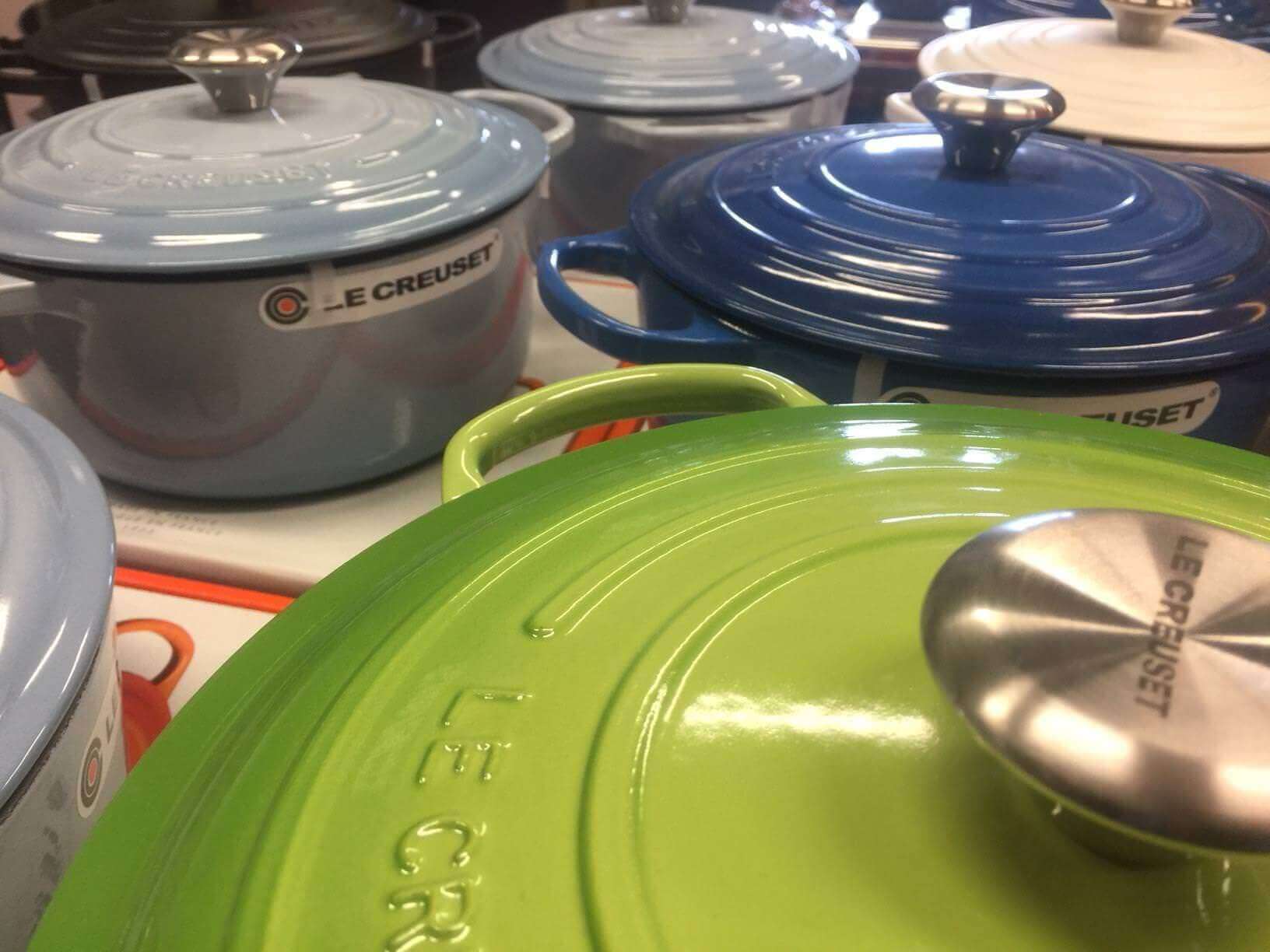
- Cast iron: Heavy and long-lasting. Seasoned cast iron can be inexpensive or costly if enameled.
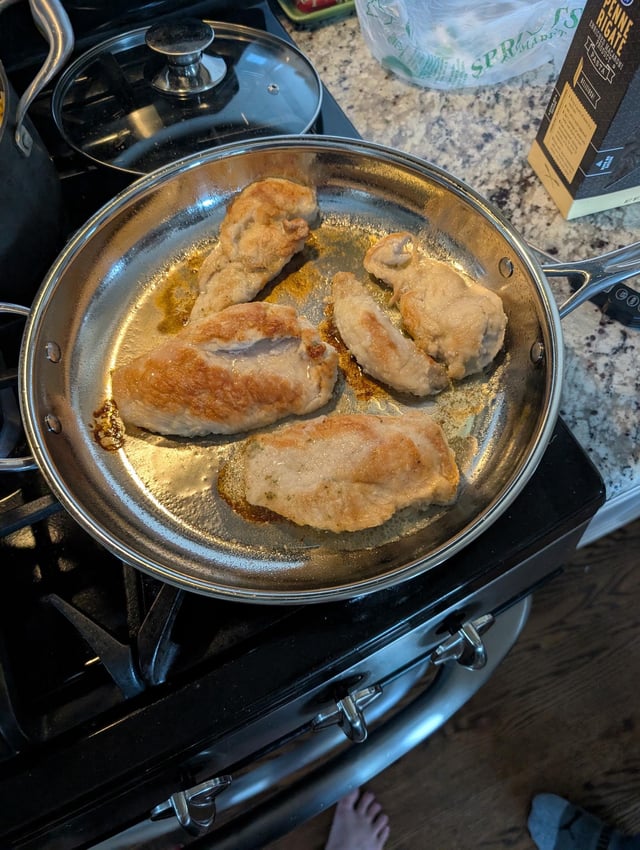
- Nonstick coatings: Cheap nonstick wears fast. Premium ceramic or reinforced PTFE coatings last longer.
The expensive vs cheap cookware difference is often material quality and how evenly the pieces heat. Thicker or multi-layered pots give consistent results. Thin, cheap pans can cause hot spots and uneven browning.
Durability, warranty, and lifetime cost
A low price can mean high replacement costs later. Consider these points:
- Longevity: Thick-gauge or multi-clad sets last years. Cheap sets may warp or lose coating in months.
- Warranty: Higher-end brands often back products with long warranties. Cheap brands rarely offer meaningful coverage.
- Total cost: Calculate cost per year. A $200 pan that lasts 10 years costs $20/year. A $30 pan lasting one year costs $30/year.
From my kitchen: I replaced a flimsy skillet three times in two years before investing in a mid-range stainless skillet that still looks and performs great after five years. That real-world experience highlights the expensive vs cheap cookware difference in lifetime value.
Cooking performance and comfort
How a pan feels and cooks matters to everyday use. Key factors include:
- Heat distribution: Multi-clad or heavy bottoms spread heat evenly. Cheap pans often burn edges while the center stays cool.
- Responsiveness: Copper and thin aluminum respond quickly to temperature changes. Thick stainless takes longer.
- Weight and balance: Too-heavy pans can make cooking tiresome. High-quality pieces aim for balanced weight.
- Surface finish: Smooth interiors release food better. Rough cheap finishes cause sticking.
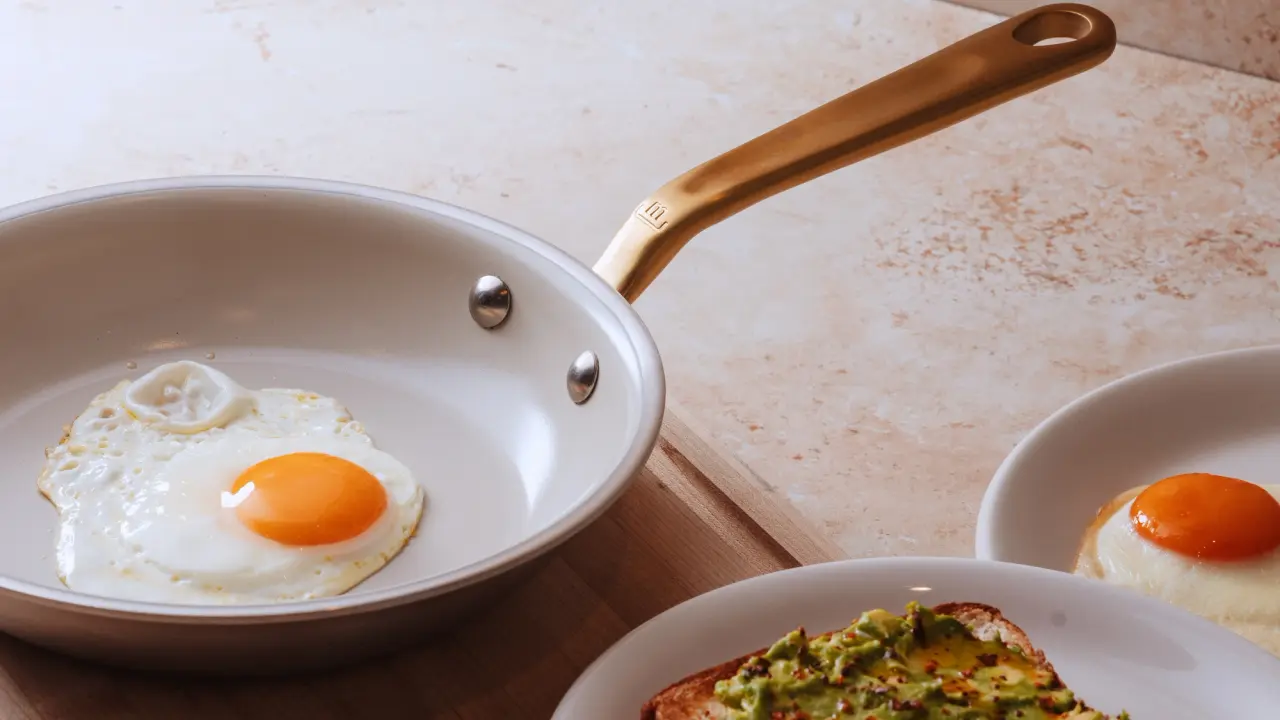
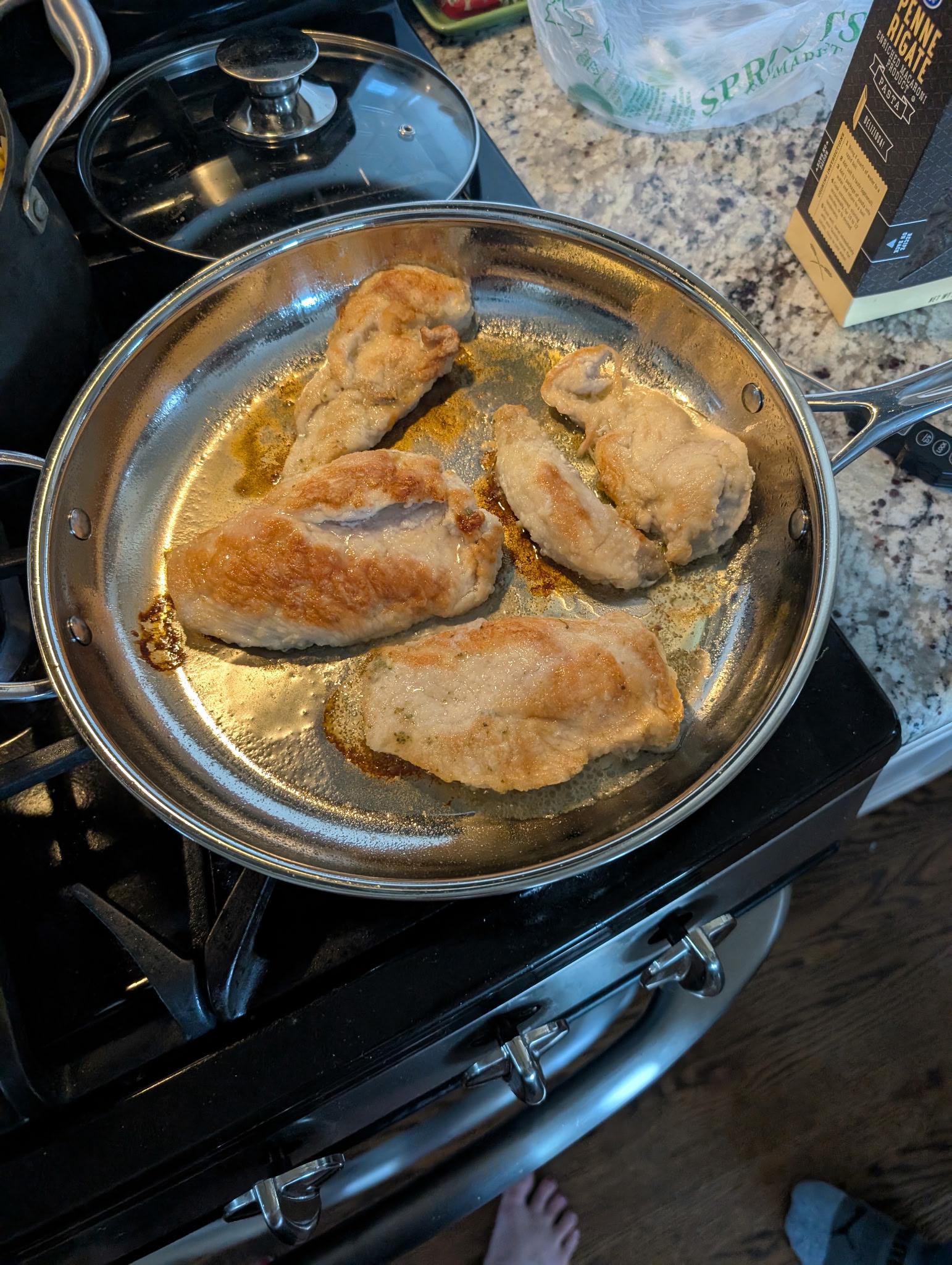
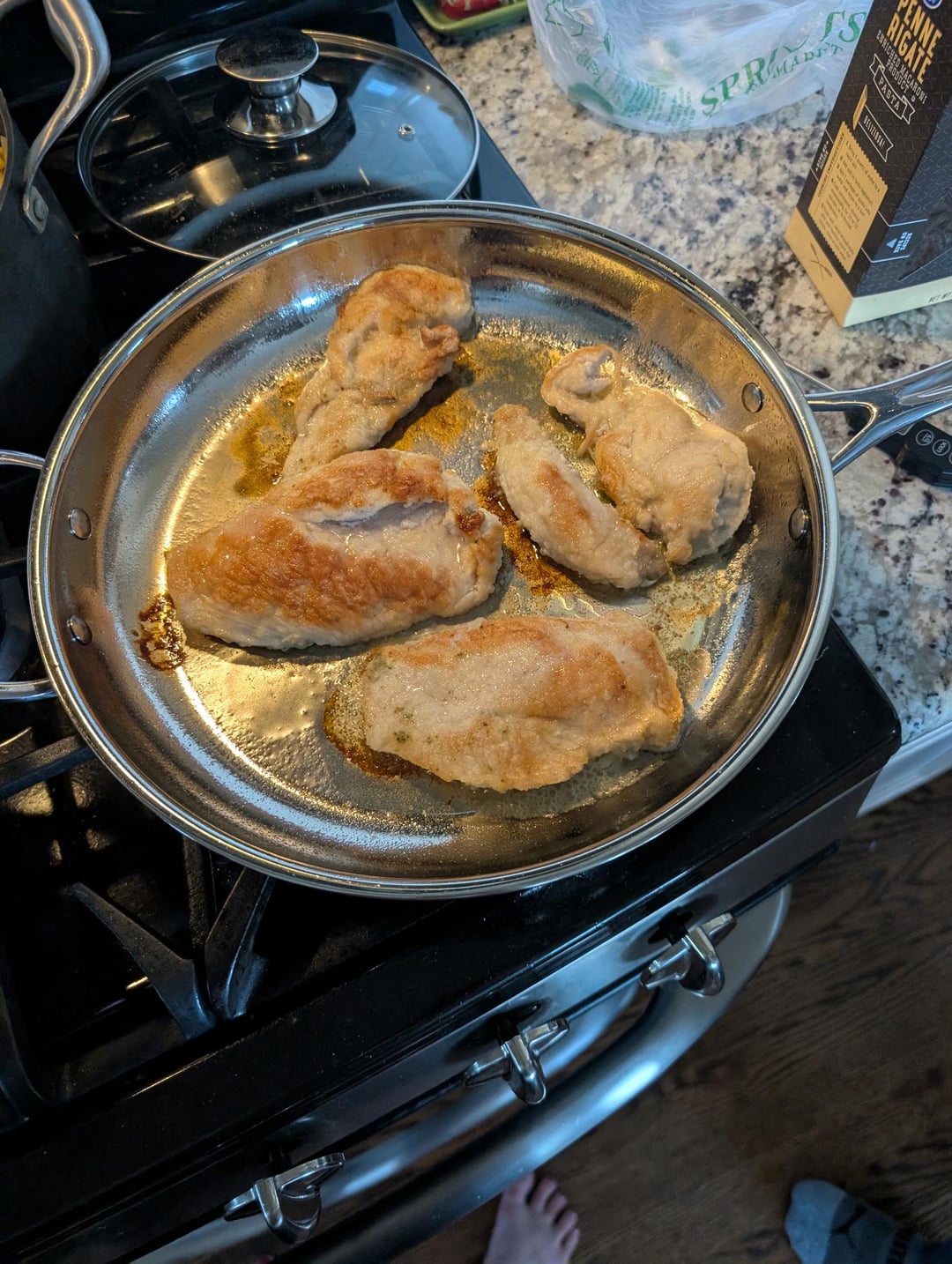
I noticed a big shift when switching from a cheap nonstick to a bonded stainless-steel set. Food browned better, and deglazing produced richer pan sauces. That’s a core part of the expensive vs cheap cookware difference.
Maintenance, safety, and health
Care needs vary a lot. Here’s what to expect:
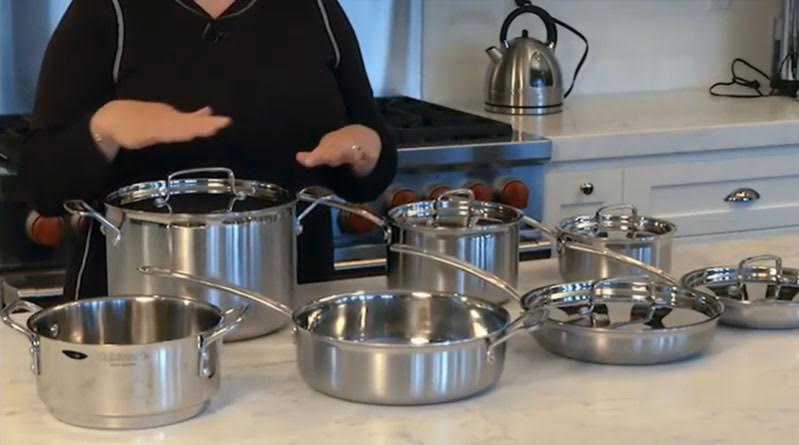
- Cleaning: Cheap nonstick often needs gentle care. High-end stainless tolerates scrubbing and high heat.
- Reactivity: Aluminum can react with acidic foods if uncoated. Stainless and enameled cast iron avoid that.
- Coating safety: Worn nonstick coatings can flake. Premium brands use more durable layers and test for safety.
- Repairs: Cast iron can be re-seasoned. Other cheap pans are often not worth repairing.
Be honest: if you don’t want to polish or re-season, choose low-maintenance stainless or enameled cast iron. That choice reduces frustration and shows the practical side of the expensive vs cheap cookware difference.
When to buy expensive vs cheap cookware
Match the pan to your needs and habits. Consider these scenarios:
- Buy expensive when:
- You cook daily or for guests.
- You want even heat, lifetime value, and good warranties.
- You want a pan that improves technique (searing, sauce-making).
- Buy cheap when:
- You cook rarely or for small tasks.
- You need a temporary solution, travel kit, or backup pan.
- You want to try a cookware type before investing.
A friend who rents and moves often chose cheap sets to avoid loss. My tip: if you value results and longevity, lean toward higher quality. This practical framing helps you weigh the expensive vs cheap cookware difference for your life.
How to evaluate value: a simple checklist
Use this quick checklist before buying:
- Material and construction: Is it multi-clad or thin single-layer?
- Heat conductance: Will it heat evenly for your cooking?
- Weight and balance: Can you comfortably handle it when full?
- Coating type and durability: Is the nonstick rated for long life?
- Warranty and repair options: Does the brand stand behind the product?
- Price per use: Estimate years of use and divide the cost.
Follow this checklist to separate marketing from real value. It helps you see where the expensive vs cheap cookware difference truly matters.
Common questions people ask while deciding
Q: Will an expensive pan make me a better cook?
A: It helps by giving better heat control and consistent results, but skill and technique matter most. A good pan reduces frustration while learning.
Q: Are nonstick pans worth the higher price?
A: Premium nonstick lasts longer and resists scratching better. Cheap nonstick may fail quickly and cost more over time.
Q: Does thicker always mean better?
A: Thicker usually improves heat stability and durability. But extreme thickness can slow responsiveness and add weight.
Frequently Asked Questions of expensive vs cheap cookware difference
What is the main difference between expensive vs cheap cookware difference?
Expensive cookware uses higher-grade materials and better construction. Cheap cookware often sacrifices thickness and finish for a lower price.
Does expensive cookware cook food faster?
Not always faster, but it heats more evenly and holds temperature better, which improves cooking control and results.
Can I get good results with cheap cookware?
Yes. You can cook well with inexpensive pans by managing heat and using techniques like preheating and oil control.
How should I maintain expensive cookware differently?
Follow manufacturer care: avoid harsh scrubbing on nonstick, season cast iron, and use proper cleaners for stainless steel to keep finish and function.
Is warranty a strong indicator of quality?
Often yes. Longer, clearer warranties usually signal confidence in materials and construction, which ties to real durability.
Should I replace nonstick if it chips or peels?
Yes. Chipped or peeling nonstick can release particles and lose performance. Replace when coating shows damage.
Are branded expensive sets always worth it?
Not always. Some high-priced sets add branding cost. Check materials, clad layers, and reviews to confirm value.
Conclusion
Understanding the expensive vs cheap cookware difference helps you buy smarter. Focus on material, construction, and how you cook. A higher upfront cost often pays off in performance and lifespan, but cheap options can be practical for light use or testing a style. Use the checklist, weigh warranties, and match the pan to your habits. Try one quality piece first and see how it changes your cooking. Share your experience, subscribe for more kitchen guides, or leave a comment about the pans you love or regret.