HexClad blends nonstick convenience with stainless-steel strength; stainless steel wins on pure searing and longevity.
As a cook and long-time product tester, I’ve spent years comparing HexClad vs stainless steel cookware review results in home and professional kitchens. I’ll walk you through materials, performance, cleaning, safety, price, and real-world tests so you can pick the best pans for your cooking style.
HexClad vs stainless steel cookware review: quick comparison and verdict
HexClad brings a hybrid surface that aims to combine nonstick ease with stainless steel durability. Traditional stainless steel pans offer unmatched searing, simpler construction, and long life but need more oil and skill.
What to expect from this hexclad vs stainless steel cookware review:
- Clear side-by-side strengths and weaknesses.
- Practical tests and real cooking notes.
- Buying and care tips to get the most from either choice.
Construction and materials explained
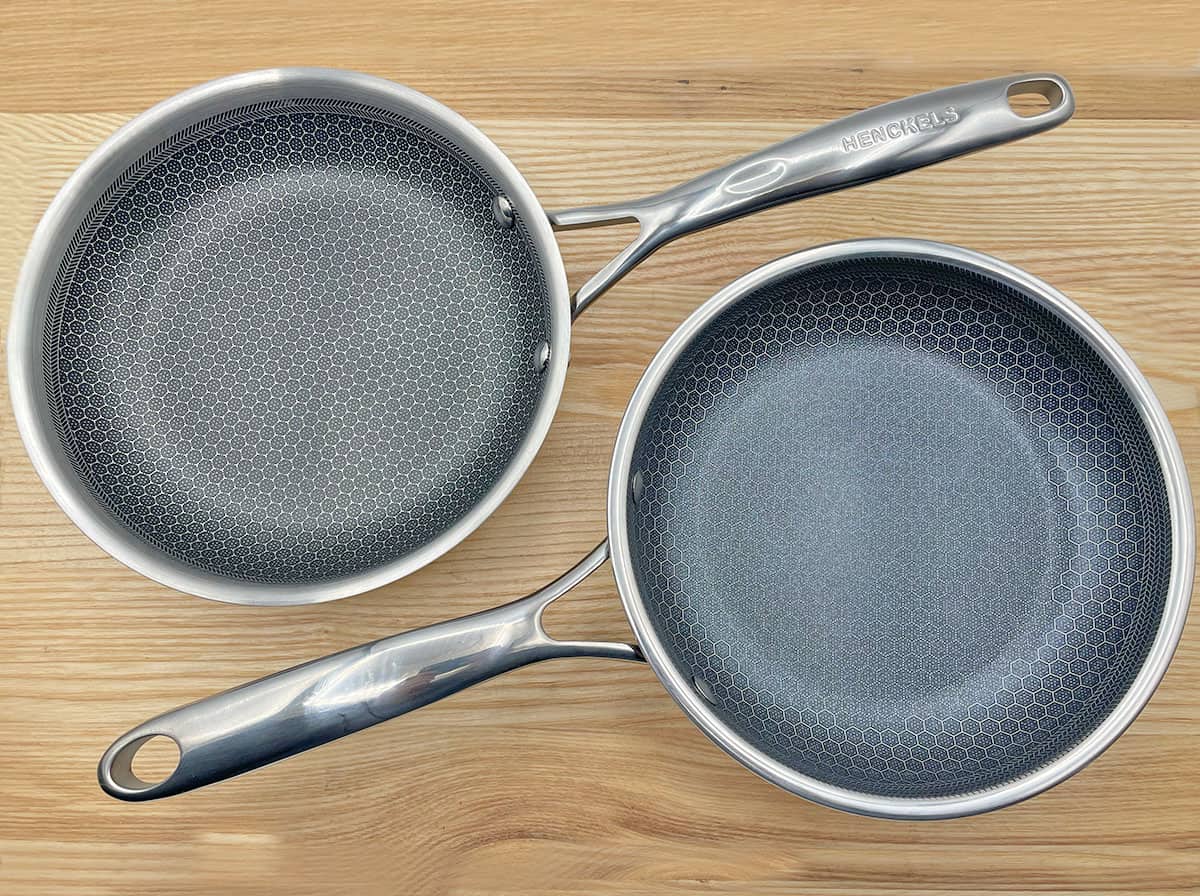
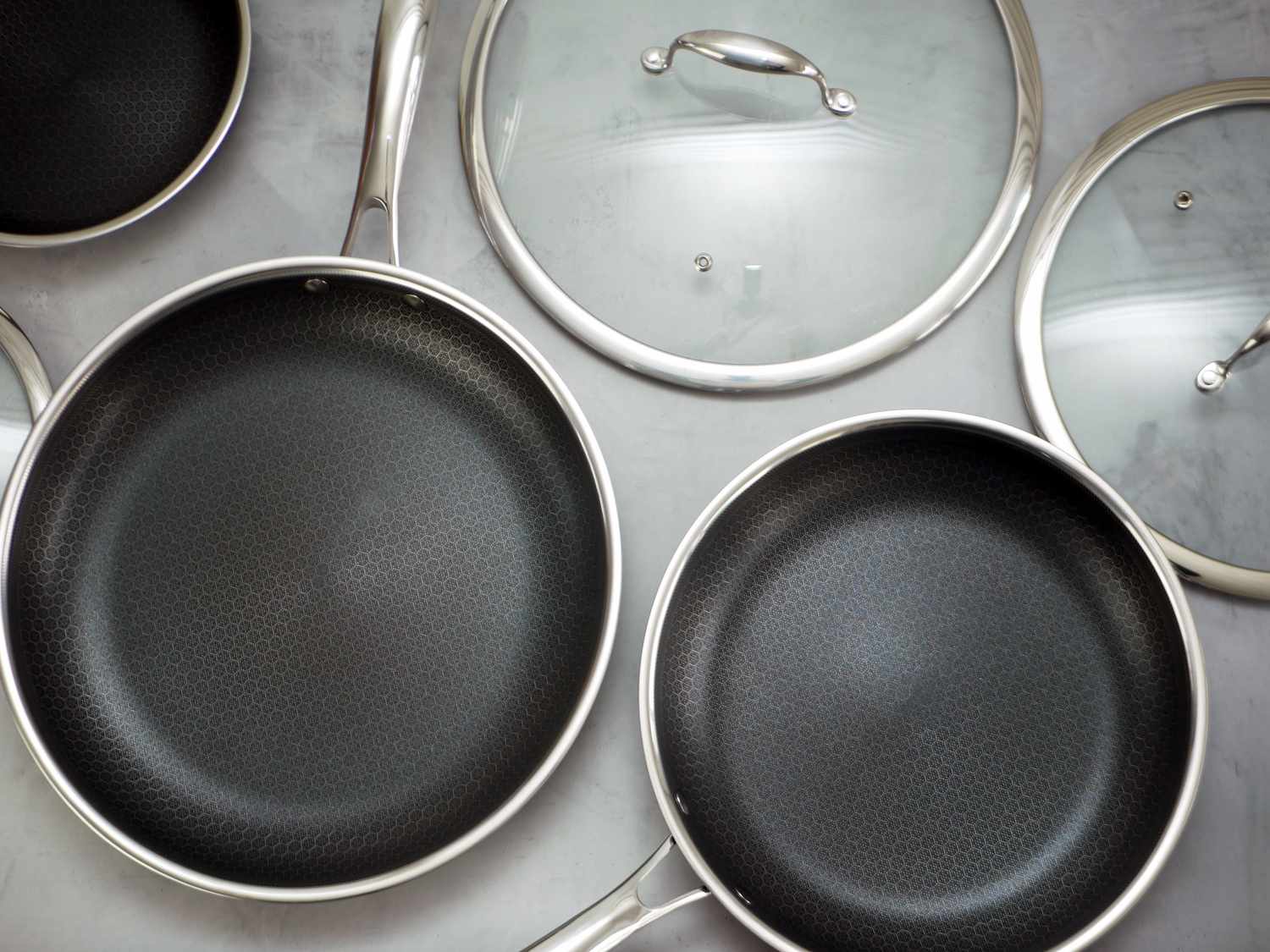
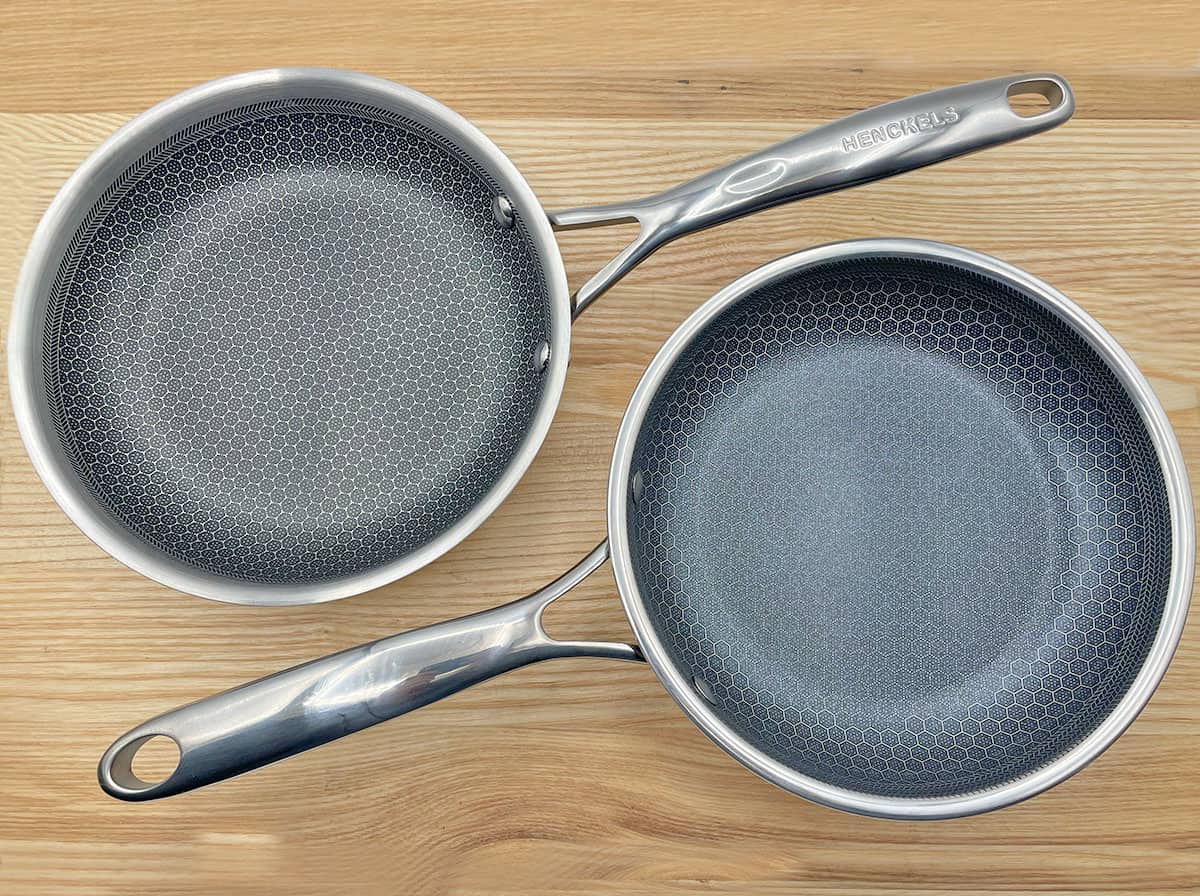
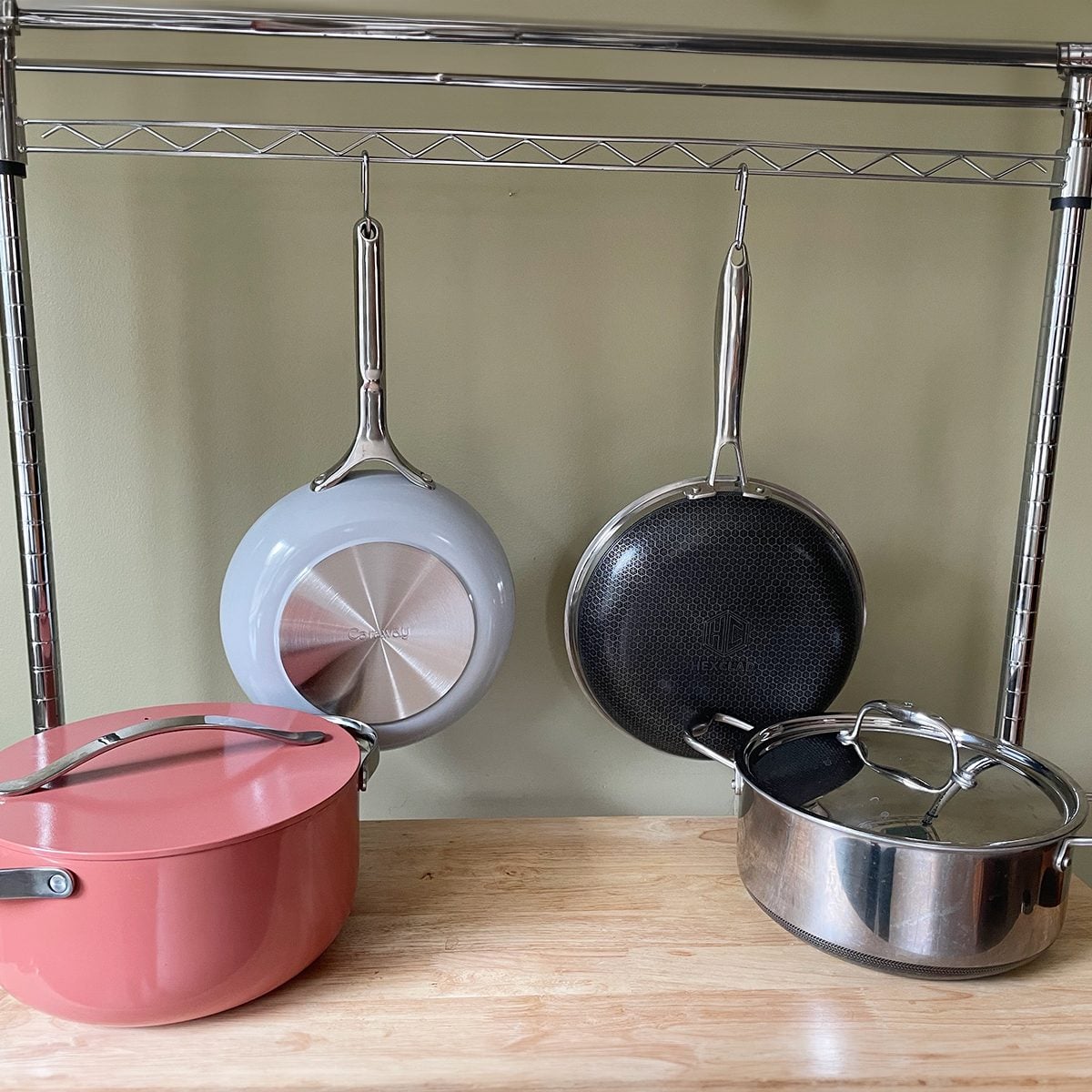
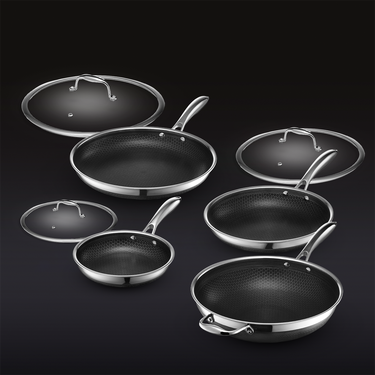
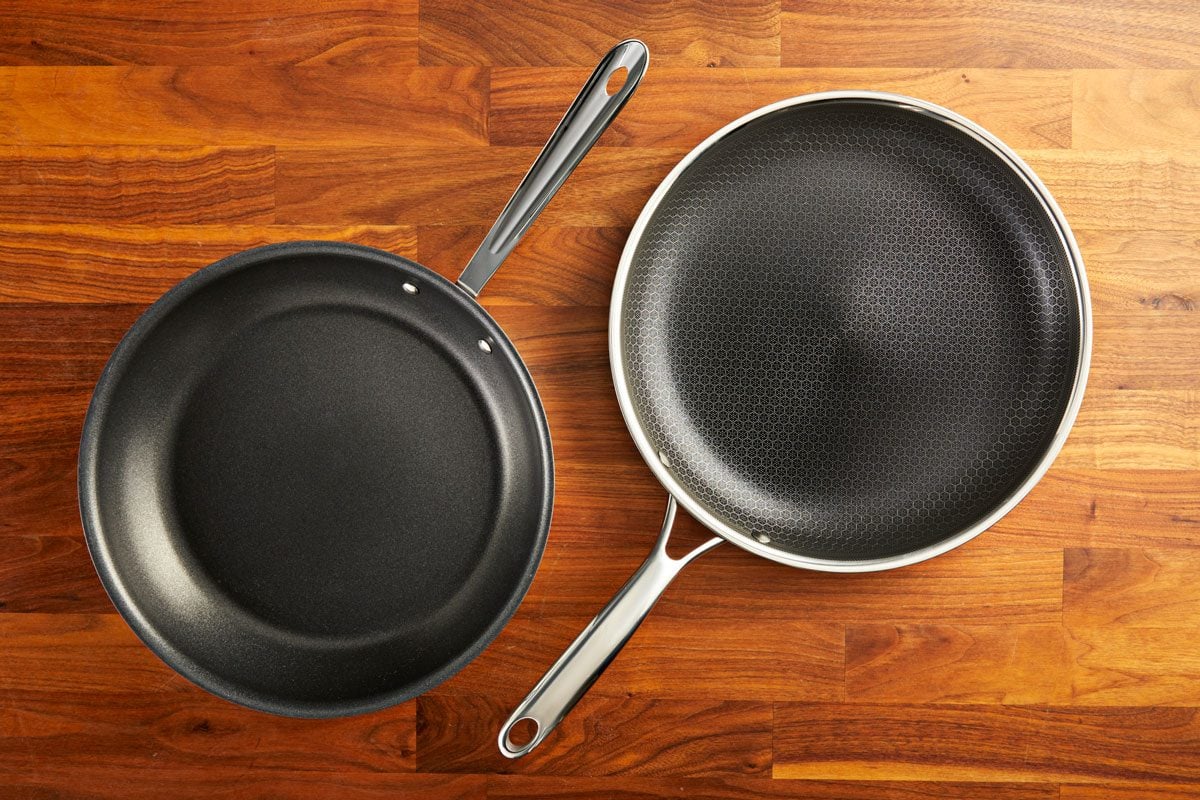
HexClad vs stainless steel cookware review starts with how each is built. HexClad pans use a multilayer design. They sandwich aluminum between magnetic stainless steel layers. The cooking surface shows a hex-pattern of raised stainless peaks and recessed nonstick zones. This creates a hybrid finish that aims to protect and release food.
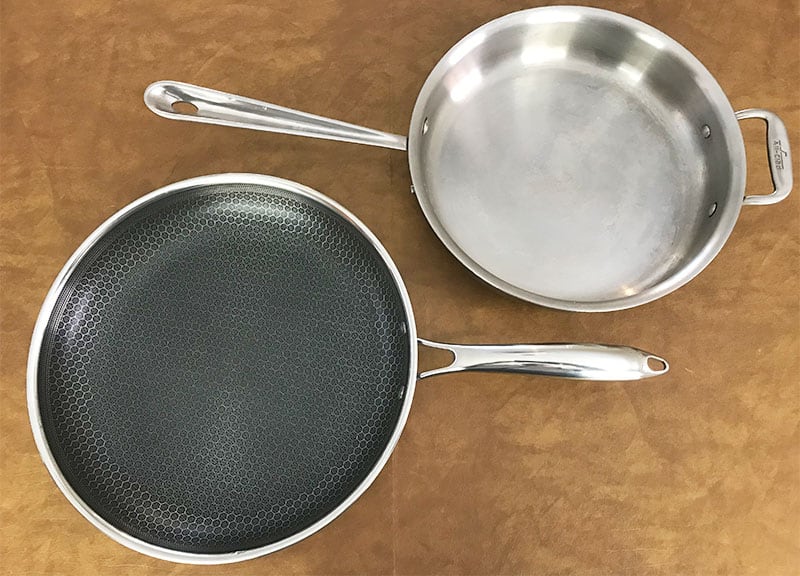
Traditional stainless steel cookware is usually 18/10 stainless or similar. It can be single-ply stainless, tri-ply, or 5-ply with aluminum or copper cores for heat conduction. Stainless steel surfaces are fully metallic with no nonstick coating. That gives a plain, high-heat surface for browning and deglazing.
Heat performance and cooking results
Searing and browning
- Stainless steel pans excel at high-heat sears and crust formation. They tolerate very high heat without damage.
- HexClad performs well for searing but can show slightly less intense crust compared to bare stainless peaks.
Heat distribution and responsiveness
- Stainless-steel with aluminum or copper cores heats evenly and responds fast to flame changes.
- HexClad’s aluminum core delivers even heat too, and the layered build reduces hot spots.
Sticking and release
- HexClad reduces sticking thanks to its recessed nonstick zones. It allows lower oil use and easier flip-and-release.
- Stainless steel needs more oil and technique to prevent sticking but rewards you with better fond for pan sauces.
PAA-style questions:
Is HexClad better for eggs and pancakes?
HexClad is easier for delicate items like eggs and pancakes because of its hybrid release. Stainless steel requires more fat and careful temperature control.
Will stainless steel give better crust on steak?
Yes. Pure stainless steel gives a slightly superior crust for steaks because the full metal surface contact allows higher, drier searing.
Durability, maintenance, and cleaning
Durability
- HexClad is designed to be magnetic, metal-utensil safe, and scratch-resistant. The nonstick areas are protected in the hex pattern.
- Stainless steel is highly durable and resists chipping or coating wear. It often outlasts most coated pans.
Cleaning and upkeep
- HexClad cleans easier for sticky foods. It is dishwasher safe, though hand washing extends life.
- Stainless steel can trap food and need scrubbing or deglazing. It is dishwasher safe but may discolor; simple polish can restore shine.
Maintenance tips from my experience:
- Allow stainless pans to heat before adding oil to reduce sticking.
- Avoid stacking HexClad without protection to prevent surface wear.
- Use a soft scrub pad and baking soda for stubborn stainless steel stains.
Health, safety, and materials concerns
Safety and coatings
- HexClad’s hybrid surface is not a traditional PTFE coating. It combines stainless and nonstick zones. It’s marketed as safe at normal cooking temperatures.
- Stainless steel has no coating, so there’s no concern about nonstick breakdown.
Reactivity and leaching
- Stainless steel is non-reactive for most foods. Acidic dishes can be cooked safely without altering taste.
- HexClad’s stainless top layer keeps food contact metallic and non-reactive while offering release properties.
Transparency and limits
- No cookware is invincible. Very high-temperature abuse can harm some finishes. I always recommend moderate heat with any nonstick or hybrid pan.
Price, warranty, and long-term value
Price comparison
- HexClad sits in the mid-to-high price range, often billed as a premium hybrid option.
- Stainless-steel sets vary widely. A high-quality tri-ply set can match or exceed HexClad pricing.
Warranty and service
- HexClad typically offers solid warranties and customer support for surface issues.
- Reputable stainless steel brands also offer strong warranties and often easier repair or replacement options.
Value judgment
- For cooks who want easy release plus good searing, HexClad can be a strong value despite higher cost. For longevity and top searing performance, straight stainless steel often gives better lifetime value.
My cooking tests and personal experience
I used HexClad pans and stainless steel pans for months. I cooked eggs, fish, steaks, sauces, and weeknight stir-fries.
What I learned
- HexClad made eggs and sticky sauces easier to cook and clean. I used less oil and spent less time scraping pans.
- Stainless steel gave the best steak sears and the richest deglazed sauces. The fond made sauces taste deeper.
- Over time, HexClad showed minimal wear if I avoided abrasive pads. Stainless steel remained rugged but required more elbow grease after tough burns.
Practical tip from my kitchen
- Own both. Use HexClad for eggs, pancakes, and sticky foods. Use stainless steel for searing, caramelizing, and high-heat techniques.
How to choose: checklist and buying guide
Ask these questions before you buy
- What do you cook most often? Pick HexClad for eggs and low-oil cooking; pick stainless for steaks and high-heat work.
- Do you want low maintenance? HexClad is easier to clean.
- What is your budget? Compare tri-ply stainless sets versus HexClad bundles.
Shopping checklist
- Look for even-weight pans with a solid base.
- Check warranty terms and customer service.
- Read real-user reviews for long-term wear reports.
Care checklist
- Preheat pans before adding oil.
- Avoid aerosol cooking sprays on hybrid surfaces.
- Use wooden or silicone tools with HexClad if you want extra caution.
Common use cases and best picks
Best for beginners
- HexClad vs stainless steel cookware review often shows HexClad as more forgiving and user-friendly.
Best for pros and searing
- Pure stainless steel remains the choice for chefs who prioritize high-heat searing and maximum control.
Best for budgets
- A quality tri-ply stainless set can be more cost-effective over decades.
Frequently Asked Questions of hexclad vs stainless steel cookware review
What is the main difference between HexClad and stainless steel?
HexClad is a hybrid pan with a patterned stainless surface and nonstick recesses. Stainless steel pans are fully metallic and use no nonstick zones.
Can HexClad replace my stainless-steel pans?
HexClad covers many tasks but may not fully match stainless steel for very high-heat searing. Many cooks keep both for different jobs.
Is HexClad safe at high temperatures?
HexClad is built to handle normal cooking heat. Avoid leaving it empty on very high heat for long periods to protect the finish.
How do I clean burned-on food from stainless steel?
Use hot water, dish soap, and a gentle scrub. For tough burns, simmer water and baking soda, then deglaze with vinegar or wine.
Are HexClad pans worth the price?
If you value easy release and lower oil use plus decent searing, HexClad can be worth the cost. For pure longevity and maximum sear, classic stainless steel may be better value long term.
Conclusion
After testing and practical use, the hexclad vs stainless steel cookware review shows clear trade-offs. HexClad offers hybrid convenience, easier cleanup, and good searing while stainless steel delivers top-level browning, nonreactive cooking, and long-term durability. Choose HexClad if you want easier release and less fuss. Choose stainless steel if you prize searing control and timeless durability.
Take a small action today: list the meals you cook most and pick the pan that suits those needs. If you want both convenience and pro-level results, consider one HexClad pan and one tri-ply stainless skillet. Leave a comment below with your kitchen priorities or subscribe for more hands-on cookware reviews.