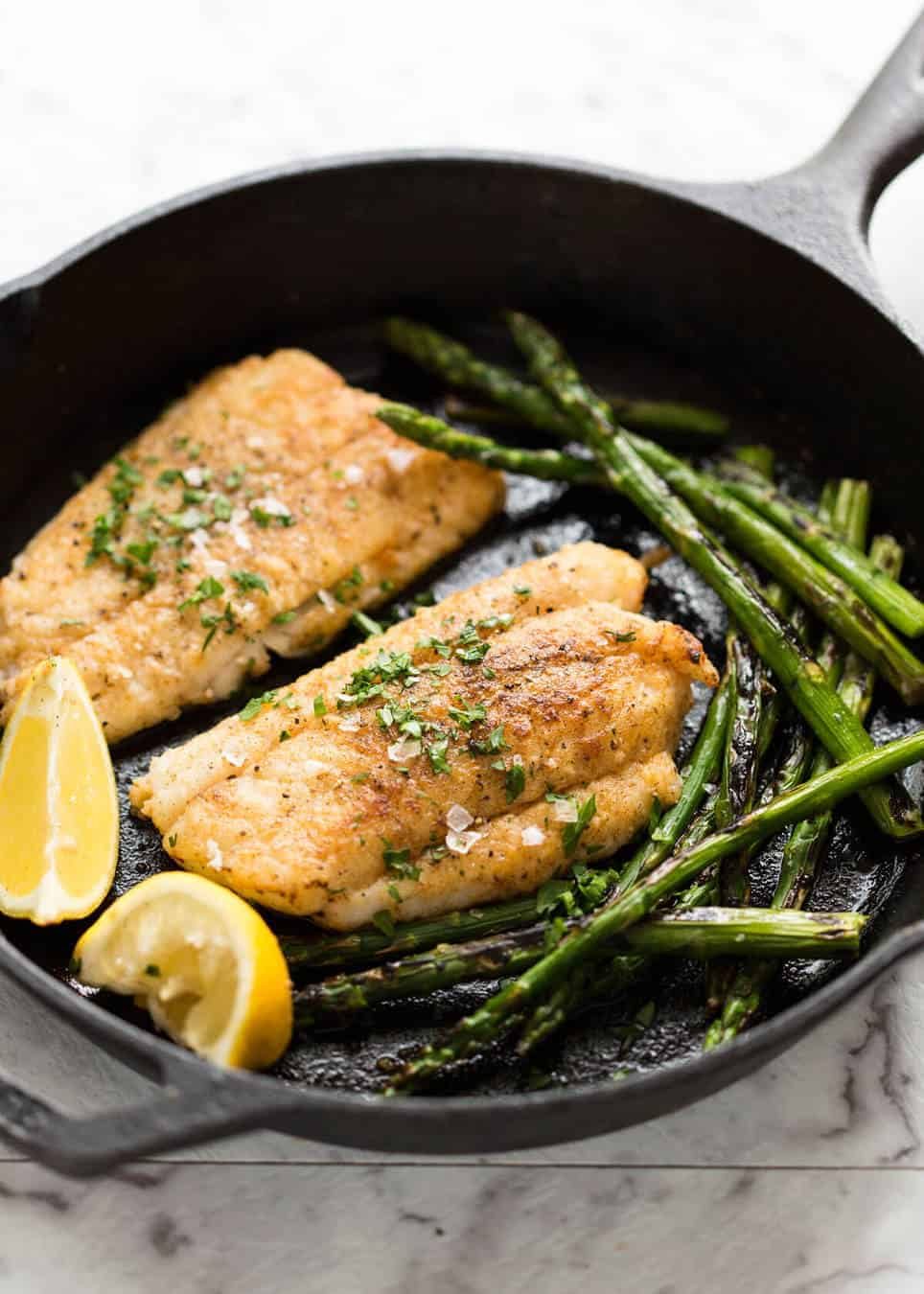
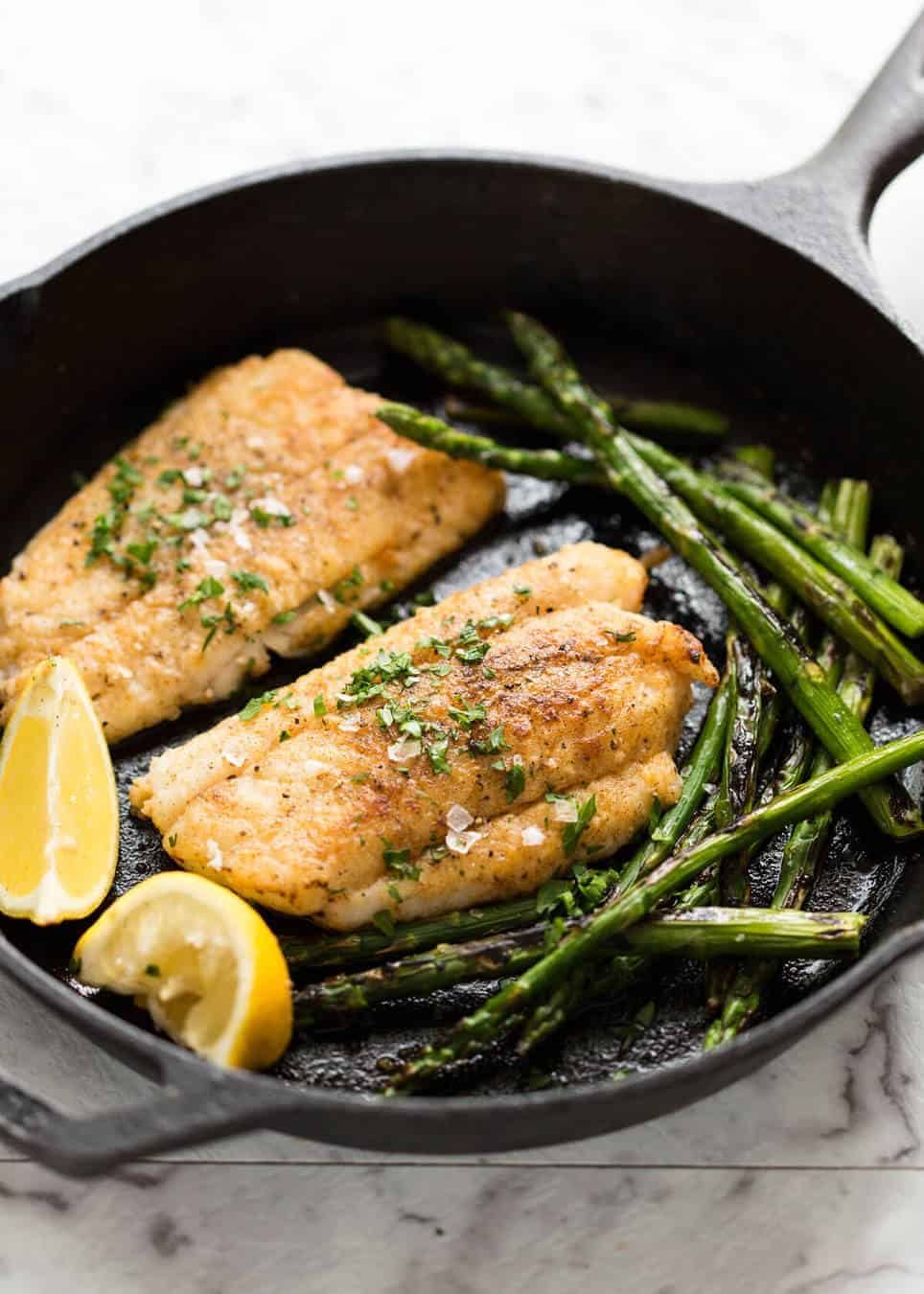
Cast-iron, carbon steel, and high-quality nonstick pans are the top picks for cooking fish without sticking.
I’ve cooked hundreds of whole fish, fillets, and delicate fillets over the years. I know what makes a pan release fish cleanly. This guide explains which pans work best for cooking fish without sticking, why they work, and how to use and care for them. Expect clear, proven advice, real-world tips from my kitchen, and easy steps you can apply tonight to fry, sear, or sauté fish with confidence.
Why fish sticks and why the right pan matters
Fish sticks when proteins bond to the pan surface during high heat. Thin fish fillets are fragile. They break apart when stuck. A good pan reduces contact, spreads heat, and supports a clean release.
Common causes of sticking
- Moisture left on the fish prevents a proper sear.
- Pan not hot enough when fish hits the surface.
- Wrong surface material or poor maintenance.
- Using too little fat or moving the fish too soon.
Why choosing the best pans for cooking fish without sticking matters
- Saves time and reduces waste.
- Gives a better texture and color.
- Makes cleanup easier.
Choosing the right pan is half the battle.
Source: bestrecipebox.com
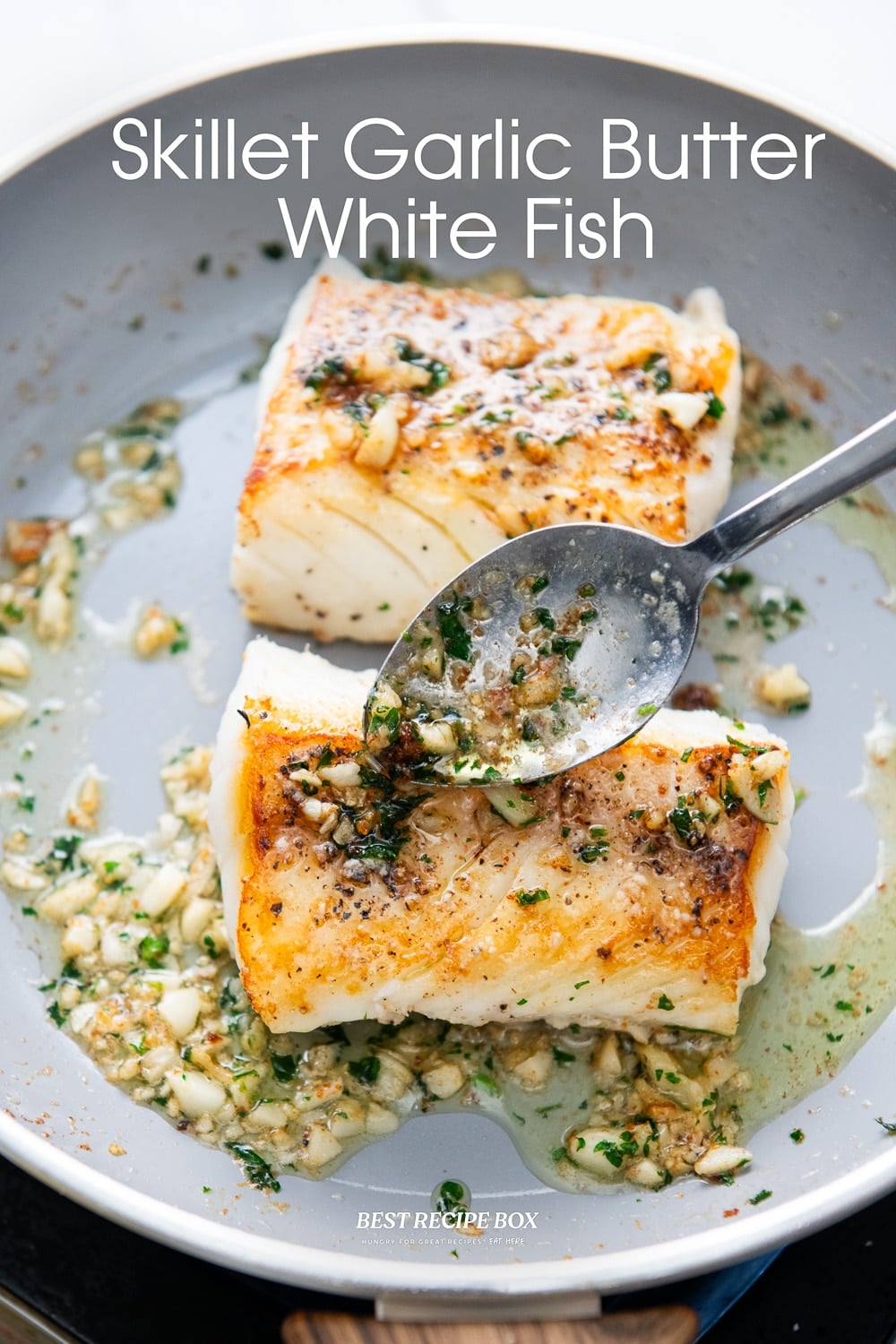
What to look for in the best pans for cooking fish without sticking
Pick pans that match fish type and cooking method. Look for these features.
Key features
- Smooth, flat surface for even contact.
- Good heat conduction for quick, even searing.
- Slightly heavy base to avoid hot spots.
- Low or no-reactivity for acidic sauces.
- Durable surface that tolerates a bit of oil and heat.
Surface types to consider
- Nonstick coatings let delicate fillets slide free.
- Seasoned cast iron or carbon steel forms a natural release when well cared for.
- High-quality stainless steel can work if you use proper technique.
Practical notes
- Handle and weight matter when flipping whole fish.
- A sloped side helps transfer fish onto plates.

Source: seriouseats.com
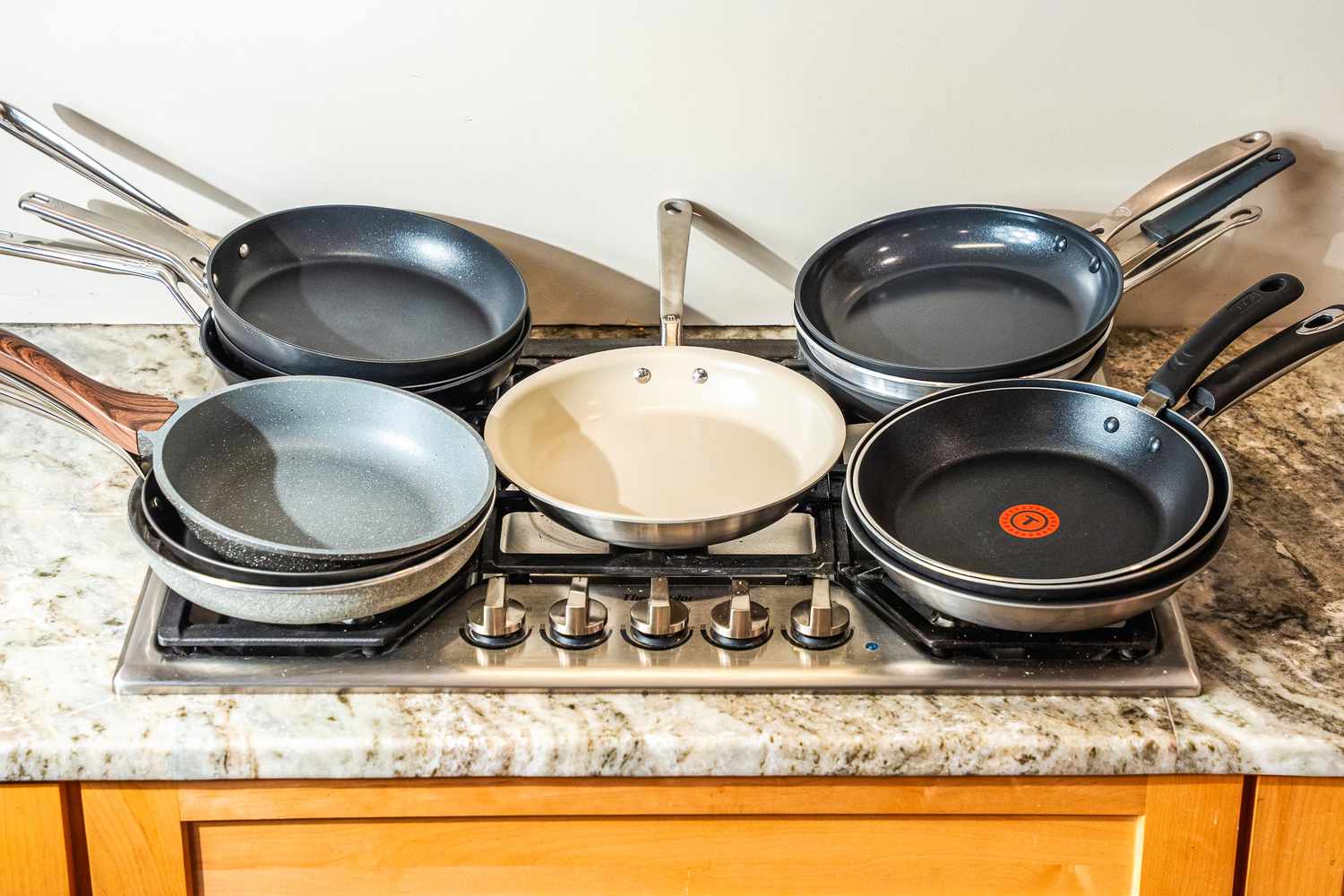
Top pan types for cooking fish without sticking
Below are the main pan types and how they perform for fish. I use several of these in my kitchen and will share what works best for each fish style.
Nonstick pans (PTFE and ceramic)
Pros
- Excellent immediate release for delicate fish.
- Easy cleanup and low-fat cooking.
Cons - PTFE coatings degrade at very high heat.
- Ceramic nonstick can wear faster.
Best uses - Thin fillets, tender fish like sole, tilapia, and trout.
Tips - Use medium heat and silicone or wooden tools.
- Replace when the surface shows wear.
Seasoned cast iron
Pros
- Great heat retention and natural nonstick when seasoned.
- Can handle high heat for crisped skin.
Cons - Heavy and needs care to stay seasoned.
Best uses - Thicker fillets, skin-on salmon, and whole small fish.
Tips - Dry fish well and use enough oil.
- Maintain seasoning with regular cooking and oiling.
Carbon steel
Pros
- Lighter than cast iron, heats fast, and seasons well.
- Excellent for high-heat searing and skin crisping.
Cons - Requires seasoning and dry storage.
Best uses - Skin-on fillets, larger fillets, and pan-roasted fish.
Tips - Heat properly until just smoking, then add oil and fish.
Stainless steel
Pros
- Durable, non-reactive, and great for deglazing.
Cons - Prone to sticking if not preheated well.
Best uses - Searing thicker fillets when technique is applied.
Tips - Preheat until hot, add oil, and wait for a natural release before flipping.
Hard-anodized aluminum
Pros
- Stable, durable, and often has a tough nonstick surface.
Cons - Quality varies between brands.
Best uses - Everyday fish cooking, where durability and release matter.
Tips - Treat like a hybrid between stainless steel and nonstick.
Source: foodandwine.com
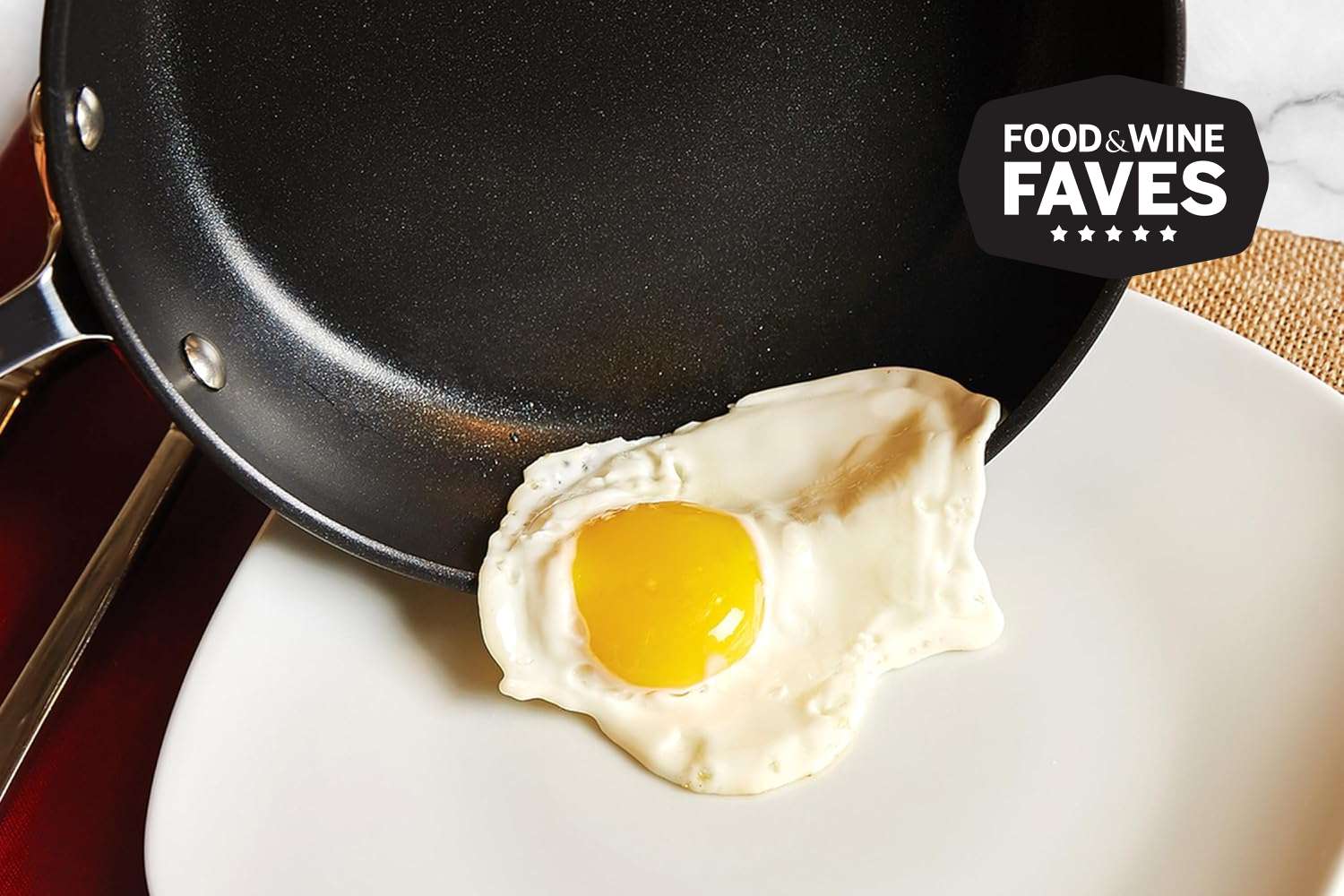
Specific pan recommendations and why they shine
Here are practical picks I recommend based on use case, durability, and release performance.
Recommended for delicate fillets
- High-quality nonstick 10-12 inch pan with sloped sides. These make flipping easy and reduce breakage.
Recommended for crispy skin
- Well-seasoned cast iron skillet, 10-12 inch. It holds heat for a crisp skin without tearing.
Recommended for quick sears and restaurant-style results
- Carbon steel pan, 10-11 inch. It heats fast and gives a great sear without heavy weight.
Recommended for multi-use and sauces
- 10-12 inch stainless steel sauté pan with thick base. It can deglaze and make pan sauces after browning fish.
Price and care notes
- You do not need to buy the most expensive pan. Mid-price, well-built pans often win in tests.
- Buy pans that match your cooktop (induction-compatible if needed).

Source: nytimes.com
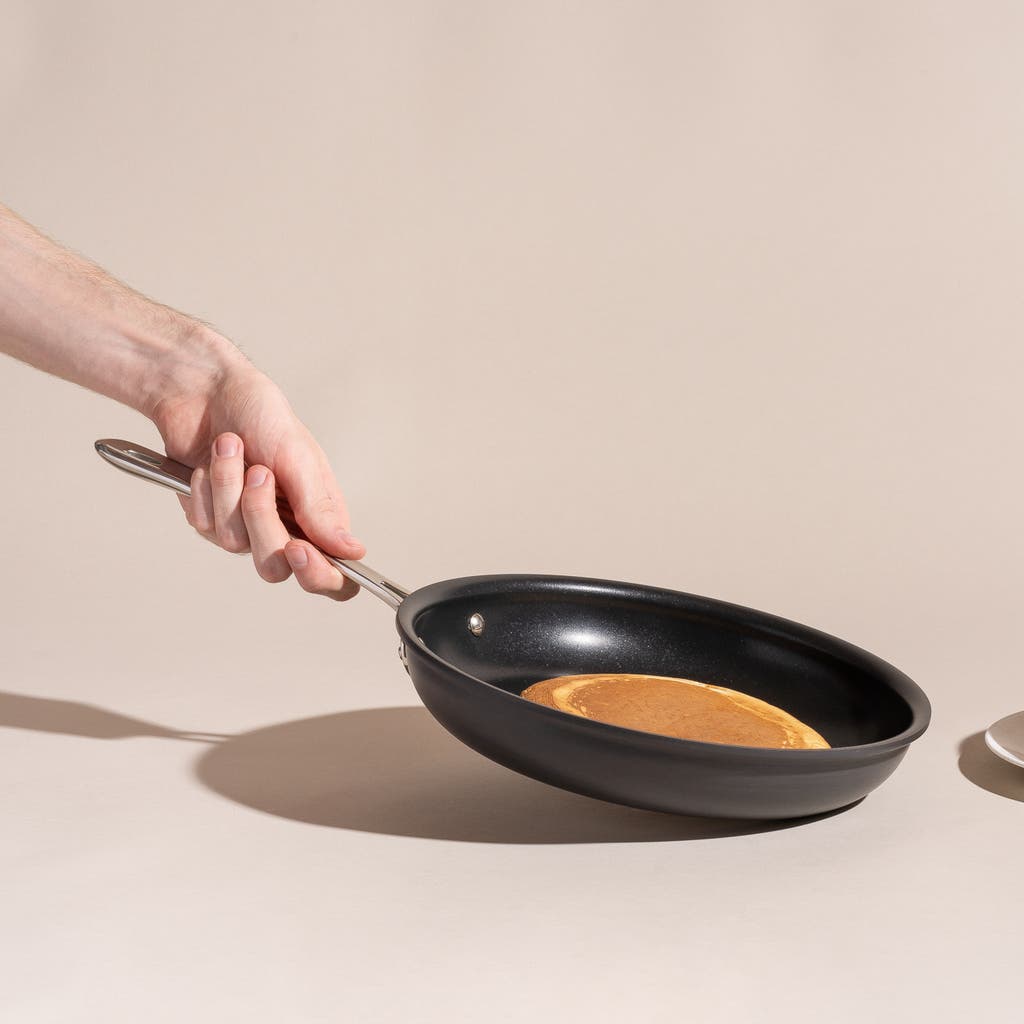
How to cook fish without sticking: step-by-step
A reliable method beats luck. Follow these steps and your fish will release cleanly.
Preparation
- Pat fish dry with paper towels.
- Season lightly and bring fish to room temp for 10–15 minutes.
- Choose oil with a high smoke point for high-heat searing.
Heat and oil
- Preheat pan over medium-high heat for 2–4 minutes.
- Add enough oil to coat the pan surface.
- Wait until oil shimmers or just begins to smoke.
Cooking
- Place fish away from you to avoid splatters.
- Press gently for the first 10–20 seconds to ensure contact.
- Wait until the fish releases naturally before flipping.
- Flip once for a clean finish.
Finishing
- Lower heat and add butter or aromatics if desired.
- For skin-on fish, finish in the oven if thick.
Personal tip from my kitchen
- I once flipped salmon too soon. It ripped and stuck badly. Now I let the fish form a crust before moving. This simple rule changed my results.

Source: thekitchn.com
Common mistakes and how to avoid them
Avoid these traps that ruin fish cookery.
Mistakes to avoid
- Putting wet fish in a cold pan.
- Using a pan that does not match the heat method.
- Turning fish too early.
- Using metal tools on delicate nonstick surfaces.
Quick fixes
- Dry fish well.
- Preheat properly.
- Use the right tool: a thin fish spatula helps a lot.
Source: foodandwine.com
Care and maintenance for best pans for cooking fish without sticking
Take care and your pan’s performance will improve over time.
Nonstick pans
- Use silicone, wood, or plastic tools.
- Hand wash gently to extend life.
Cast iron and carbon steel
- Keep them seasoned with a thin oil layer after use.
- Avoid soap and drying quickly to prevent rust.
Stainless and hard-anodized
- Clean with warm soapy water.
- Dry and store carefully.
Storage tips
- Use pan protectors to avoid scratching nonstick surfaces.
- Re-season if a pan starts losing its release.

Source: seriouseats.com
Frequently Asked Questions of best pans for cooking fish without sticking
What pan material is best for cooking fish without sticking?
Carbon steel, cast iron, and high-quality nonstick pans are top choices. Each offers a balance of heat control and release for different fish types.
Can stainless steel be used without fish sticking?
Yes, if you preheat the pan, add enough oil, and wait for a natural release before flipping. Proper technique matters more than the pan alone.
Is nonstick safe for high-heat searing of fish?
Avoid very high heat with most nonstick pans to protect the coating. Use medium to medium-high heat for delicate fillets instead.
How do I crisp fish skin without it sticking?
Use a heavy pan like cast iron or carbon steel, dry the skin well, preheat, and do not move the fish until the skin is crisp and releases on its own.
How often should I re-season a cast iron pan used for fish?
Season lightly after 3–5 uses or whenever food starts to stick. Regular cooking with oil maintains a good layer of seasoning.
Can I use metal spatulas on nonstick pans?
No. Metal tools can scratch and degrade nonstick coatings. Use thin metal fish spatulas only on seasoned cast iron or stainless steel.
Why does my fish stick even in a nonstick pan?
Possible reasons include cooking at too high heat, worn coating, or wet fish. Replace old nonstick pans and follow proper heat and oil steps.
Conclusion
Choosing the best pans for cooking fish without sticking will transform how your meals look and taste. Pick a pan that fits the fish and the method: nonstick for fragile fillets, carbon steel or cast iron for crisp skin, and stainless for deglazing and sauces. Practice preheating, drying the fish, and waiting for a natural release. Try one clear change tonight: preheat your pan longer and pat fish dry before cooking. You’ll see a big difference.
If this guide helped, try the method with a simple salmon fillet tonight and share your result below. Subscribe for more kitchen-tested tips and ask any questions you have about pans or techniques.