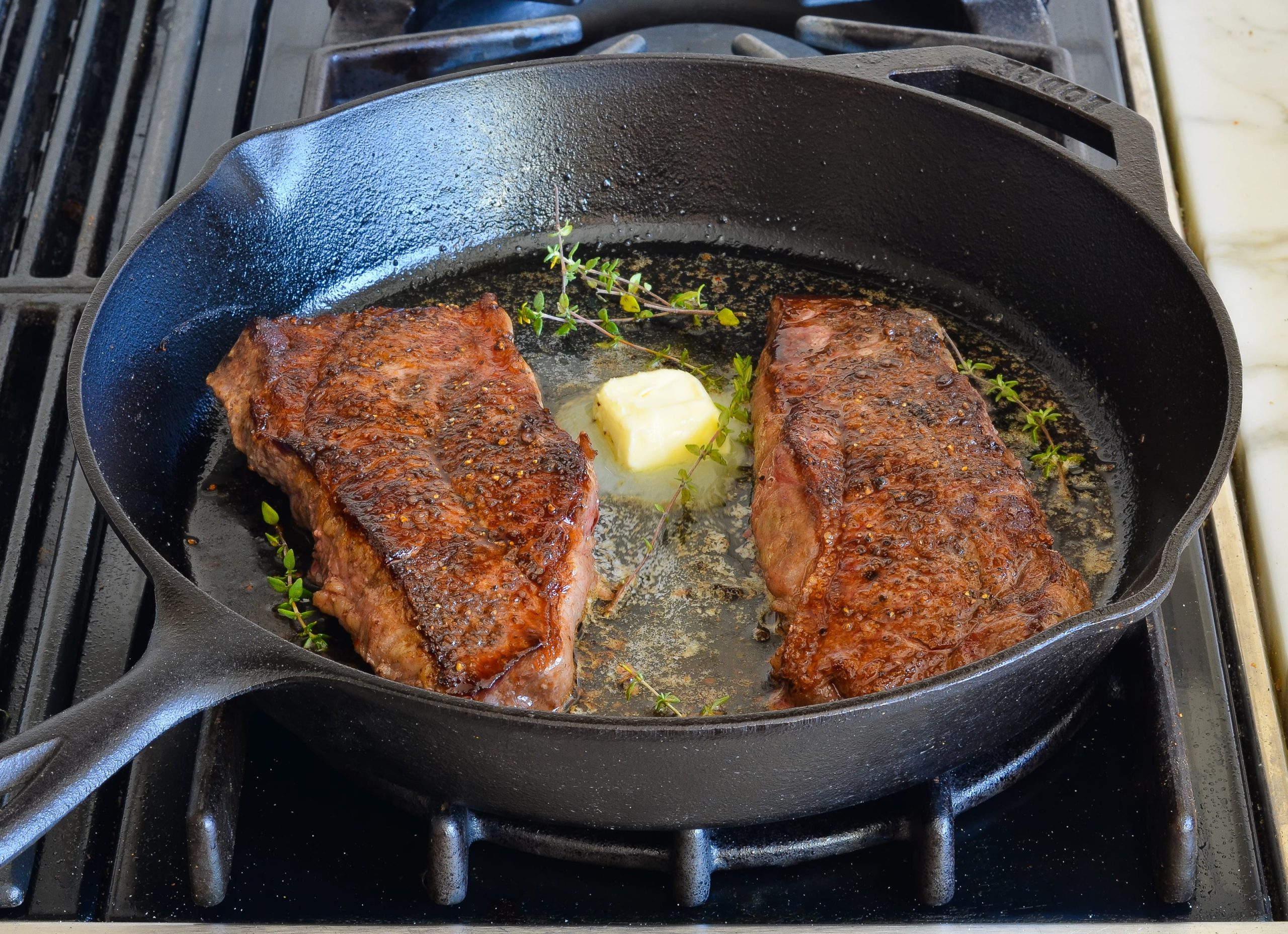
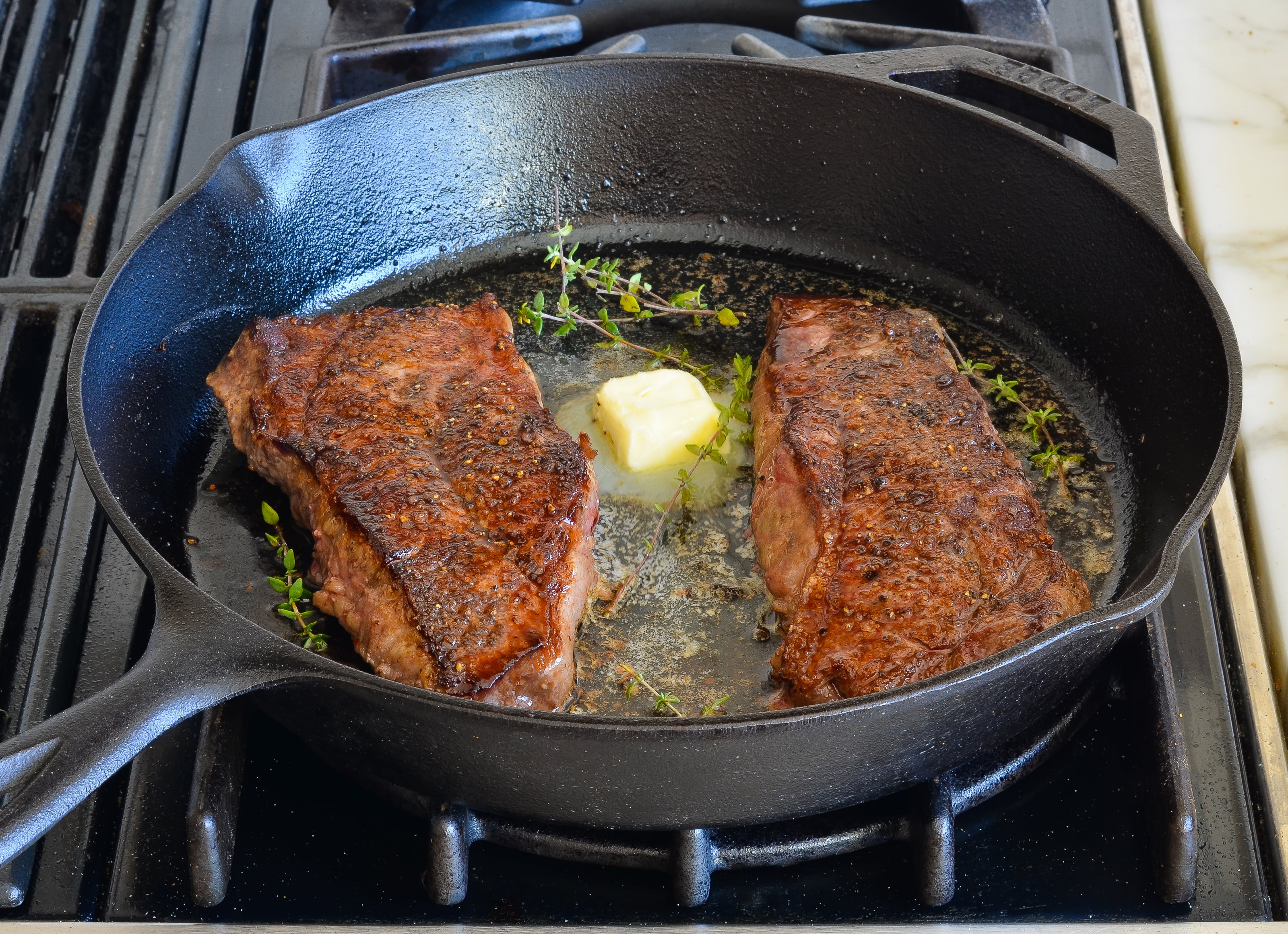
Cast-iron skillet is the best pan for cooking steak at home for a deep sear and rich flavor.
I’ve cooked hundreds of steaks for family, friends, and dinner guests. I know what makes a steak great. This guide explains which pan to pick, why it matters, and how to use it so your home steak tastes like a restaurant cut. Read on to learn the best pan for cooking steak at home and the practical steps to get perfect crust, even doneness, and big flavor every time.
Why pan choice matters for steak
Choosing the right pan changes how your steak sears, cooks, and tastes. Heat retention, surface contact, and evenness all affect the crust and internal texture. The best pan for cooking steak at home gives strong, even heat and a flat, wide surface to make a tight, delicious sear.
A poor pan leads to uneven browning, moisture loss, and a lackluster crust. Pick a pan that suits your stove and cooking routine for the best results.
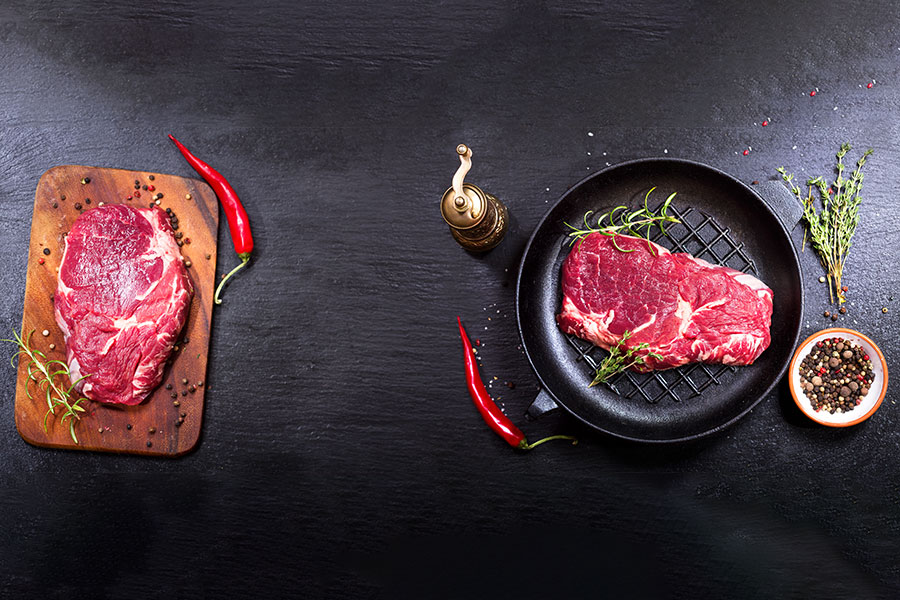
Top pan types for cooking steak at home
Here are the common pan types and how they perform for steak.
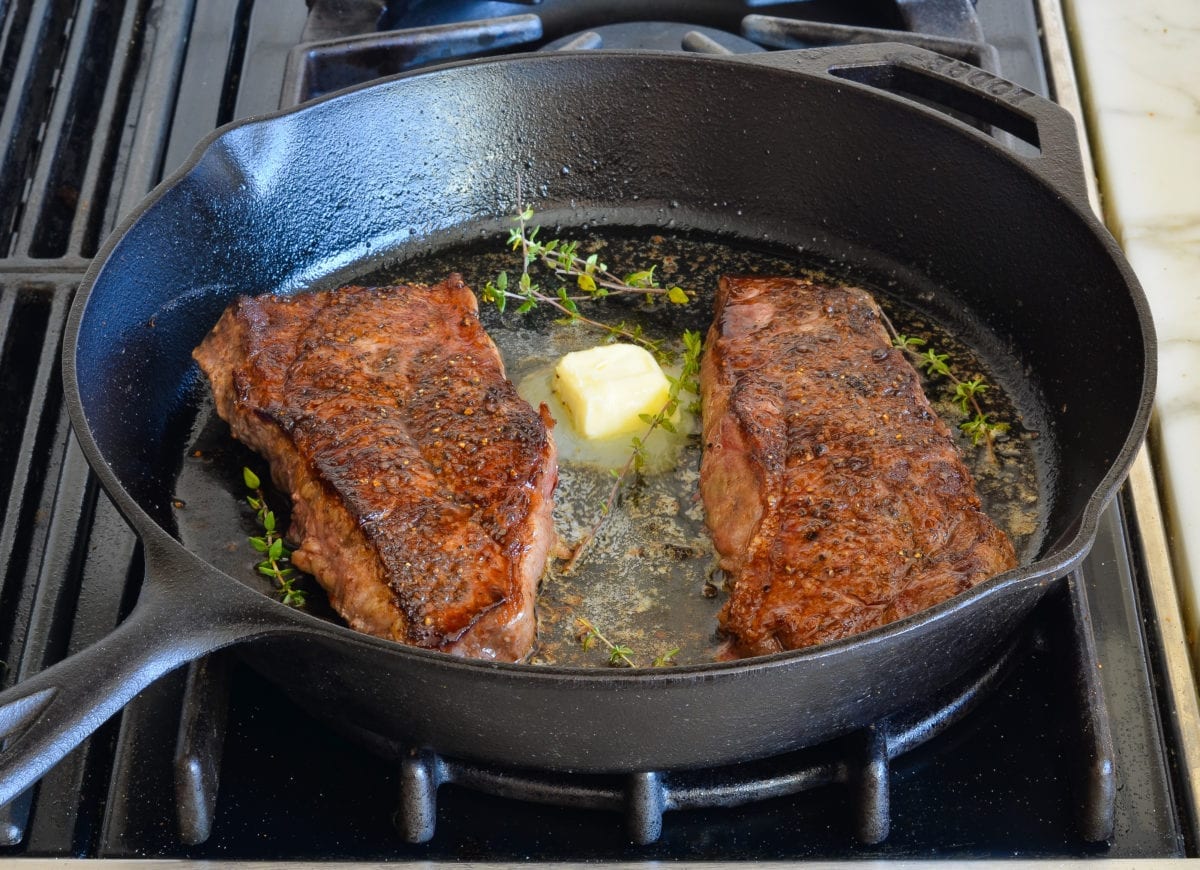
Cast-iron skillet
- Pros: Excellent heat retention, great sear, oven-safe, lasts decades.
- Cons: Heavy, needs seasoning, reactive with acidic foods if not seasoned.
- Why it’s often the best pan for cooking steak at home: It holds heat well and creates the caramelized crust you want.
Carbon steel pan
- Pros: Heats quickly, gets very hot, lighter than cast iron, seasons like cast iron.
- Cons: Warps with sudden temp changes, needs maintenance.
- Best when you want a fast, hot sear and a lighter pan than cast iron.
Stainless steel pan
- Pros: Nonreactive, easy to clean, good for basting, wide temperature range.
- Cons: Lower heat retention than cast iron, can stick without heat and oil control.
- Great for cooks who want precision and easy maintenance.
Nonstick pan
- Pros: Easy release, simple cleanup.
- Cons: Cannot reach the high sear temperatures safely, less crust.
- Use for delicate steaks only or if you prioritize cleanup over crust.
Grill pan
- Pros: Attractive grill marks, some airflow under steak.
- Cons: Less surface contact, smaller searing area, harder to get full crust.
- Good for the grilled look but not the deepest sear.
Copper pan
- Pros: Fast, precise temperature control.
- Cons: Expensive, needs polishing, not ideal for high-heat searing long-term.
- Use if you already have a copper set and want fine temp control.
Overall, if you ask which is the best pan for cooking steak at home, cast-iron and carbon steel are the top picks for searing.
Key features to look for in the best pan for cooking steak at home
A good pan has these features. Look for them when buying.
Thick, heavy base
- Ensures steady heat and prevents hot spots.
Flat, wide surface
- Gives full contact for even browning and allows room for the steak.
Good heat retention
- Keeps temperature when you add cold meat, so the pan doesn’t drop too low.
Oven-safe construction
- Lets you sear on the stove and finish in the oven for even doneness.
Durable material
- Cast iron, carbon steel, and heavy stainless steel usually last longer.
Comfortable, long handle
- Makes flipping and moving safe. Heat-resistant handles are a plus.
Nonreactive surface (for some cooks)
- Stainless steel avoids metallic taste with acidic marinades.

Source: seriouseats.com
- Stainless steel avoids metallic taste with acidic marinades.
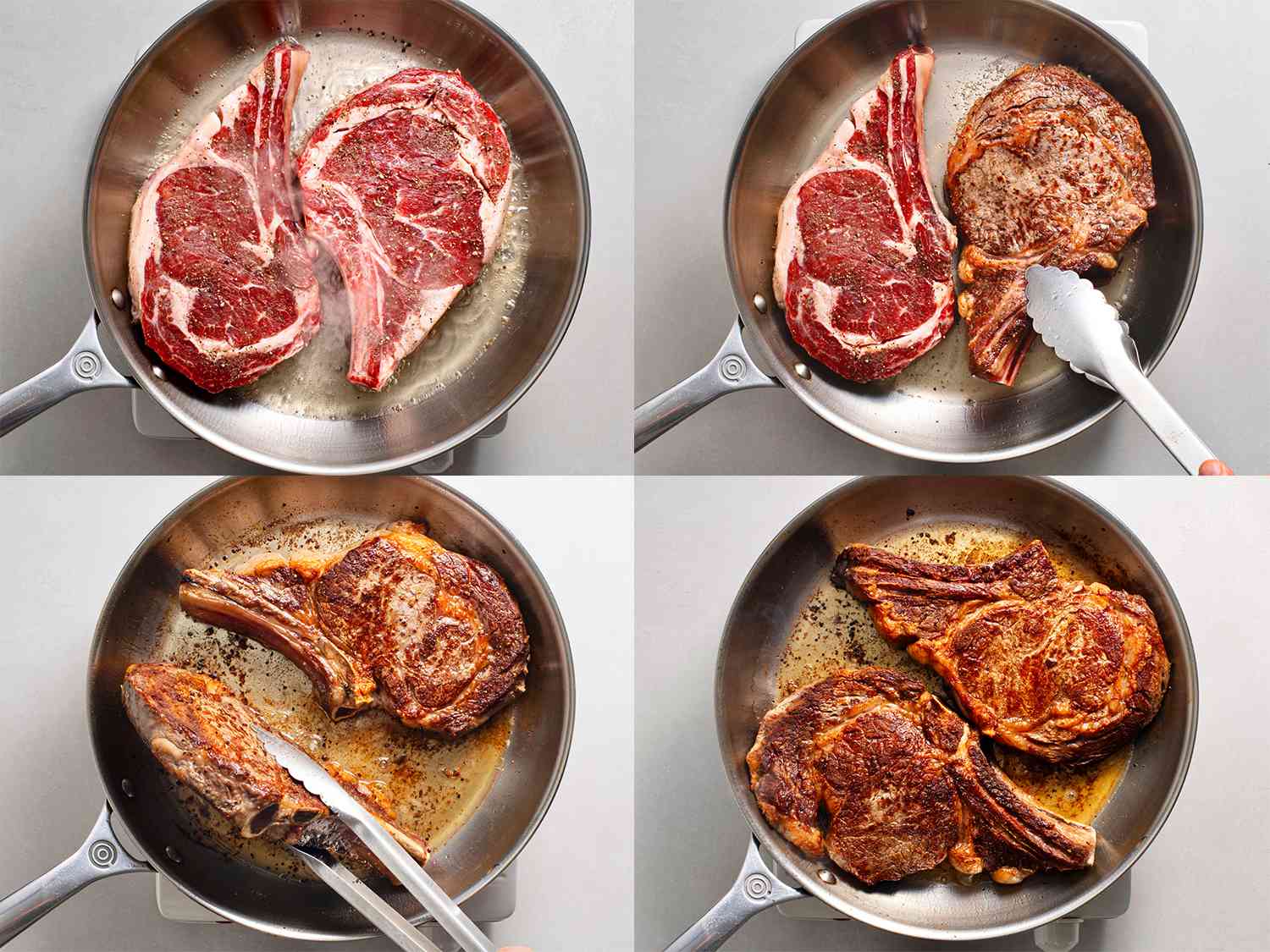
How to cook a perfect steak with the best pan for cooking steak at home
Follow these steps. I keep them short and clear from my own tests.
- Bring steak to room temperature for 30–60 minutes.
- Pat dry with paper towels to remove moisture. Moisture blocks browning.
- Season generously with salt and pepper just before cooking. Salt draws moisture if left too long.
- Preheat pan over medium-high heat for 5–7 minutes until smoking lightly. Hot pan equals great sear.
- Add a high-smoke-point oil and coat the surface. Swirl to coat.
- Place the steak and do not move for 2–3 minutes for a 1-inch steak. Use tongs to lift and check crust.
- Flip and sear the other side 2–3 minutes. For thick steaks, sear both sides then finish in a 400°F oven until the internal temp is your target.
- Use an instant-read thermometer: 120–125°F rare, 130–135°F medium-rare, 140–145°F medium.
- Rest the steak 5–10 minutes under loose foil. Resting lets juices redistribute.
Cooking times vary by thickness and pan. The best pan for cooking steak at home keeps heat steady so these times work reliably.
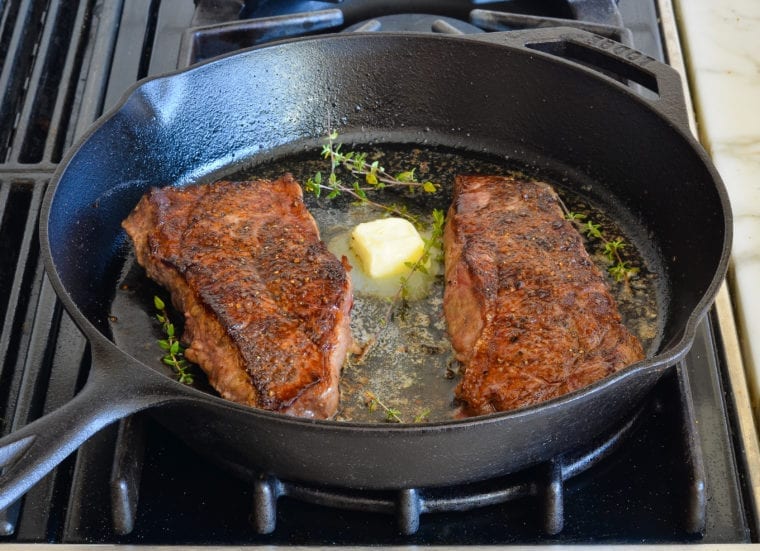
Care and maintenance by pan type
Caring for your pan keeps it working well and extends its life.
Cast iron care
- Clean with hot water and a stiff brush. Avoid soap or use sparingly.
- Dry immediately and apply a thin layer of oil to protect the seasoning.
- Re-season when food starts sticking or surface looks dull.
Carbon steel care
- Similar to cast iron. Dry and oil after cleaning.
- Heat and oil build a patina that improves release.
Stainless steel care
- Soak if stuck, scrub with nonabrasive pads, and use a splash of vinegar for color restoration.
- Avoid steel wool that may scratch polished surfaces.
Nonstick care
- Use wooden or silicone tools. Avoid high heat to preserve the coating. Replace when the surface is scratched.
Proper care helps any pan remain the best pan for cooking steak at home for many years.
Personal experience, tests, and common mistakes
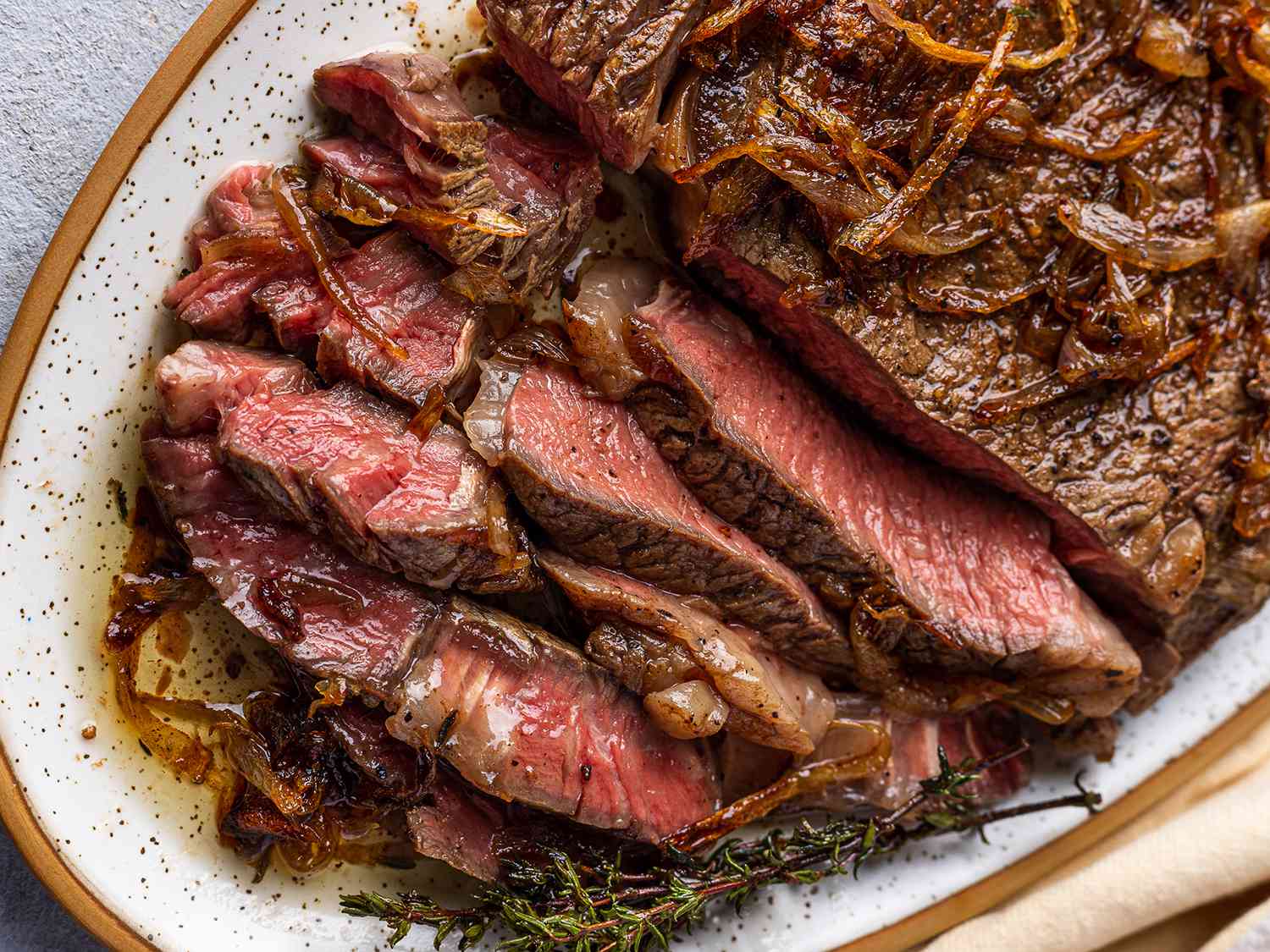
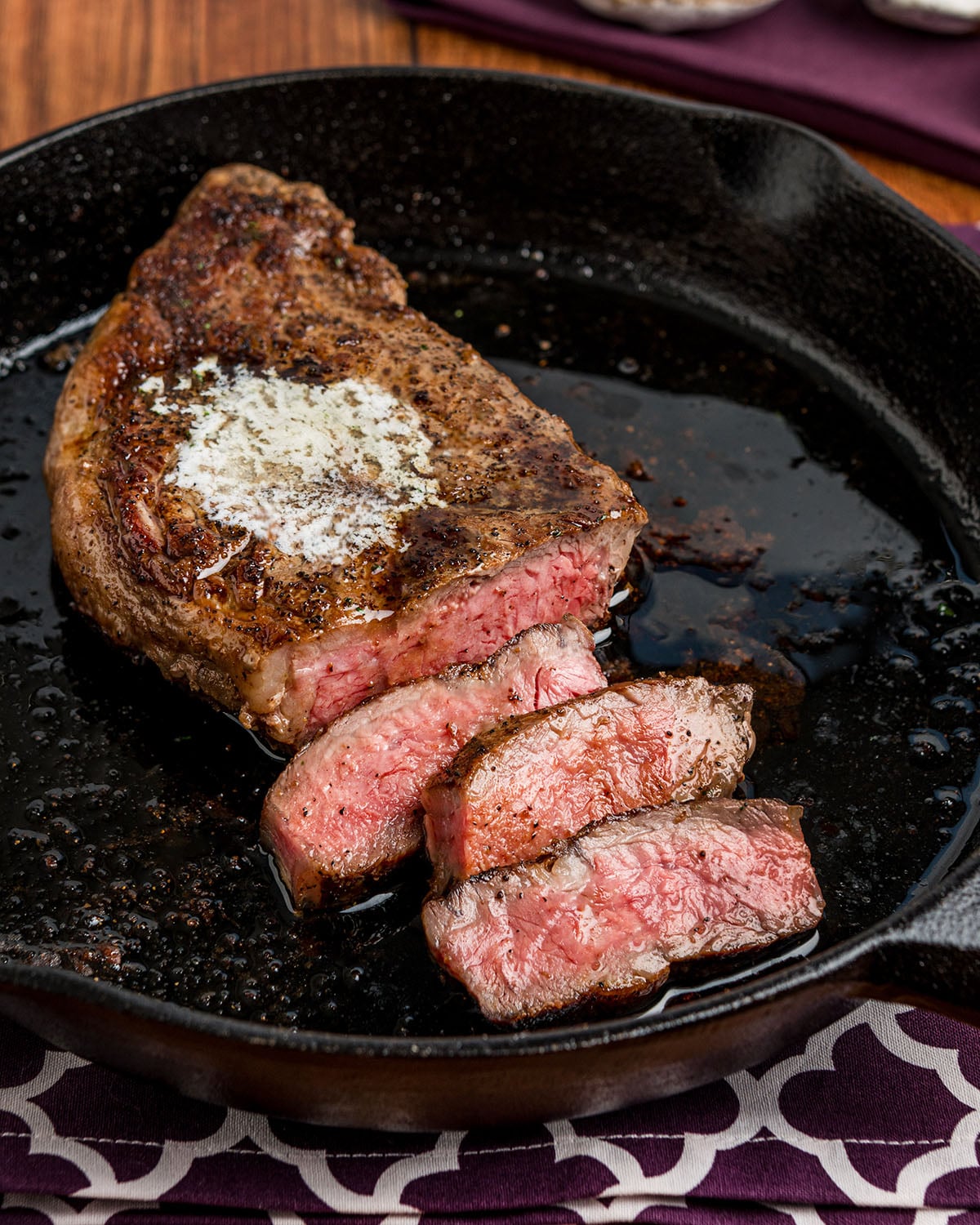
I test pans weekly. I prefer a 12-inch cast-iron skillet for most steaks. It heats slowly, holds heat, and builds an even crust. I learned these things by failing fast.
- Mistake: Putting a cold steak on a cool pan. Result: Soggy crust and longer cook time. Lesson: Preheat until the pan is almost smoking.
- Mistake: Overcrowding the pan. Result: Steaks steam instead of sear. Lesson: Cook in batches or use two pans.
- Mistake: Skipping rest time. Result: Dry slices. Lesson: Always rest; juices settle and improve texture.
From my tests, the best pan for cooking steak at home is the one that heats well and you know how to use. A heavy skillet taught me consistency faster than any recipe.
Buying guide and recommendations
Choose based on price, weight, and stove type.
If you want the deepest sear and long life
- Buy a heavy cast-iron skillet 10–12 inches. It is the most reliable option for home steak.
If you want something lighter with similar results
- Choose a carbon steel skillet that is 10–11 inches.
If you need ease of cleaning and no seasoning
- Pick a heavy stainless steel pan with a tri-ply base.
If you cook often for a crowd
- Get a 12-inch pan so you can sear larger cuts or two steaks at once.
Budget tips
- A well-made used cast-iron skillet can be as good as new.
- Avoid ultra-thin pans marketed as “steak pans.” They cool too fast and hurt the sear.
Match pan size to your burner for best heat transfer. The right choice makes the best pan for cooking steak at home a reliable tool, not a one-time gadget.
Frequently Asked Questions of best pan for cooking steak at home
What pan gives the best sear for steak at home?
A heavy cast-iron or carbon steel pan gives the best sear because it holds high heat well. They create even browning and a flavorful crust.
Can I use a stainless steel pan to cook steak?
Yes. Stainless steel works great if preheated properly and used with enough oil. It also handles basting and oven finishing well.
Is nonstick okay for steak?
Nonstick is fine for delicate or thin cuts but not ideal for high-heat searing. The coating can degrade at very high temperatures needed for a deep crust.
Do I need to season my cast-iron or carbon steel pan?
Yes. Seasoning builds a protective layer and improves release and flavor. Regular oiling after use keeps the seasoning strong.
Should I finish steak in the oven?
Finishing thick steaks in a hot oven ensures even doneness without burning the crust. Sear both sides on the stovetop, then move the pan to a 400°F oven until the target internal temp.
Conclusion
The best pan for cooking steak at home is one that holds heat well, has a flat, wide surface, and fits your cooking style—most often a cast-iron or carbon steel skillet. Use the right preheat, seasoning, and resting steps to turn any solid pan into a steak machine. Try one of the recommended pan types, follow the simple cooking steps here, and you’ll notice a big jump in flavor and texture. Ready to try a new pan tonight? Share your results or ask a question below — I’d love to help you get a perfect sear.