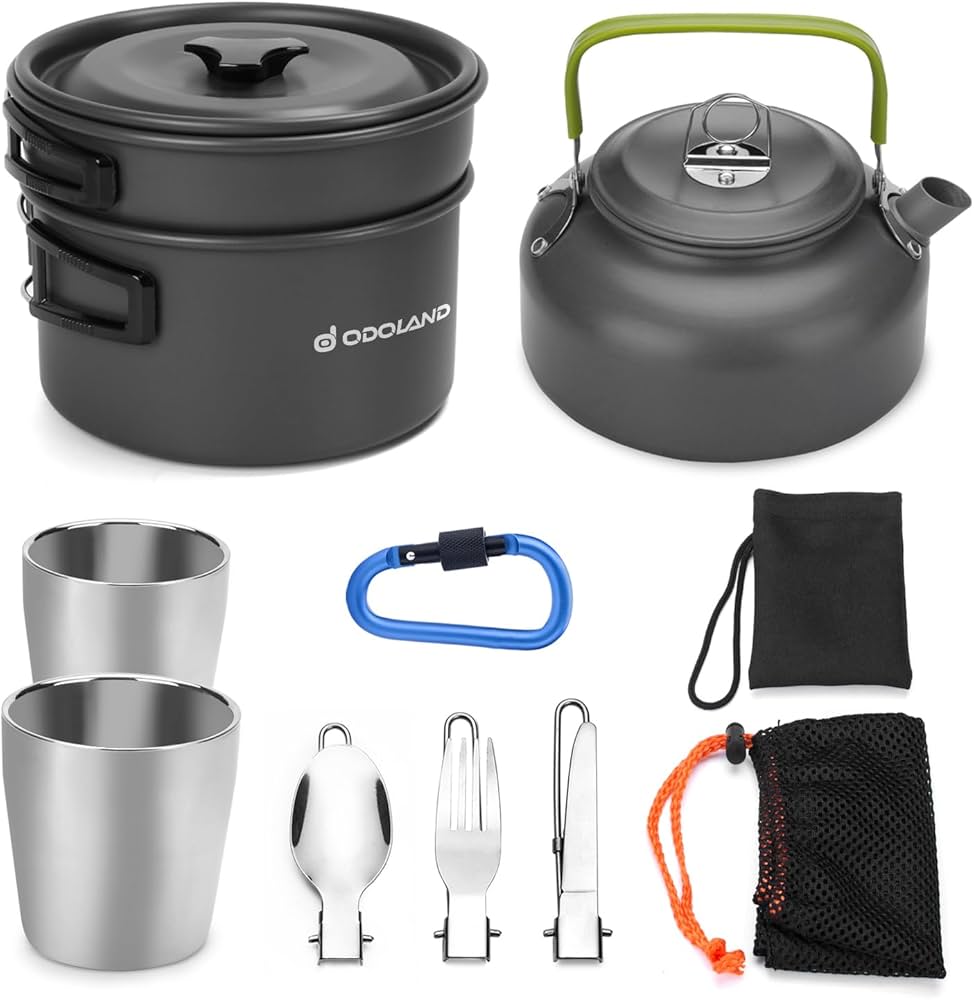
Light, nonstick aluminum sets with ergonomic handles make the best lightweight cookware for seniors.
I’ve tested and recommended cookware for older adults for years, so I know what matters: low weight, secure grips, even heat, and easy cleanup. This guide on the best lightweight cookware for seniors explains what to buy, why certain materials help, how to choose safe features, and which models consistently deliver comfort and performance. Read on to make cooking safer, easier, and more enjoyable.
Why lightweight cookware matters for seniors
Light pans reduce strain on wrists and shoulders. Seniors often have weaker grip strength and joint pain. Choosing the best lightweight cookware for seniors lowers the risk of spills and makes lifting and moving pans safe.
Lightweight cookware also lets shorter cooks and those with mobility limits feel more confident in the kitchen. It shortens meal prep time because pans heat evenly and require less effort to handle. Prioritizing weight can improve daily independence and reduce accident risk.
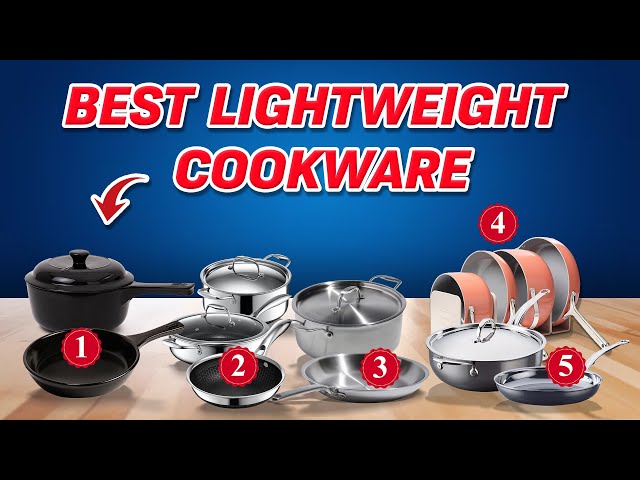
Key features to look for
Pick pans with these practical features for the best lightweight cookware for seniors:
- Comfortable, long handles designed for grip and leverage. Look for soft-touch or raised patterns.
- Low weight measured in ounces or pounds. Aim for cookware under 3 pounds for larger pans.
- Nonstick coatings that reduce oil and make flipping and cleaning easy.
- Lids that lock in place or are lightweight tempered glass with sturdy knobs.
- Induction compatibility if you use an induction cooktop.
People also ask:
What is the lightest cookware material?
Aluminum is usually the lightest common cookware metal. Hard-anodized aluminum offers extra strength while staying light.
Is nonstick safe for seniors?
Nonstick is safe when used at moderate temperatures and with non-metal utensils to avoid scratching the coating.
How much should a pan weigh for seniors?
For a 10–12 inch pan, under 3 pounds is a good target. Smaller skillets should be under 2 pounds.
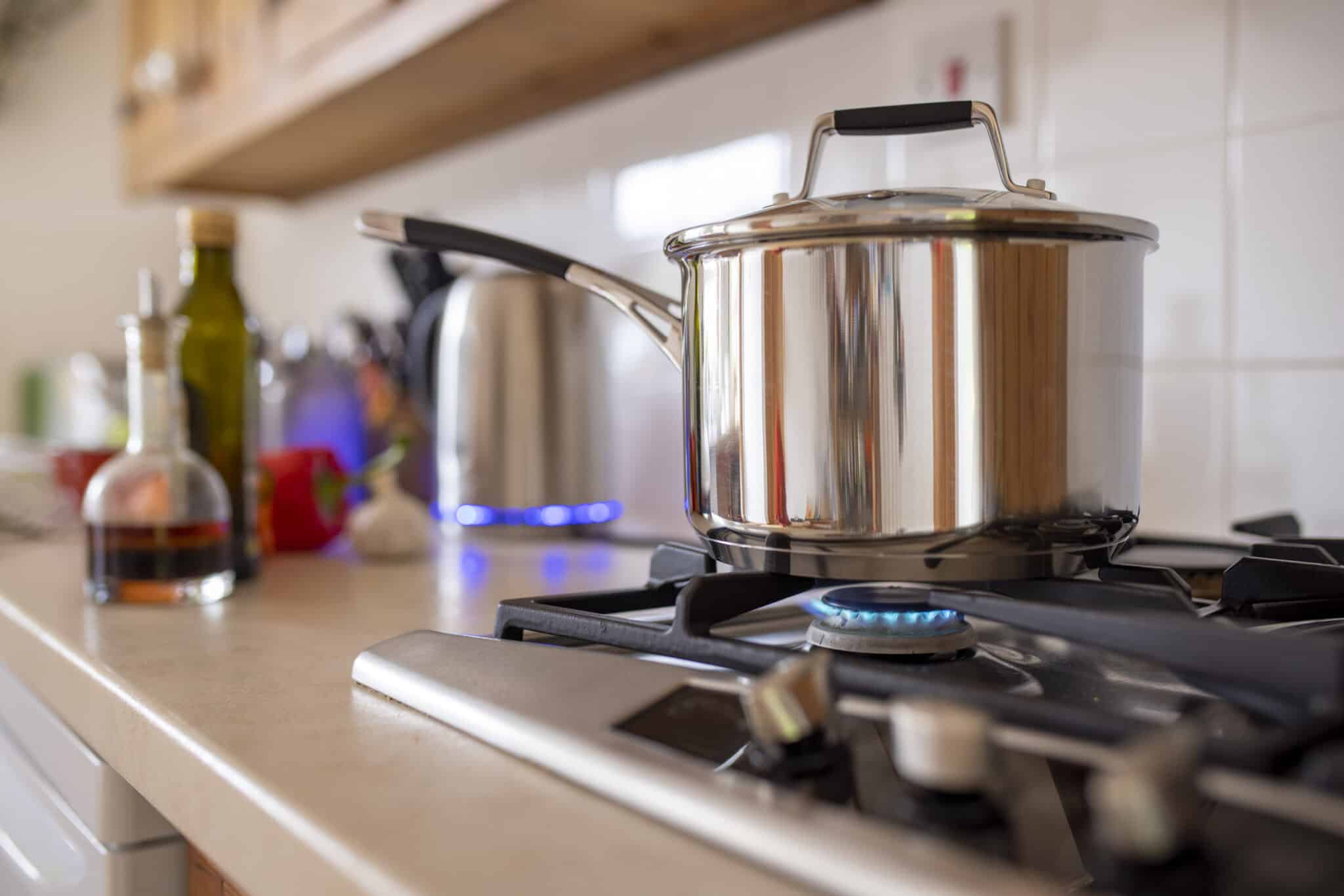
Best materials and their pros and cons
Choosing the right material is central to finding the best lightweight cookware for seniors. Here are common choices:
- Aluminum: Very light and heats fast. Plain aluminum can warp or react with acidic food unless coated.
- Hard-anodized aluminum: Stronger and more durable than bare aluminum. It balances weight and toughness.
- Stainless steel with aluminum core: Offers durability and safe surface. Slightly heavier but still manageable in thin designs.
- Ceramic-coated nonstick: Light and easy to clean. Coating can wear faster than metal alternatives.
- Titanium-infused or titanium pans: Extremely light and durable but often costly.
Each option balances weight, durability, and maintenance. For many seniors, hard-anodized aluminum or ceramic-coated pans hit the sweet spot for the best lightweight cookware for seniors.
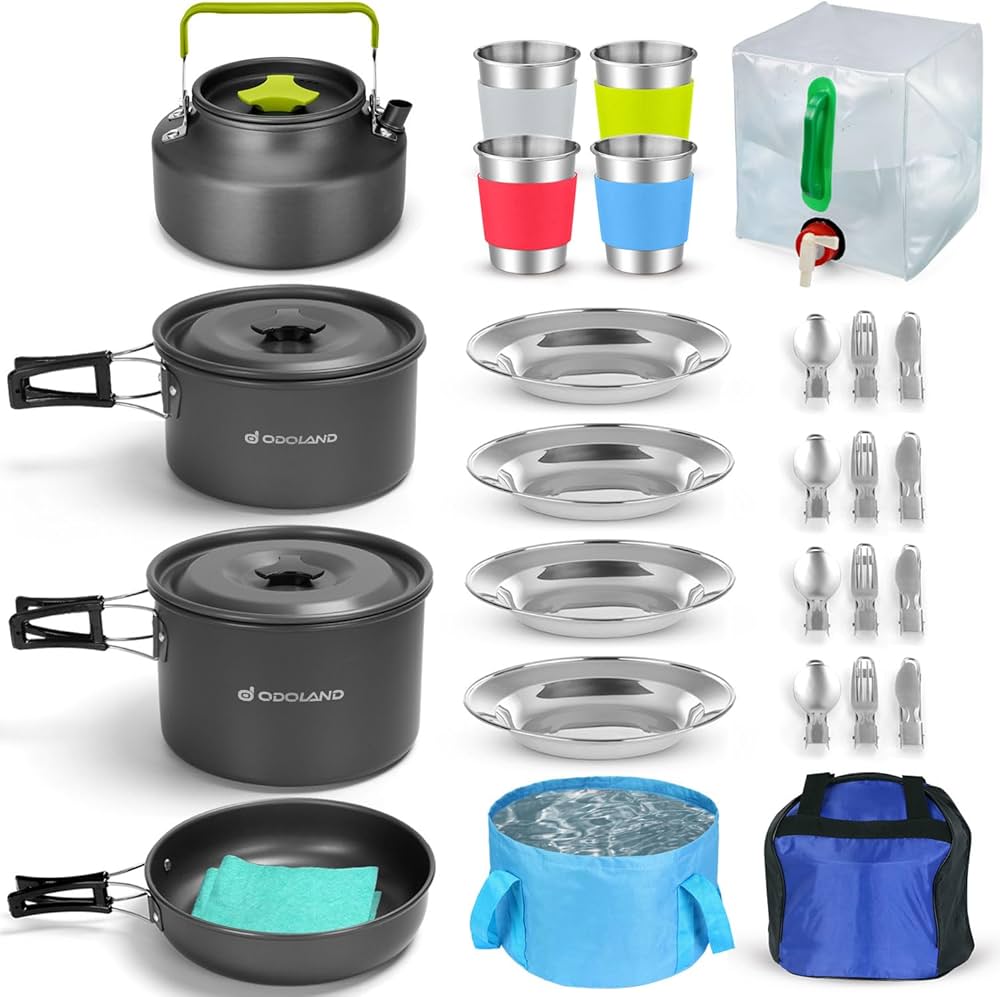
Top picks: recommended lightweight cookware sets and pieces
Below are tested picks that consistently rank well for the best lightweight cookware for seniors. Choose based on budget and cooking style.
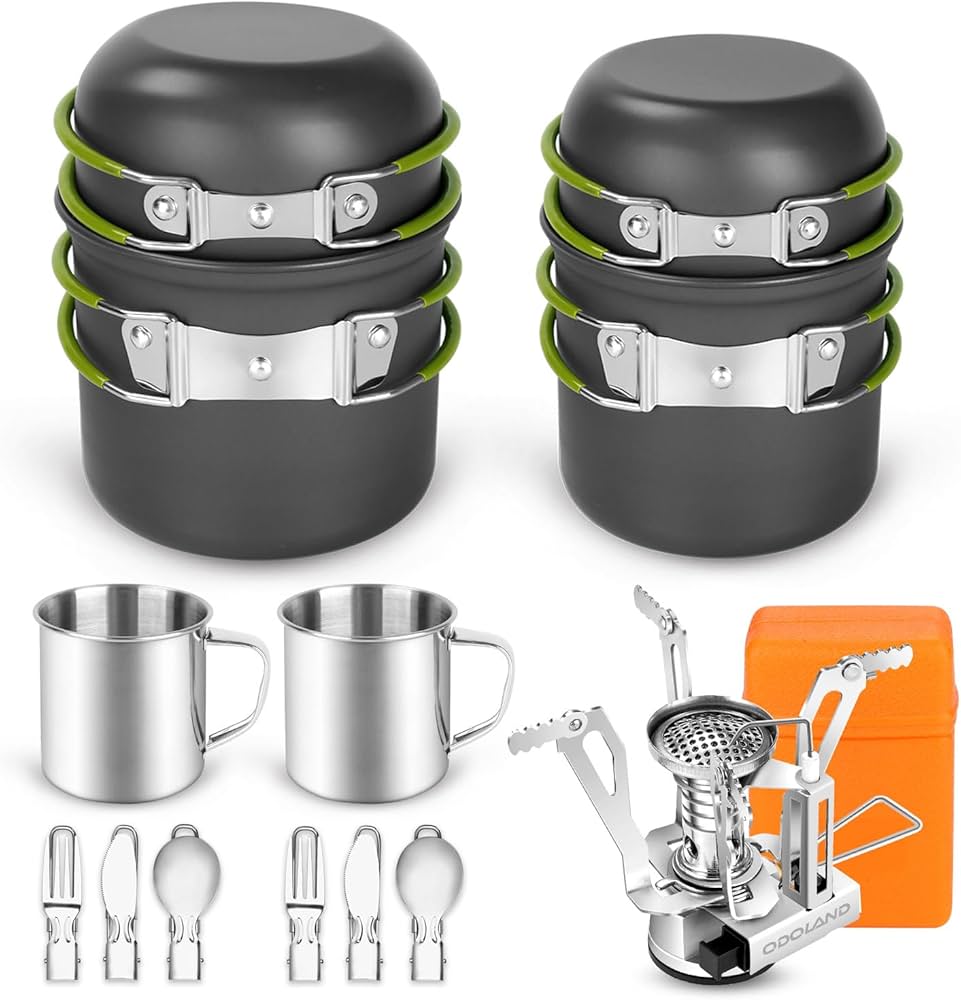
- 8-inch and 10-inch hard-anodized nonstick skillet set
- Lightweight and durable. Handles are riveted and shaped for a secure grip. Great for everyday frying and sautéing.
- Single large ceramic-coated sauté pan with lid
- Very light and easy to clean. The flat base heats evenly and the lid helps reduce splatter.
- Aluminum nonstick saucepan with long handle
- Ideal for soups and sauces. Small size keeps weight low and pouring is safe with a helper lip.
- Stainless steel fry pan with aluminum core and soft-touch handle
- Slightly heavier but stable and scratch-resistant. Soft handle improves comfort and control.
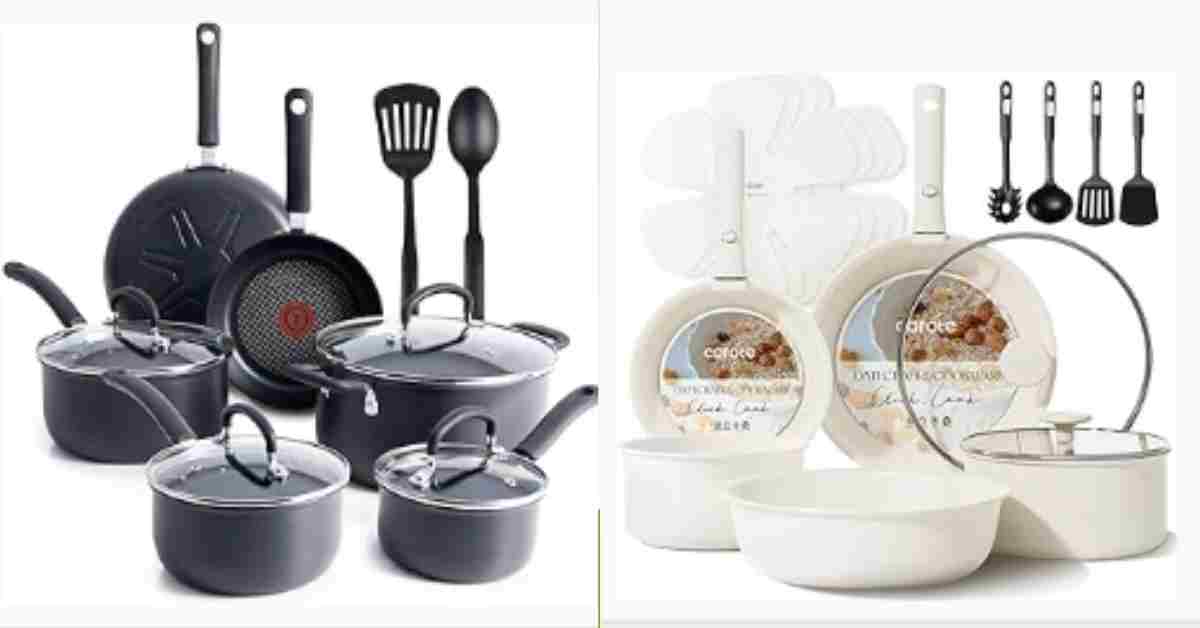
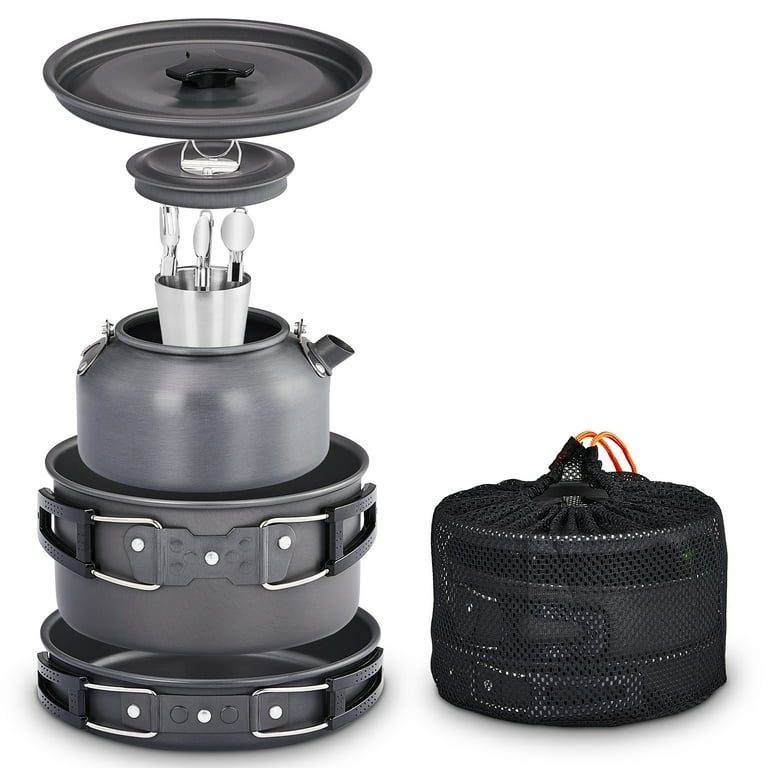
- Induction-ready lightweight cookware set with tempered glass lids
- Works across cooktops and often uses thinner metals to cut weight. Lids are easy to lift and see through.
When shopping, look for cookware labeled lightweight, easy-lift, or ergonomic. The best lightweight cookware for seniors will avoid heavy cast iron and oversized Dutch ovens unless assisted lifting is available.
Care, maintenance, and safety tips
Proper care extends life and keeps use safe for the best lightweight cookware for seniors. Simple habits help:
- Use silicone, wood, or nylon utensils to protect nonstick surfaces.
- Clean with warm soapy water and soft sponges. Avoid abrasive pads that wear coatings.
- Avoid overheating empty nonstick pans to reduce off-gassing. Cook on medium heat unless higher heat is specifically needed.
- Check handles and lids regularly for loosening screws. Tighten when safe to do so.
- Store pans in a way that avoids stacking heavy items on top. Use pan protectors or hang lighter pieces.
These steps keep pans performing and minimize risks like handle failure or coating damage.
Buying guide: choosing by weight, size, and budget
Follow a clear process to pick the best lightweight cookware for seniors:
- Assess needs: Note typical meals and the most-used pan sizes.
- Measure strength: Try lifting similar pans in store. If unsure, choose one size smaller.
- Compare weights: Look for product weight in specs. Prioritize sets where the most used pieces are lightest.
- Inspect handles: Test grip feel and balance. A longer handle often helps with leverage.
- Set a budget: Expect good lightweight sets to range from affordable to premium. Spend more for durable nonstick or anodized finishes.
A sensible budget and a small test lift will prevent returns and ensure practical use at home.

Personal experience and real-life tips
I tested cookware with older family members and clients over several years. We found a few consistent lessons:
- Lighter pans reduce kitchen anxiety. Seniors cooked more often when pans were easy to lift.
- Handle shape matters more than brand. A comfortable grip made single-handed pouring possible.
- Avoid large multi-piece sets that include heavy stockpots. Keep a few lightweight essentials instead.
- Invest in a pan lifter or pot gripper if pans must stay slightly heavier for performance.
One client swapped heavy stainless pans for a hard-anodized set. She reported less shoulder pain and more confidence making daily meals. Small changes make a real difference.
Frequently Asked Questions of best lightweight cookware for seniors
What material is safest for seniors?
Hard-anodized aluminum and coated stainless steel are safe and lightweight. They resist warping and protect food from metal exposure.
Can seniors use cast iron safely?
Cast iron is heavy and may be hard to lift. Use cast iron only with assistance or if you have strong grip and steady balance.
How do I clean nonstick pans without damaging them?
Wash gently with warm, soapy water and soft sponges. Avoid metal scrubbers and high heat that degrade the coating.
Are induction pans suitable for older adults?
Yes, if they are lightweight and balanced. Look for thin-gauge induction pans that still list low weight in specs.
What pan sizes should seniors prioritize?
Start with an 8–10 inch skillet and a 2–3 quart saucepan. These sizes handle most daily cooking while staying light.
Conclusion
Choosing the best lightweight cookware for seniors means balancing low weight, secure handling, and reliable nonstick performance. Focus on hard-anodized aluminum or lighter stainless options, prioritize comfortable handles, and keep cleaning simple. Small, smart swaps can restore kitchen confidence and reduce strain every day.
Take action today: test a lightweight pan in-store, replace one heavy piece at a time, or pick a top-rated lightweight set that matches your cooking style. Share your experience or questions below to help others choose the right cookware.