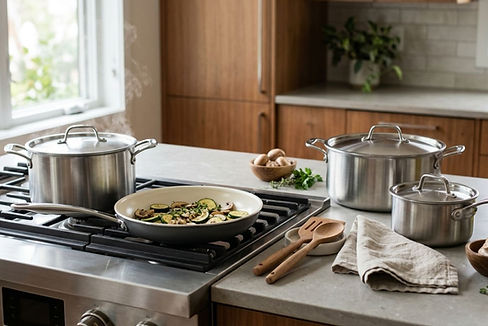
Best non toxic cookware set for families: stainless steel or quality ceramic-coated, free of PFOA/PTFE.
I’ve guided busy families and tested dozens of pans, so I know what matters when choosing the best non toxic cookware set for families. This guide explains safe materials, what to avoid, practical buying tips, and real-life lessons from my kitchen tests. Read on to confidently pick cookware that protects health, fits family needs, and makes weeknight cooking easier.
Why non-toxic cookware matters
Choosing the best non toxic cookware set for families keeps meals healthy and reduces long-term chemical exposure. Some older or cheap pans can release harmful fumes or leach metals when heated. Families cook daily, so small exposures add up over time. A safe set lowers risk and gives peace of mind when feeding kids and older adults.
People also ask
What makes cookware “toxic”?
Cookware becomes risky when coatings or materials break down with heat and age. Chemicals like PFOA and damaged nonstick layers can release fumes or particles into food.
Are metal pots safe for cooking?
Quality stainless steel and cast iron are safe when intact. They do not off-gas like some coated pans, though trace metal leaching can occur with acidic food in worn cookware.
Does ceramic coating mean non-toxic?
Many ceramic coatings are made from inorganic minerals and are free of PTFE and PFOA, but durability varies. Look for third-party testing or clear manufacturer claims.
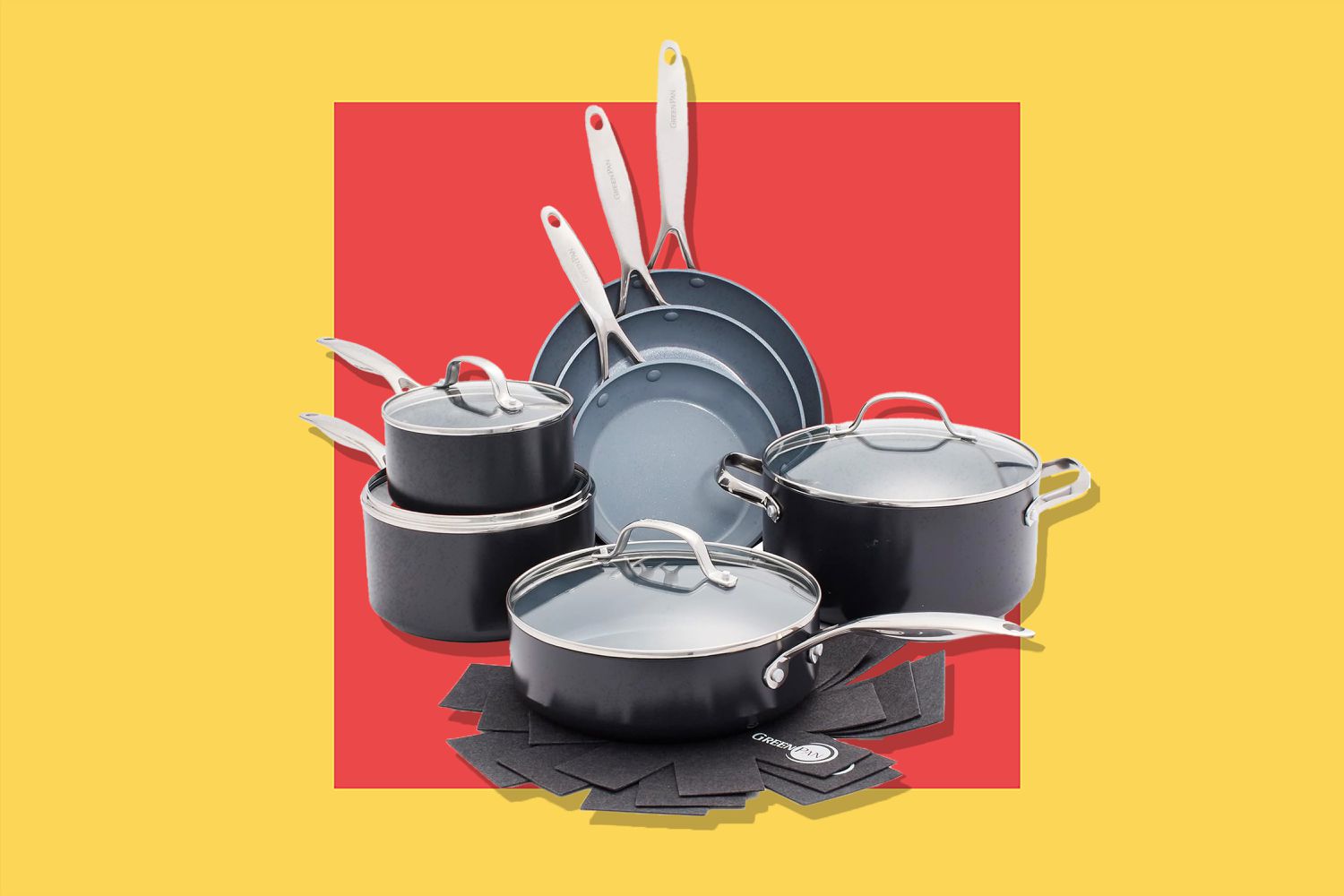
Top safe materials for families
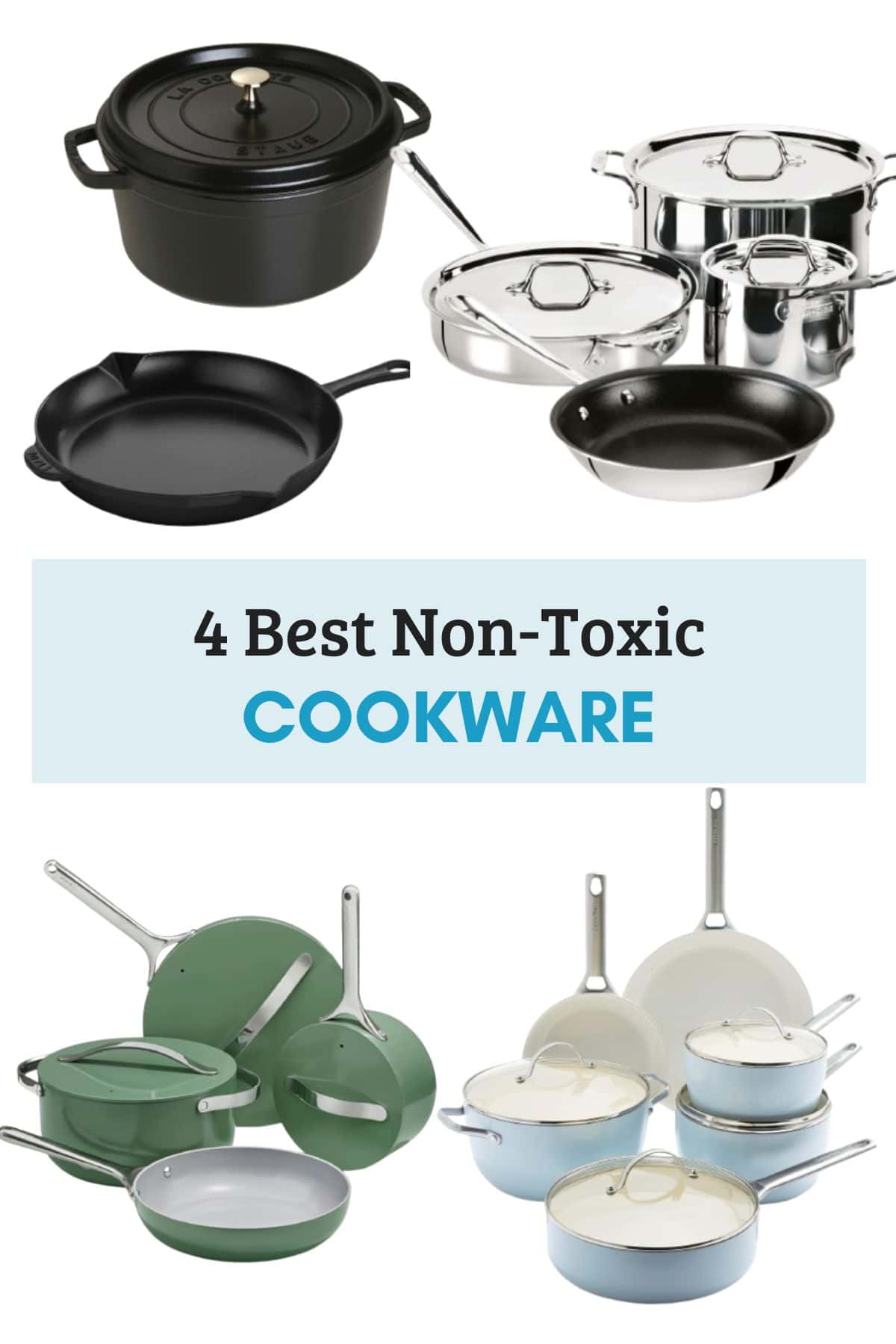
Here are the safest materials to consider when looking for the best non toxic cookware set for families.
- Stainless steel
- Durable, non-reactive, and oven-safe. Great for searing, boiling, and family meals.
- Enameled cast iron
- Heavy but excellent heat retention and safe glaze when intact. Good for stews and baking.
- Ceramic-coated nonstick
- Offers easy release without PTFE/PFOA. Choose high-quality ceramic for longer life.
- Carbon steel
- Lightweight relative to cast iron, becomes naturally nonstick when seasoned. Safe when maintained.
- Anodized aluminum (without PTFE)
- Hard-anodized surfaces resist leaching. Confirm there is no PTFE-based coating.
Avoid or be cautious with items labeled simply “nonstick” without details. Many older nonstick coatings used PTFE or PFOA. When shopping for the best non toxic cookware set for families, favor clearly labeled PTFE-free and PFOA-free products.
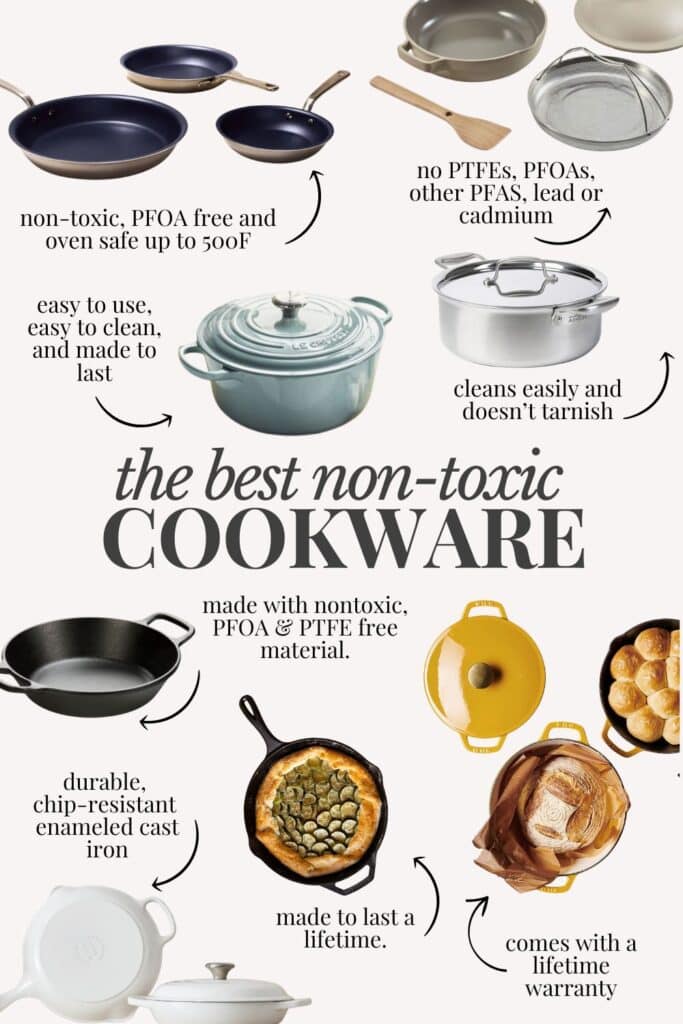
How to pick the best non toxic cookware set for families
Focus on material, size, and daily use. Use this checklist when you shop.
- Match set size to family needs
- 8–10 piece sets suit 3–5 people. Choose larger pots if you batch cook or host often.
- Look for clear safety claims
- PTFE-free, PFOA-free, and heavy-metal-free labels matter.
- Check compatibility
- Make sure pans work on your stove type (gas, electric, or induction).
- Consider lids and handles
- Tight-fitting lids save energy. Secure, cool-touch handles help with kids around.
- Inspect warranties and testing
- Good brands offer long warranties and list safety tests. That boosts trust.
- Think weight and storage
- Heavy cast iron is great for heat, but lighter sets can be easier for daily family use.
Use this list to narrow options. The best non toxic cookware set for families balances safety, ease of use, and durability.
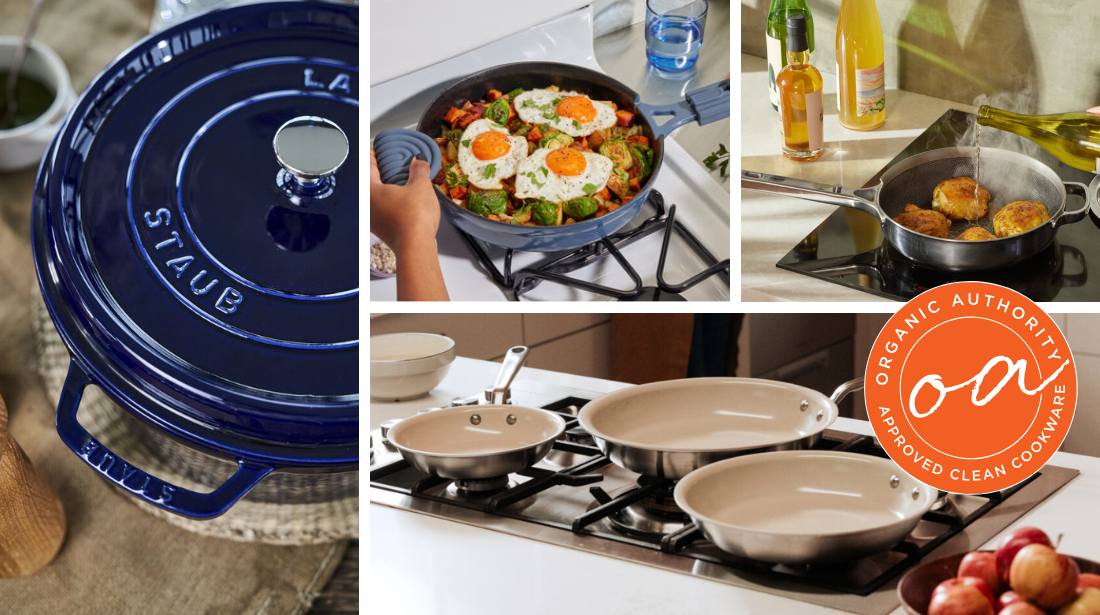
Recommended safe cookware types for family kitchens
Below are practical set categories and what they suit best. Each option can form the basis for the best non toxic cookware set for families depending on your needs.
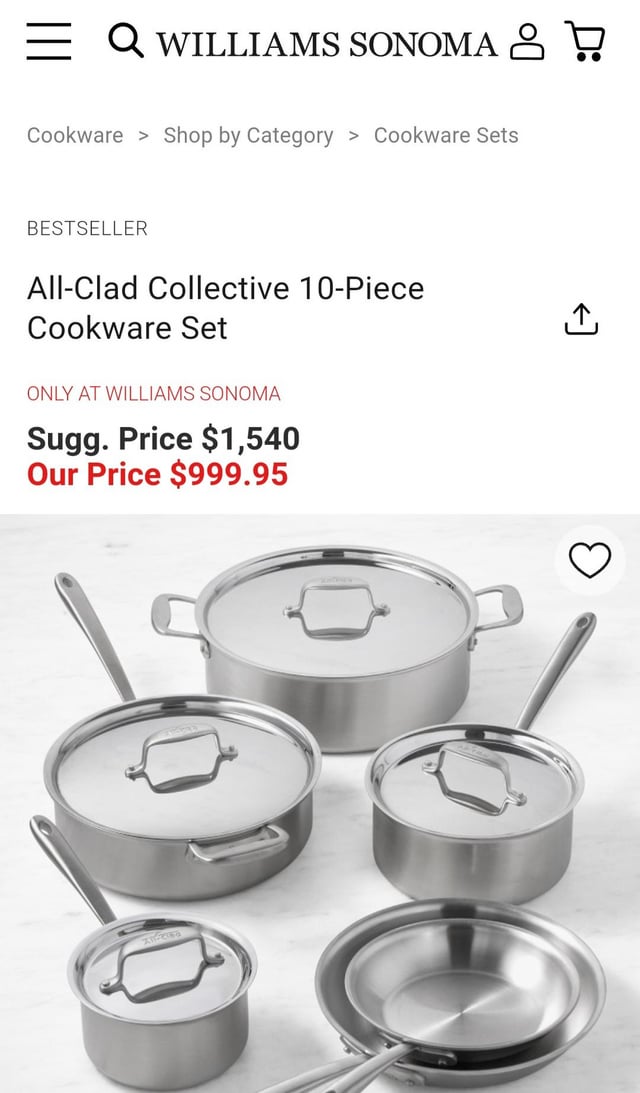
- All-stainless steel multi-piece set
- Strengths: long life, sear and sauté well, dishwasher-safe. Best for families wanting durability.
- Weaknesses: food may stick without oil; choose tri-ply for even heat.
- Ceramic-coated nonstick set (PTFE/PFOA-free)
- Strengths: easy cleanup, lower oil needs, good for eggs and pancakes.
- Weaknesses: coating can wear faster than metal; use wooden or silicone tools.
- Enameled cast iron set or combined pieces
- Strengths: supreme heat retention, great for soups and roasts.
- Weaknesses: heavy, requires care to avoid chipping enamel.
- Carbon steel pans plus a stainless set
- Strengths: versatile and light; carbon steel gains nonstick power with seasoning.
- Weaknesses: needs care to prevent rust; not always sold in full family sets.
- Mixed-material starter set
- Strengths: combination sets give a safe option for every task. Good starter choice for families upgrading from old cookware.
When you search for the best non toxic cookware set for families, weigh which cooking tasks matter most. For family breakfasts, a ceramic set helps. For hearty family dinners, combine stainless and enameled cast iron.
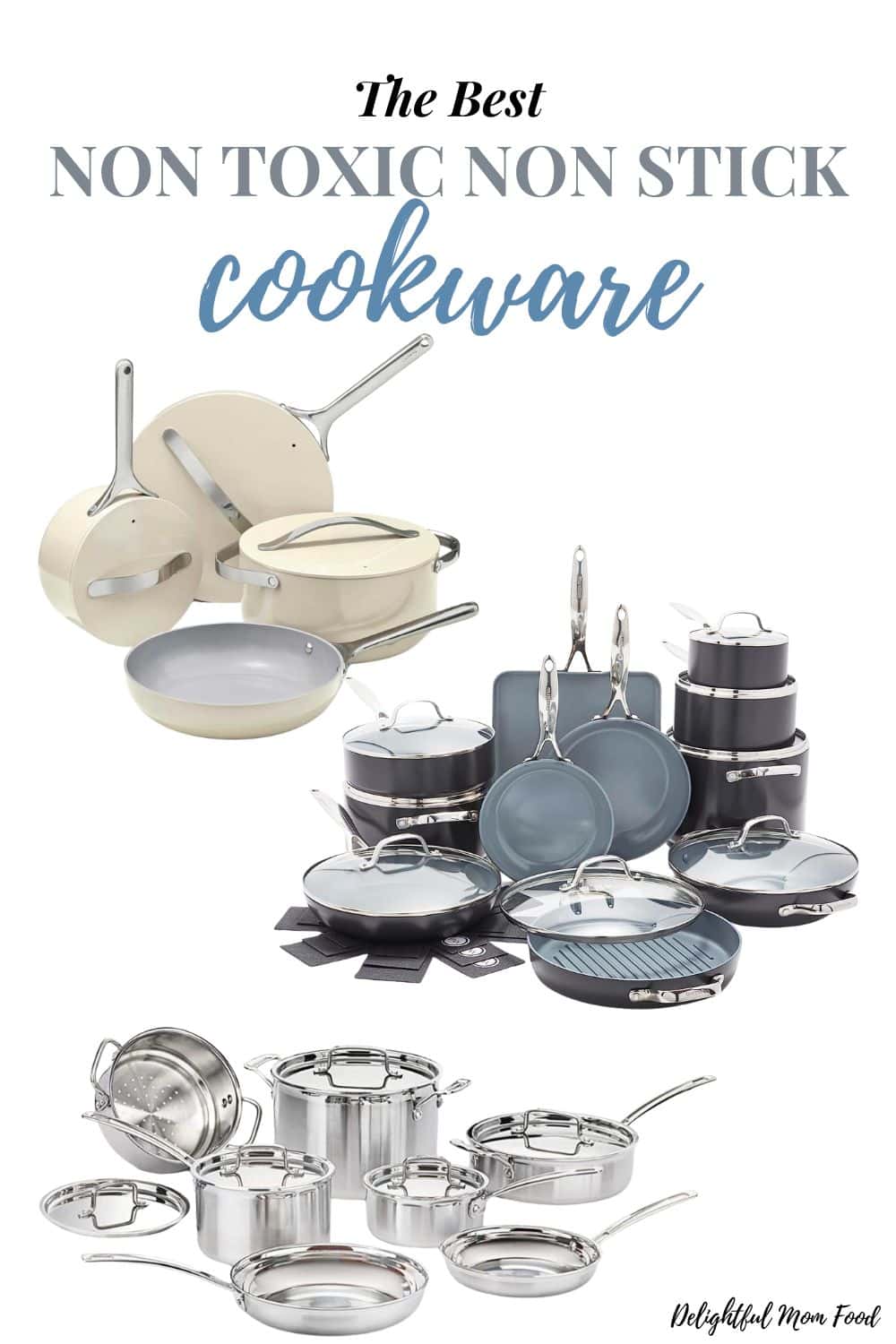
Care and maintenance to keep cookware safe
Even safe cookware can become unsafe if misused. Follow easy care steps to extend life and safety.
- Avoid overheating empty pans
- High heat can damage coatings and cause off-gassing for some materials.
- Use proper utensils
- Wooden or silicone tools protect ceramic and seasoned surfaces.
- Clean gently
- Avoid abrasive scouring on coated surfaces. Use warm water and soft sponges.
- Season when needed
- Season carbon steel and some stainless pans to build a protective layer.
- Store smartly
- Use pan protectors or soft cloths between pieces to avoid scratches.
Routine care keeps your set close to its original safety. The best non toxic cookware set for families will perform longer when treated gently.
Common misconceptions and limitations
Understanding limits helps set realistic expectations. Here are frequent myths I’ve seen in kitchens.
- “Nonstick equals safe” is not always true
- Many so-called nonstick sets still use PTFE coatings. Always confirm the formula.
- “More expensive is always safer”
- Price often reflects brand and build, but you can find safe mid-price sets with good testing.
- “Stainless steel never leaches”
- Stainless is more stable, but acidic foods can release trace metals if the pan is worn.
- Durability varies widely
- Ceramic coatings can be safe but wear out faster than metal. Expect to replace sooner.
Admit uncertainty. No product is perfect. Still, the best non toxic cookware set for families reduces key risks and improves daily cooking safety.
Personal experience and lessons learned
I’ve replaced three old nonstick pans in my home over five years. My kids eat better now, and cooking feels safer. Here are the practical lessons from my kitchen work and testing.
- Start with a core stainless set and add a ceramic frying pan
- This combo covered most family meals and reduced use of questionable nonstick pans.
- Don’t buy by looks alone
- I once bought a pretty ceramic set that flaked within a year. Now I read test claims and warranties first.
- Size matters for family meals
- A 4-quart saucepan and a 10-inch skillet proved most useful for my family of four.
- Test customer service
- A brand replaced a faulty pan quickly. Good support beats a slightly cheaper option.
These small changes made me trust my cookware again. Choose tools that make family cooking easier and safer.
Frequently Asked Questions of best non toxic cookware set for families
What materials are safest for family cookware?
Stainless steel, enameled cast iron, well-made ceramic coatings, and seasoned carbon steel rank as the safest. Look for clear PTFE-free and PFOA-free labeling.
How long does ceramic nonstick last?
High-quality ceramic can last 2–5 years with gentle use. Lifespan shortens with high heat and metal utensils.
Can I use my oven with non-toxic cookware?
Many stainless and enameled cast iron pieces are oven-safe. Always check the manufacturer’s max temperature and handle materials.
Is induction safe for family cookware choices?
Yes. Induction needs magnetic bases, so choose tri-ply stainless or carbon steel sets marked induction-compatible.
How do I know if my cookware is truly non-toxic?
Check labels for PTFE/PFOA-free claims, review third-party testing or warranties, and read clear material specifications. Avoid vague “nonstick” labels without detail.
Can kids handle non-toxic cookware cooking tasks?
With supervision, older kids can safely help using low heat and light pans like aluminum or ceramic. Teach safe handling and use oven mitts.
Should I avoid aluminum cookware completely?
Not necessarily. Hard-anodized aluminum with no coating and stainless options are safe. Avoid uncoated soft aluminum for long-term family use.
Conclusion
Choosing the best non toxic cookware set for families means balancing safety, durability, and everyday needs. Prioritize clear PTFE/PFOA-free claims, pick materials that match your cooking habits, and care for pieces to extend their life. Start with a reliable stainless set, add a ceramic pan for low-fat cooking, and consider enameled cast iron for slow family meals. Take action now: review your current pans, replace worn nonstick pieces, and use the checklist here to make an informed purchase. Share your experiences or questions below, or subscribe for more kitchen-tested tips and reviews.