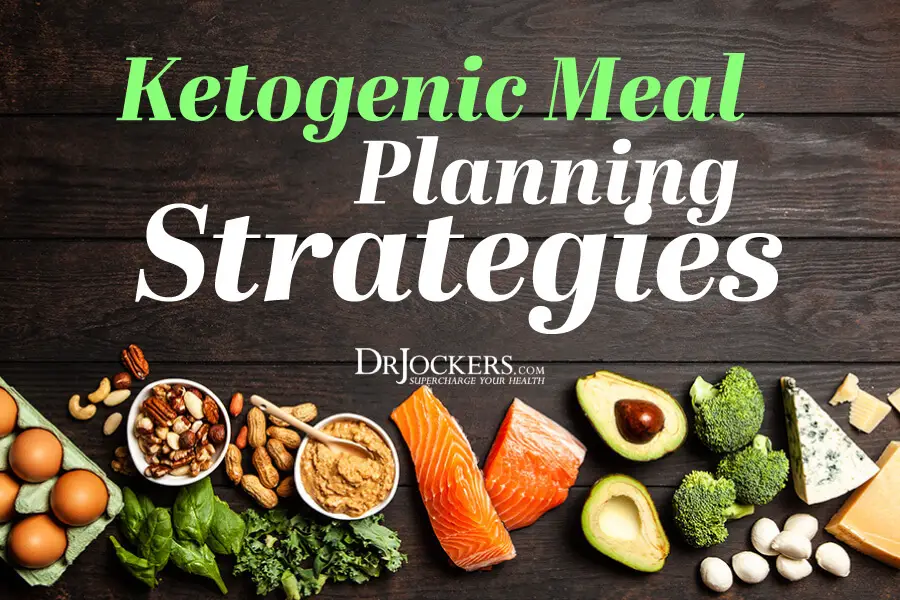
A beginner’s keto diet grocery list should include low-carb vegetables, high-quality meats, and healthy fats. Essential items are leafy greens, avocados, eggs, and salmon.
Starting a keto diet requires understanding the right foods that align with its low-carbohydrate, high-fat principles. This diet focuses on weight loss and health improvement by inducing ketosis, a metabolic state where the body burns fat for energy. Initially, it can be challenging to know exactly what to buy, so having a clear and concise grocery list is crucial for beginners.
It is vital to stock up on items like broccoli, cauliflower, and zucchini, which are low in carbs yet rich in nutrients. Including a variety of fats, such as coconut oil and almonds, helps maintain ketosis and provides sustained energy. Selecting quality proteins—like grass-fed beef and wild-caught fish—supports muscle maintenance and overall health. Consequently, beginners will benefit greatly from a well-organized shopping list that complies with keto dietary guidelines.
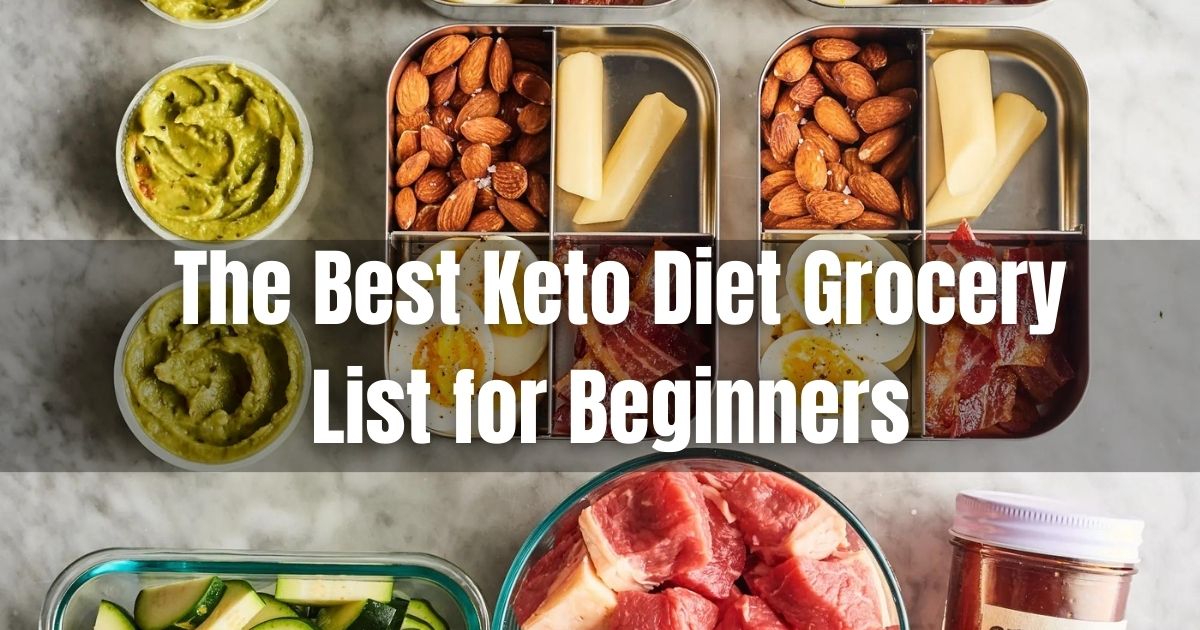
Starting A Keto Journey: Essentials To Know
Embarking on a keto journey ushers in an exciting phase of wellness and discovering new favorite foods. Knowing what to stock up on makes this lifestyle switch both rewarding and deliciously satisfying. Below, find the keto essentials that will be the foundation of your low-carb, high-fat diet plan.
Keto Fundamentals: High-fat, Low-carb Basics
The keto diet flips the standard dietary pyramid upside down. At its core, keto is about minimizing carb intake and ramping up fats. Here’s a simple guide to what your grocery list should majorly consist of:
- Fats: Look for quality sources like avocados, olive oil, and coconut oil.
- Proteins: Choose fatty cuts of meat, fish, and eggs to keep you full.
- Low-Carb Vegetables: Leafy greens, peppers, and broccoli are a must.
- Dairy: High-fat cheese, butter, and heavy cream enrich your meals.
- Nuts and Seeds: Almonds, walnuts, and chia seeds provide crunch and nutrients.
Reading Labels: Net Carbs Vs. Total Carbs
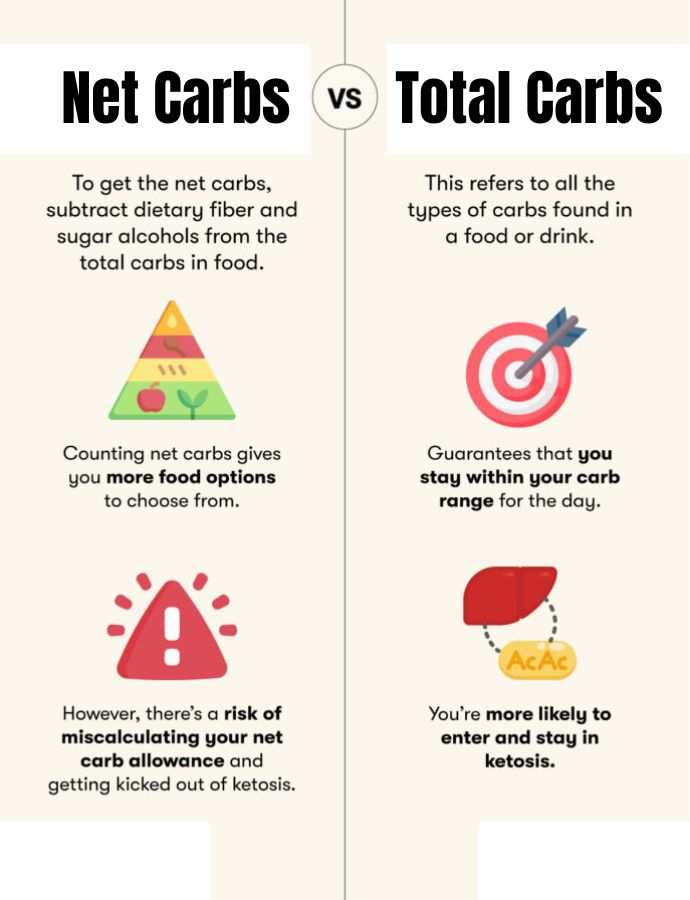
Understanding food labels is crucial for keto success. Aiming for high-fat and low-carb means knowing the difference between net carbs and total carbs.
| Total Carbs | Fiber | Sugar Alcohols | Net Carbs |
|---|---|---|---|
| The total amount of carbohydrates in food. | Subtract these, as they are not digested. | May be subtracted; not fully absorbed. | What you count on keto: Total – Fiber – (Some) Sugar Alcohols. |
Always check the nutrition facts to make informed choices. More fiber is good; it lowers net carbs. Beware of added sugars – they can kick you out of ketosis.
Keto-friendly Fats: Your Shopping List Staples
Embarking on a keto journey transforms your approach to food, especially fats. Fats are a cornerstone of the ketogenic diet and choosing the right ones is crucial for success. This section guides you through the essentials for your keto journey. Starting with quality fats from oils and butter to delicious dairy alternatives, your shopping list will bring keto-friendly fat facts to your kitchen!
Check Out for Top 4 Offers: Fat Burning Kitchen, 101 Anti-Aging Foods, TruthAboutAbs, etc
Oils And Butter: Choosing Quality Fats
When adopting a keto lifestyle, understanding which fats to embrace is key. Here is a list of top-tier oils and butter that will become a staple in your pantry.
Coconut oil: Packed with medium-chain triglycerides (MCTs), it’s perfect for keto.
Extra-virgin olive oil: Ideal for salad dressings, it’s rich in monounsaturated fats.
Avocado oil: With a high smoke point, this oil is versatile for cooking.
Grass-fed butter: Full of flavor and nutritious fats, it’s a keto favorite.
Ghee: A clarified butter with a rich taste suitable for high-heat cooking.
Dairy And Non-dairy Alternatives
Keto-friendly dairy enhances meals with both taste and nutrition. Non-dairy options are equally important for variety and dietary preferences. Consider these options.
- Heavy cream: Adds richness to recipes and coffee.
- Full-fat cheeses: Offer a great source of fat and flavor.
- Sour cream: Perfect for dips and toppings with good fats.
Non-dairy needs are well catered for with options including:
- Almond milk: Ensure it’s unsweetened for keto compatibility.
- Coconut cream: Great as a dairy cream alternative in recipes.
- Cashew cheese: A flavorful and creamy substitute for cheese.
Proteins For Your Plate: Meats And Plant-based Options
Embarking on a keto journey means prioritizing proteins that fit into your low-carb lifestyle. Whether you prefer juicy meats or wholesome plant-based options, a well-planned grocery list is essential. This section focuses on choosing the best proteins for your keto diet.
For you, 1 Month Vegan Challenge Offers Revised and Updated for 2024!! The 1 Month Vegan Challenge Is On Fire Right Now!!
Selecting Low-carb Meat And Seafood
Finding the right meats and seafood for your keto diet is key. Focus on varieties low in carbs yet high in healthy fats. Consider these options:
- Beef: Choose grass-fed options when possible.
- Poultry: Skin-on for extra fats, and always opt for organic.
- Pork: Look for uncured varieties to avoid added sugars.
Don’t forget seafood, which is rich in omega-3 fatty acids. Ideal picks include:
| Fish | Shellfish |
|---|---|
| Salmon | Shrimp |
| Mackerel | Lobster |
| Sardines | Crab |
Navigating Plant-based Proteins On Keto
Plant-based proteins can be a bit trickier on keto, yet many options fit perfectly into your plan. Look for these high-protein, low-carb stars:
- Tempeh and Tofu: Soy-based and versatile for many dishes.
- Seitan: An excellent wheat-protein option, but check for carb content.
- Nuts and Seeds: Almonds, chia seeds, and flaxseeds are great choices.
Remember to balance your intake to avoid exceeding your daily carb limit. Always check labels for hidden carbs!
You can enjoy a diverse and satisfying keto diet with the right protein choices. Keep this list handy during your next grocery haul!
Keto Vegetables And Fruits: Nourish With Variety
Embarking on a keto journey means focusing on foods high in nutrients but low in carbs. Vegetables and fruits are essential components of a balanced keto diet. They bring color, variety, and a host of vitamins and minerals to your daily meals. Choosing the right ones will keep your body energized and your taste buds excited.
Low-carb Vegetables For Daily Meals
The key to maintaining ketosis is selecting vegetables low in carbohydrates. Below is a list of the top choices to include in your keto diet:
- Spinach: A versatile leafy green packed with iron.
- Broccoli: Great for stir-fries, rich in potassium and vitamin C.
- Zucchini: Low in carbs, perfect for noodles or salads.
- Cauliflower: A keto favorite, substitute for rice or mashed potatoes.
- Kale: Nutrient-dense green for smoothies or chips.
Smart Selections Of Low-sugar Fruits
Fruit selections on a keto diet require careful consideration. Opt for fruits lower in sugar to enjoy sweetness without the carb hit.
| Fruit | Net Carbs (per 100g) |
|---|---|
| Avocado | 2g |
| Berries | 5-6g |
| Lemon | 3g |
| Cucumber | 3.63g |
| Tomato | 2.69g |
These fruits are perfect for snacking or adding a fresh flavor to your dishes. Remember, portion control is crucial to stay within your daily carb limit.
Get it Here!! Your Over 500 Delicious Healthy Keto Recipes. Just for You!! From Snacks and Appetizers to Main Dishes, to Drinks and Desserts.
Pantry Picks: Dry Goods To Keep On Hand
Starting a keto journey means reshaping your pantry staples. Essential dry goods support your diet and enhance your meals. Let’s dive into the must-haves that keep your keto journey exciting and sustainable!
Nuts, Seeds, And Their Butters
Nuts and seeds are keto powerhouses. They pack healthy fats, protein, and fiber. Keep a variety of snacks and recipes. Nut butters are tasty and useful for baking or smoothies. Here are my top picks:
- Almonds – great for snacking or almond flour.
- Pecans and Walnuts – brain-boosting, full of omega-3s.
- Chia Seeds – fiber-rich, good for puddings.
- Macadamia Nuts – lowest in carbs, creamy texture.
- Almond Butter – a versatile spread.
Keto-friendly Flours And Sweeteners
Keto baking is an art. Good flours and sweeteners are your paint. Here’s what to stock:
| Flours | Sweeteners |
|---|---|
| Almond Flour | Erythritol |
| Coconut Flour | Stevia |
| Flaxseed Meal | Monk Fruit Sweetener |
Remember, natural flavors come with these sweeteners. They’re perfect for a keto sweet tooth.
Shopping Strategies: Saving Time And Money
Embarking on a keto journey means shopping smart. Save time and money with effective strategies. This section guides beginners through savvy shopping tactics. The goal is efficiency without breaking the bank.
Making A Keto Grocery List Work
Organization is key when mastering the keto diet grocery list. List items by category and stick to it. Planning meals avoids unnecessary purchases.
- Proteins: Chicken, beef, eggs.
- Fats: Olive oil, butter.
- Vegetables: Spinach, broccoli.
- Dairy: Cheese, heavy cream.
- Snacks: Nuts, seeds.
Check your pantry before you leave. This ensures you do not buy what you already own.
Use apps and coupons to find deals. Many stores offer discounts if you use their app.
Seasonal Shopping And Buying In Bulk
| Season | Produce to Buy | Benefits |
|---|---|---|
| Spring | Asparagus, strawberries | Lower cost, better flavor |
| Summer | Tomatoes, peppers | Pick at peak, freeze for later |
| Fall | Pumpkin, squash | Lasts long, great for soups |
| Winter | Kale, cabbage | Hearty options, nutrient-dense |
Buying in bulk is wise for non-perishables. Items like nuts and seeds are often cheaper this way.
- Spot sales on staples, such as meats and freeze.
- Choose larger quantities of oil and butter to save.
- Purchase large bags of frozen vegetables for convenience.
Remember, buying bulk doesn’t mean overbuying. Purchase what you will use to minimize waste.
Here is a Resource about Keto Diet for you! You Might Want
Frequently Asked Questions For Keto Diet Grocery List For Beginners
What Foods To Include On A Keto Grocery List?
A keto grocery list should prioritize low-carb vegetables like spinach and broccoli, fatty meats, high-fat dairy products such as cheese, and healthy fats like avocados and olive oil. Don’t forget nuts, seeds, and eggs for protein.
Can You Eat Fruit On A Keto Diet?
In moderation, you can include low-carb fruits such as berries on a keto diet. Berries like raspberries, blackberries, and strawberries can be enjoyed in small quantities. However, avoid high-sugar fruits to maintain ketosis.
What Snacks Are Keto-Friendly?
Keto-friendly snacks include cheese slices, nuts, olives, boiled eggs, and cold cuts. Look for snacks with high fat, moderate protein, and low carbs to keep with keto principles. Always check labels for hidden carbs.
How To Plan Keto Meals For A Week?
Start by selecting a variety of meats, fish, and low-carb vegetables for your meals. Factor in keto-friendly breakfast options like eggs and avocados. Plan for snacks, and consider a meal prep day to cook in bulk.
Conclusion
Embarking on your keto journey can feel overwhelming, but it doesn’t have to be. This grocery list is your springboard into a world of healthy, low-carb eating. By stocking up on these beginner-friendly items, you create a strong foundation for success.
Remember to revisit your list as your tastes evolve and you become a keto connoisseur. Happy shopping and healthy eating!