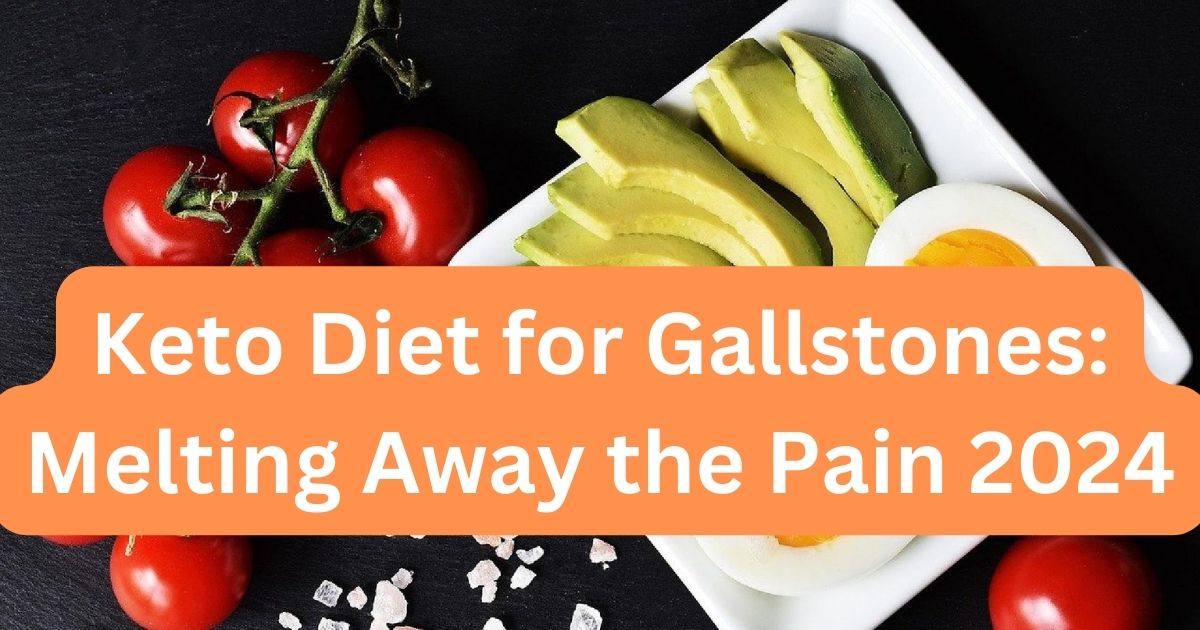
A ketogenic diet can exacerbate gallstones due to high fat intake. Gallstone sufferers should approach keto with caution and medical guidance.
Exploring the keto diet reveals its reliance on fats for energy, replacing traditional carbohydrate consumption. This dietary shift prompts the body into ketosis, a state where fat fuels the system. For individuals with gallstones, this heightened fat consumption can trigger gallbladder irritation, potentially worsening the condition.
Medical professionals often recommend a tailored diet plan to manage gallstones, focusing on balance and specific nutrient intake. Adopting any diet, particularly one as fat-centric as keto demands a consultative approach with healthcare experts to avoid complications. The interplay between diet and gallstones is nuanced, requiring individual assessment to ensure health remains uncompromised while pursuing goals like weight loss or metabolic enhancement.
Keto Diet: An Introduction
The Keto Diet provides an alternative approach to eating. Unlike typical diets, it focuses on high fat, moderate protein, and low carbohydrates. This regimen prompts the body into a state of ketosis, where it burns fat for energy.
The Basics Of A Ketogenic Lifestyle
The Ketogenic lifestyle involves adjusting your eating habits. Your meals consist mainly of fats, with a fair share of protein, and minimal carbs. Below is a breakdown:
- Fats: 70-80% of your daily calories
- Proteins: 20-25%
- Carbohydrates: 5-10% or 20-50 grams per day

This shift from carbs to fats puts your body into ketosis. In this metabolic state, your body becomes efficient at burning fat for energy. It also turns fat into ketones in the liver, which can supply energy to the brain.
Ketosis And Its Role In Fat Metabolism
Ketosis is the cornerstone of the Keto Diet. It’s what makes the diet unique and effective in burning fat. When your body enters ketosis, it starts to use stored fat as its primary source of fuel. Here’s how it works:
- Your body uses up its sugar reserves.
- It begins to look for an alternative energy source.
- Fat is broken down in the liver, producing ketones.
- Ketones become the main energy source.
Usually, achieving ketosis takes anywhere from 2 to 7 days, depending on your body type, activity level, and what you’re eating. During this transition, your body may experience side effects often called the “keto flu.” Symptoms typically fade after the body adjusts.
Check Out for Top 4 Offers: Fat Burning Kitchen, 101 Anti-Aging Foods, TruthAboutAbs etc
Gallstones 101
Embarking on a keto diet? Understanding gallstones is key. Let’s break down what they are, how they form, and the typical ways to treat them.
Formation And Composition Of Gallstones
So, what exactly are gallstones? They’re tiny or large stones that can live in your gallbladder. The gallbladder sits right under your liver. Its main job is to hold bile, a fluid made by your liver. Bile helps you digest fats. On a keto diet, you eat more fats. Hence, it’s crucial to know about gallstones.
Gallstones form when bile has too much cholesterol or bilirubin. Other times, your gallbladder doesn’t empty as it should. They can be small like grains or big like golf balls. Mostly, they’re a mix of cholesterol and other substances.
Symptoms And Traditional Treatments
Gallstones might be silent, not giving you any pain. But when they block bile’s flow, it hurts. You’ll feel it in your belly or your back. Sometimes it’s severe and sudden. Other issues can occur too, like jaundice or infections.
- Pain in your upper right abdomen
- Back pain, especially between shoulder blades
- Jaundice (yellowing skin and eyes)
Traditional treatments range from waiting it out to surgery. Small stones can pass on their own. For bigger ones, you might need medicine to dissolve them. The most common solution is removing the gallbladder. This surgery is called a cholecystectomy.
The Connection Between Diet And Gallstones
Gallstones can cause significant discomfort and health complications. What we eat plays a critical role in their formation. By understanding diet’s impact on gallstones, one can make informed decisions to support gallbladder health.
How Diet Influences Gallstone Development
Diet directly affects gallbladder function and gallstone formation. Fats, fiber, and certain nutrients influence bile composition in the gallbladder. Imbalances can lead to gallstones. A dietary approach with mindful choices may prevent stone formation.
- High fat – triggers more bile production and risk increases.
- Fiber-rich foods – help maintain a healthy bile flow.
- Processed foods – often lead to imbalances, promoting stones.
Foods That May Aggravate Or Alleviate Gallstone Pain
Certain foods can aggravate gallstone symptoms, while others may help alleviate discomfort. Identifying and choosing the right foods can greatly impact your well-being.
| Aggravating Foods | Alleviating Foods |
|---|---|
|
|
Opt for foods low in cholesterol and saturated fats to reduce gallstone risk. Incorporate fruits and nuts for their beneficial effects. Hydration is also key; aim for plenty of water daily.
Keto Diet’s Impact On Gallstones
The Keto Diet’s impact on gallstones is a topic of interest for many looking to manage or prevent this painful condition. Through its high-fat, low-carbohydrate approach, ketosis changes the body’s metabolism. Now, let’s delve into how these changes could influence gallstone formation.
Studies On Ketosis And Gallstone Formation
Recent research sheds light on the relationship between a ketogenic lifestyle and gallstones. A ketogenic diet alters fat metabolism in the liver. It may impact gallbladder activity and bile composition.
- Study 1 Results: Indicates reduced gallbladder movement on keto.
- Study 2 Findings: Shows potential for keto to modify bile acids.
While these findings are promising, they also caution about possible gallstone risk due to bile concentration. More studies are essential to draw definitive conclusions.
1 Month Vegan Challenge Offers Revised and Updated for 2024!! The 1 Month Vegan Challenge Is On Fire Right Now!! Don’t Miss It Out!
Anecdotal Evidence Of Keto For Gallstone Management
Many keto adherents report experiences with gallstones. Individual stories often highlight positive outcomes. People notice benefits like reduced gallstone symptoms while on keto.
| User Testimonials | Reported Benefits |
|---|---|
| User 1 | Less pain, no surgery needed |
| User 2 | Improved digestion, better wellbeing |
| User 3 | Complete gallstone resolution |
These experiences, while not scientific proof, provide insight into potential benefits. They underline the need for personalized dietary planning, especially when dealing with gallstones and keto.
Implementing A Gallstone-friendly Keto Diet
A keto diet can be a powerful way to lose weight and improve health. People with gallstones must choose their fats wisely. Let’s look at how to adjust a keto diet for gallstone concerns. We’ll focus on the best foods to embrace and those to avoid.
Keto Foods To Embrace And Avoid
Selecting the right fats is crucial on a keto diet, especially for gallstone health. What should stay and what should go? Here’s the list:
| Foods to Embrace | Foods to Avoid |
|---|---|
|
|
Tailoring Your Keto Diet For Gallstone Prevention
To keep gallstones at bay, balance is key. Here’s how to tailor your keto diet:
- Moderate Healthy Fats: Don’t overdo it. Stick to the right portion sizes.
- Fiber-Rich Vegetables: Leafy greens and broccoli help with digestion.
- Adequate Hydration: Water is vital for flushing out toxins.
Consult with a dietician to craft a diet plan that’s just right for you. It’s about finding that perfect balance.
Potential Risks And Considerations
Embarking on a keto diet for gallstones brings unique challenges and risks. It’s essential to understand that what works for one person may not work for another, especially when dealing with a sensitive condition like gallstones. A diet that heavily relies on fats can be problematic if your gallbladder is compromised. This is because the gallbladder’s role is to aid in fat digestion. Let’s delve into specific considerations to keep in mind.
When Keto Might Not Be Ideal
Keto diets involve high-fat consumption, which can stress a malfunctioning gallbladder. If you have gallstones or other gallbladder issues, this diet might exacerbate your condition. Symptoms like pain, nausea, and discomfort might increase. Here are key instances when keto might not be the best choice:
- Existing gallbladder disease: High fat could trigger symptoms.
- Recent gallstone attacks: Keto can increase the frequency of such events.
- Post-gallbladder removal: The body processes fats differently without this organ.
Monitoring Your Health On A Keto Diet
Close monitoring is crucial when starting a keto diet under these conditions. Keep an eye out for warning signs that your body may not be handling the diet well. You might need regular check-ups with a healthcare provider. Here’s what to monitor:
| Aspect to Monitor | Reason |
|---|---|
| Digestive changes | To catch adverse reactions early |
| Pain or discomfort | This could signify gallbladder distress |
| Energy levels | Low energy may indicate inadequate nutrition |
Regular blood tests can also help track how your body is responding to the diet. Signs of increased cholesterol and liver enzymes could indicate the need for dietary adjustments.
Get it Here!! Your Over 500 Delicious Healthy Keto Recipes. Just for You!! From Snacks and Appetizers to Main Dishes, to Drinks and Desserts.
Success Stories And Final Thoughts
Keto and gallstones often stir a debate. Can a high-fat, low-carb diet combat or cause gallstones? We explore some success stories from those who’ve tried keto amid their battle with gallstones.
Real-life Experiences On Keto With Gallstones
Stories from individuals who’ve followed keto despite having gallstones reveal insights into their journey. Hear from those who’ve seen both benefits and challenges.
- Jane’s Journey: A gallstone diagnosis didn’t stop Jane from starting keto. Three months in, her scans showed smaller gallstones.
- Mike’s Milestone: Mike’s gallstone pain lessened after two months on keto. He credits a balanced diet and keto for his improvement.
- Lisa’s Learning: Despite initial success, Lisa faced a gallbladder attack. Now, she advocates for moderation and medical guidance.
Taking A Balanced Approach To Diet And Health
A balanced diet is key in managing health. Tailoring keto to individual needs helps in preventing potential risks.
| Aspect | Consideration in Keto |
|---|---|
| Healthy Fats | Choose mono-unsaturated and omega-3 fats. |
| Hydration | Drink plenty of water to prevent stone formation. |
| Medical Advice | Consult with your doctor before starting keto. |
A diet plan that includes healthy fats, ample hydration, and tailored nutrition can be a game-changer. Always combine personal research with advice from health professionals. This approach brings a recipe for success in managing gallstones with keto. Living proof lies in the tales of those who’ve walked this path before.
Frequently Asked Questions Of Keto Diet For Gallstones
Can the Keto Diet Prevent Gallstones?
Keto diets, high in fat and low in carbs, may help prevent gallstones by keeping the bile cholesterol in liquid form, reducing the chance of stone formation. However, it’s essential to approach a keto diet responsibly and consider individual health conditions.
Is Keto Safe For Gallstone Patients?
Patients with gallstones should consult healthcare professionals before starting a keto diet. While it may aid in weight management, the increased fat intake could potentially exacerbate gallbladder issues. Personalized medical advice is crucial.
How Does Keto Impact Gallbladder Health?
The keto diet’s high-fat content can stimulate bile production, potentially benefiting gallbladder health by reducing bile stasis. However, it can also put a strain on the gallbladder, so monitoring and medical consultation are recommended.
What Foods To Avoid On Keto With Gallstones?
On keto with gallstones, avoid foods high in unhealthy fats like fried foods and certain dairy products. Opt for healthier fats from avocados, nuts, and lean meats. Balance is key to not overburdening the gallbladder.
Conclusion
Embarking on a keto diet might shift the odds in your favor against gallstones. Proper fat intake and weight management are key. Consult your doctor to tailor keto to your needs, ensuring it complements your health journey. Embrace the change, and prioritize well-being, and the benefits could be remarkable.
Stay informed, stay healthy.