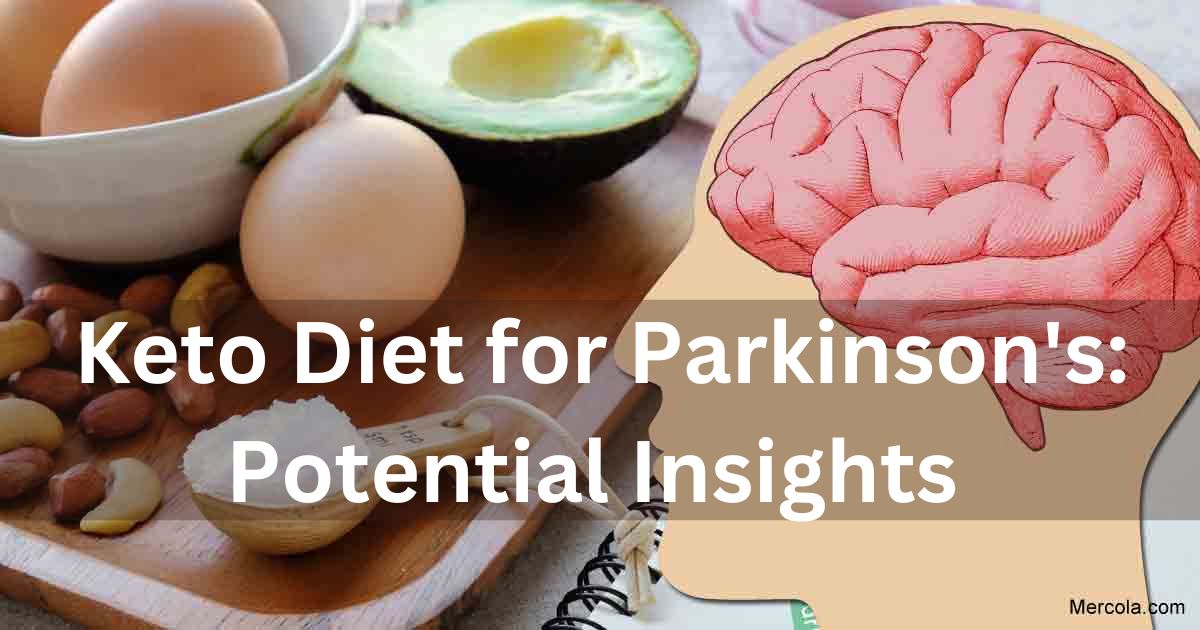
The keto diet may offer potential benefits for Parkinson’s disease management. It primarily focuses on high-fat, low-carbohydrate foods that could influence brain health.
Exploring the relationship between diet and neurological disorders has led to increased interest in the ketogenic diet as a complementary approach to Parkinson’s disease treatment. This diet simulates a state of fasting by forcing the body to burn fats rather than carbohydrates, which produces ketones to be used as an alternative energy source for the brain.
Evidence suggests that this metabolic shift can improve mitochondrial function and reduce oxidative stress, potentially offering neuroprotective effects. Patients with Parkinson’s looking for dietary interventions often consider the ketogenic diet’s ability to stabilize dopamine levels, which could alleviate some symptoms. However, it is crucial to consult healthcare providers before making any dietary changes, as individual health factors need careful consideration.

Breaking Down The Keto Diet
Discovering the potential benefits of a ketogenic diet for Parkinson’s patients starts with understanding its basics. Breaking down the keto diet reveals how it transforms the body’s energy use and possible impacts on neurological health.
What Is Ketosis?
Ketosis is a metabolic state. In this state, the body burns fat for energy instead of glucose. This process produces ketones, which the body then uses as fuel. Many people with Parkinson’s explore this diet to foster better energy management and neurological support.
Key Components Of A Ketogenic Diet
The ketogenic diet has specific dietary requirements to maintain ketosis:
- Low Carbohydrate Intake: Limits sugars, starches, and grains.
- Adequate Protein: Ensures proper muscle function and repair.
- High Fat Consumption: Focuses on healthy fats for fuel.
Below is a table outlining the macronutrient distribution:
| Macronutrient | Percentage of Daily Intake |
|---|---|
| Fat | 70-80% |
| Protein | 20-25% |
| Carbohydrates | 5-10% |
Parkinson’s Disease At A Glance
Imagine a tree whose leaves tremble without a whiff of wind. This image echoes the challenges faced by those with Parkinson’s. This condition grips the nervous system, often springing from nowhere and steadily shaking the foundations of bodily control. With movement and balance affected, Parkinson’s Disease unfolds uniquely for each person, altering their way of life.
Limited Offers for Keto and Paleo-Friendly Baking Mixes perfect for your health-conscious reader list! Get Right Now!!
The Hallmarks Of Parkinson’s
Parkinson’s Disease is known primarily for its impact on voluntary movement. Symptoms may start mild, often with a hardly noticeable tremor in just one hand. But as the disease progresses, the challenges become more apparent. Below, find the key features:
- Tremors: A shaking that typically begins in a limb, often in the hand or fingers.
- Slowed Movement (Bradykinesia): Over time, Parkinson’s can slow movement, making simple tasks difficult and time-consuming.
- Rigid Muscles: Muscle stiffness can occur in any part of the body, impairing range of motion and causing pain.
- Impaired Posture and Balance: Posture may become bent, and balance issues may develop, leading to falls.
- Loss of Automatic Movements: Decreased ability to perform unconscious movements like blinking or smiling.
- Changes in Speech: Speech may become soft, quick, slur, or hesitate before talking.
- Writing Changes: It may become hard to write, and writing may appear small.
Current Treatment Paradigms
Treating Parkinson’s requires a broad approach, with medication and therapy at the forefront. No single treatment exists; rather, a mix of strategies helps manage the disease. Below are the prevalent treatments:
| Therapy | Description |
|---|---|
| Medications | Drugs like Levodopa and dopamine agonists aim to control symptoms, primarily motor-related. |
| Physical Therapy | Focused on mobility, flexibility, and balance, physical therapy can enhance quality of life. |
| Occupational Therapy | This aids in maintaining independence by adapting to daily activities and routines. |
| Speech-Language Pathology | Aims to improve communication difficulties and treat swallowing disorders. |
| Deep Brain Stimulation | A surgical procedure that can reduce symptoms in later stages, particularly for those unresponsive to medication. |
Exploring The Connection
People with Parkinson’s disease often seek new ways to manage symptoms. The ketogenic diet, or ‘keto’ for short, shows promise. This diet changes how the body uses energy. As a result, it might help those with Parkinson’s. Let’s dive into the connection between the keto diet and Parkinson’s disease.
Keto Diet’s Effect On The Brain
The keto diet has a unique impact on brain function. Fats become the main energy source, not carbs. This leads to the production of ketones. Ketones serve as an alternative fuel for the brain. Some experts believe ketones might protect brain cells. This could be vital for those with neurological issues like Parkinson’s.
- Ketones may reduce oxidative stress, which damages cells.
- They also help in reducing inflammation in the brain.
- Improved energy production in brain cells could support better cognitive functions.
Insight From Recent Studies
Recent research sheds light on how the keto diet might benefit Parkinson’s patients. One study presented evidence that a ketogenic lifestyle improved motor function and mood in Parkinson’s patients. These findings suggest a positive link between the keto diet and symptom management.
| Study | Findings | Impact on Parkinson’s |
|---|---|---|
| Study 2017 | A ketogenic diet led to better mood and stability. | Potential for long-term symptom management. |
| Study B 2020 | Improved motor skills in patients on a keto diet. | Evidence supporting keto for physical symptom relief. |
While these insights are promising, researchers continue to explore how the keto diet specifically aids Parkinson’s patients. Consulting healthcare professionals before changing diets is critical for those considering keto for Parkinson’s.
Potential Benefits For Parkinson’s Patients
The ketogenic diet, high in fats and low in carbs, has gained attention for its potential to aid Parkinson’s patients. While research is ongoing, some studies suggest keto may offer notable benefits for those facing this challenge. Careful supervision by healthcare professionals is vital to tailor the diet to individual needs.
Symptomatic Relief
Parkinson’s disease causes various symptoms that impact daily life. The ketogenic diet might help alleviate these. Let’s explore how:
- Improved Motor Skills: Studies hint at keto enhancing motor control.
- Energy Boost: As the body switches to burning fat, patients may experience heightened energy levels.
- Cognitive Support: The diet’s impact on brain health could aid mental functions.
Neuroprotective Properties
Evidence suggests the ketogenic diet’s effect on the nervous system may slow Parkinson’s progression. The diet promotes brain health and resilience in several ways:
| Aspect of Neuroprotection | Potential Advantage |
|---|---|
| Mitochondrial Support | Keto may stabilize the energy factories of cells. |
| Reduction in Oxidative Stress | By decreasing harmful molecules, keto can protect brain cells. |
| Enhanced Brain Metabolism | Switching the brain’s fuel source to ketones might improve its function. |
Real-world Implications
The Keto Diet has sparked interest in the Parkinson’s community. Its real-life effects draw attention. We explore personal journeys and dietary hurdles Parkinson’s patients face when adopting Keto.
Patient Stories
Many with Parkinson’s share experiences with the Keto Diet. Success varies, but common themes emerge:
- Improved Motor Control: Some report better movement.
- Boosted Energy Levels: Reports indicate more daily energy on Keto.
- Cognitive Benefits: A few note sharper mental clarity.
Yet, it’s not a cure-all. Each story underscores Keto’s potential and its variability in impact.
Dietary Considerations And Challenges
Adopting Keto for Parkinson’s isn’t without its tests:
| Consideration | Challenge |
|---|---|
| Strict Fat-Protein Balance | Planning meals requires precision and can be time-consuming. |
| Monitoring Ketosis | Daily tests ensure the body remains in a ketogenic state. |
| Social Dining | Eating out poses difficulties with limited Keto-friendly options. |
| Initial Side Effects | The “Keto flu” can be discouraging in the diet’s early stages. |
It requires endurance and support to navigate these waters. Families and caregivers play a key role in this transition.
Medical Community Perspectives
The Keto Diet for Parkinson’s disease continues to draw attention within the medical community. This diet’s potential effects on neurological health spark diverse opinions and research efforts among experts. We delve into the perspectives of medical professionals and examine the current landscape of research in this field.
Expert Opinions
Many neurologists remain cautiously optimistic about the ketogenic diet’s role in managing Parkinson’s symptoms. Advocates highlight the diet’s ability to increase energy availability in brain cells. They state that ketones may provide an alternative energy source for these cells, which could potentially alleviate some symptoms.
- Boosts brain metabolism: Ketones may improve neuronal stability.
- Reduces oxidative stress: Advocates suggest this leads to reduced cell damage.
- Decreases inflammation: Inflammation contributes to Parkinson’s progression.
However, some experts urge caution, noting that long-term effects remain uncertain. These professionals worry about the diet’s rigidity and nutritional balance, emphasizing the need for more evidence-based research.
Ongoing Research And Future Prospects
Research into the ketogenic diet for Parkinson’s disease is expanding, offering hope for new treatments. Early-stage studies show positive signs, prompting larger, more conclusive trials.
| Research Focus | Objective | Status |
|---|---|---|
| Ketogenic impact on symptoms | Assess symptom improvements | Ongoing |
| Long-term health effects | Understand sustainability | Initial stages |
| The keto diet as an adjunct therapy | Combine with traditional treatments | Exploratory phase |
As these studies mature, the medical community awaits clear evidence of the keto diet’s efficacy and safety. The prospect of ketosis as a therapeutic option shines a beacon of hope, warranting a closer scientific gaze.
Here is a Resource On The Keto Diet for you!
Frequently Asked Questions Of Keto Diet For Parkinson’s
Can A Keto Diet Benefit Parkinson’s Patients?
A ketogenic diet may offer neuroprotective benefits for individuals with Parkinson’s Disease (PD). Studies suggest that it can improve motor function and reduce symptoms due to its potential to enhance mitochondrial function and reduce inflammation in the brain.
What Foods Are Included In A Keto Plan For Parkinson’s?
Keto diets for Parkinson’s focus on high-fat, low-carbohydrate foods. This includes meats, fatty fish, eggs, butter, cream, nuts, seeds, low-carb vegetables, and healthy oils. Sugars, grains, and high-carb fruits are generally avoided.
How Does Ketosis Impact Parkinson’s Disease Symptoms?
Ketosis, the metabolic state achieved with a keto diet, may lessen Parkinson’s symptoms. It provides alternative energy sources for the brain, which could improve motor control and stability. Further research is necessary to fully understand these effects.
Are There Risks To Starting Keto With Parkinson’s?
Like any diet, the keto diet holds potential risks, especially for individuals with chronic conditions. For Parkinson’s patients, it’s crucial to consult healthcare professionals before starting to ensure nutritional needs are met and to avoid exacerbating any underlying health issues.
Conclusion
Embarking on a keto journey could be transformative for those battling Parkinson’s disease. This high-fat, low-carb diet shows promise in easing symptoms and potentially slowing progression. As always, consult with healthcare professionals before major dietary changes. Take charge of your well-being – explore the keto option!