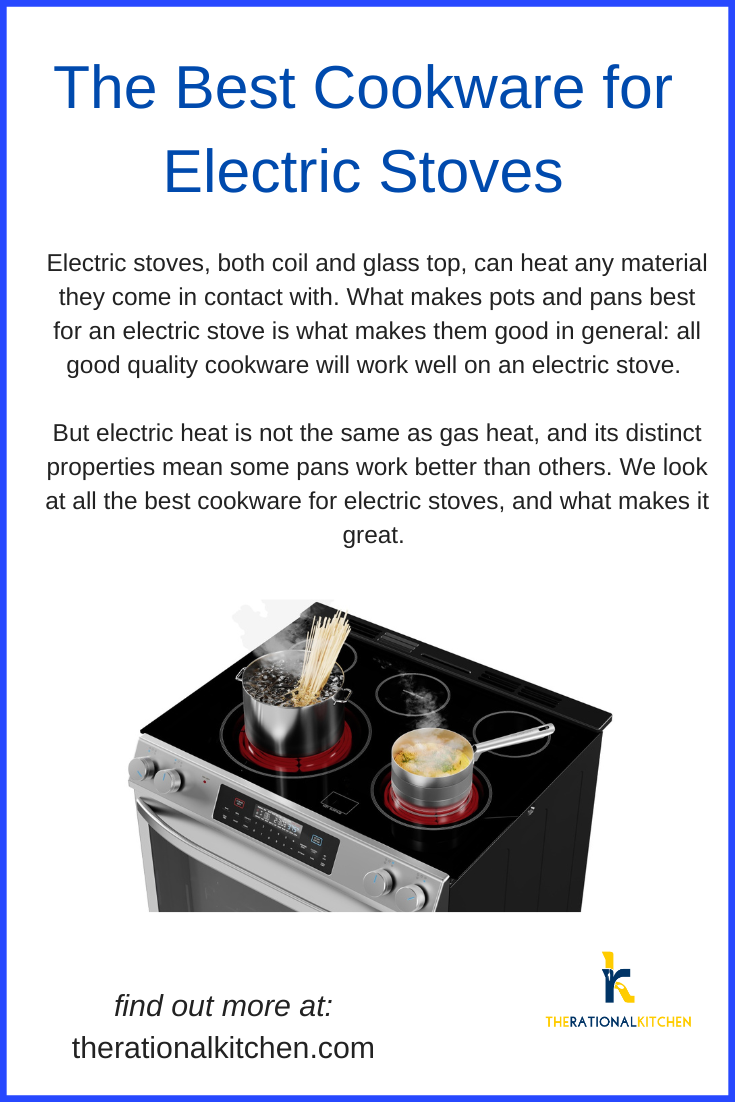
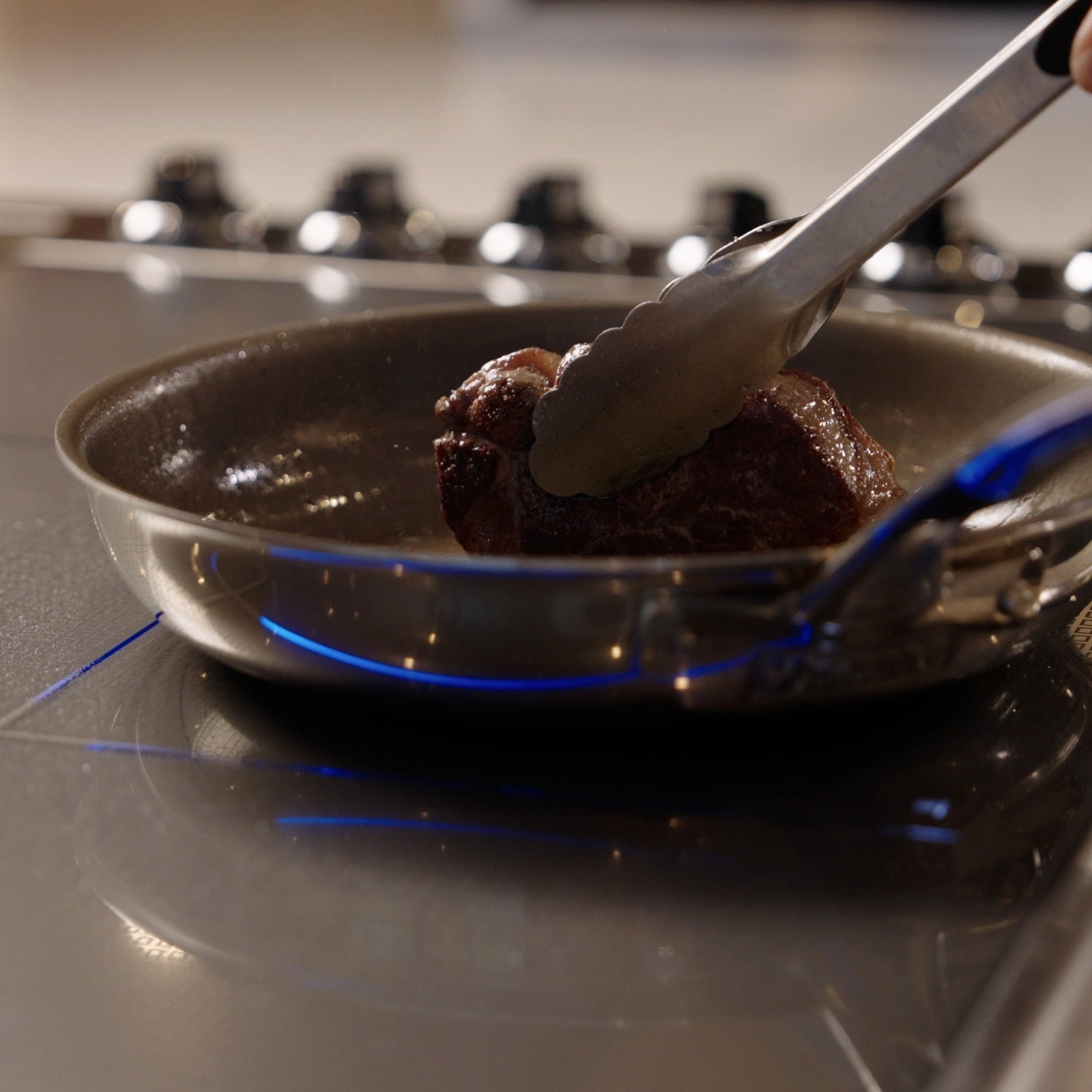
best cookware for electric coil stove: heavy-bottom stainless steel, cast iron, and tri-ply clad aluminum work best.
I’ve cooked on electric coil stoves for years and tested dozens of pans. In this guide I explain clearly what makes the best cookware for electric coil stove, how to choose it, and which types deliver the best results for heat, durability, and ease of use. Read on for hands-on tips, mistakes to avoid, and practical picks you can trust.
Why the right cookware matters for electric coil stoves
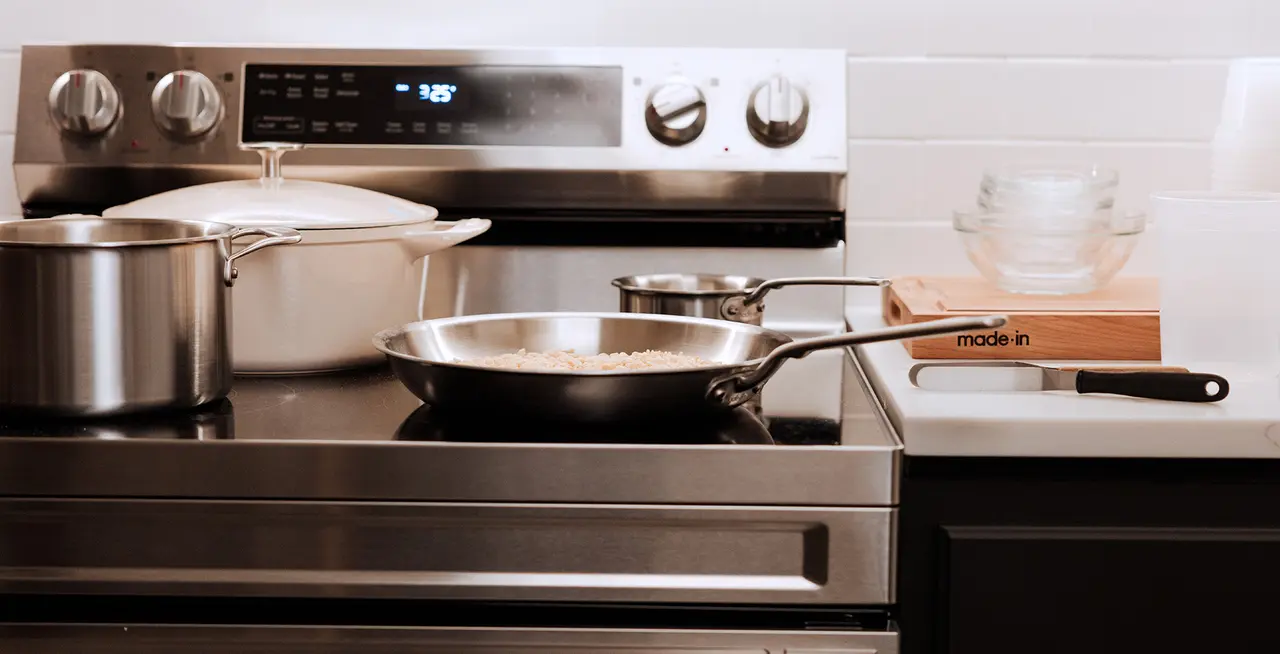
Electric coil burners heat differently than gas or induction. They use radiant heat from metal coils. That means heat is less even and slower to change. Choosing the best cookware for electric coil stove helps you get steady heat, fewer hot spots, and better cooking results.
I’ve used a coil stove for daily cooking. I learned that a flat, heavy bottom matters most. Thin pans warp or cook unevenly. The best cookware for electric coil stove resists warping and spreads heat well.
Common search questions (PAA-style)
What cookware material works best on coil stoves?
- Heavy-bottom stainless steel, cast iron, and tri-ply clad aluminum are top choices because they spread heat evenly and resist warping.
Do coil stoves need flat-bottom pans?
- Yes. Flat bottoms maximize contact with the coil. That improves heat transfer and reduces hot spots.
Can nonstick pans be used on coil stoves?
- Yes, but choose high-quality hard-anodized or heavy-gauge nonstick with a flat base to avoid warping and to preserve the coating.
Best materials for electric coil stoves
Stainless steel (tri-ply or clad)
- Why it’s good: Durable, non-reactive, and often paired with an aluminum core for even heat.
- Best use: Searing, sauces, everyday cooking.
- Note: Look for fully clad or tri-ply construction for the best heat spread.
Cast iron
- Why it’s good: Outstanding heat retention and even heat once hot.
- Best use: Frying, braising, and slow-cooking.
- Note: Preheat slowly on coils to avoid warping and protect the seasoning.
Hard-anodized aluminum
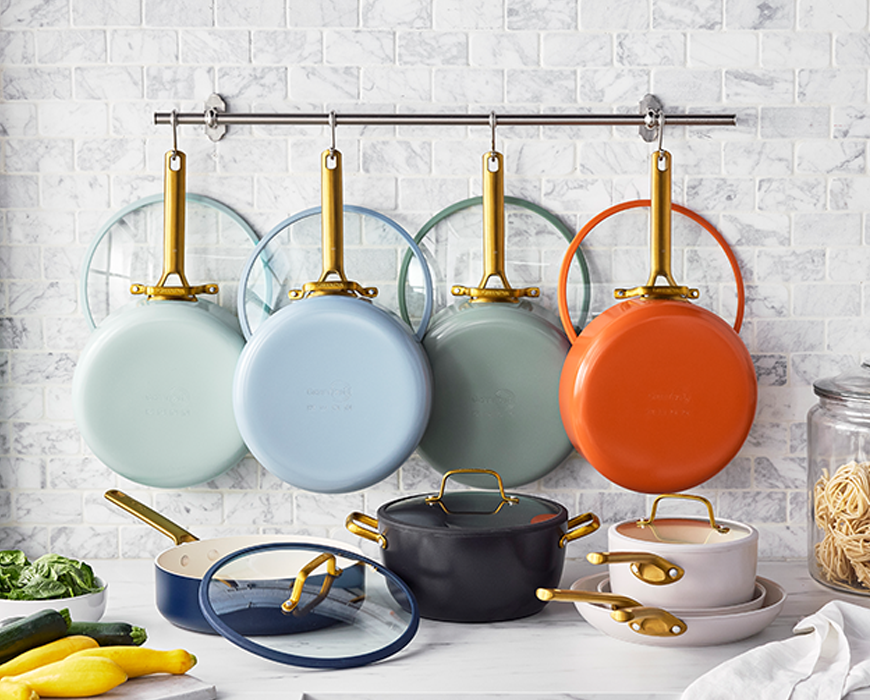
- Why it’s good: Lightweight, excellent heat conduction, and durable nonstick surfaces.
- Best use: Eggs, pancakes, and low-fat cooking.
- Note: Choose heavy-gauge pans to avoid warping on coils.
Copper core (with stainless cladding)
- Why it’s good: Fast and precise heat control.
- Best use: Delicate sauces and recipes that need quick temperature shifts.
- Note: Copper pans must have a flat, thick base for coil stoves to avoid hot spots.
Enamel-coated cookware
- Why it’s good: Combines cast iron heat retention with easy cleaning and a non-reactive surface.
- Best use: Stews and one-pot meals.
- Note: Heavy and works well on coils, but avoid sudden temperature changes.
Top cookware features to look for
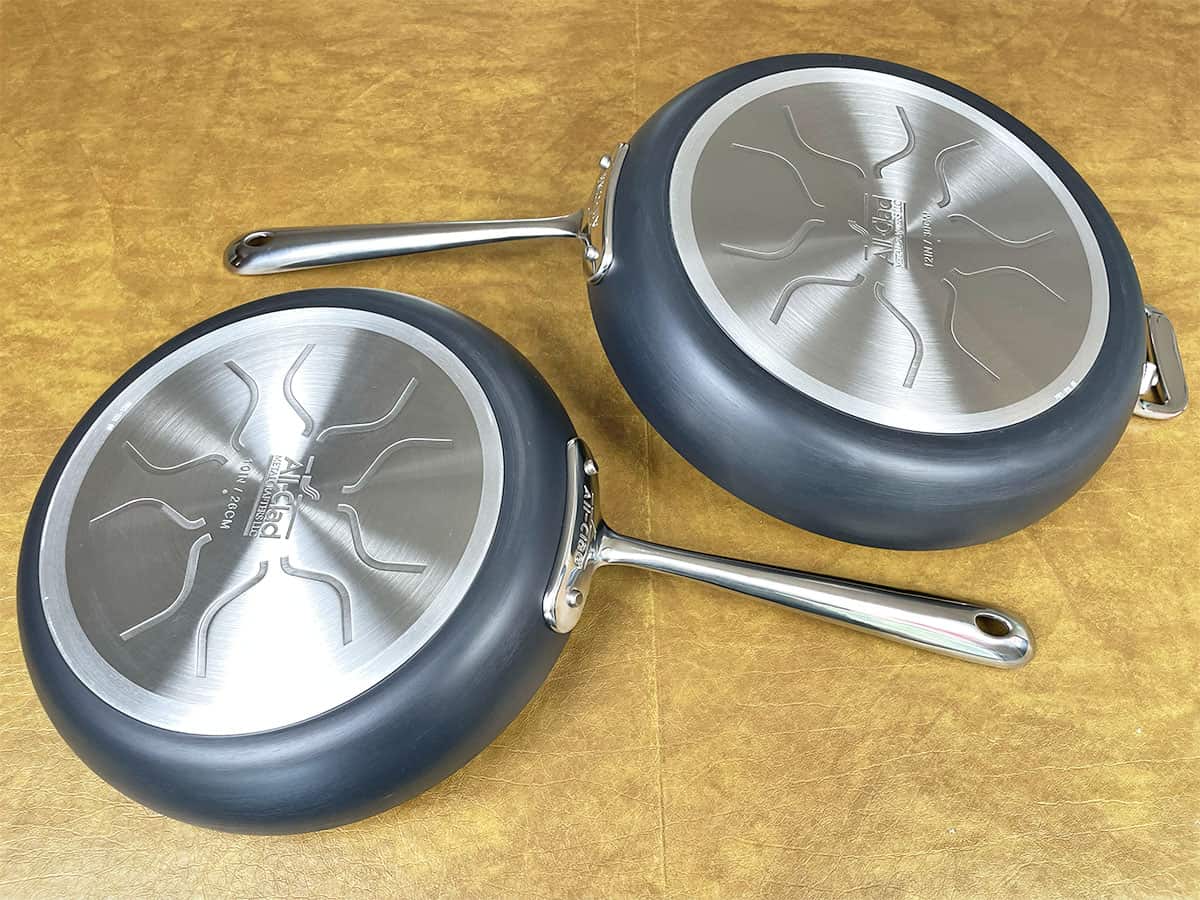
Flat, thick bottom
- Ensures full contact with the coil.
- Reduces hot spots and improves heat transfer.
Heavy gauge construction
- Resists warping under coil heat.
- Improves evenness and durability.
Good handles and lids
- Riveted stainless handles stay cool.
- Well-fitting lids trap heat and moisture.
- Match pan diameter to coil size.
- Smaller pans on large coils lose efficiency.
Magnetic base is not required
- Coil stoves do not use magnetic induction.
- Focus on flatness and thickness instead.
Weight balance
- Heavy pans hold heat but can be hard to lift.
- Find a balance for comfort and performance.
My tested picks and practical recommendations
Single pans I use daily
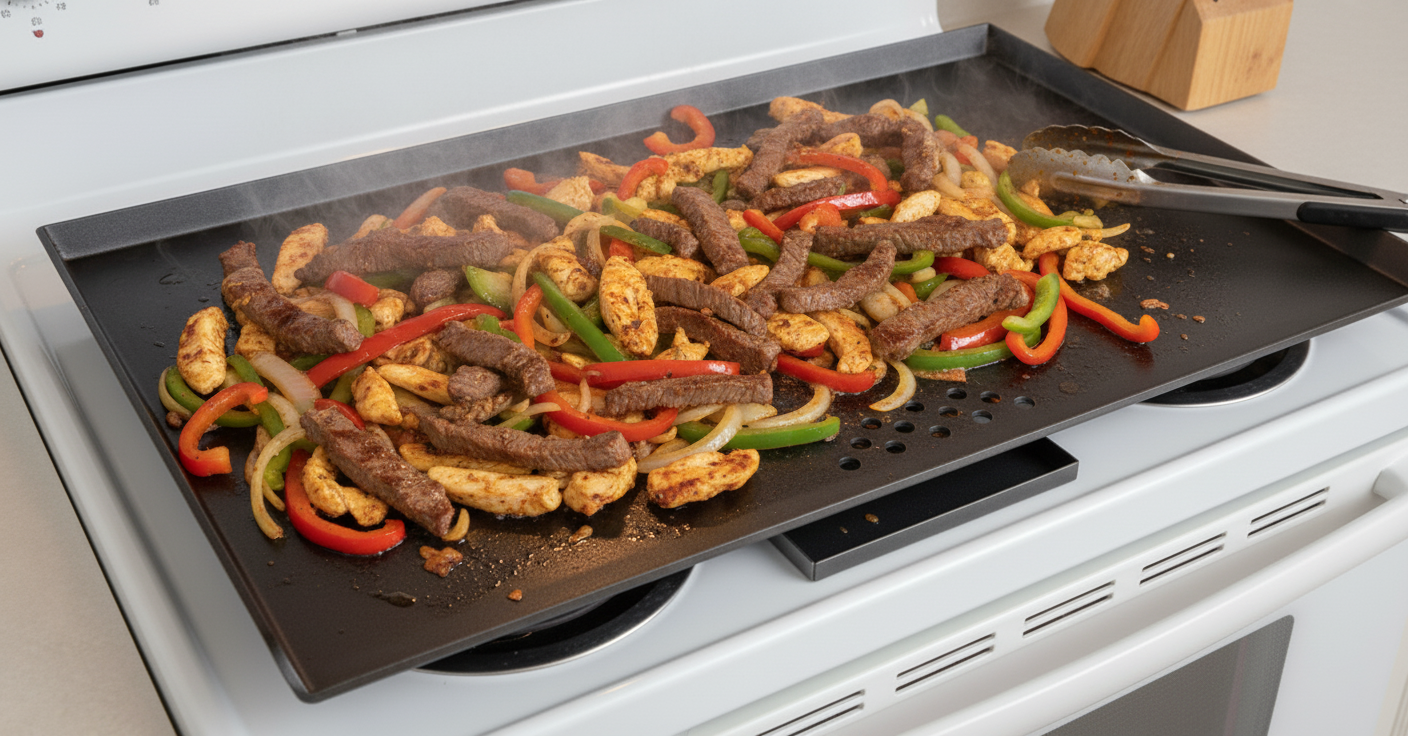
- Cast iron skillet (10–12 inch): Excellent for searing and steady heat. Season regularly.
- Tri-ply stainless fry pan (10-inch): Great for everyday work. Heats evenly on coils.
- Hard-anodized nonstick skillet (10-inch): Best for eggs and pancakes; choose heavy gauge.
Cookware sets to consider
- Look for sets with fully clad or tri-ply construction. Sets are cost-effective when they include at least one heavy skillet and a sauce pot.
- Avoid thin, single-ply aluminum sets. They warp on coils.
Budget tips
- Buy individual high-quality pieces rather than a cheap full set.
- A good cast iron skillet and one tri-ply pan cover most needs.
Personal note
- I once bought a light-weight nonstick set and watched the pans warp in months. After switching to tri-ply and cast iron, my cooking improved and the pans lasted years. That taught me to test for flatness and weight before buying.
Care and maintenance for longevity
Prevent warping
- Heat pans gradually. Avoid blasting a cold pan on high coil heat.
- Don’t leave empty pans on a hot coil.
Clean and dry well
- Wash with warm soapy water and dry immediately to prevent rust on cast iron.
- For stainless steel, remove discoloration with a paste of baking soda and water.
Season cast iron
- Keep a thin oil layer to protect the pan and build a nonstick surface.
- Re-season if food starts sticking or if rust appears.
Store correctly
- Stack pans with soft liners to protect finishes.
- Store lids separately if needed to avoid scratching.
Common mistakes and how to avoid them
Buying thin pans to save money
- Mistake: They warp and cook unevenly.
- Fix: Spend a bit more on heavy-gauge or tri-ply construction.
Using the wrong pan size
- Mistake: Small pans on large coils waste energy and cook poorly.
- Fix: Match pan diameter to the coil.
Overheating nonstick
- Mistake: Damages coating and reduces life.
- Fix: Use medium heat; reserve high heat for stainless or cast iron.
Ignoring pan flatness
- Mistake: Warped pans cause wobble and uneven cooking.
- Fix: Check flatness visually or by placing a straight edge on the base.
Frequently Asked Questions of best cookware for electric coil stove
What is the single best material for an electric coil stove?
For most cooks, tri-ply stainless steel with an aluminum core is the best material. It balances heat distribution, durability, and maintenance.
Can I use cast iron on an electric coil stove?
Yes. Cast iron works very well because it holds heat and cooks evenly, but preheat it slowly and maintain the seasoning.
Are nonstick pans okay for coil stoves?
High-quality, heavy nonstick pans are fine. Avoid thin nonstick pans that warp and lose their nonstick properties.
How do I prevent warping on an electric coil stove?
Use heavy-gauge pans, preheat gradually, and avoid sudden temperature shocks like placing a hot pan in cold water.
Do I need cookware with a magnetic base?
No. Magnetic bases matter for induction cooktops, not coil stoves. Focus on flatness and even heat conduction instead.
How important is a flat bottom for coil stoves?
Very important. Flat bottoms ensure full contact with the coil. That gives better heat transfer and fewer hot spots.
Conclusion
Choosing the best cookware for electric coil stove means picking heavy, flat-bottom pans that spread heat evenly. Prioritize tri-ply stainless, cast iron, or heavy hard-anodized aluminum. Test pans for flatness, avoid thin metals, and care for your cookware with gentle heating and proper cleaning. Start by upgrading one key pan—your results will improve quickly. Try one recommended material today, and share your experience or questions below.