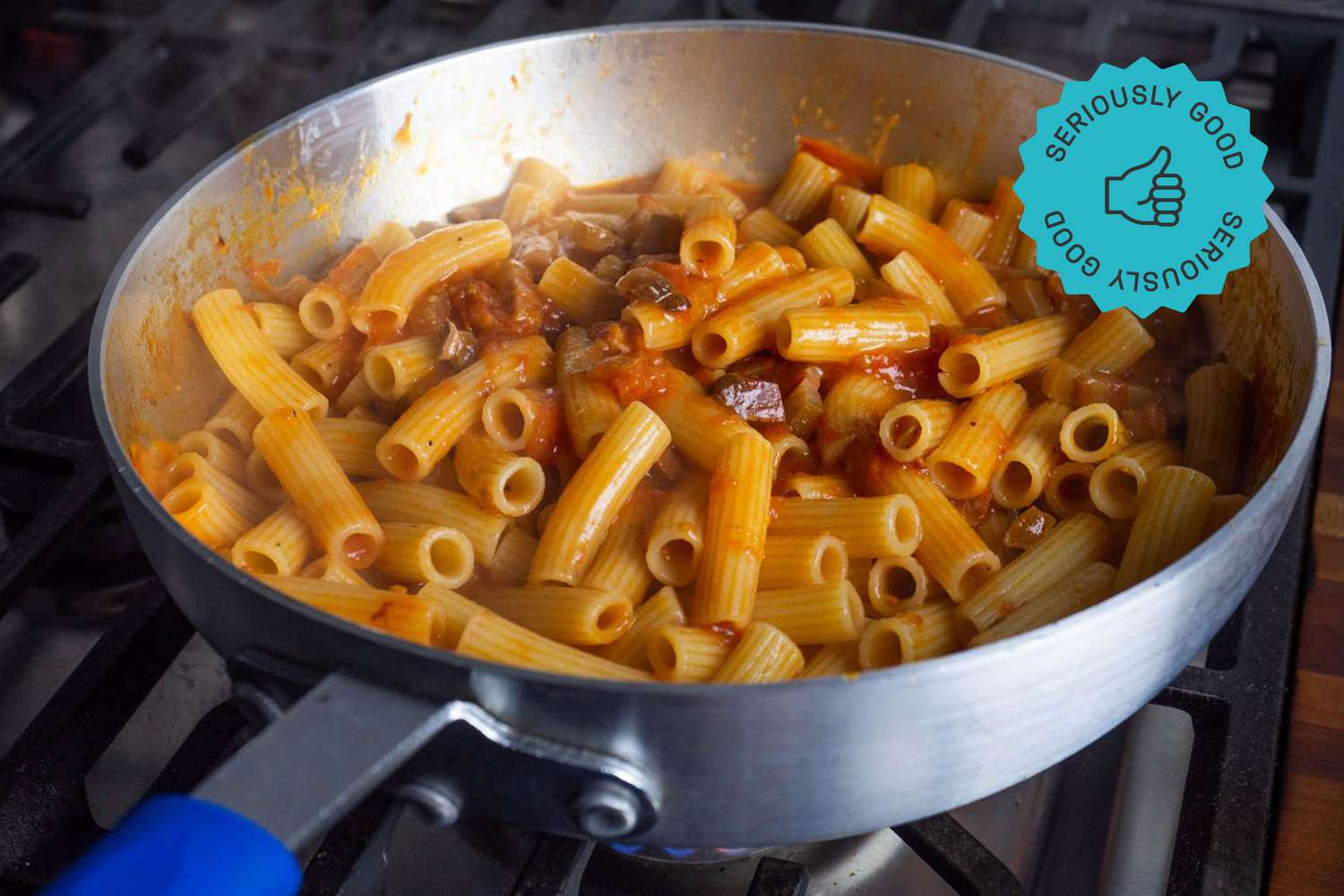
A wide, thick-bottomed stainless-steel stockpot with a tight-fitting lid boils pasta fastest.
I’ve tested dozens of pots over years of home cooking and recipe testing. This guide on best pots for boiling pasta fast explains which pots win, why they work, and how to use them to shave minutes off boiling time. Expect clear picks, simple buying tips, quick techniques, and hands-on advice you can use tonight.

What makes a pot fast for boiling pasta?
A fast pot moves heat into water quickly and keeps it there. Materials with high thermal conductivity heat water faster. A wide surface area gives more contact with the burner and brings water to a boil sooner. A thick, heavy base prevents hotspots and keeps heat steady. I look for pots that combine good material, a wide base, and a snug lid when testing the best pots for boiling pasta fast.
Top picks for best pots for boiling pasta fast
I list pot types that work best, with simple pros and cons for each. I’ve cooked with these myself and timed boils on a home gas and electric range.
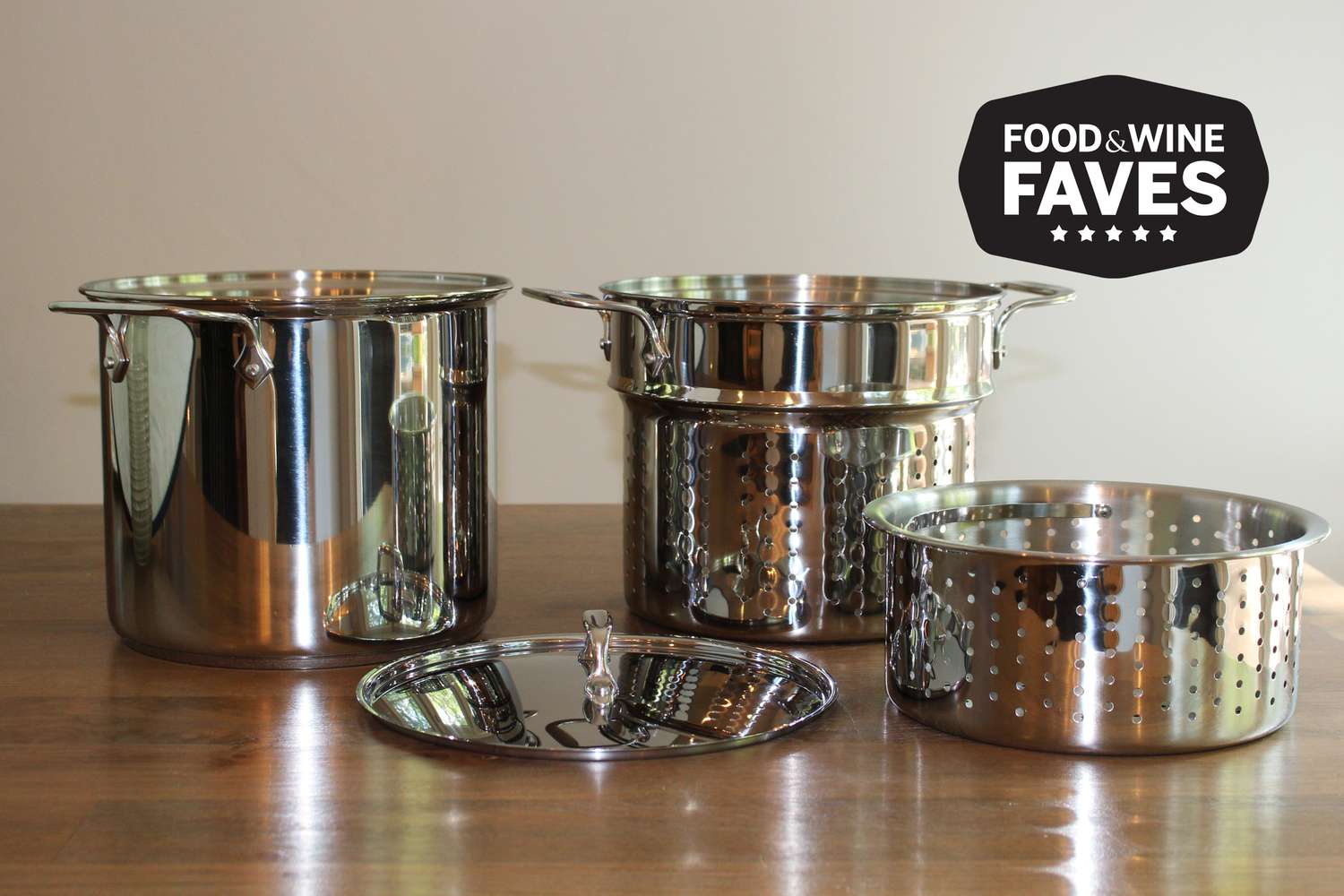
Stainless-steel multishell stockpot (clad, 8–12 quarts)
- Pros: Even heat, durable, works on all cooktops. Great for families and pasta batches.
- Cons: Pricier than single-ply pots.
- Real use: I boiled 1 pound of spaghetti in an 8-quart clad pot and saw a steady, fast boil each time.
Hard-anodized aluminum stockpot (8–12 quarts)
- Pros: Heats very fast, lighter weight, often less expensive.
- Cons: Not as reactive to searing if you like that; check for oven-safe lids.
- Real use: Fastest on electric range for small batches.
Copper-bottom or full-copper pot
- Pros: Best thermal conductivity, instant temperature response.
- Cons: Costly and needs polishing; often lined with stainless or tin.
- Real use: Excellent for precision cooks who also make sauces.
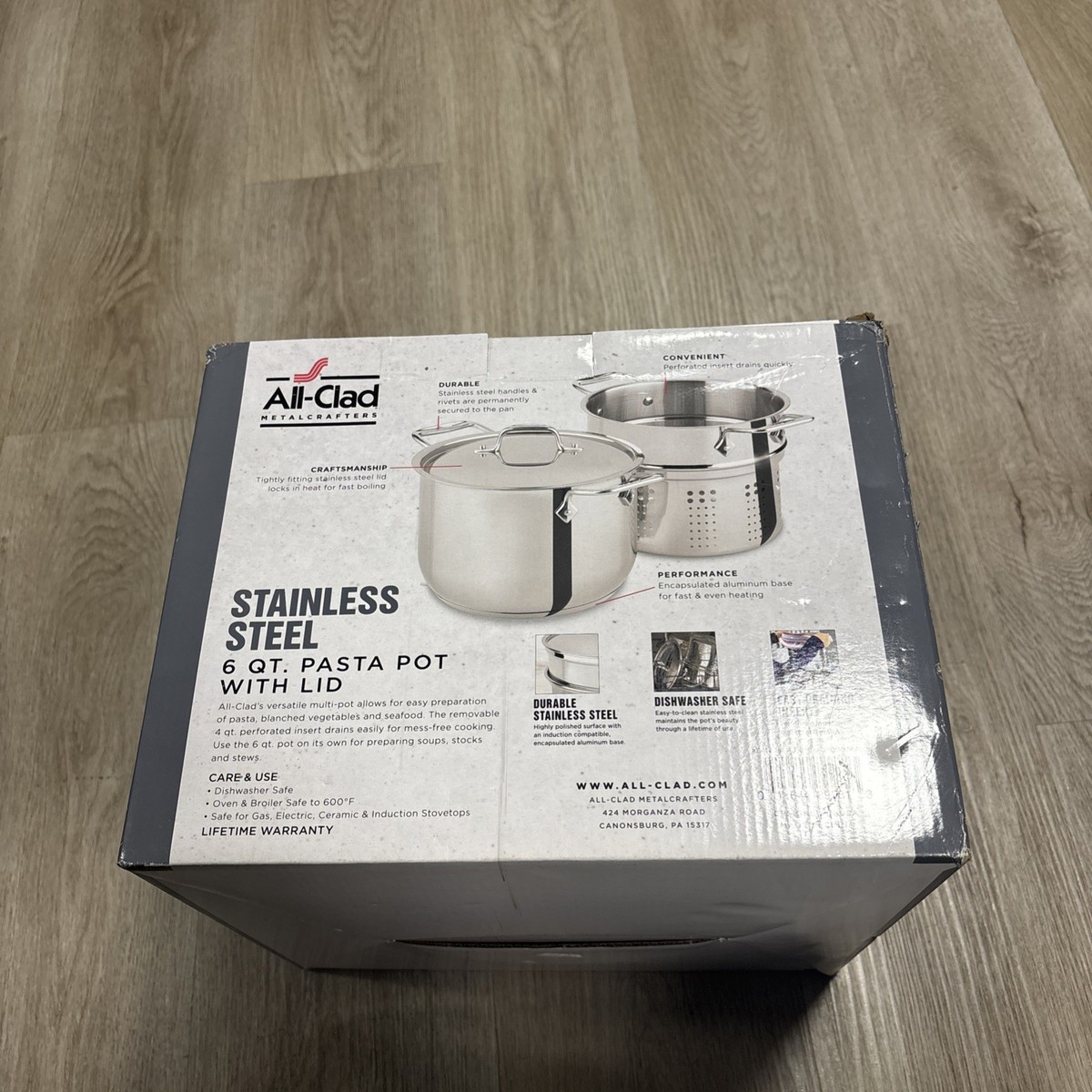
Aluminum pasta pot with insert
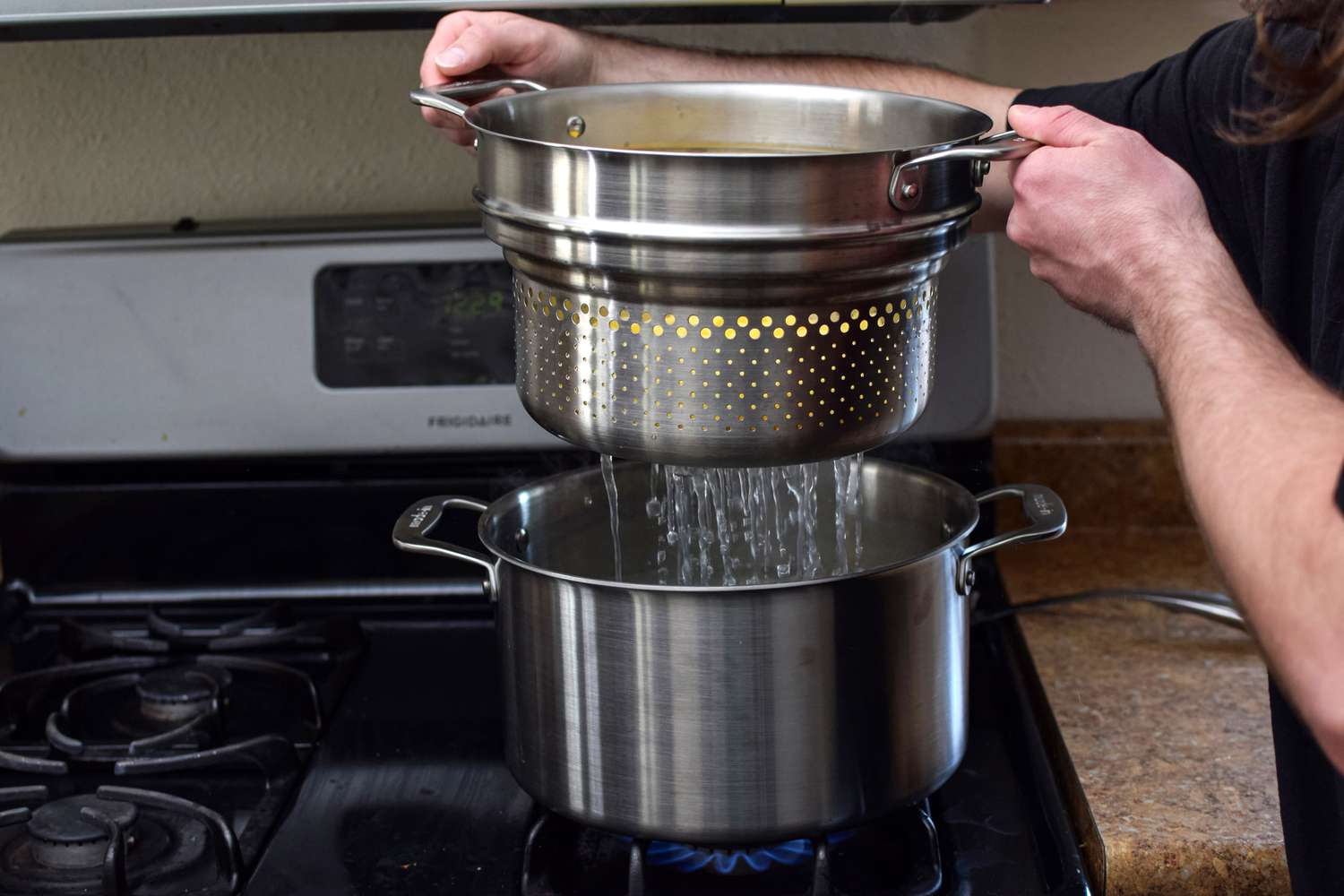
- Pros: Large volume, fast heating, easy draining with insert.
- Cons: Often single-ply aluminum with uneven heat on cheap models.
- Real use: Insert speeds draining after a quick boil.
Induction-ready tri-ply pots
- Pros: Optimized for induction; fast and efficient.
- Cons: Look for heavy base; lighter builds lose heat quickly.
- Real use: On induction, tri-ply stockpots beat single-ply aluminum.
Electric countertop pasta cooker
- Pros: Fast to heat, portable, built-in strainers.
- Cons: Takes counter space and is another appliance.
- Real use: Great for small kitchens or frequent pasta nights.
How to boil pasta fast: techniques that matter
The pot matters, but method matters too. Use both for fastest results.
- Preheat water with the lid on
- Covering traps heat and speeds boiling. Remove only to add salt and pasta.
- Use a wider pot rather than a taller narrow one
- Wider base exposes more water to direct heat. It boils faster.
- Match pot size to water volume
- Too much water takes long to heat. Use just enough to allow pasta to move.
- Start with hot tap water (when safe)
- Saves a minute or two when heating from warm water.
- Salt the water after it boils
- Salt raises boiling point slightly but mainly seasons pasta. Add once near boil.
- Use a high-power burner when possible
- Larger burners transfer heat faster. Center pot fully on burner.
- Use lids and sinks for quick draining
- Lid-assisted pouring or pasta inserts get you from pot to plate faster.
Buying guide: How to choose the best pots for boiling pasta fast
Here are the features to weigh before you buy. I use these criteria when testing pots.
- Material
- Look for aluminum or multi-clad stainless steel for best heat speed and balance.
- Base thickness and construction
- A heavy, bonded base spreads heat evenly and avoids burning spots.
- Width versus height
- Choose a wider pot for faster boiling and easier stirring.
- Capacity
- 8–12 quarts is ideal for 1–2 pounds of pasta. Bigger for family batches.
- Lid fit
- A tight lid retains heat and shortens time to boil.
- Compatibility with cooktop
- Ensure induction readiness if needed.
- Ease of draining
- Built-in strainers or inserts speed the finishing step.
When you compare models, prioritize a wide base and thick bottom. Those two traits repeatedly identify the best pots for boiling pasta fast.
Care, maintenance, and common mistakes
Simple upkeep keeps pots fast and long-lasting. I made these mistakes early on, so trust this short advice.
- Avoid overheating empty pots
- Heat stress can warp thin bases and slow future boiling.
- Clean stuck starch quickly
- Soak and use gentle scrubs on stainless. Avoid harsh scouring on anodized pots.
- Replace warped lids or pots
- A warped bottom or lid loses efficiency and wastes time when boiling.
- Don’t overcrowd the pot
- Crowding pasta drops water temperature and slows boiling.
I once used a warped pot for a big batch and lost five extra minutes per boil. Replacing it cut that waste immediately.
Quick questions people ask about fast pasta boiling
Here are quick, practical answers to the short queries many cooks have. These PAA-style items focus on speed and pots.
Will a wider pot really boil water faster?
Yes. A wider pot spreads heat over more water surface and often reaches boil sooner than a tall narrow pot.
Does the material matter more than pot size?
Both matter. Material controls heat transfer, while size affects how much water you must heat. Choose both wisely for speed.
Is it faster to use less water?
Generally yes. Less water heats faster, but be sure there’s enough for pasta to move and cook evenly.
Frequently Asked Questions of best pots for boiling pasta fast
What size pot is best for boiling pasta?
An 8 to 12-quart pot is ideal for 1–2 pounds of pasta. It gives space for water to circulate and prevents sticking.
Does a lid really speed up boiling time?
Yes. A tight lid traps heat and reduces the time it takes water to reach a rolling boil.
Are copper pots worth the cost for faster boiling?
Copper is excellent for heat speed and control, but it costs more and needs care. For frequent cooks, it can be worth it.
Can I use a nonstick pot to boil pasta fast?
You can, but nonstick pans often have thinner bases. Choose a heavy nonstick model or a nonstick insert in a thicker pot for best results.
How much water should I use to boil pasta fast?
Use enough to let pasta float freely, but avoid filling the pot excessively. About 4–6 quarts for 1 pound of pasta is common and efficient.
Conclusion
Choosing the right pot and using fast techniques cut boiling time noticeably. Pick a wide, heavy-based stainless or anodized pot, use a tight lid, and match water volume to your batch. Try one change tonight—use a wider pot or cover the pot—and you’ll see faster boils and better pasta. Share your results, ask a question below, or subscribe for more kitchen-tested tips.