Best overall: a compact, nonstick 8-piece set with a frying pan, saucepan, and lid — durable and affordable.
Choosing the best cookware set for college students USA means balancing price, size, durability, and ease of cleaning. I write guides like this after years of testing kitchen gear and helping students pick practical sets. This article breaks down what matters most, shows top picks for small kitchens and dorms, and gives clear buying and care tips so you can cook well without clutter or fuss. Read on to find the right cookware that fits campus life, budgets, and simple meals.
How to choose the best cookware set for college students USA
Pick cookware that matches small kitchens and busy schedules. Look for lightweight pieces that stack. Prefer nonstick or stainless steel for easy cleaning. Choose 6–10 pieces to cover basics without wasting space.
Important factors to weigh:
- Size and storage: Compact nesting pieces save space.
- Material: Nonstick for low-fat cooking; stainless for searing and durability.
- Stove compatibility: Make sure pans work on electric, gas, or induction.
- Weight: Lighter sets are easier to carry to and from school.
- Cleanup: Dishwasher-safe and easy-wipe finishes matter.
- Price and warranty: Balance cost with a reliable warranty.
Real students need sets that fry, simmer, and boil without fuss. I tested sets in small apartments and shared kitchens. The best cookware set for college students USA is one you actually use every week, not a bulky gift you never unpack.
Top picks: best cookware set for college students USA
Below are practical picks that fit dorm rooms, apartments, and busy schedules. Each entry highlights why it works for students.
- Compact 8-piece nonstick starter set
- Best for quick meals and low cleanup.
- Includes 8-inch fry pan, 10-inch fry pan, 1.5-qt saucepan with lid, 5-qt pot with lid.
- Pros: Light, oven-safe to moderate temps, dishwasher-safe.
- Cons: Nonstick can wear after a few years with rough use.
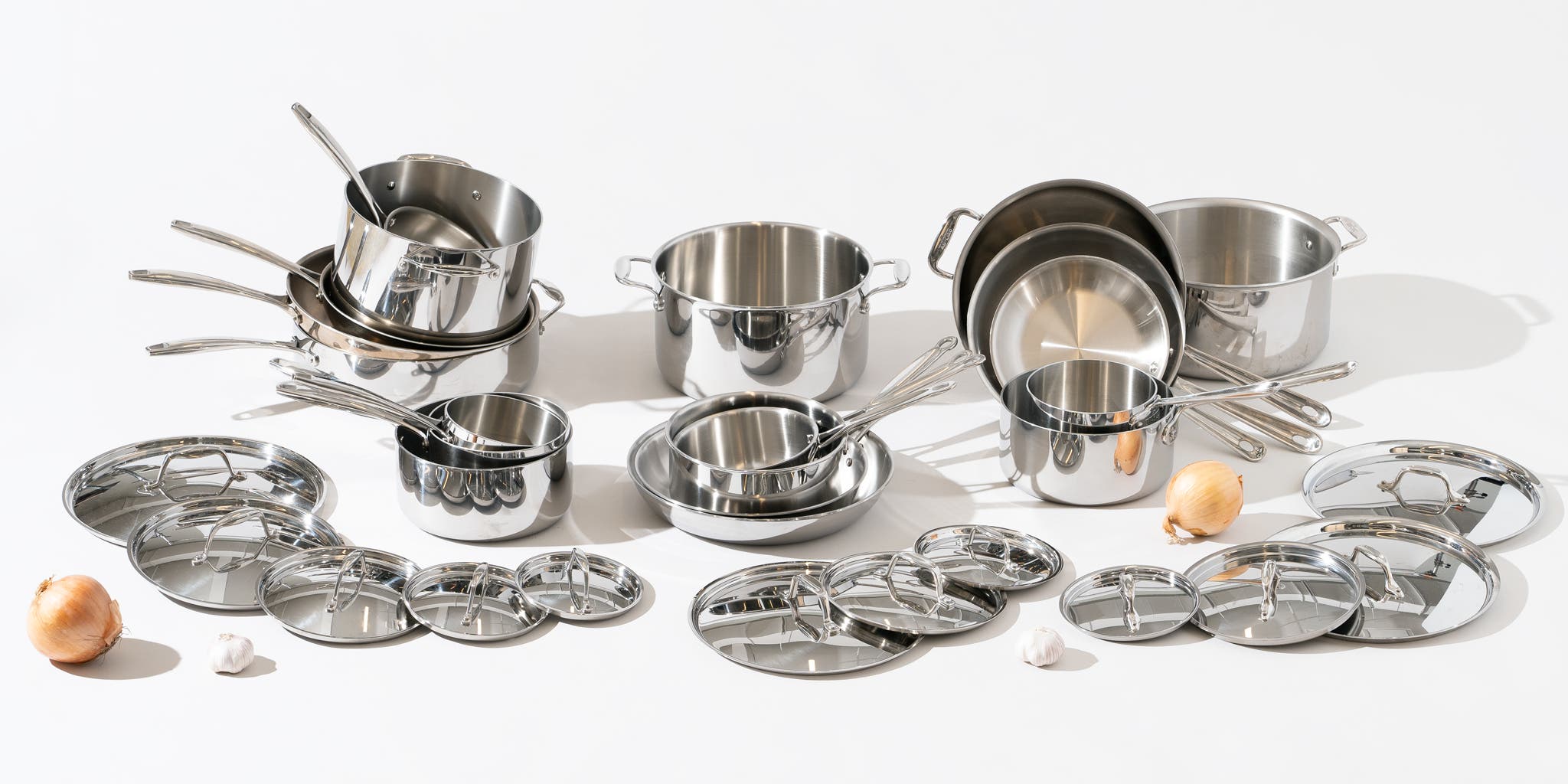
- 10-piece stainless steel set
- Best for durability and multi-use cooking.
- Includes small saucepan, medium saucepan, saute pan, stockpot.
- Pros: Great for searing, lasts long, often induction-ready.
- Cons: Heavier and needs more elbow grease to clean.
- Hard-anodized 7-piece set
- Best for balanced durability and nonstick performance.
- Pros: Scratch-resistant, sturdy, cooks evenly.
- Cons: Heavier than basic nonstick sets.
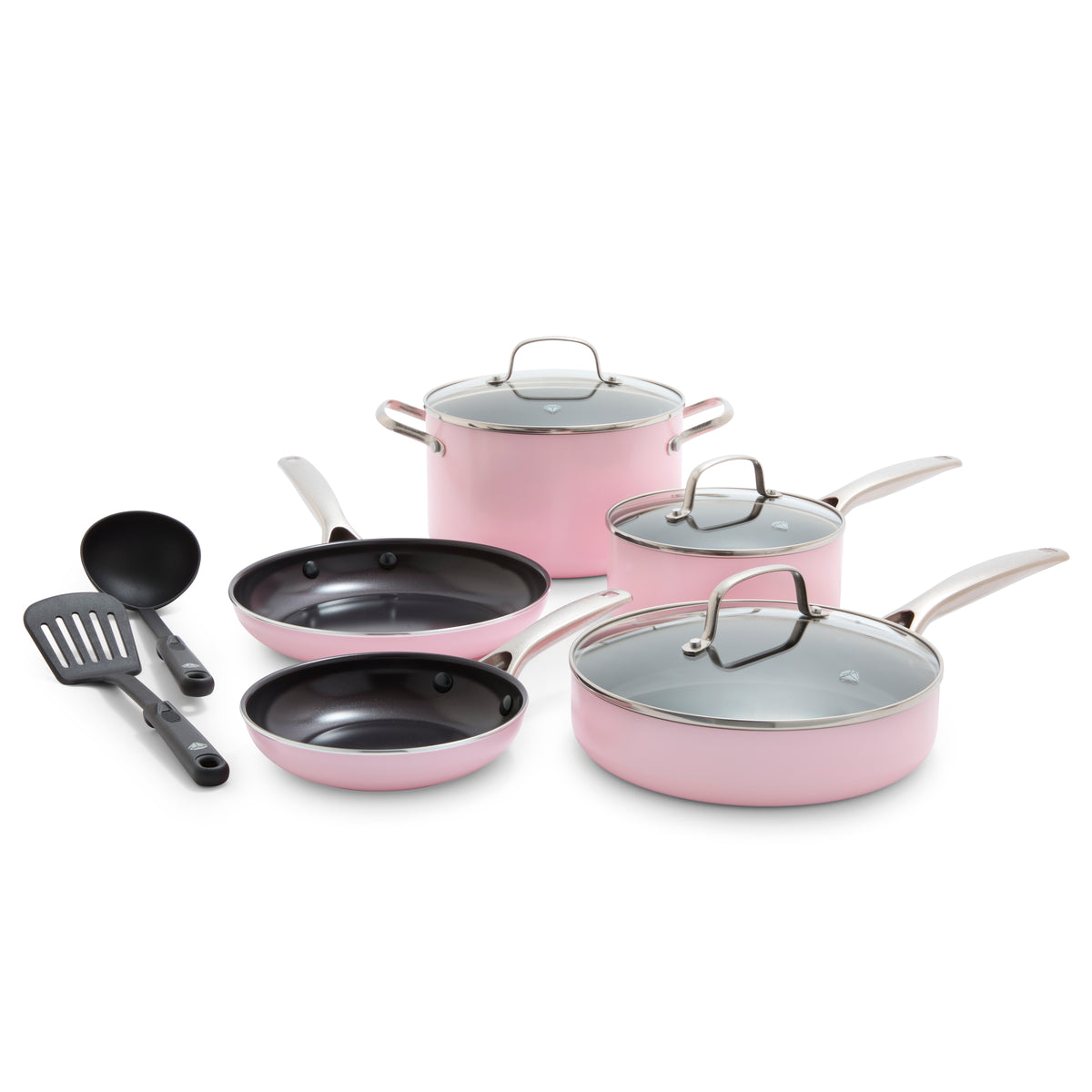
- Ceramic nonstick 6-piece set
- Best for health-conscious students who prefer PFOA-free coating.
- Pros: Easy cleanup, bright colors for small kitchens.
- Cons: Coating can degrade faster than hard-anodized.
- Cast iron skillet (single piece) plus basic saucepan
- Best for students who want one versatile pan and long life.
- Pros: Excellent heat retention, can be used for many dishes.
- Cons: Heavy and needs seasoning care.
- Budget 5-piece set with lids
- Best for tight budgets and first-year students.
- Pros: Very affordable, simple pieces.
- Cons: Thinner metal, may warp on high heat.
- Multi-use student combo (pan + pot + baking sheet)
- Best for dorm-allowed kitchens and minimalist cooks.
- Pros: Covers stovetop and oven basics.
- Cons: Limited variety compared to full sets.
I personally used a compact nonstick set during my first semester. It fit in a small cabinet, cleaned fast after late-night studying, and still looks good three years later after careful use. Choose the style that fits how you cook.

Cookware materials explained for campus life
Knowing materials helps you pick the best cookware set for college students USA. Here are simple pros and cons.
Nonstick
- Pros: Low-fat cooking, easy cleanup, light weight.
- Cons: Coating can scratch; avoid metal utensils.
Stainless steel
- Pros: Durable, sears well, often induction-ready.
- Cons: Food can stick if not heated properly.
Hard-anodized aluminum
- Pros: Tough, good heat distribution, often nonstick.
- Cons: Heavier; quality varies by brand.
Ceramic-coated
- Pros: Chemical-free advertised, bright surface.
- Cons: Coating tends to wear faster.
Cast iron
- Pros: Extremely durable and versatile.
- Cons: Heavy, requires seasoning, not ideal for tight storage.
For most students, a nonstick or hard-anodized set works best. A single cast iron pan can be a great backup for long-term use. When choosing, think about cleaning habits and storage limits.
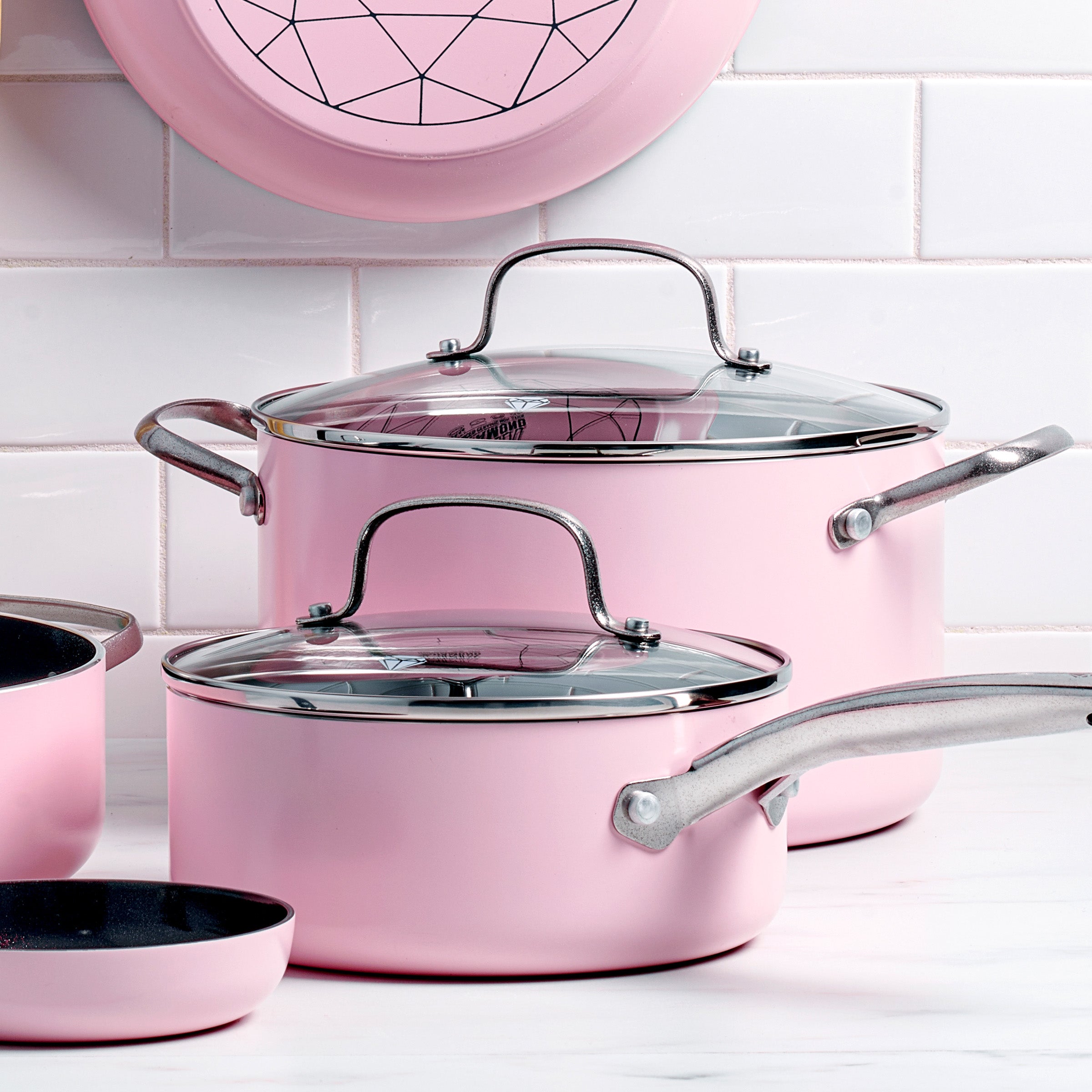
Essential cookware pieces every college student needs
Focus on items that let you make breakfasts, snacks, and dinners without clutter.
- 8- or 10-inch nonstick skillet: For eggs, stir-fry, and sandwiches.
- 1.5–2 quart saucepan with lid: Good for rice, sauces, and oatmeal.
- 5–6 quart pot with lid: For pasta, soups, and batch cooking.
- Baking sheet: For roasting vegetables and reheating leftovers.
- Small sauté pan or skillet: Handy for single-serve meals.
- Lid set or universal lid: Saves space when pieces lack matching lids.
- Utensil kit: Spatula, wooden spoon, and ladle.
- Compact steamer insert (optional): Makes veggies easy.
This short list covers most student meals. Choose multi-use pieces to save space and money. The best cookware set for college students USA usually includes a skillet, saucepan, and stockpot.
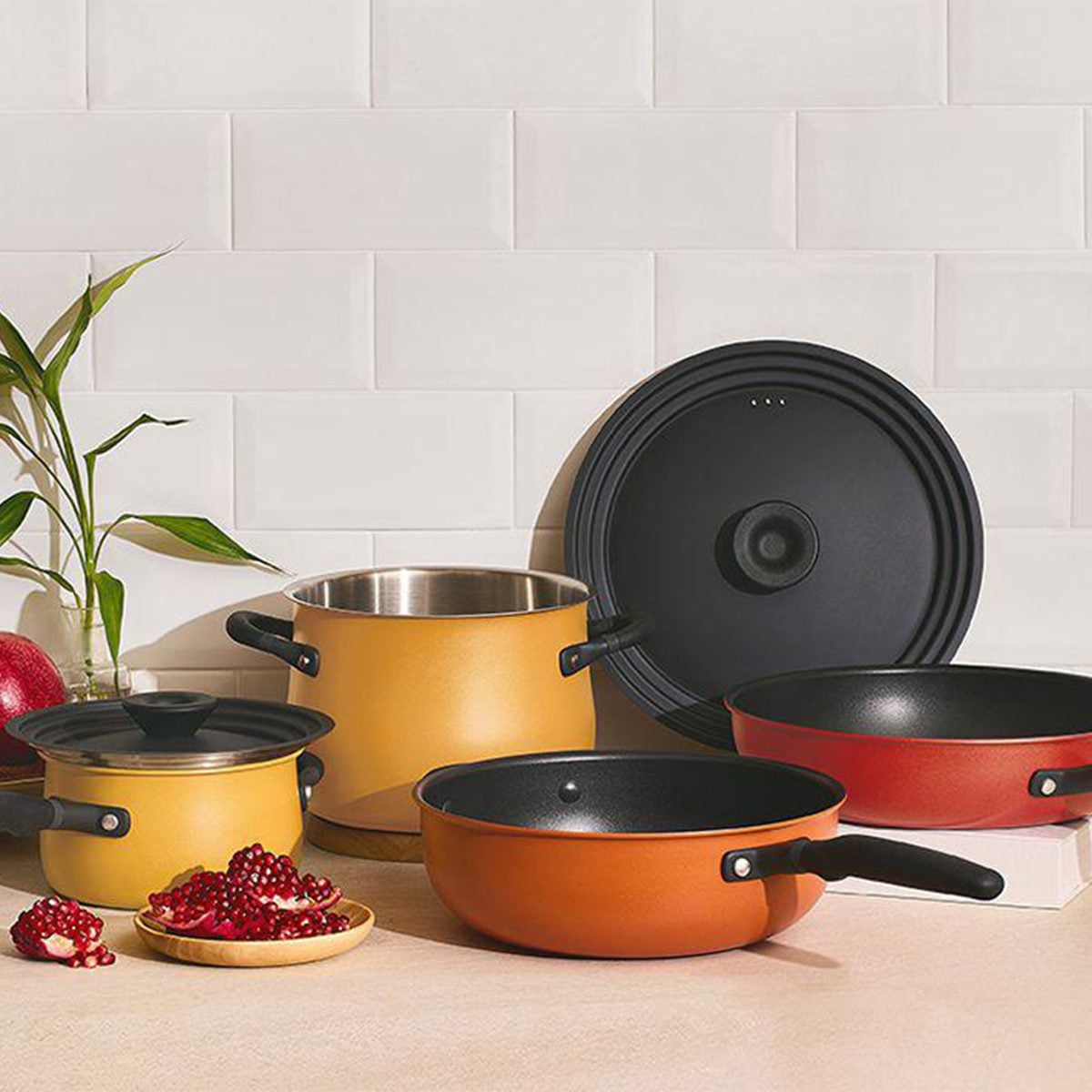
Budgeting, care, and longevity tips
Save money while keeping pans useful for years. Follow these simple rules.
- Buy a mid-range set you can use daily, not the cheapest that warps quickly.
- Use proper tools: silicone or wooden utensils prevent scratches.
- Clean gently: warm soapy water and soft sponge beats the dishwasher for many pans.
- Avoid high heat on nonstick pans; medium heat locks flavors and preserves coating.
- Season cast iron and store it dry to prevent rust.
- Stack with cloth or pan protectors to avoid scratches during moves.
I once ruined a good nonstick pan by using a metal spatula. That taught me to keep a cheap utensil set in my dorm drawer. Small habits extend the life of any cookware set.
Personal experience and a quick buying checklist
I’ve moved four times since college. Each time I packed a compact set that fit in a tote. The right set saved money and time. I learned to choose pieces that nest and clean fast. I also learned to test handles and lids before buying — flimsy handles break during moves.
Buying checklist for the best cookware set for college students USA:
- Check piece count: aim for 6–10 useful items.
- Confirm stove compatibility: gas, electric, or induction.
- Test weight: light enough to carry but sturdy enough to last.
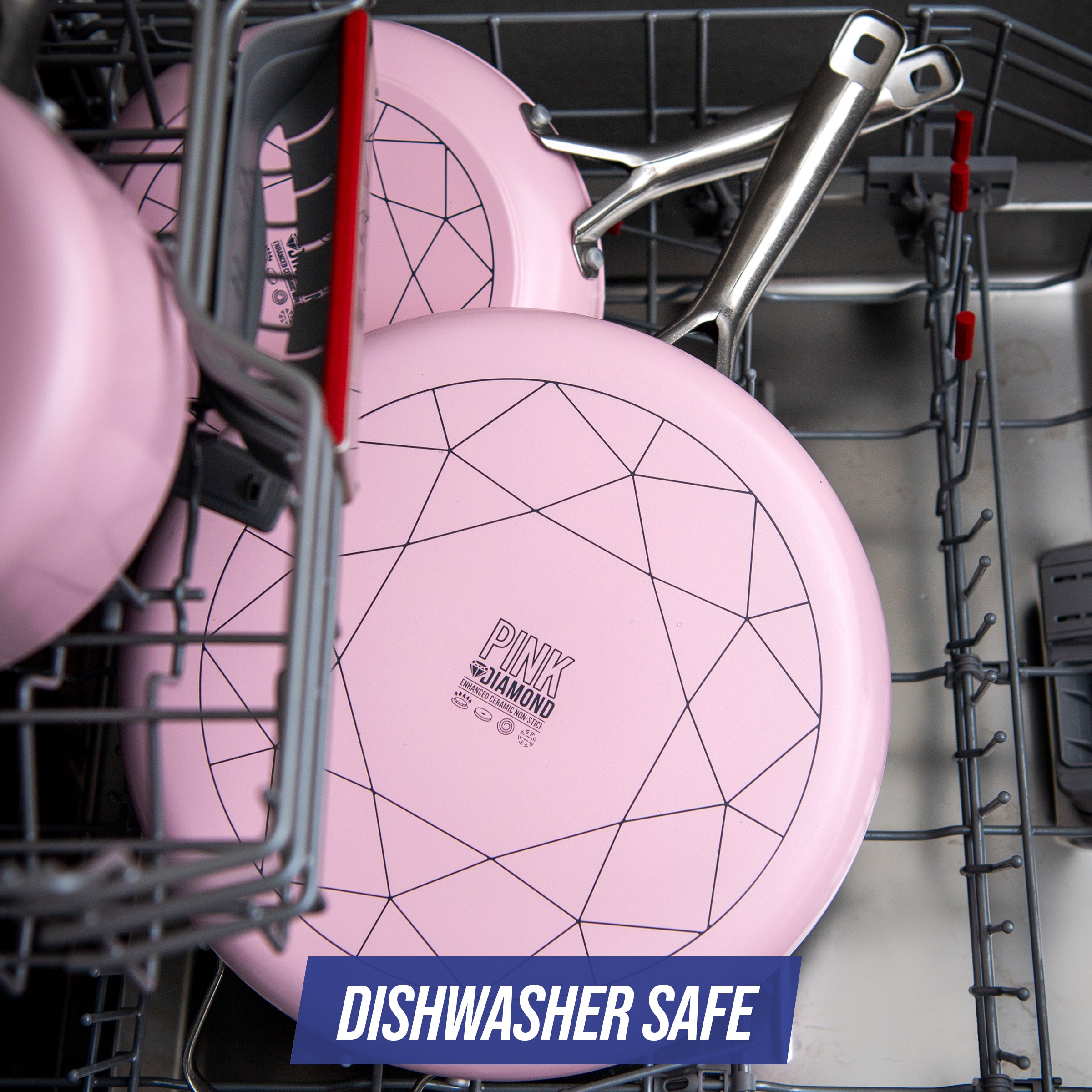
- Look for dishwasher-safe labeling if you rely on quick cleaning.
- Verify warranty and return policy for dorm damage.
- Read real user reviews about durability and coatings.
Use this checklist when shopping online or in stores. It helps avoid the common rookie mistake of buying a heavy, oversized set that never fits in tiny cabinets.
Frequently Asked Questions of best cookware set for college students usa
What is the best material for college cookware?
Nonstick and hard-anodized aluminum are best for most students because they are light and easy to clean. Stainless steel is great if you prefer searing and want longer life.
How many pieces should a student cookware set have?
Aim for 6–10 pieces to cover a skillet, saucepan, stockpot, and a few lids or extras. This range balances versatility and storage.
Can dorms use cast iron pans?
Many dorms allow cast iron, but check housing rules. Cast iron works well in shared kitchens but is heavy and needs proper care.
Is it worth buying induction-ready cookware?
Yes, if your apartment or kitchen uses an induction cooktop. Induction-ready sets are more versatile and often higher quality.
How can I make cookware last longer in a dorm?
Use medium heat, avoid metal utensils on nonstick surfaces, hand wash when possible, and store pieces with protection between them.
Conclusion
Choosing the best cookware set for college students USA comes down to fit, function, and fuss-free care. Pick a compact, durable set with nonstick or hard-anodized pieces for everyday cooking. Add one versatile cast iron skillet if you want longer-term value. Start with the checklist, buy what you will actually use, and protect your set with simple care habits. Try one of the recommended styles, and leave a comment about what worked best for you or subscribe for more student kitchen tips.