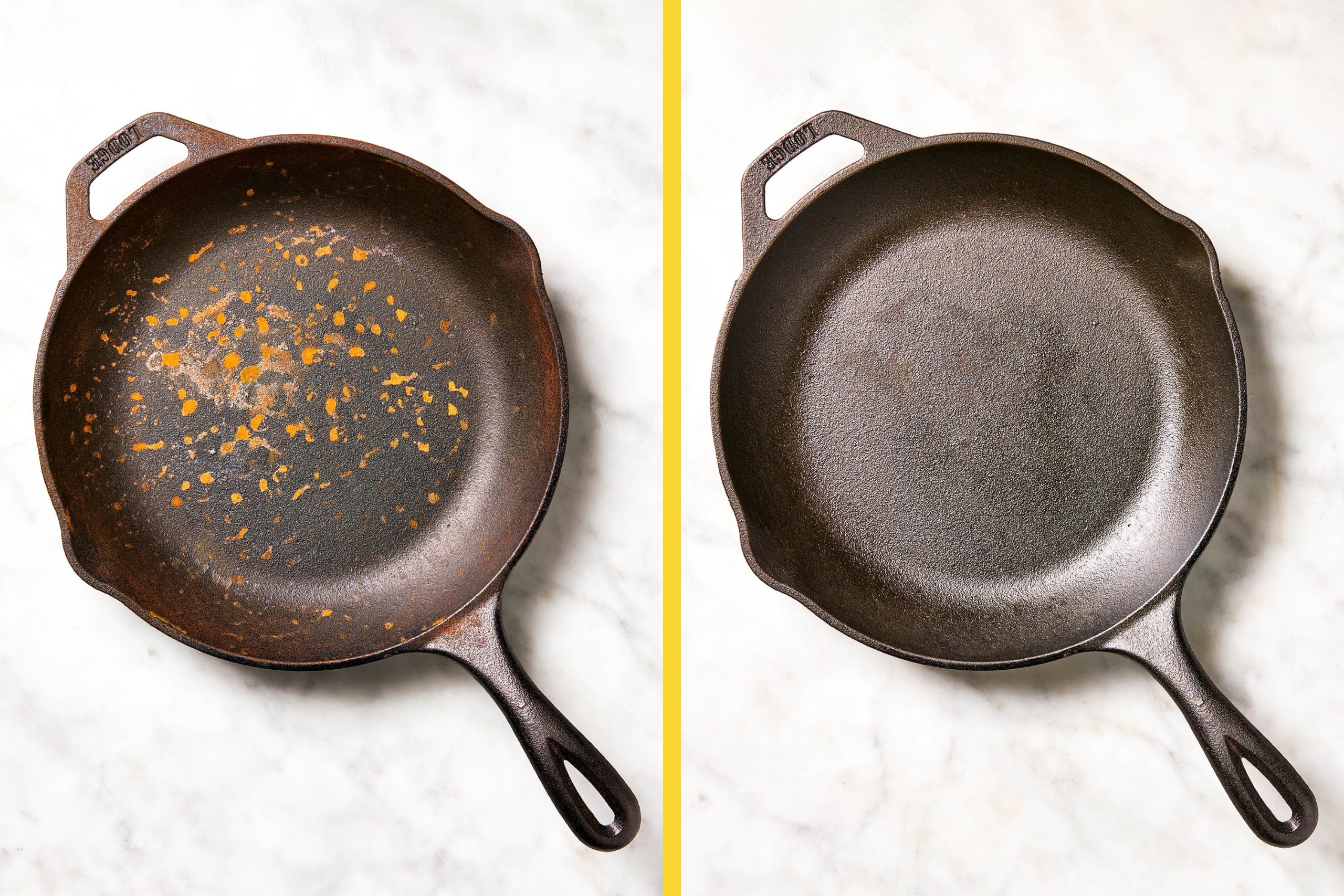
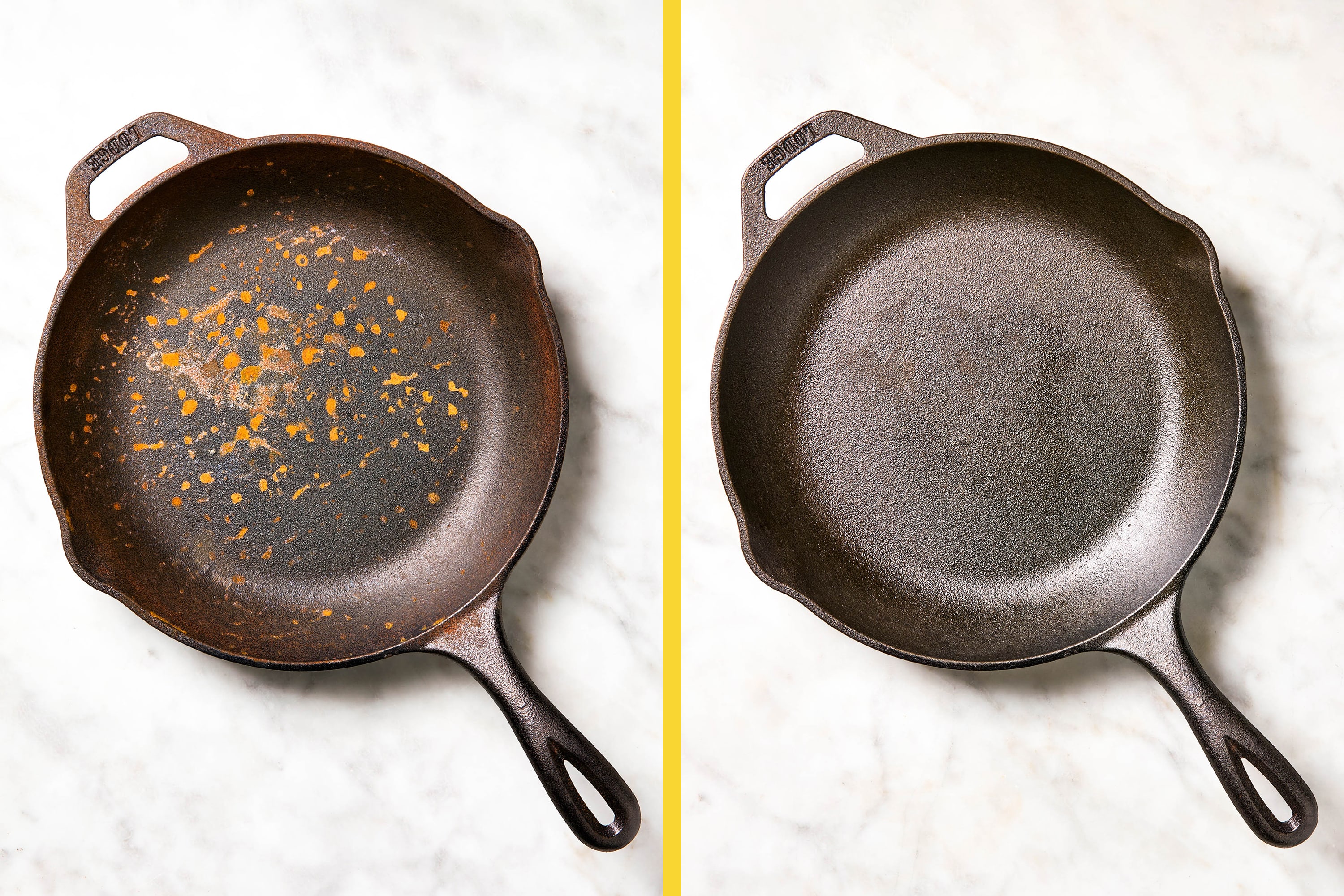
Scrub rust with steel wool, clean, dry thoroughly, then reseason the pan.
I’ve restored many cast iron pans and I’ll walk you through safe, proven steps for how to remove rust from cast iron pan and bring it back to cooking life. You’ll learn quick fixes and deeper restoration methods, what tools to use, and how to reseason so the rust never returns. Read on for practical, tested tips and simple steps you can follow today.
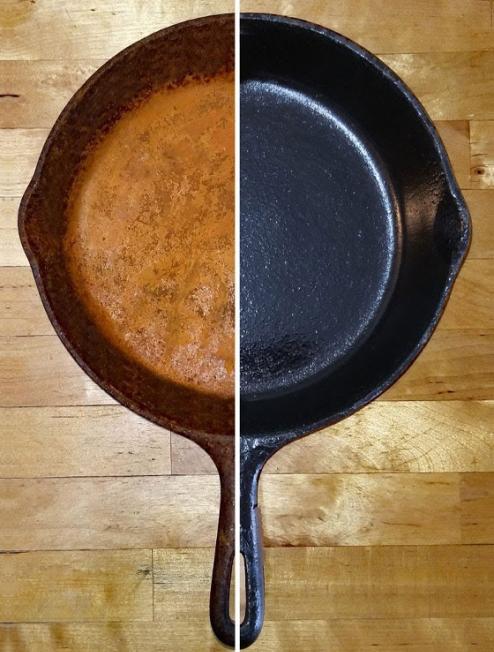
Why cast iron rusts
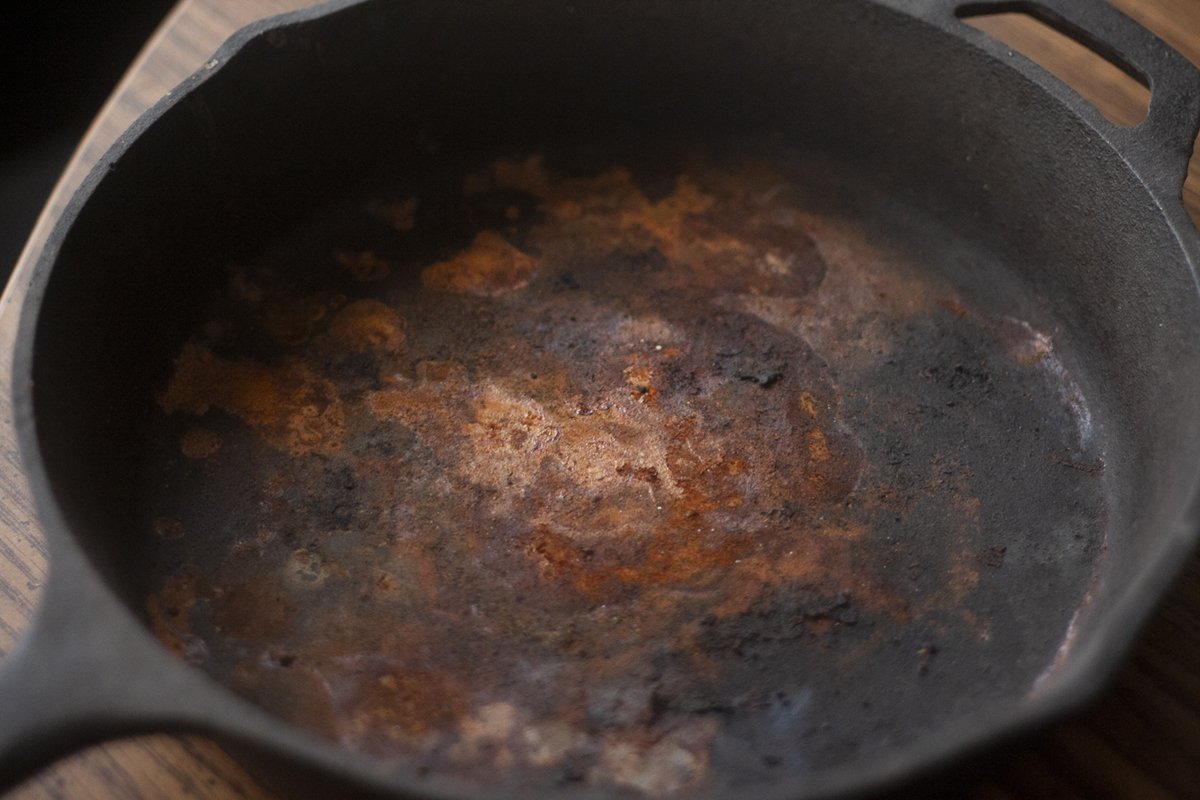
Cast iron rusts when iron meets water and oxygen. This is normal chemistry. Plain cast iron has no protective layer. Heat and oil build a patina that protects the metal. When that patina wears or water sits on the pan, rust forms.
I’ve seen pans left in sinks overnight turn orange the next day. That taught me to dry and oil pans quickly. Knowing why helps you fix rust faster and prevent it.
What you'll need
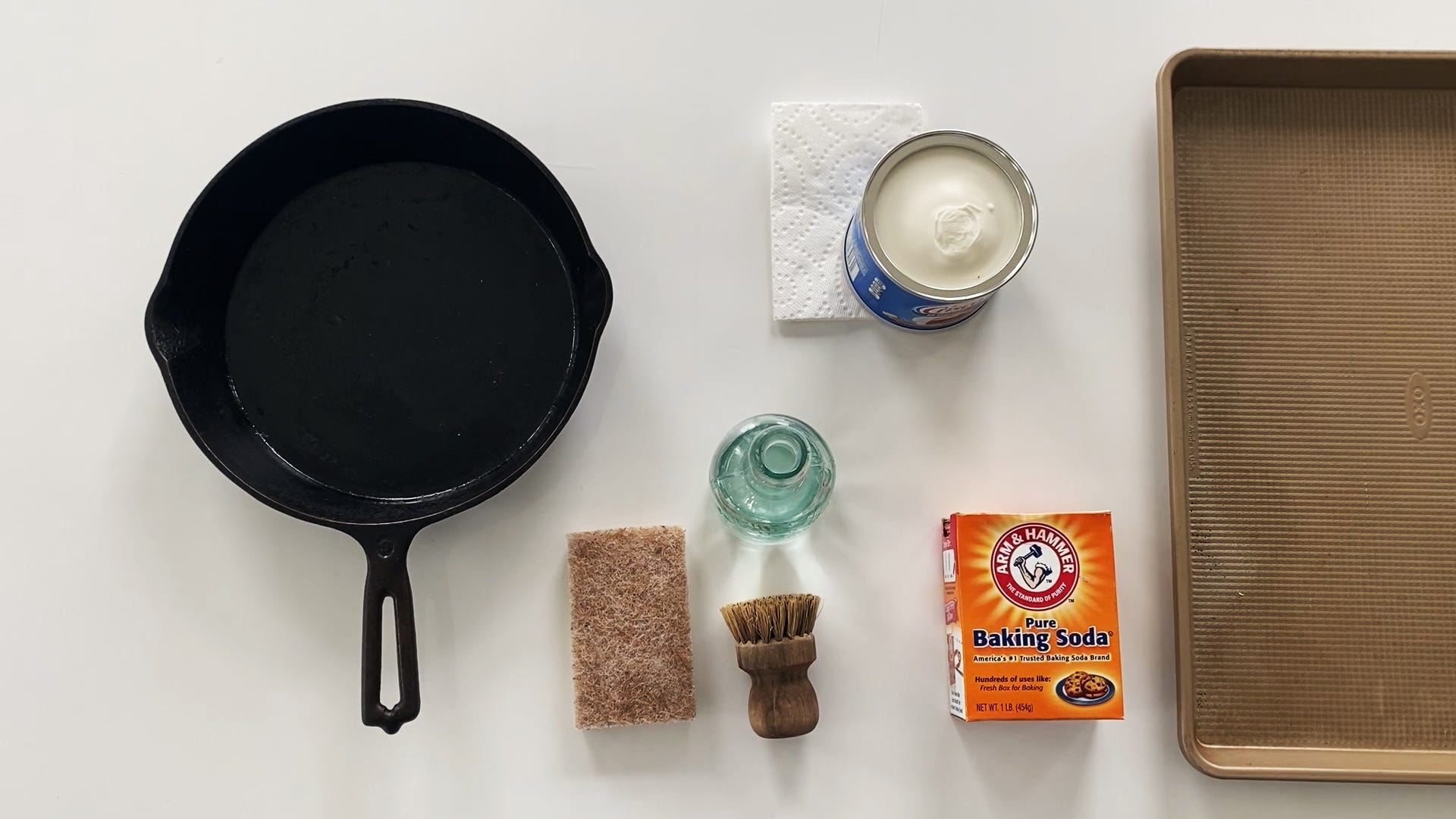
Use simple tools you likely already own. These work well for how to remove rust from cast iron pan.
- Steel wool or a heavy scrub pad for stubborn rust
- Fine-grit sandpaper for pitting and heavy corrosion
- White vinegar for controlled soaking of small items
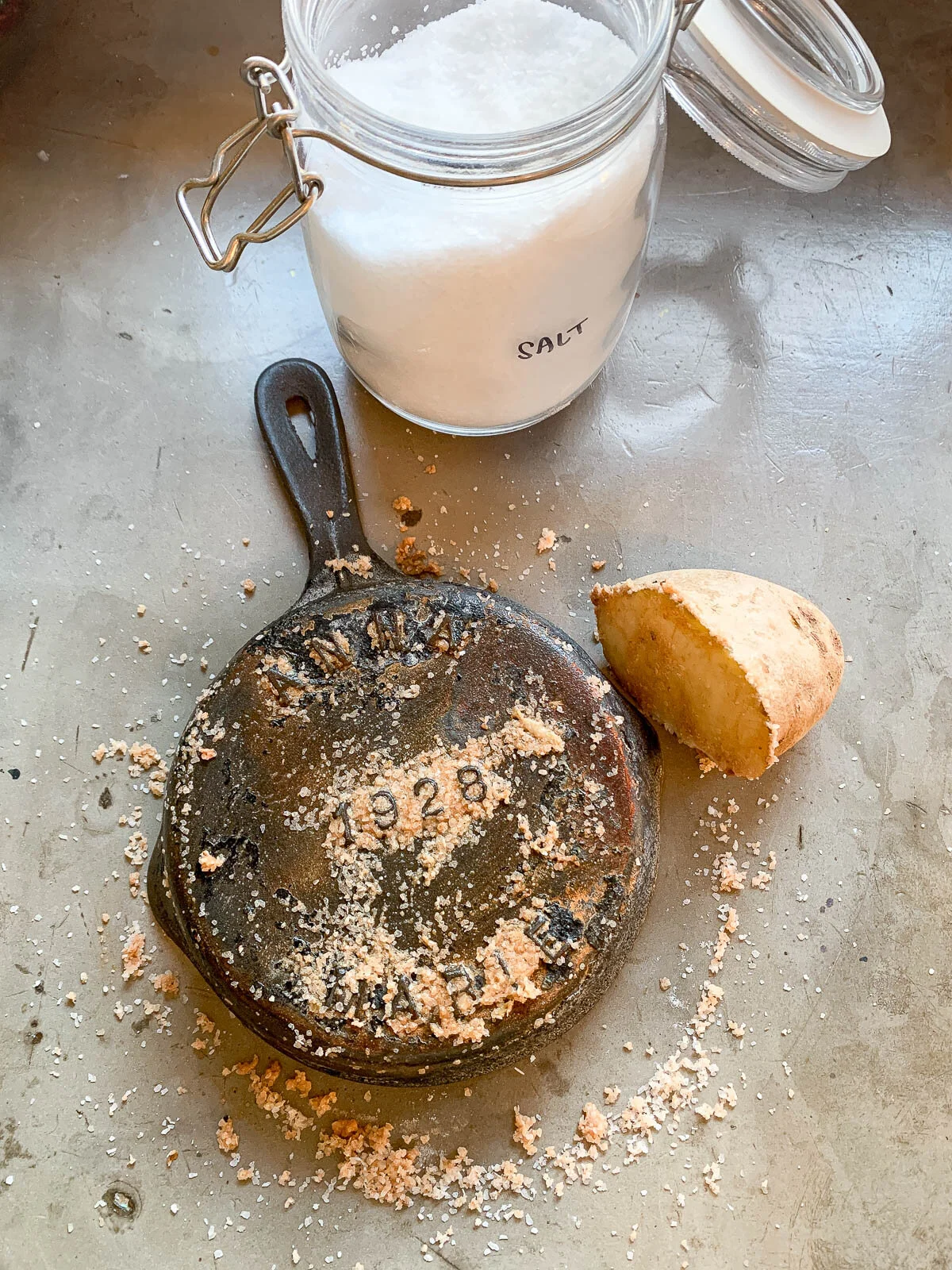
- Baking soda as a gentle abrasive and neutralizer
- Mild dish soap and hot water for cleaning
- Clean rags or paper towels for drying and oiling
- Heat source: stove or oven for drying and seasoning
- High-smoke-point oil: flaxseed, grapeseed, or vegetable oil
Keep gloves and eye protection handy for heavy work. I prefer steel wool and baking soda for most jobs. They are fast and low risk.
Step-by-step: how to remove rust from cast iron pan
Below are safe methods from light rust to severe corrosion. Pick the right one for your pan’s condition.
Light surface rust (most common)
- Scrub the pan with steel wool or a heavy scrub pad under hot water.
- Add a little dish soap and scrub until rust is gone. Soap is okay for restoration.
- Rinse, dry immediately, and heat the pan on low for a few minutes to evaporate moisture.
- Rub a thin coat of oil over the whole pan. Heat it on the stove until the oil thins and sets.
This method works when the pan still has a mostly intact surface. I use it for quick fixes and small rust spots.
Medium rust and flaky patches
- Make a paste of baking soda and water. Apply to rusty areas and scrub gently.
- For stubborn spots, wet steel wool with a bit of oil to avoid scratching deeply.
- Rinse, dry, and check for pitting. If pitting is minor, proceed to reseasoning.
Baking soda neutralizes leftover acidity from vinegar or food. It’s safe and non-toxic.
Heavy rust or pitted metal
- Soak the pan in a 50/50 solution of white vinegar and water for up to one hour. Do not leave longer.
- Remove the pan when rust loosens. Scrub with steel wool to remove scale.
- If rust remains, repeat short soaks or use coarse sandpaper to smooth pits.
- Thoroughly rinse and neutralize with baking soda and water. Dry immediately.
Vinegar is powerful and can harm the metal if left too long. I once over-soaked a small pan and had to sand it back to bare metal. Short, controlled soaks work best.
Extreme cases: electrolysis and professional help
- Electrolysis restores very corroded pieces. It uses an electric current to remove rust.
- This is a DIY option only if you know the setup and safety steps. Otherwise, seek a pro.
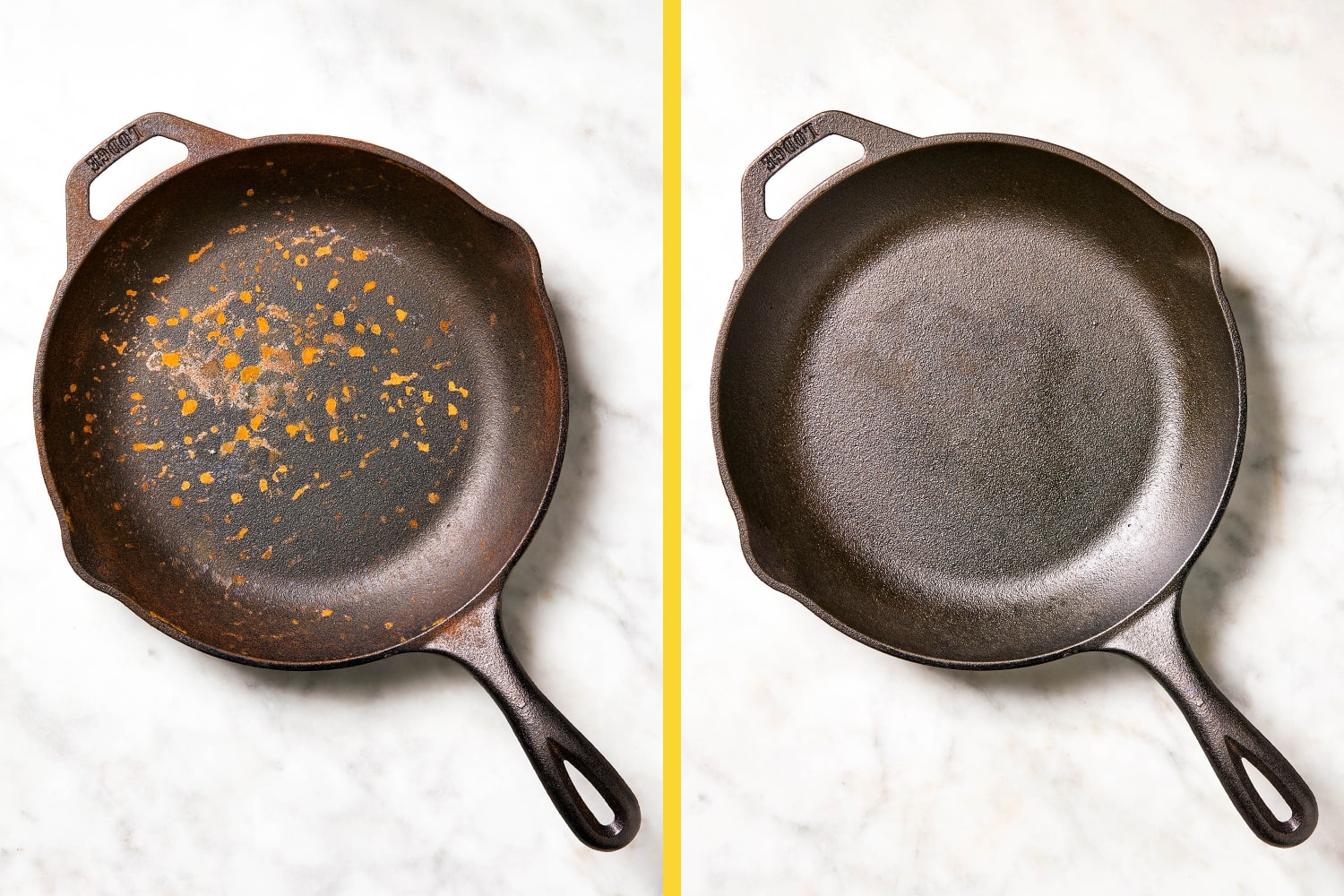
For most home cooks, sanding and reseasoning bring pans back to life.
Restoring and reseasoning after rust removal
Reseasoning rebuilds the protective layer. It also improves flavor release and prevents future rust.
- Preheat oven to 400–500°F.
- Wipe the pan with a thin coat of oil inside and out. Less is more.
- Place the pan upside down on the oven rack. Put foil below to catch drips.
- Bake for one hour, then let the pan cool inside the oven. Repeat two to three times for a strong build.
Choose an oil with a high smoke point. I like grapeseed or refined vegetable oil. After reseasoning, the pan should have a dark, semi-gloss finish. If it looks sticky, wipe it and rebake with a thinner coat.
Maintenance and prevention
Good care keeps rust away. Small habits save time.
- Dry the pan right after washing. Use heat if needed.
- Apply a thin oil coat after each use or every few uses.
- Avoid soaking for long periods. Water causes rust fast.
- Use wooden or silicone tools to protect the seasoning.
- Store pans in a dry place, not in damp basements.
I oil my pans after each clean. That small step stopped rust from returning. It only takes a few seconds.
Common mistakes and troubleshooting
Avoid these traps when learning how to remove rust from cast iron pan.
- Soaking too long in vinegar. It can eat metal.
- Using too much oil when seasoning. That makes a gummy surface.
- Skipping drying steps. Even a little water breeds rust.
- Storing pans stacked without protection. Moisture gets trapped.
If rust returns, strip the pan back to clean metal and reseason. Persistent pitting may reduce life, but most pans last decades with proper care.
Frequently Asked Questions of how to remove rust from cast iron pan
How long should I soak a rusty cast iron pan in vinegar?
Soak for no more than 30–60 minutes. Check often. Stop when the rust softens, then scrub and neutralize with baking soda.
Can I use the dishwasher to remove rust from cast iron?
No. Dishwashers strip seasoning and keep the pan wet. That causes more rust and damages the pan.
Is it safe to cook after removing rust?
Yes, when the pan is fully cleaned, rinsed, dried, and properly reseasoned. Make sure no loose rust or grit remains.
Will sanding remove the seasoning too?
Yes. Sanding removes old seasoning and paint, leaving bare metal. That’s fine when you plan to reseason the pan fully.
What oil is best for reseasoning?
Use a high-smoke-point oil like grapeseed, flaxseed, or refined vegetable oil. Thin coats at high heat build the best patina.
Can rusted pans be restored to like-new condition?
Most of them can. Deep pitting may remain visible, but function and cooking quality return after restoration and reseasoning.
Conclusion
With simple tools and a little time, you can restore a rusted pan and keep it working for years. Start by choosing the right method for the rust level, clean and neutralize, then reseason thoroughly. Take small daily steps like drying and oiling to prevent rust from returning. Try these tips on one pan this weekend, and leave a comment if you want help choosing a method for your specific pan.