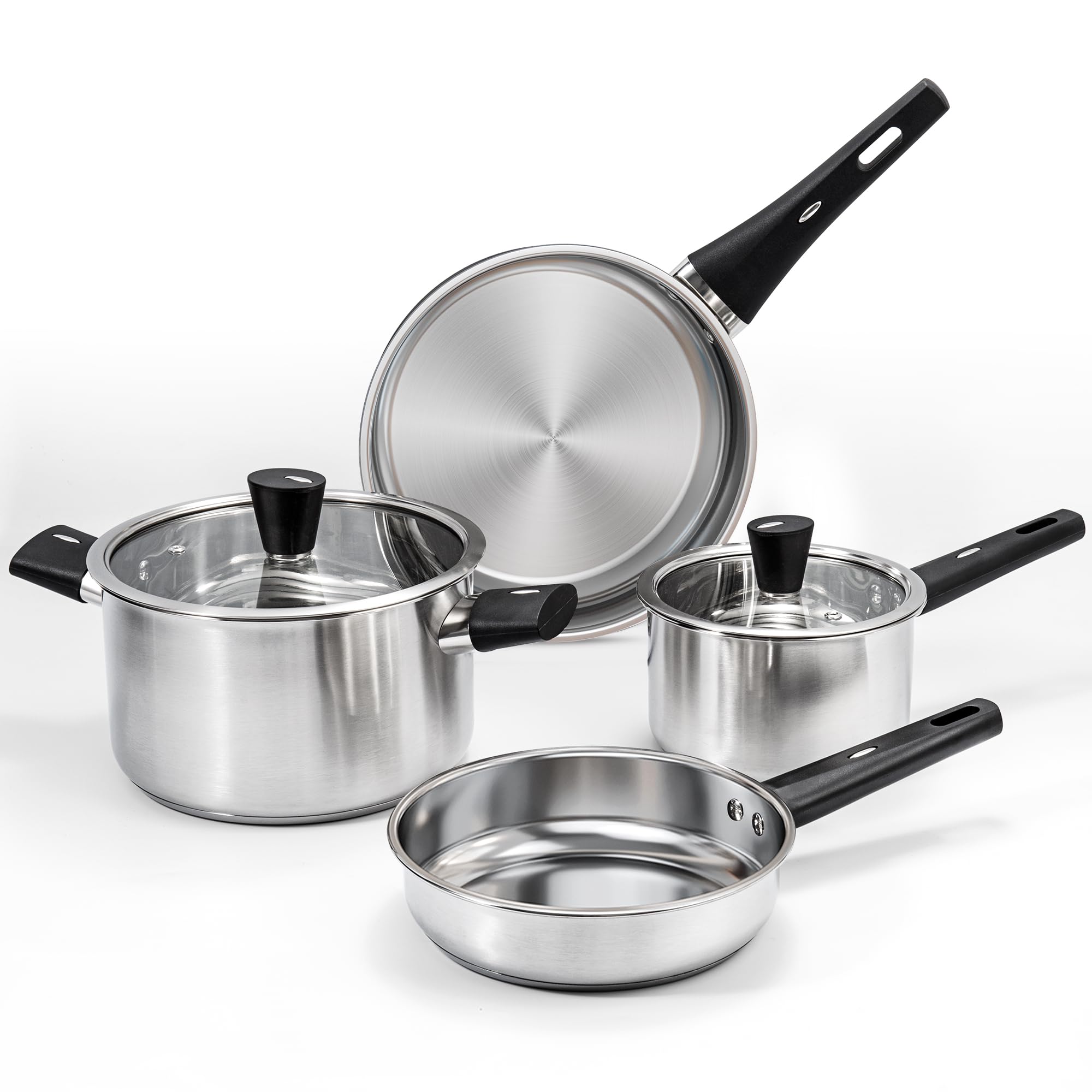
Choose stainless steel, seasoned cast iron, enameled cast iron, or fully vitrified ceramic for safest pots and pans for everyday cooking.
I’ve cooked for years in small restaurants and at home, testing cookware across budgets and diets. This guide explains which materials make the safest pots and pans for everyday cooking, why they are safe, and how to use and care for them. I combine research, tested practice, and easy tips so you can buy and keep cookware that protects flavor and health.
Why cookware safety matters
Cooking is about more than taste. Materials can leach metals or chemicals into food if they react, wear, or overheat. Choosing the safest pots and pans for everyday cooking lowers that risk and gives consistent heat and long life. Safe cookware also saves money because you replace items less often.
Safest materials for everyday cooking
Below are the most trusted materials and why they work for daily use. Each entry notes benefits and limits so you can match cookware to how you cook.
Stainless steel (tri-ply or multi-ply)
Benefits
- Nonreactive with acidic foods.
- Durable and scratch-resistant.
- Good for searing and sauces.
Limits
- Poor heat distribution if thin. Look for tri-ply or clad bases.
Notes - Food can stick when cooking eggs if pan is too cool. Use proper heat and oil.
Seasoned cast iron
Benefits
- Natural nonstick when well seasoned.
- Excellent heat retention for frying and baking.
- Adds small amounts of dietary iron.
Limits
- Heavy and reactive with highly acidic foods if not well seasoned.
Notes - Proper seasoning and drying prevents rust and keeps it safe.
Enameled cast iron
Benefits
- Nonreactive smooth surface safe for tomatoes and vinegar.
- Same heat retention as cast iron without seasoning fuss.
Limits - Heavier and can chip if dropped.
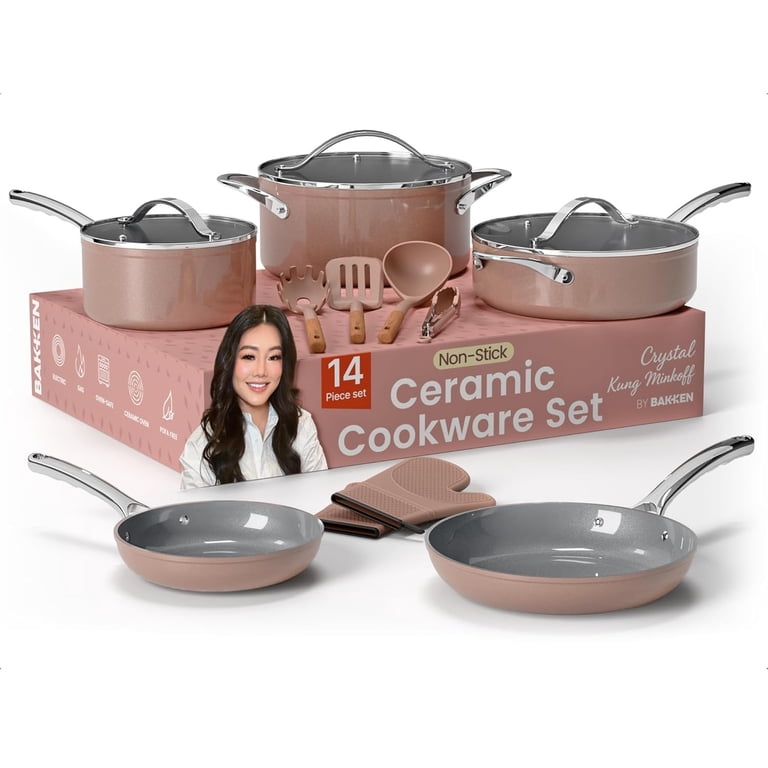
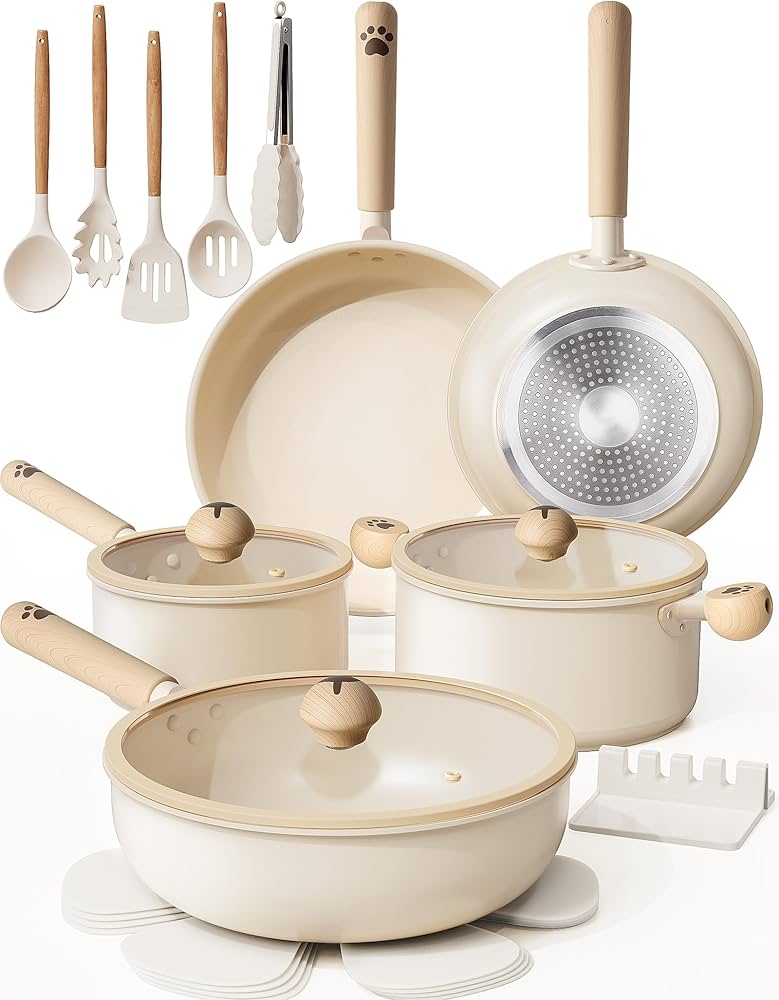
Fully vitrified ceramic and glazed ceramic
Benefits
- Nonreactive and usually free of PTFE and PFOA.
- Good for low to medium heat and gentle cooking.
Limits - Not all ceramic coatings are equal; quality matters.
Notes - Check for durable, fully vitrified cores rather than thin sprayed coatings.
Hard-anodized aluminum (with intact coating)
Benefits
- Strong, durable, and transfers heat well.
Limits - Only safe if the anodized layer is intact and not scratched through.
Notes - Avoid bare aluminum for acidic cooking; it can alter flavor.
Materials to avoid or use with caution
- Untreated aluminum pans for long-term acidic cooking.
- Copper cookware without a stainless or tin lining.
- Cheap flaking nonstick pans; discard if coating peels.
Safest nonstick options and how to use them
If you want easy cleanup and low-fat cooking, nonstick can be safe. Know options and rules.
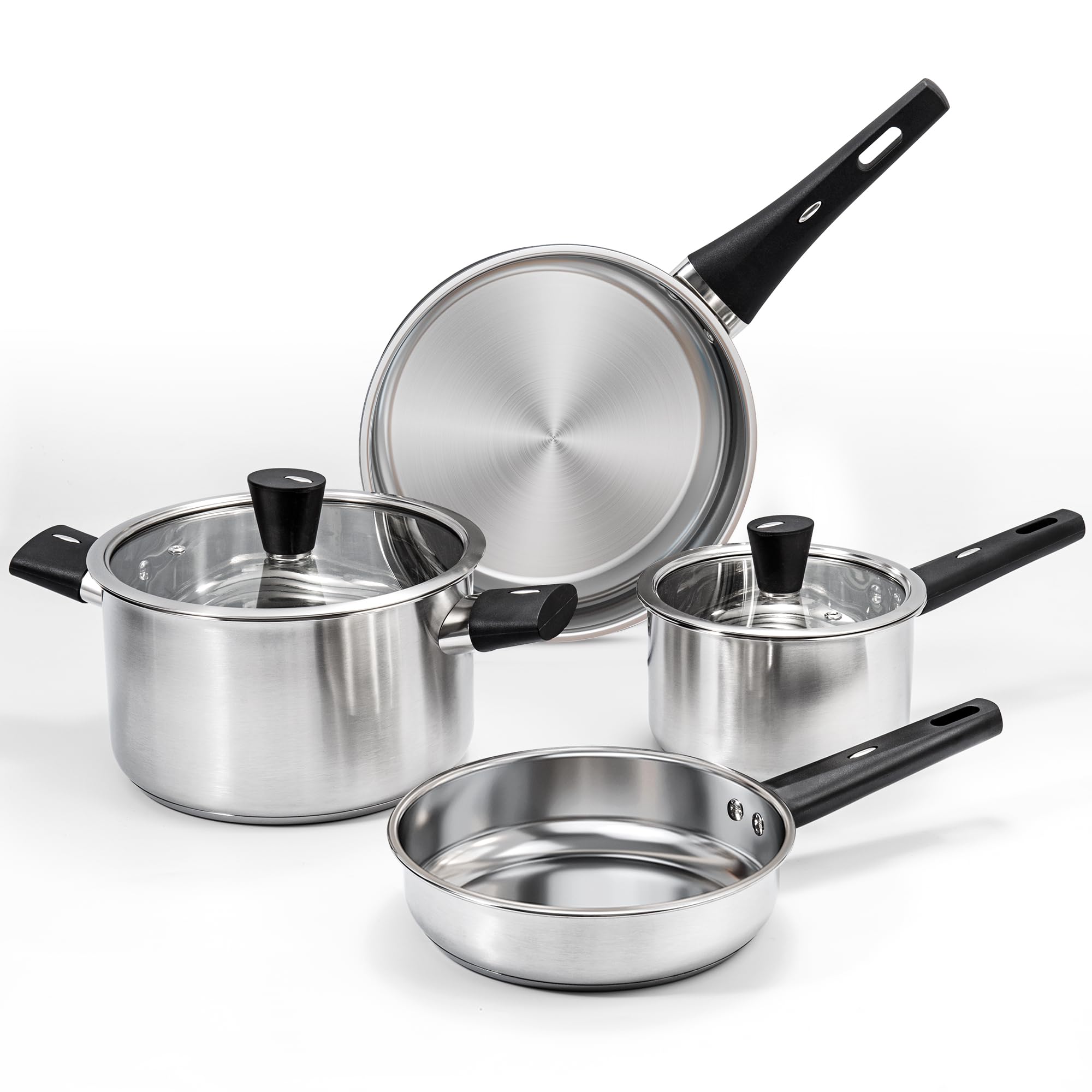
- PTFE-coated pans: Safe at normal cooking temps below about 500°F. Avoid overheating empty pans and never use on high heat.
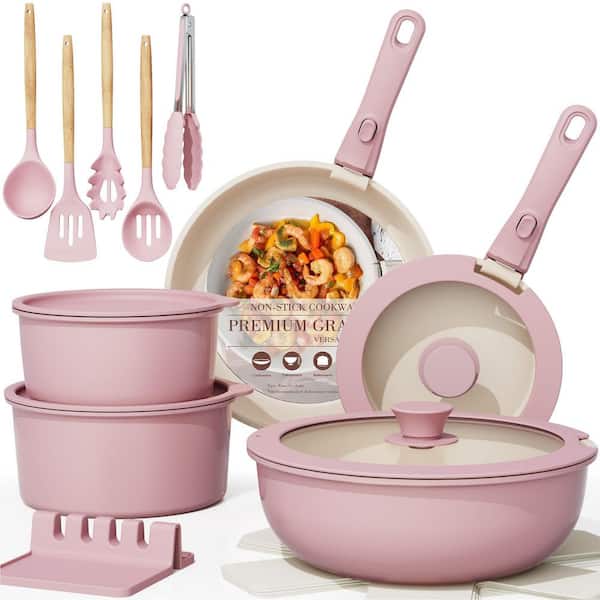
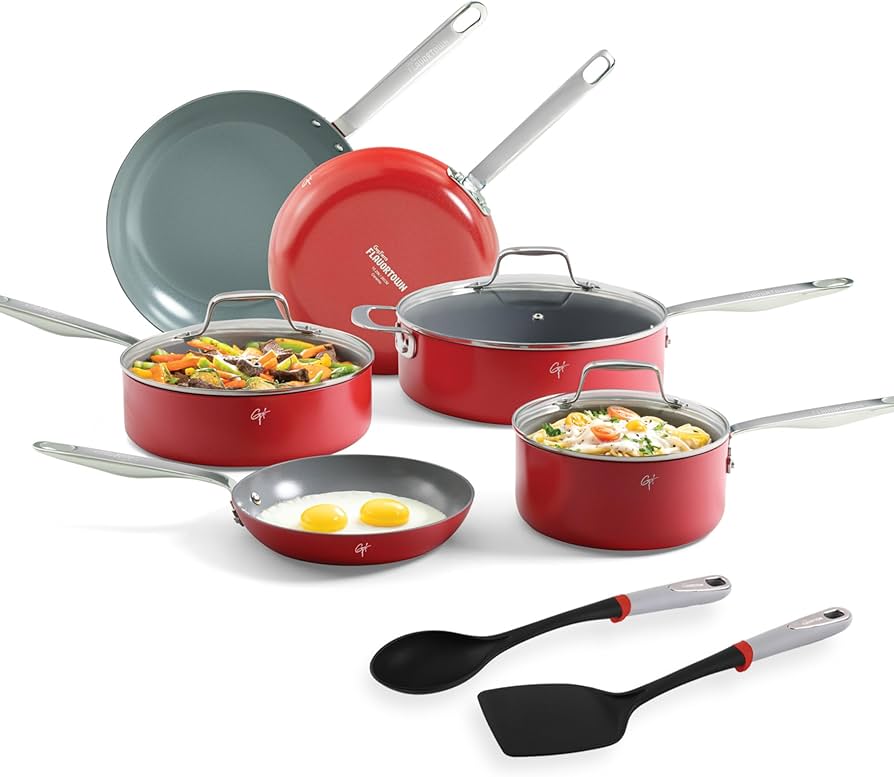
- Ceramic-based nonstick: Good for low to medium heat. Some lower-cost versions wear fast; choose thicker, high-quality coatings.
- Seasoned cast iron or carbon steel: Natural nonstick after seasoning; safe and durable with proper care.
Tips
- Use silicone, wood, or nylon tools to preserve coatings.
- Replace nonstick pans when coating shows scratches or flaking.
How to choose the safest pots and pans for everyday cooking
Follow a clear checklist when buying. This makes shopping fast and smart.
- Match the material to the task. Use cast iron for sear and oven baking. Use stainless for sauces and deglazing. Use ceramic for eggs and low-fat cooking.
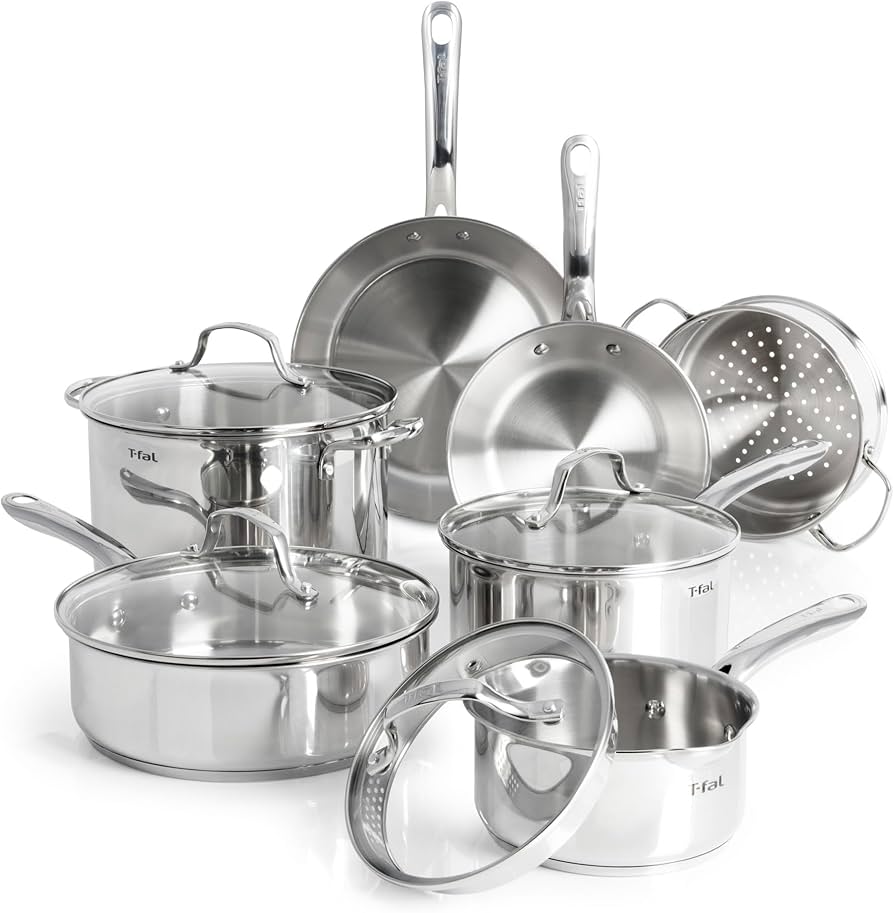
- Prefer multi-ply stainless for even heat.
- Check for full rivets and solid handles for safe use.
- Confirm the coating description. Look for “fully vitrified” or “hard-anodized” with clear warranty.
- Choose sizes you use often to avoid single-use clutter.
- Consider induction compatibility if you have that stove.
Budget tips
- Buy one good skillet and one Dutch oven first.
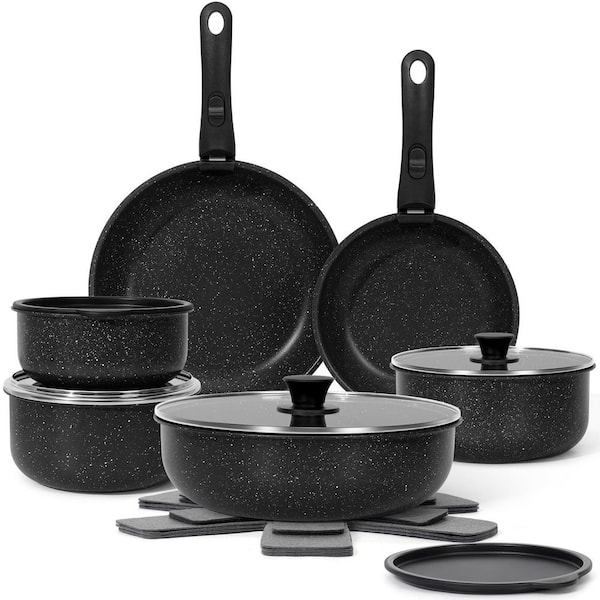
- Avoid cheap full sets; invest in a few key pieces.
Care and maintenance to reduce risk
How you use and clean cookware matters as much as the material.
- Avoid sudden temperature shocks; let hot pans cool before washing in cold water.
- Use gentle cleaners on enamel and ceramic. Mild dish soap and soft sponges work well.
- Reseason cast iron regularly with a thin oil layer and oven heating.
- Don’t use metal scrubbers on polished stainless; use a nylon pad for stuck food.
- If a nonstick coating peels or is heavily scratched, replace the pan.
Small habits that help
- Preheat pans correctly; this reduces sticking and the need for high heat.
- Use oil or butter as a buffer for high-heat searing.
- Store pans dry and stacked with pan protectors to avoid scratches.
Personal experience and recommended everyday setup
From years cooking at home and in busy kitchens, I learned a simple, safe set works best. My daily lineup:
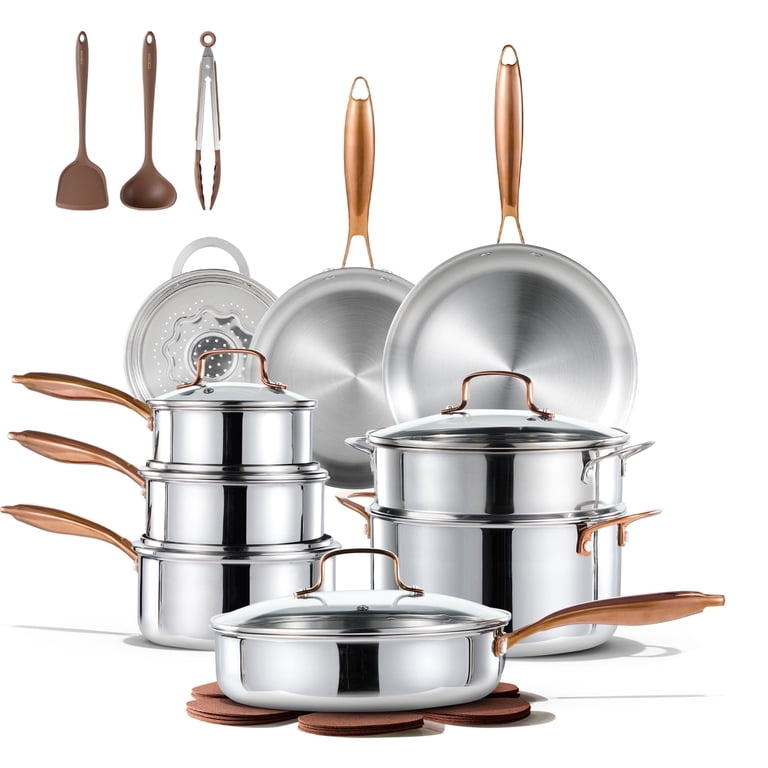
- A 10–12 inch tri-ply stainless skillet for most tasks.
- A 10–12 inch seasoned cast iron skillet for sears and oven use.
- A 5–7 quart enameled Dutch oven for soups and braises.
- A 9–11 inch ceramic nonstick for eggs and pancakes.
Lessons learned
- I once ruined a cheap nonstick by overheating it empty. I now always preheat on moderate heat.
- Seasoning cast iron paid off: food sticks less and the pan lasts decades.
- Buying one high-quality item saved money long-term versus replacing cheap pans.
Common myths and misconceptions
Clear up myths so you can make smart choices.
- Myth: All nonstick pans are toxic. Fact: Proper PTFE pans used under recommended temps are safe.
- Myth: Aluminum cookware causes Alzheimer’s. Fact: No clear human evidence links normal cooking with aluminum to disease.
- Myth: Stainless steel always leaks metal into food. Fact: Minimal nickel or chromium release can occur, mostly when cooking very acidic dishes for long periods.
Environmental and health trade-offs
Think long term about safety and the planet.
- Longevity reduces waste. A repaired or well cared-for pan is greener.
- Recyclable metals like stainless and cast iron have strong recycling routes.
- Cheaper pans often wear faster and can release particles when coatings fail.
Small steps to reduce impact
- Repair and reseason instead of tossing.
- Donate usable older pieces that still perform well.
- Choose brands that publish material and safety practices.
Frequently Asked Questions of safest pots and pans for everyday cooking
What is the safest material for everyday cooking?
Stainless steel and seasoned cast iron are top choices. Enameled cast iron and high-quality ceramic are also safe for regular use.
Is nonstick cookware unsafe for daily use?
Not if you follow guidelines. Avoid overheating, use gentle tools, and replace pans when coatings show damage.
Can I cook acidic foods in cast iron?
Plain cast iron can react with acid unless it is well seasoned or enameled. Use enameled cast iron for long acidic cooking.
How often should I replace my nonstick pan?
Replace when the coating shows visible scratches or peels. For many pans, that is within two to five years depending on use.
Does stainless steel leach metals into food?
A tiny amount of nickel or chromium may transfer in rare cases, usually with prolonged, high-acid cooking. For most people, this is not a health risk.
Conclusion
Choose cookware that fits your cooking style and care habits. Prioritize stainless steel, seasoned or enameled cast iron, and quality ceramic to keep meals safe and tasty. Start by replacing worn nonstick with a reliable skillet and a Dutch oven, then build your set slowly. Try these steps and leave a comment about your favorite pans or questions — I’ll reply with tips and real-world fixes.