Regular gentle cleaning, correct heat use, and careful storage prolong cookware life significantly.
I have cared for cookware for years as a home cook and product tester. This guide covers cookware maintenance tips for long life with clear, practical advice you can use right away. You will find step-by-step care for different materials, simple cleaning methods, storage ideas, and repair tips. Read on to keep your favorite pans and pots working and looking great for years.
Why proper care matters
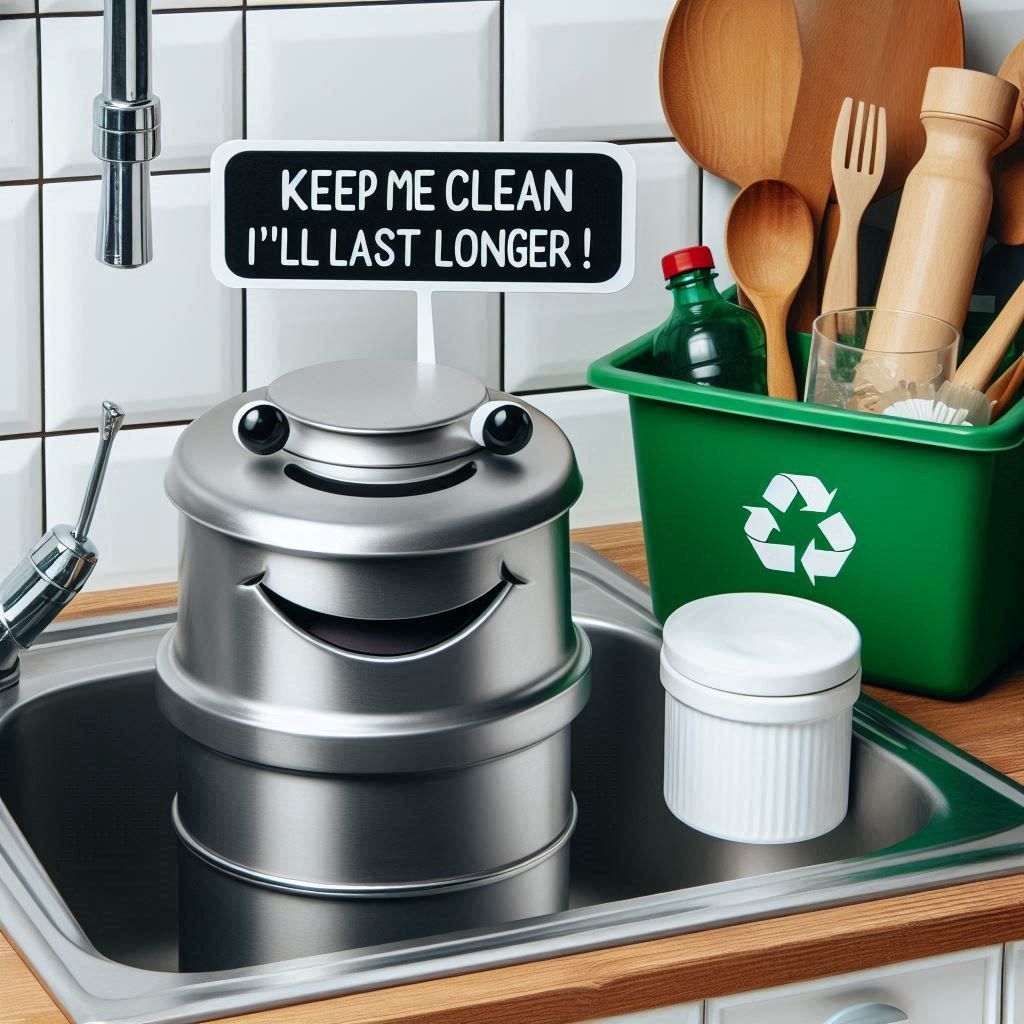
Good care saves money and time. Well-maintained cookware performs better. It cooks more evenly and lasts longer. Using cookware maintenance tips for long life reduces waste and keeps food safe.
- Extend lifespan by avoiding high heat and harsh cleaners.
- Keep nonstick coatings intact with gentle tools.
- Prevent rust and pitting on cast iron and steel.
My experience shows a pan treated with care stays usable five to ten years longer than one treated roughly. Small habits matter. Use these cookware maintenance tips for long life to protect your investment.

Daily care basics
Clean pans soon after use when safe to do so. Cool cookware a little before washing. Use warm water and mild dish soap for most jobs. Avoid metal scrubbers on delicate surfaces.
- Rinse food particles right after serving.
- Soak stuck-on food in warm soapy water for 10 to 20 minutes.
- Dry immediately to prevent water spots and rust.
Simple daily actions are core cookware maintenance tips for long life. They reduce buildup and make deep cleaning rare. These habits also preserve finishes and coatings.
Material-specific care
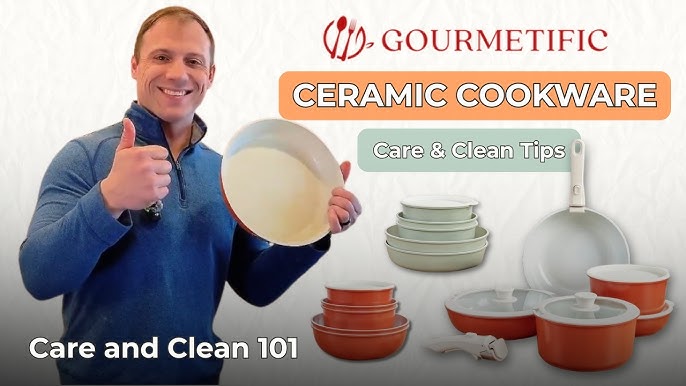
Different materials need different care. Follow these material tips as part of your cookware maintenance tips for long life.
Stainless steel
Stainless steel tolerates higher heat. Avoid overheating an empty pan. Use a cloth or sponge and mild soap. For stains, use a paste of baking soda and water.
Nonstick
Use low to medium heat. Avoid metal utensils. Hand wash only if the label says so. When the coating peels or flakes, replace the pan.
Cast iron
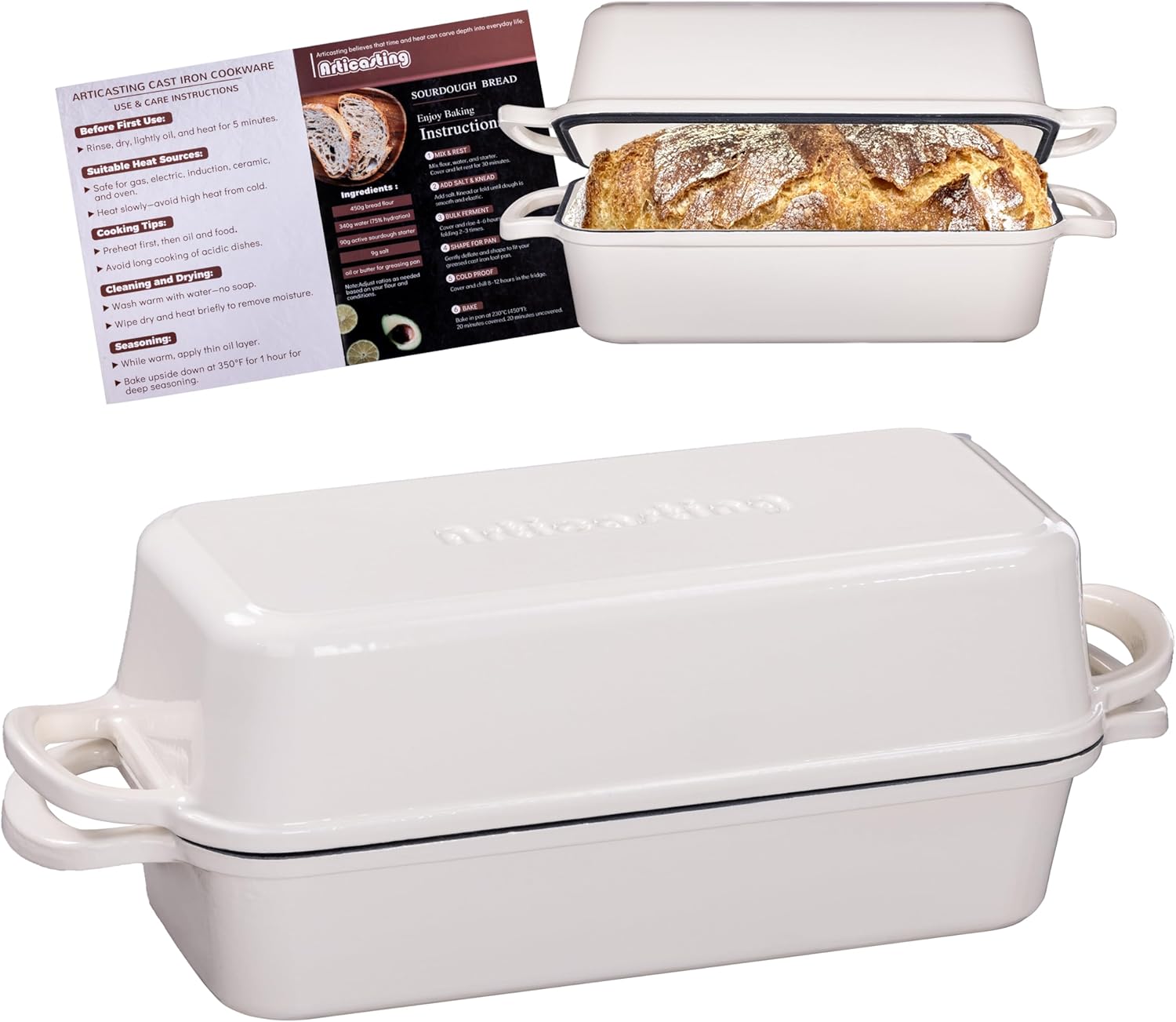
Season cast iron with oil after cleaning. Clean with hot water and a brush. Dry thoroughly and apply a thin oil layer to prevent rust. Do not soak overnight.
Carbon steel
Treat like cast iron. Season frequently. Avoid acidic foods until a strong seasoning builds. Dry and oil after each wash.
Copper
Polish copper to keep its shine. Clean with a gentle metal cleaner or vinegar and salt paste. Do not use abrasive pads that scratch the surface.
These cookware maintenance tips for long life work best when you match them to material needs. I once ruined a good nonstick pan by using a metal spatula. That taught me to treat each material with respect.
Cleaning techniques and do’s and don’ts
Follow safe cleaning methods to avoid damage. Read the manufacturer guidelines first. Never assume all pans are dishwasher-safe.
- Do use soft sponges and non-abrasive cleaners.
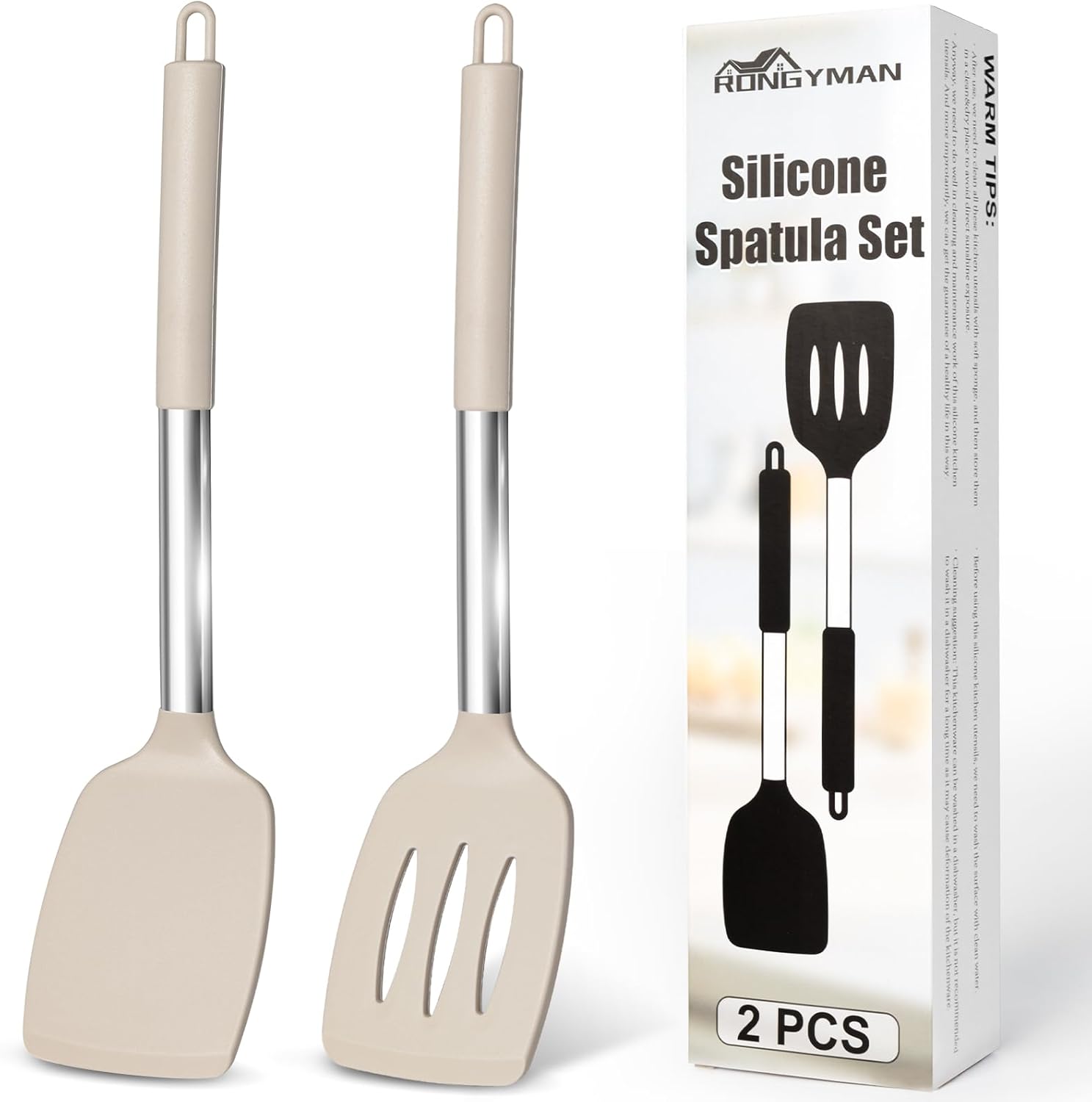
- Do use plastic or wooden utensils on nonstick surfaces.
- Do soak stubborn residue before scrubbing.
- Don’t use oven cleaners on nonstick or coated pans.
- Don’t heat an empty pan for long periods.
- Don’t use metal scrubbers on polished or coated surfaces.
People also ask
How do I remove burnt food from a pan?
Fill the pan with hot water and a little dish soap. Let it soak for 20 minutes, then scrub gently with a soft sponge.
Can I put nonstick pans in the dishwasher?
Many nonstick pans are labeled dishwasher-safe but hand washing is gentler and helps the coating last longer.
These are practical cookware maintenance tips for long life. They keep pans functional and attractive.
Storage and handling
Store cookware to avoid scratches and dents. Stack pans with protection between them. Hang pots to save space and air them.
- Use felt or cloth liners between stacked pans.
- Store lids separately or hang them to avoid pressure on rims.
- Keep wood and plastic utensils stored near pans for easy access.
Proper handling is part of cookware maintenance tips for long life. Dropping a heavy pan or crowding a cabinet can cause chips or warping.
Repair, restoration, and when to replace
Some damage can be fixed. Re-season cast iron and carbon steel when needed. Refinish or repolish stainless and copper in many cases. Nonstick coatings that peel should be replaced for safety.
- Re-season pans to rebuild protection.
- Use professional resurfacing for warped stainless if cost-effective.
- Replace cookware if warping, deep pitting, or flaking makes it unsafe.
I repaired a scratched stainless pan with a simple polish kit and saved it. But a flaking nonstick pan was replaced immediately for safety. These are honest cookware maintenance tips for long life and safety.
Buying with longevity in mind
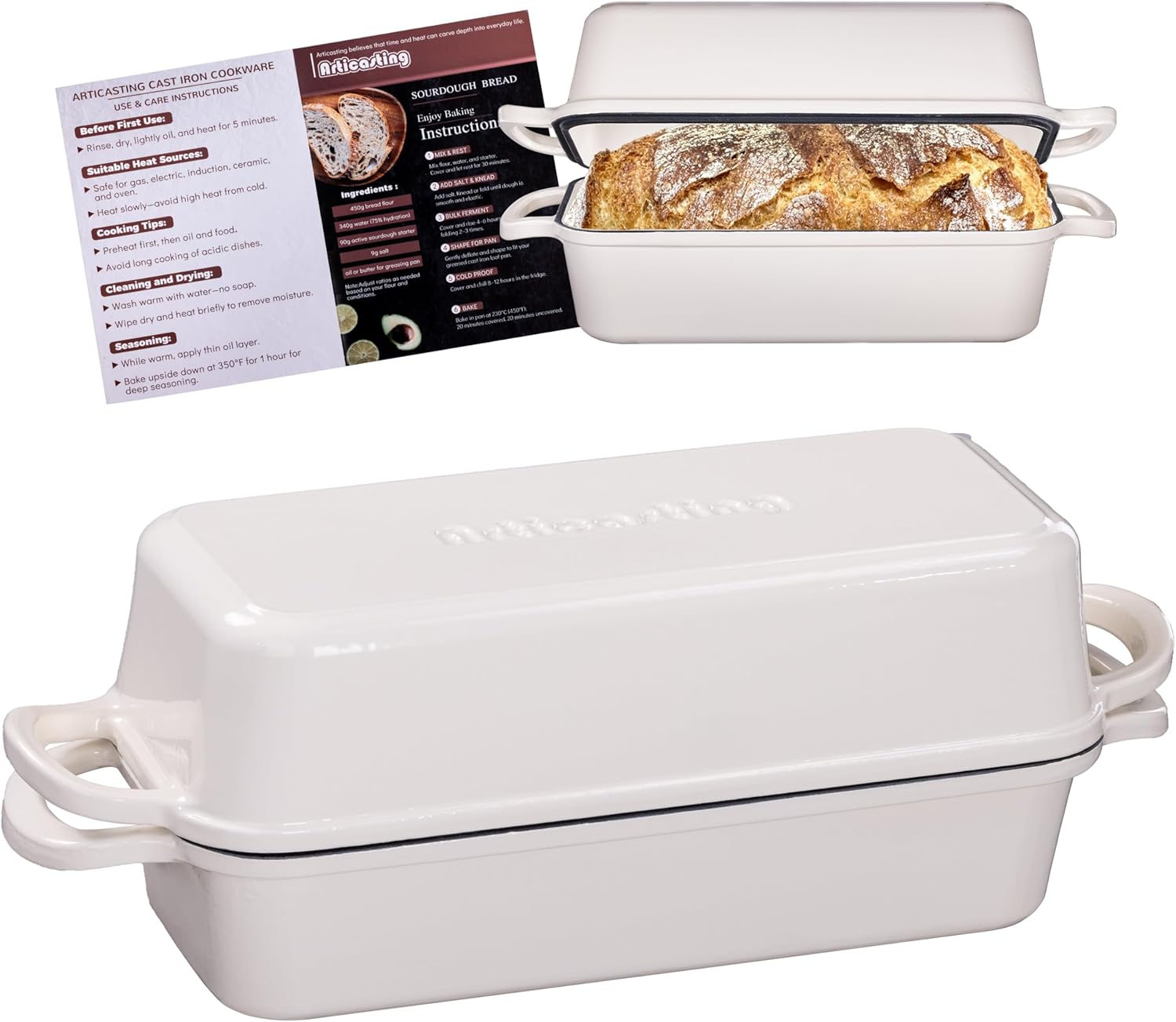
Pick cookware that matches your cooking style and care habits. Look for thicker bases, good warranties, and trusted brands. Choose materials you can maintain well.
- Choose stainless or cast iron for durable daily use.
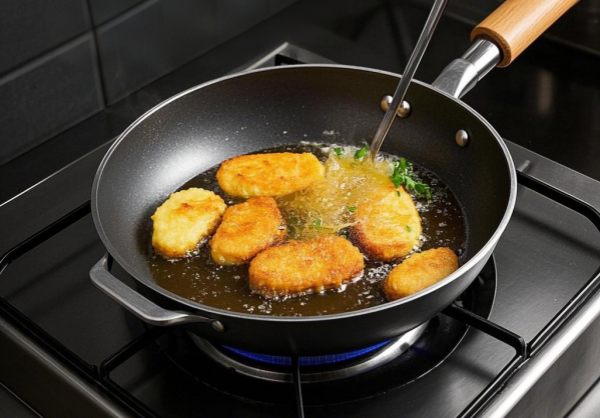
- Buy nonstick for low-fat cooking but expect a shorter life.
- Check warranty and manufacturer care advice.
Buying smart is step one of cookware maintenance tips for long life. A well-chosen pan is easier to maintain.
Frequently Asked Questions of cookware maintenance tips for long life
How often should I re-season cast iron?
Re-season when food starts to stick or the surface looks dull. Regular light oiling after each clean helps maintain the seasoning longer.
Is it safe to use metal utensils on stainless steel?
Yes. Metal utensils work fine on stainless steel and do not harm the surface. Avoid using them on nonstick or coated pans.
Can I remove stains from stainless steel with home products?
Yes. Baking soda paste or a vinegar soak often removes stains. For tough spots, a gentle abrasive cleaner can help.
How do I prevent rust on cookware?
Dry cookware immediately and store in a dry place. Apply a thin oil layer to cast iron and carbon steel after drying.
When should I replace a nonstick pan?
Replace when the coating flakes, peels, or shows deep scratches. Continued use of a damaged nonstick pan can be unsafe.
Conclusion
Follow simple, consistent steps to care for your pots and pans. Clean gently, match care to material, store thoughtfully, and repair when you can. These cookware maintenance tips for long life will save you money and time and make cooking more enjoyable. Start using one new care habit today and watch your cookware last longer. Share your tips or ask a question below to keep the conversation going.