Choose inert materials, avoid scratched nonstick, and cook with gentle heat.
I’ve spent years testing pans and reading product labels to help people cook safer at home. This guide explains how to avoid toxic chemicals in cookware with clear steps, simple rules, and honest tips you can use today. You will learn what chemicals to watch for, which materials work best, how to shop, and how to care for pots and pans so your food stays clean and healthy.
Why toxic chemicals in cookware matter
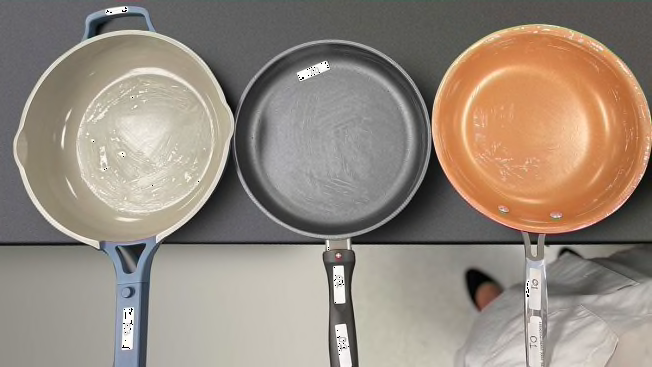
Many cookware coatings and alloys can release harmful chemicals into food. Long-term exposure can affect health. Pregnant people, children, and those who cook daily are most at risk.
Understanding basic risks helps you choose safer tools. This article focuses on how to avoid toxic chemicals in cookware so your cooking is healthier and simpler.

Common toxic chemicals to avoid
Below are chemicals often linked to cookware risks.
- Perfluorinated compounds (PFCs) and PFOA
- PTFE (polytetrafluoroethylene) when overheated
- Lead and cadmium in glazes and low-cost alloys
- Aluminum leaching from untreated aluminum
- Copper and nickel leaching from reactive surfaces
Many of these can transfer into food when pans are scratched, overheated, or corroded. Studies and product recalls show these problems occur mostly with damaged or low-quality cookware.
How to avoid toxic chemicals in cookware: Practical steps
These steps help you prevent chemical exposure every time you cook.
- Choose inert materials. Pick stainless steel, cast iron, enamel, or high-quality ceramic as primary options. These release fewer chemicals.
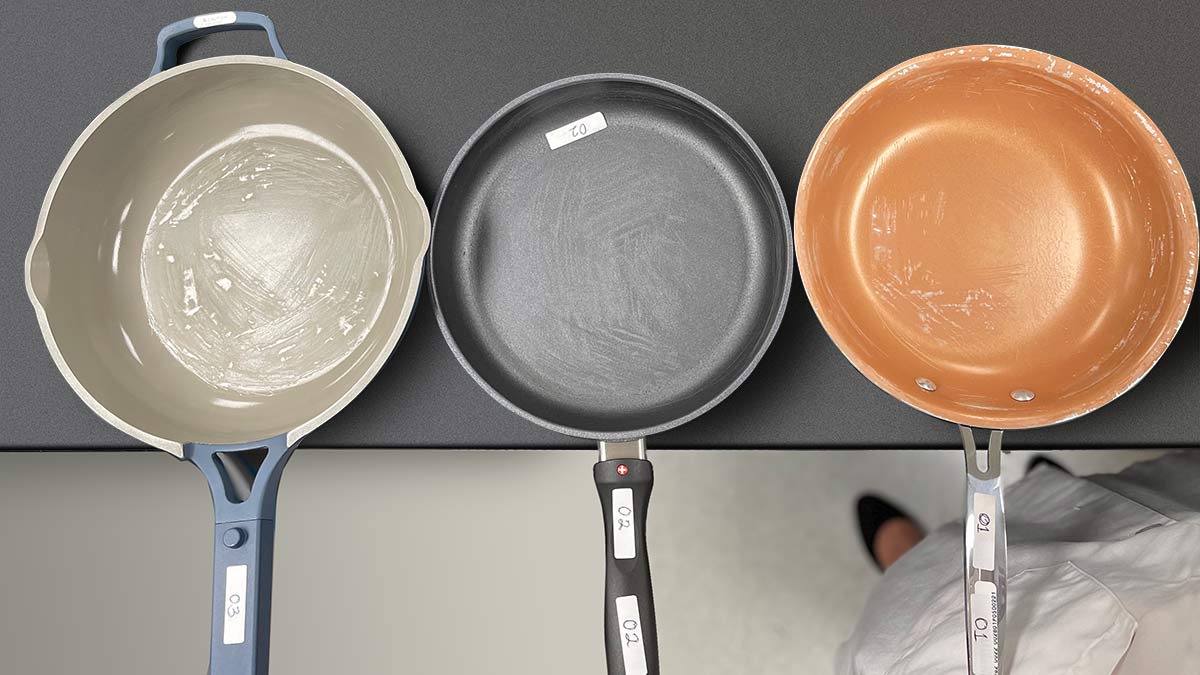
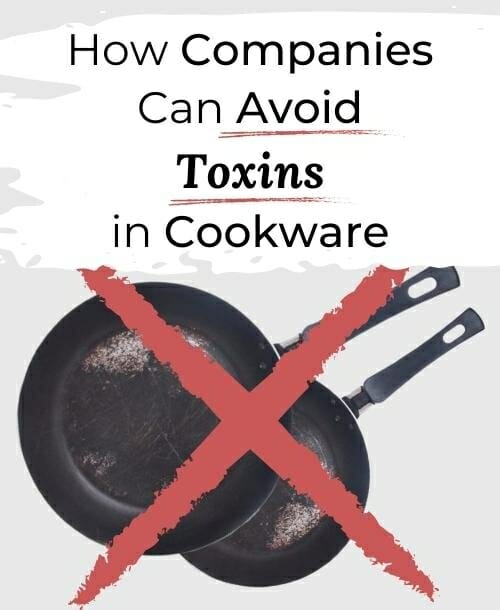
- Avoid scratched nonstick pans. Do not use old or flaking nonstick. Replace them when coating shows wear.
- Cook at sensible temperatures. Avoid heating nonstick pans empty or to smoking point. High heat breaks down coatings.
- Don’t store acidic food in reactive pans. Tomatoes and vinegar speed metal leaching. Use glass or stainless for storage.
- Look for safety statements. Check labels for “PFOA-free” and manufacturer care instructions. Confirm by reading product specs.
- Replace damaged cookware. Cracked enamel, flaking coatings, and deep pitting mean it’s time to discard the item.
Following these steps is a straightforward way to reduce risk. The core idea is to use durable, stable surfaces and avoid abuse that releases chemicals.
Best cookware materials and what to avoid
Know the pros and cons of common materials.
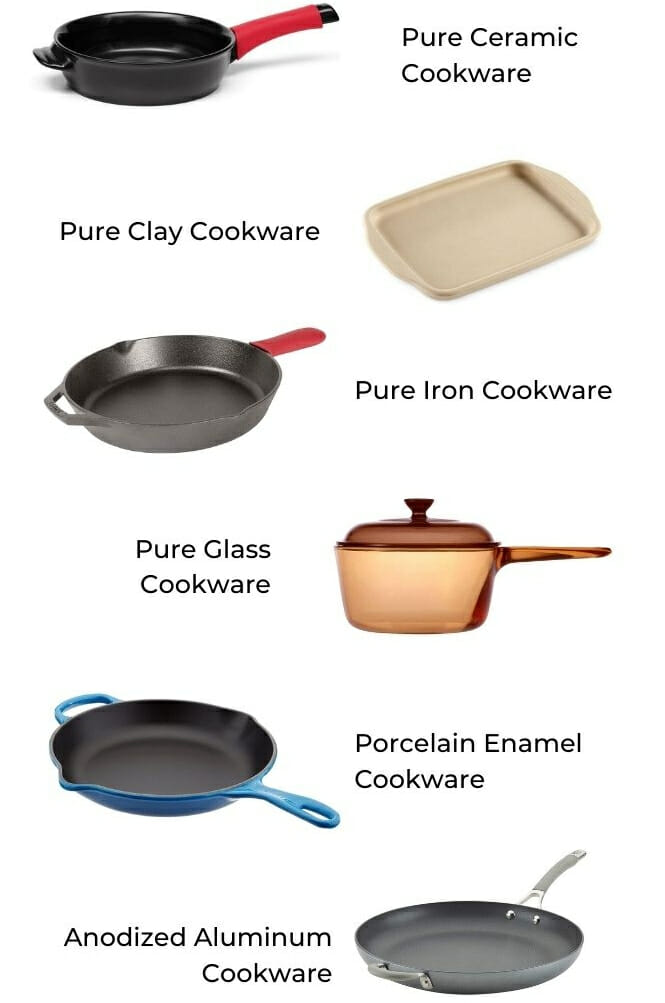
- Stainless steel: Durable, non-reactive, and good for high heat. Avoid low-grade alloys that may leach nickel if you have sensitivity.
- Cast iron: Very stable and can add dietary iron. Season it and avoid cooking very acidic foods for long periods.
- Enameled cast iron: Looks like cast iron but with a glass layer. Avoid chipped enamel.
- Ceramic coated: Choose high-quality, fully vitrified ceramic. Lower-cost ceramic coatings may contain additives.
- Pure ceramic and glass: Very inert and safe for low to medium heat cooking. Not ideal for high-heat searing.
- Aluminum (anodized): Hard-anodized aluminum is more stable and less likely to leach. Avoid raw aluminum for acidic cooking.
- Traditional nonstick (PTFE): Good for low- to medium-heat cooking. Replace when scratched and avoid overheating.
What to avoid
- Old, flaking nonstick pans.
- Unlabeled imports without safety claims.
- Cheap glazed cookware with unknown lead content.
Choosing the right material is the heart of learning how to avoid toxic chemicals in cookware. Pick the material that fits your cooking style and care habits.
Cleaning, care, and cooking habits that reduce risk
How you use pans matters as much as what you buy.
- Use wooden or silicone tools to protect coatings.
- Hand wash when possible. Avoid scouring pads on coated surfaces.
- Do not overheat empty pans. Heat food, not bare cookware.
- Season cast iron and maintain its protective layer.
- Avoid thermal shock. Let hot glass or ceramic cool slowly before washing.
- Store properly to avoid scratches and chipping.
Small daily habits reduce wear and chemical release. I learned this the hard way when an old nonstick pan began to flake after a year of heavy use. Replacing it removed a daily exposure that I hadn’t noticed.
Shopping checklist and certification cues
Use a simple checklist before you buy.
- Label checks: Look for “PFOA-free,” “PFAS-free,” or “no added lead.”
- Material details: Confirm metal grades like 18/10 stainless steel.
- Manufacturer care guidance: Clear care instructions are a good sign.
- Warranties and return policy: Long warranties often mean higher quality.
- Third-party testing: Prefer brands that mention independent testing.
Trust your senses too. Packaging that hides details or vague claims may mean corners were cut. This is a practical part of learning how to avoid toxic chemicals in cookware.
Personal experience and lessons learned
I have tested many pans at home and in kitchens. Here are real lessons from that work.
- Mistake to avoid: Buying the cheapest nonstick and expecting it to last. It wore out fast and began to flake. I replaced it with quality ceramic and saw immediate improvement in durability.
- Smart swap: Replacing one frequently used nonstick pan with a well-seasoned cast iron pan reduced my use of oils and removed my worry about coating breakdown.
- Practical tip: When trying a new pan, use it for simple tasks first. Look for smells, flaking, or discoloration. Return it if anything seems off.
These hands-on steps show how to avoid toxic chemicals in cookware in real kitchens. Small changes matter. They add up to safer meals.
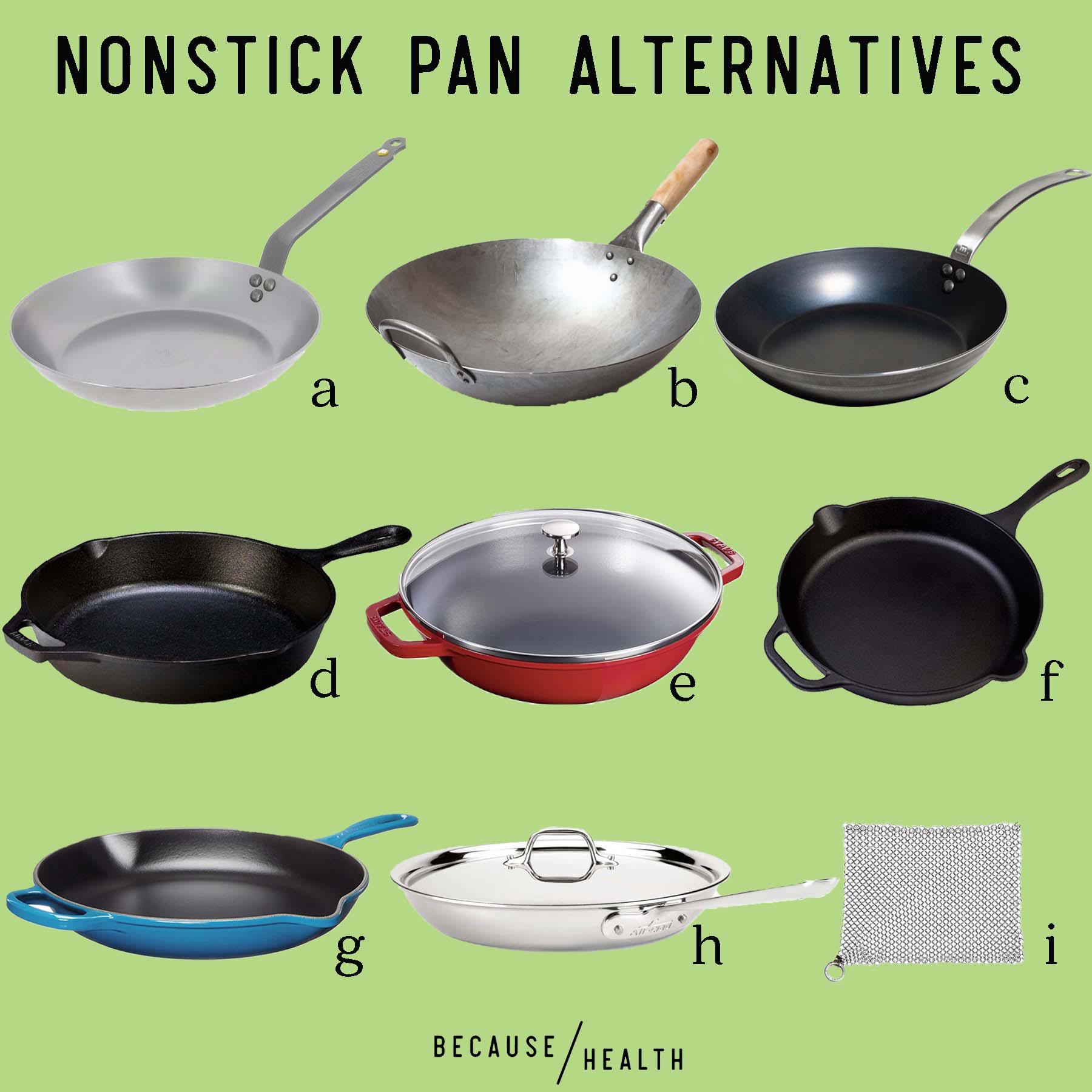
Frequently Asked Questions of how to avoid toxic chemicals in cookware
What cookware is safest to use every day?
Stainless steel, well-seasoned cast iron, and pure ceramic are safe daily choices. They are stable and release few chemicals when used correctly.
Are nonstick pans dangerous for health?
Nonstick pans are safe at low to medium heat and when intact. They become risky if overheated or if the coating is scratched and flakes into food.
How often should I replace cookware to avoid chemicals?
Replace coated pans when coatings show wear or flaking. Metal pans last longer; replace them if heavy pitting or corrosion appears.
Can I use aluminum pans safely?
Use anodized aluminum rather than raw aluminum, and avoid cooking acidic foods in untreated aluminum. Anodized versions reduce leaching risks.
Do ceramic-coated pans contain toxic chemicals?
High-quality ceramic-coated pans are generally safe, but low-cost versions may contain additives. Choose reputable brands and inspect for chips.
Is it safe to buy secondhand cookware?
Secondhand steel or cast iron can be safe after cleaning and inspection. Avoid secondhand nonstick or chipped enamel cookware to reduce chemical risk.
Conclusion
Avoiding toxic chemicals in cookware is mostly about choice and care. Pick stable materials, avoid damaged coatings, cook at sensible temperatures, and follow simple cleaning rules. Start by checking what you own and replacing the most worn or questionable pieces. Small swaps and steady habits lead to healthier cooking and peace of mind. Try one change this week—swap a flaking pan or start using cast iron—and see the difference. Share your experience, subscribe for more tips, or leave a comment to ask a question.