Stack pots and pans with soft liners, separators, and smart order to avoid surface scratches.
I’ve spent years organizing small kitchens and testing cookware, so I know exactly how to stack cookware without scratching while keeping pans ready to cook. This guide shows practical steps, proven materials, and simple DIY tips that protect nonstick, stainless, and cast-iron pieces. Read on for clear methods, mistakes to avoid, and quick solutions you can use today.
Why scratches happen and what to watch for when you learn how to stack cookware without scratching
Scratches happen when hard surfaces rub together under weight or movement. Grit, metal-on-metal contact, and stacking heavy pieces without padding cause the most damage. Different finishes react differently: nonstick coatings chip, stainless steel shows abrasions, and enamel can crack. Understanding the causes helps you pick the right protections for each pan.
Materials and protectors that work best for how to stack cookware without scratching
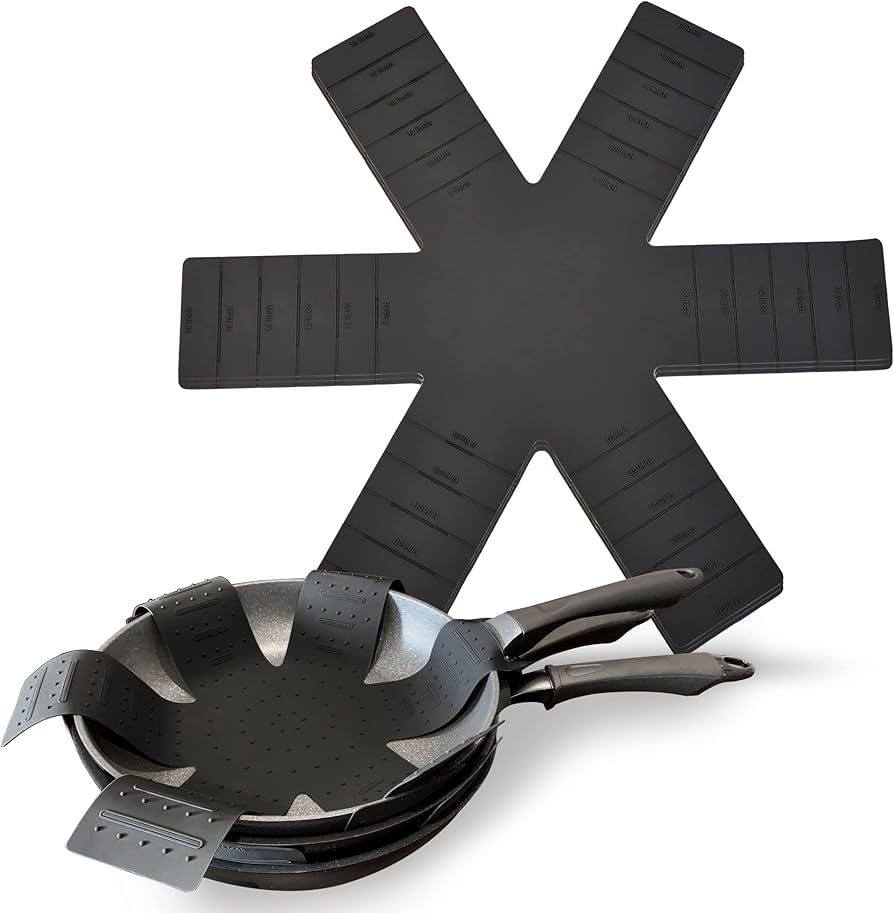
Choosing the right material between pans and using protectors makes stacking safe. Match protectors to pan type and size for best results.
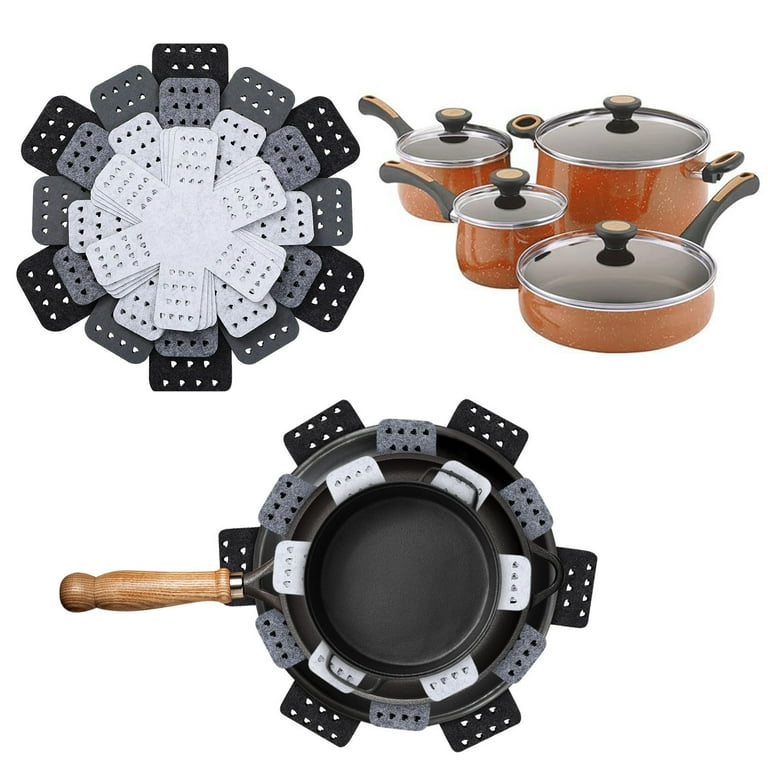
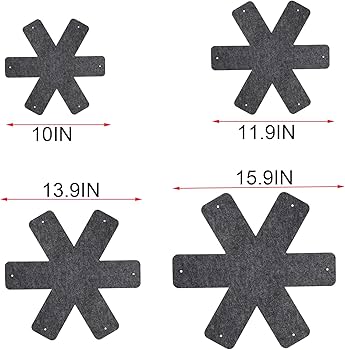
- Soft felt or fabric liners: Thin, washable rounds that cushion and prevent abrasion.
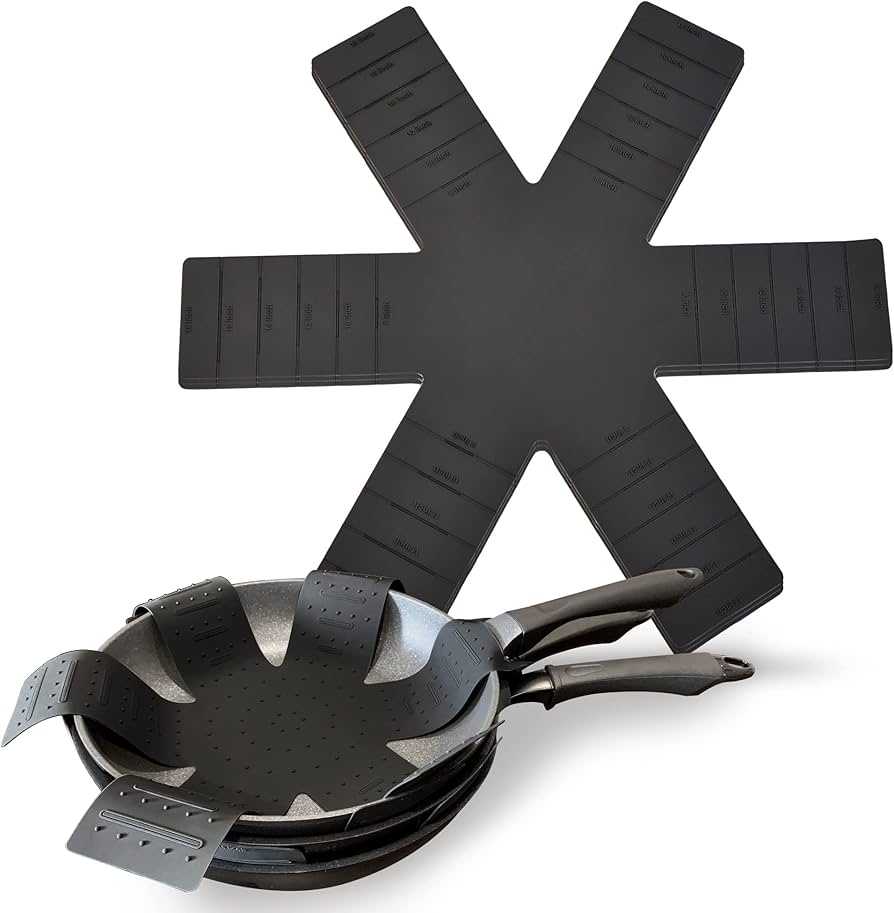
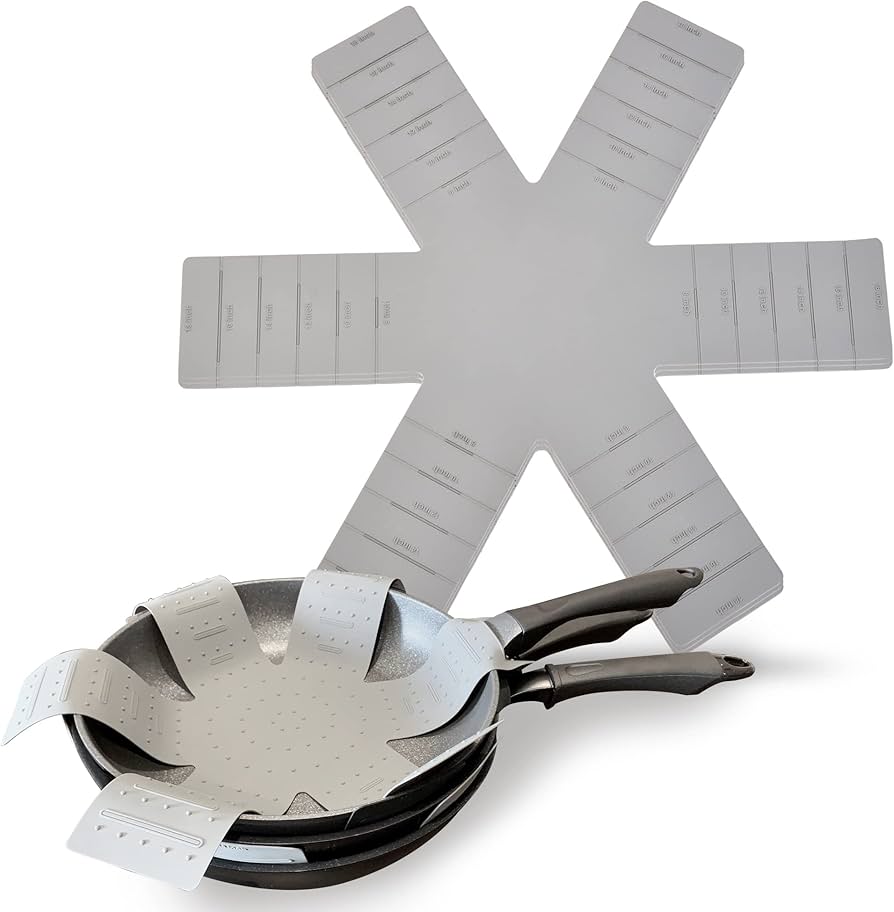
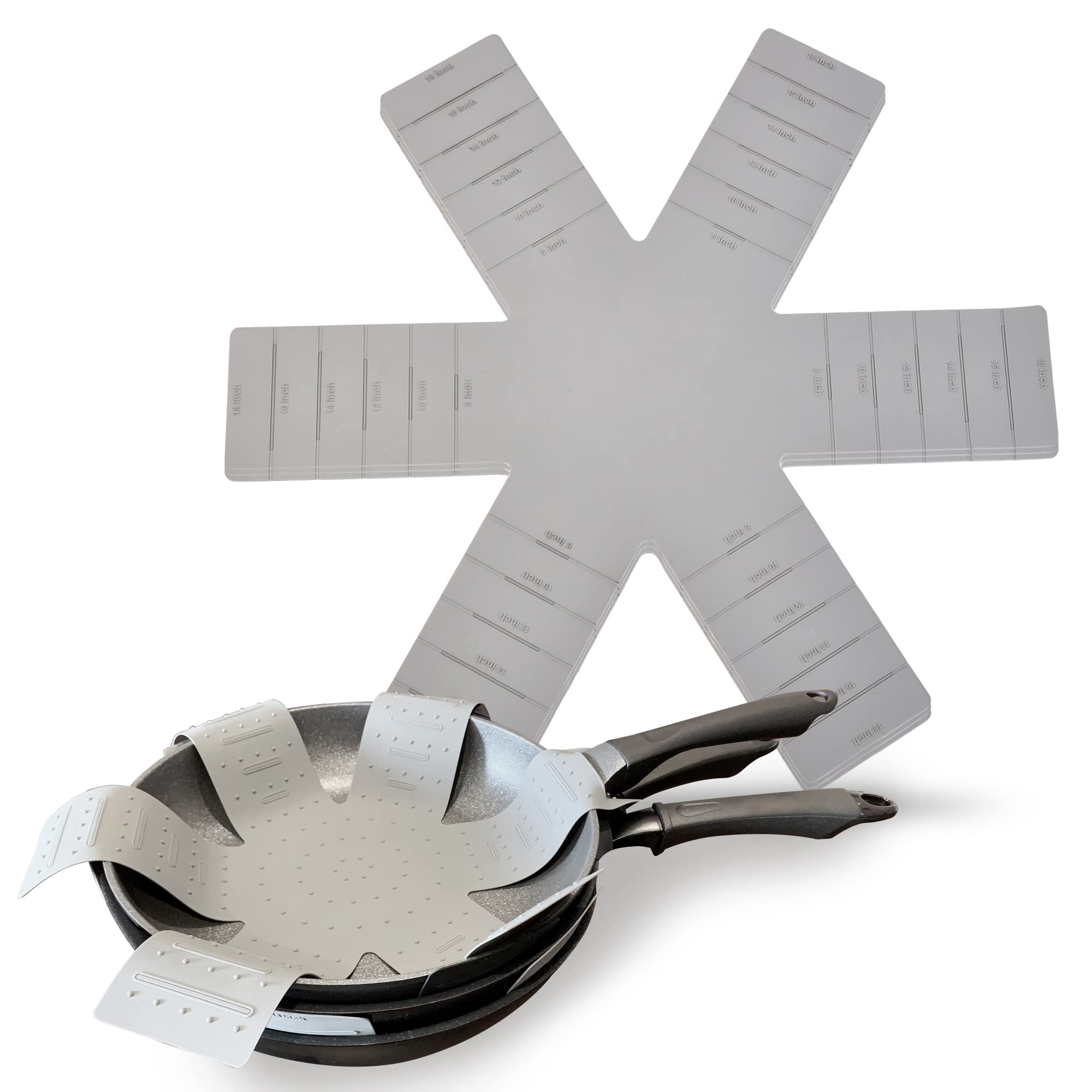
- Silicone pan protectors: Reusable, heat-resistant, and grippy. Good for heavier pans.
- Paper towels or cloth: Quick, low-cost option for short-term storage.
- Cardboard or paperboard separators: Lightweight and customizable for nesting sets.
- Plate or pan organizers: Plastic or metal racks that hold pans vertically to stop rubbing.
- Muffin-cup or silicone baking cups: Small feet protect nonstick interiors from contact.
How to stack cookware without scratching depends on pairing these materials to the cookware type. For nonstick, always use soft liners or silicone. For stainless, felt or a thin towel is fine. For cast iron, avoid long-term stacking unless pans are seasoned and separated with thin cloths.
Step-by-step method: how to stack cookware without scratching — practical routine
Follow this simple routine every time you store pans to minimize scratches.
- Clean and dry each piece completely to remove grit and moisture.
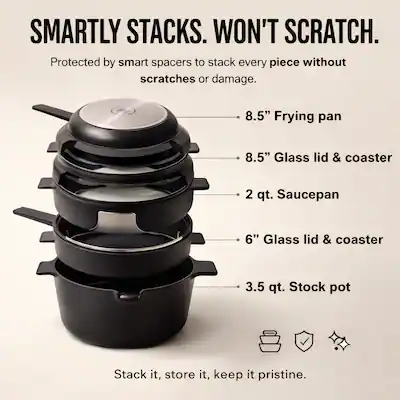
- Group by type and size so heavier pieces sit at the bottom.
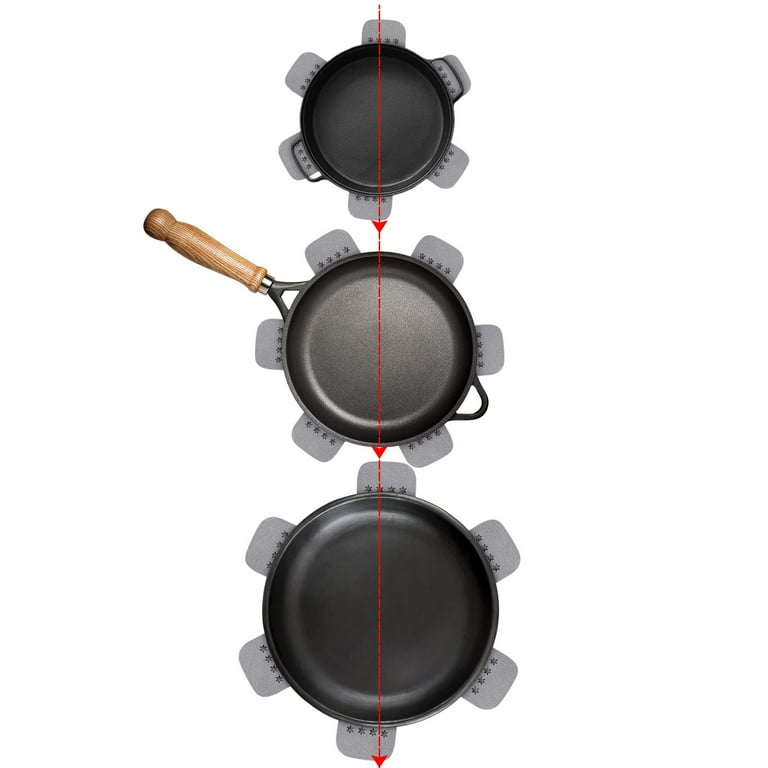
- Place a soft liner or silicone protector on the bottom of the lower pan.
- Nest the smaller pan inside, adding another protector between surfaces.
- Alternate handle direction to reduce pressure points and prevent wobble.
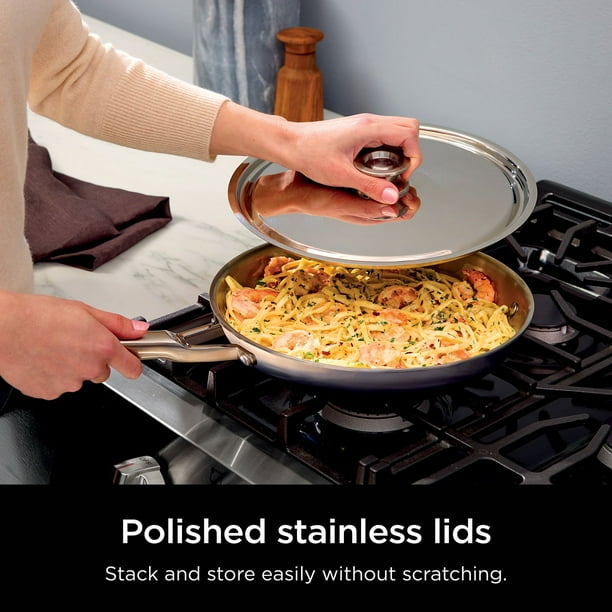
- Store lids separately on a lid rack or vertically to avoid contact with cooking surfaces.
Repeat this routine every time you store pans. Consistency keeps surfaces intact and prevents accidental scuffs when you pull things out.
Storage solutions and DIY ideas for how to stack cookware without scratching
Good storage reduces the chance of scratching and speeds kitchen tasks. These solutions fit small kitchens and larger setups alike.
- Vertical pan racks: Hold pans upright so they don’t rub edges together.
- Pegboard or wall hooks: Hang lighter pans by handle for immediate accessibility.
- Cabinet shelf organizers: Adjustable racks that separate stacked cookware.
- Drawer dividers: Keep pans flat but separated with felt or silicone strips.
- DIY felt pads: Cut felt circles from inexpensive craft felt and stack between pans.
- Re-purpose cardboard: Folded strips or circles make custom spacers when felt isn’t available.
I once used folded cardboard between stainless pans while renovating a kitchen. It saved the finish and was cheap. Later I replaced the cardboard with washable felt rounds for a longer-term solution.
Care and maintenance tips tied to how to stack cookware without scratching
Stacking is only one part of protecting cookware. Regular care extends lifespan and reduces scratch risk.
- Clean gently: Use nonabrasive sponges and mild detergents to avoid roughing surfaces.
- Remove grit: Shake out crumbs or wipe sand and salt from pans before stacking.
- Season cast iron: A well-seasoned surface resists sticking and light abrasion.
- Recondition finishes: For minor scratches, polish stainless or re-season cast iron as needed.
- Inspect protectors: Replace felt or silicone protectors when they compress or shred.
Treating the surface well before storage prevents many scratching issues later. Small habits make a big difference.
Personal experience: real mistakes and the fixes I use for how to stack cookware without scratching
I learned the hard way that “just tossing” pans into a cabinet ruins finishes. Early on, I nested nonstick pans without liners and lost one coating. After that mistake I standardized a simple kit: a pack of felt circles, two silicone pan protectors, and a vertical rack. Now I stack quickly and safely. Lesson learned: inexpensive protectors save expensive cookware.
Quick PAA-style questions about how to stack cookware without scratching
Q: Will towels prevent all scratches?
A: Towels help but can trap grit, so use clean, lint-free cloths or felt for the best protection.
Q: Can I stack cast-iron pans?
A: You can, but use cloth or paper between them and avoid stacking for long periods to protect seasoning.
Q: Are silicone protectors better than felt?
A: Silicone is more durable and washable; felt is softer and thinner. Choose based on pan weight and storage depth.
Frequently Asked Questions of how to stack cookware without scratching
How should I stack nonstick pans to avoid damage?
Always clean and dry nonstick pans, then place a soft liner or silicone protector between each pan. Store by nesting light-to-heavy and avoid sliding.
Do paper towels work as a temporary protector?
Yes, paper towels work short-term but compress and shift. Replace them with felt or silicone for regular use.
Is it safe to stack stainless steel on stainless steel?
Yes, stainless is durable, but use thin felt or paperboard to reduce visible abrasions over time. Avoid gritty materials.
How do I protect glass or enamel cookware from chips?
Store glass and enamel with thick separators and never stack heavy cast iron on top. Keep them upright if possible.
Can I use drawer dividers to prevent scratches?
Drawer dividers are effective if paired with soft liners or silicone strips. They prevent sliding and keep pans separated.
How often should I replace pan protectors?
Replace protectors when they show wear, compression, or embedded grit. Inspect them every few months for heavy-use kitchens.
[Use these answers as quick checks when organizing your kitchen.]
Conclusion
Protecting cookware is easy with the right routine. Clean each pan, choose correct protectors, stack by size and type, and use vertical or padded storage. These simple steps stop scratches and keep pans cooking-ready for years. Try one protector method this week and adjust to your kitchen flow. If this helped, share your favorite stacking trick or subscribe for more kitchen care tips.