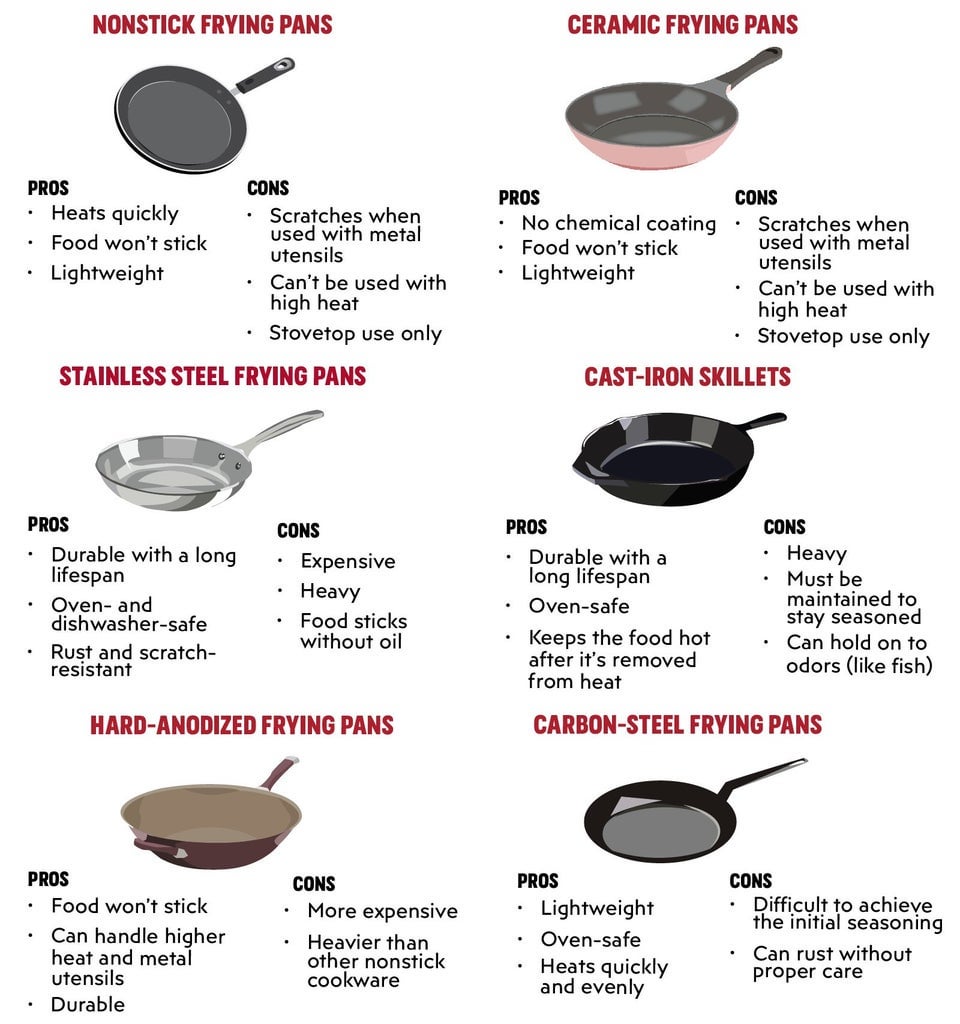
Stainless steel is durable and versatile; nonstick is convenient but less durable and needs careful use.
I’ve spent years testing pans in home kitchens and in small commercial settings. I know the real trade-offs between stainless steel vs nonstick cookware pros and cons. This guide breaks both options down clearly. Read on to learn which choice fits your cooking style, budget, and priorities.
How stainless steel vs nonstick cookware pros and cons work
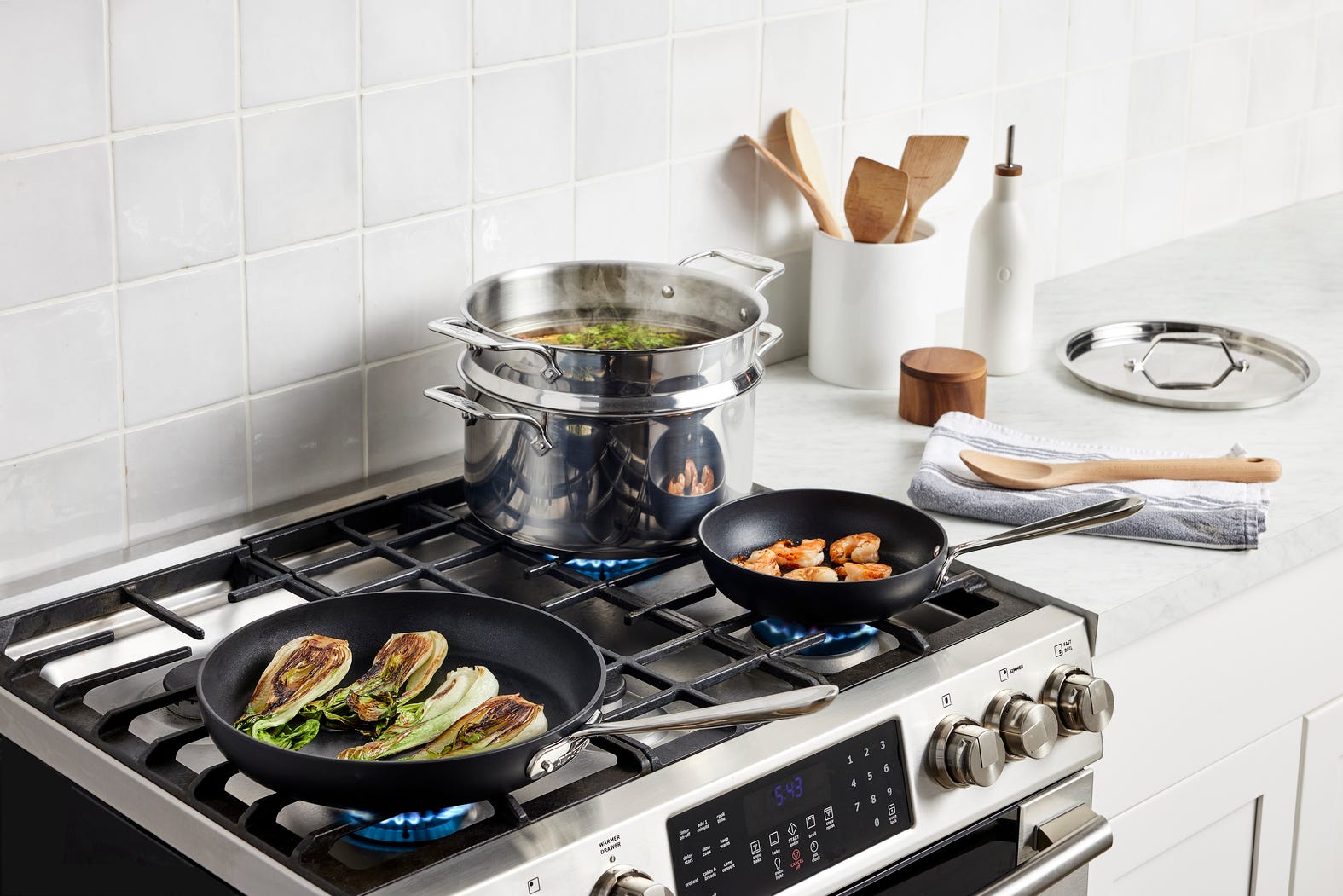
Stainless steel pans are made from metal alloys. They conduct heat well and form a durable cooking surface. Nonstick pans use a coated surface, usually PTFE or ceramic, to prevent food from sticking. That coating changes how you cook and care for the pan.
Understanding the basics helps pick the right pan for the right job. Below I explain practical strengths, limits, cleaning tips, and buying advice for both types.
Stainless steel cookware: pros and cons
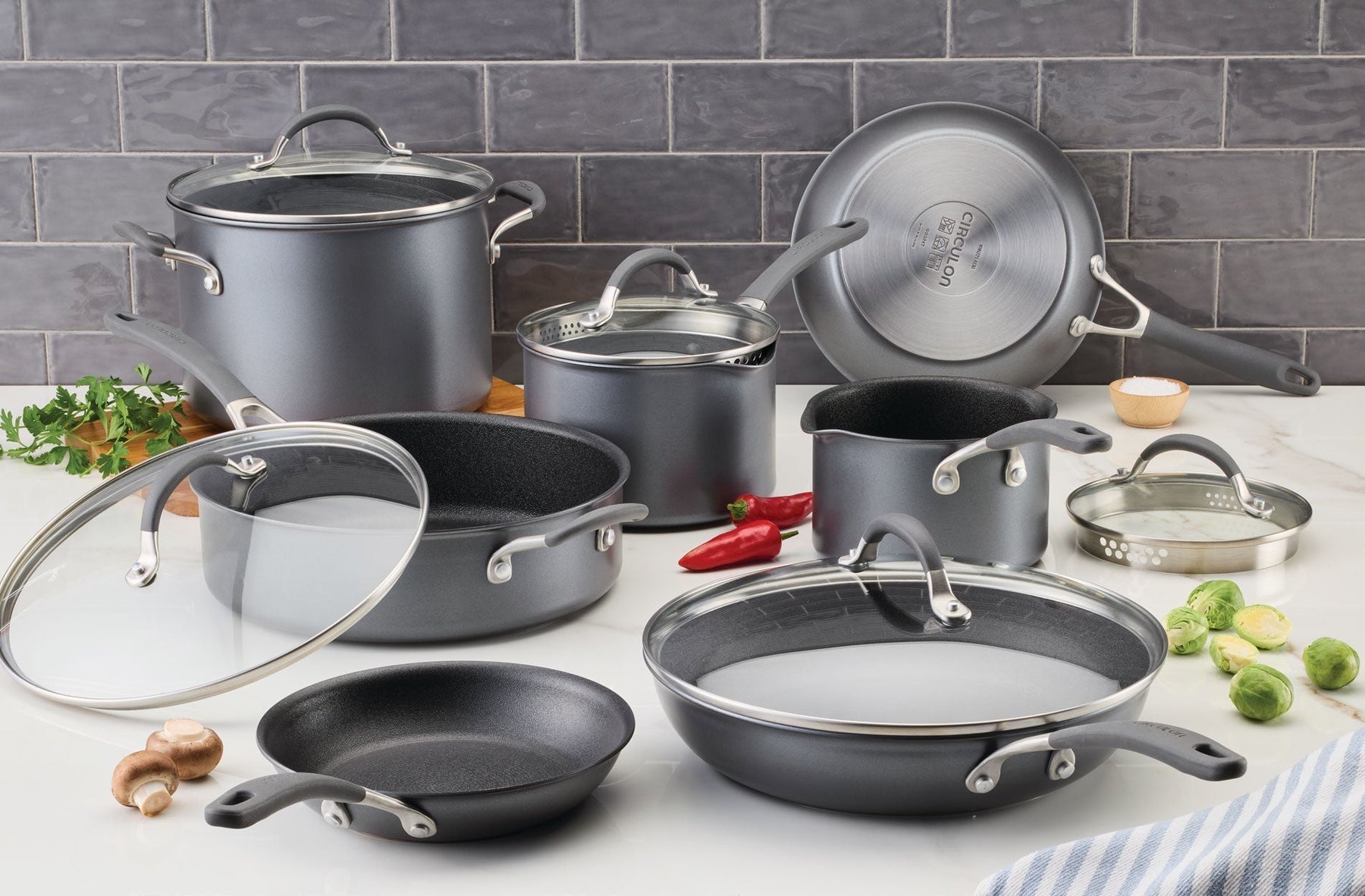
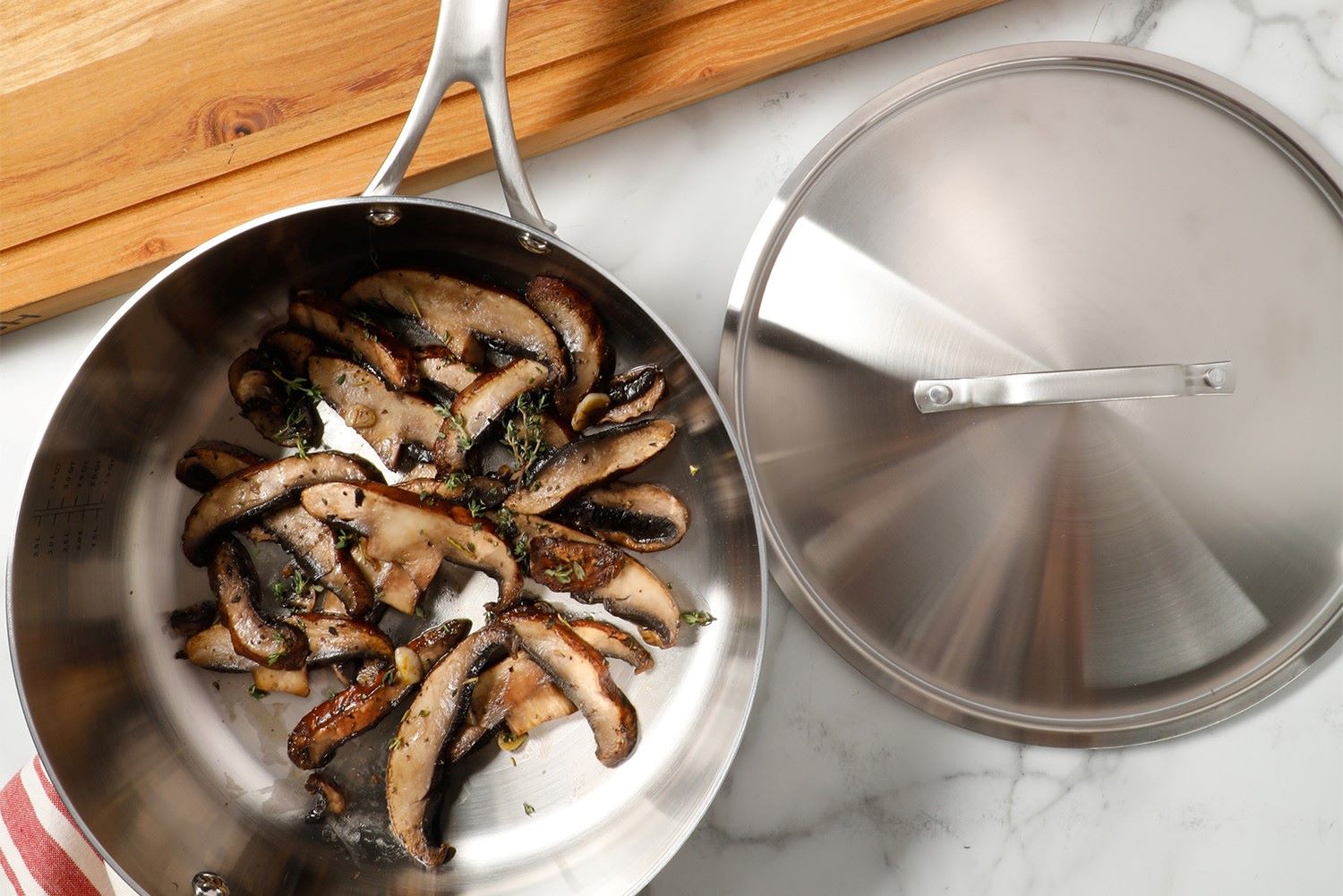
Stainless steel is the classic workhorse in many kitchens. Here’s a full look.
Pros
- Durability: Stainless steel resists dents, warping, and corrosion. It can last for decades with good care.
- High-heat cooking: Great for searing, browning, and deglazing. It holds up at high temperatures.
- No chemical coating: No worries about flaking nonstick coatings or coating wear.
- Oven and broiler safe: Most stainless pans handle oven heat well, often up to 500°F.
- Versatile look: Stainless fits a range of kitchen styles and is easy to match with other tools.
Cons
- Food can stick: Especially eggs and delicate fish unless you master heat and oil.
- Requires technique: Proper preheating, oiling, and temperature control are needed to prevent sticking.
- Can be heavier: High-quality stainless sets can be heavy to lift when full.
- Heat spots if thin: Cheaper pans with thin bases can heat unevenly.
Personal note: I learned to get perfect sears with stainless by preheating the pan until a few drops of water dance. That trick saved many meals.
Nonstick cookware: pros and cons
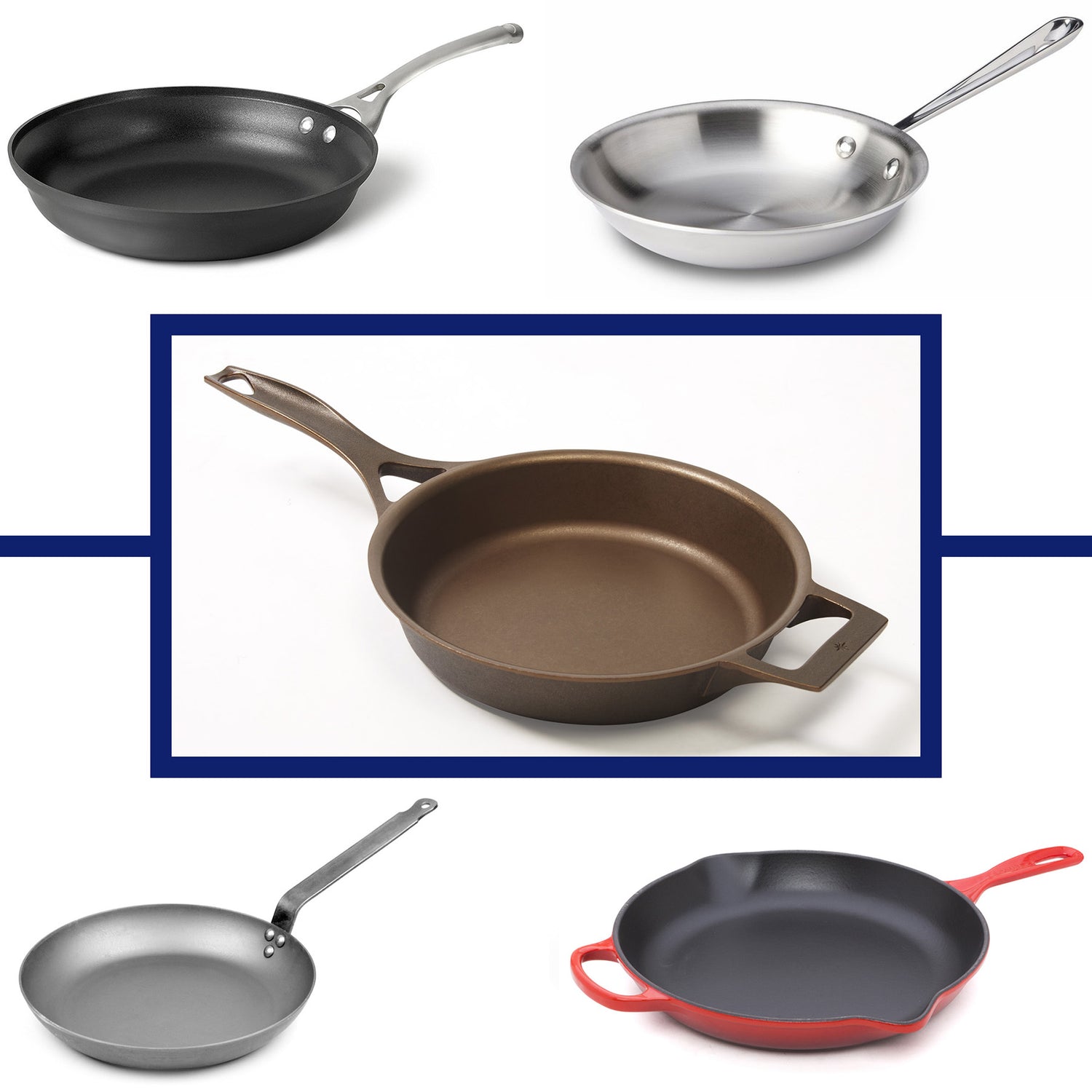
Nonstick pans change the way you cook morning eggs and low-fat meals. They also have trade-offs.
Pros
- Easy release: Eggs, pancakes, and fish slide out cleanly with little oil.
- Quick cleanup: Wiping with a sponge usually does the job.
- Great for low-fat cooking: Less oil or butter needed.
- Lightweight: Often easier to handle for everyday use.
Cons
- Limited lifespan: Coatings degrade over months to a few years with regular use.
- Heat limits: Most PTFE nonstick should not exceed about 500°F. Overheating can damage the coating.
- Scratching risk: Metal utensils can scratch nonstick surfaces. Scratches reduce performance and may expose substrate.
- Safety and disposal: Worn coatings should be replaced; badly scratched pans should be recycled per local rules.
Personal note: I once ruined a favorite nonstick by using a metal spatula. After that, I kept only silicone or wooden tools for coated pans.
Performance comparison: cooking, searing, and everyday use
How do these two types stack up in real cooking?
Searing and browning
- Stainless steel: Best for deep, even sears and making pan sauces from fond.
- Nonstick: Poorer at forming a proper crust because food releases too easily.
Delicate foods and eggs
- Stainless steel: Requires more practice. Heat and oil control are key.
- Nonstick: Ideal for eggs and crepes. Very forgiving.
Heat control and responsiveness
- Stainless steel: Often comes with layered bases that respond well to temperature changes.
- Nonstick: Heats quickly but can suffer from hotspots on lower-quality pans.
Durability and long-term value
- Stainless steel: Often a better long-term investment for serious cooks.
- Nonstick: Lower upfront cost sometimes, but may need replacing more often.
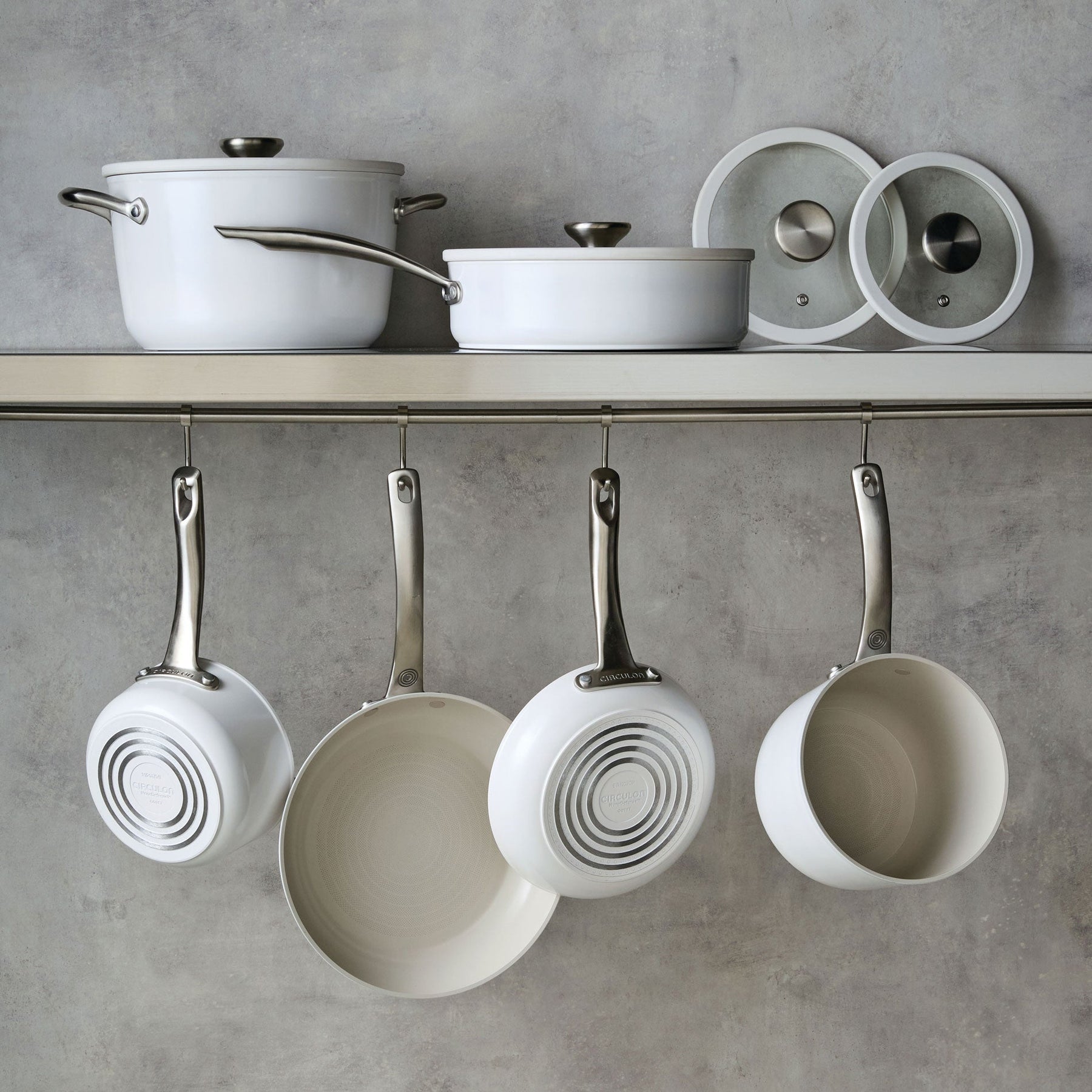
Everyday use tip: Keep a small stainless skillet for browning and a nonstick for eggs and low-fat cooking. This combo covers most meals.
People also ask (PAA-style)
What pan is best for searing steaks?
Steak sears best in a heavy stainless steel or cast-iron pan. These surfaces allow a deep crust to form and handle very high heat.
Can you use metal utensils on stainless steel and nonstick?
Metal utensils are fine on stainless steel. Avoid metal on nonstick to prevent scratching and cutting the coating.
How long do nonstick pans last?
Quality nonstick pans often last 2–5 years with regular use and proper care. Lifespan depends on heat, utensils, and cleaning methods.
Care, safety, and lifespan
Care routines differ for each type. Following them extends the life of your pans.
Stainless steel care
- Clean with warm, soapy water and a soft sponge. Use a nonabrasive cleaner for stains.
- For stuck-on food, soak or simmer water with baking soda to loosen residue.
- Dry promptly to avoid water spots.
- Avoid thermal shock like running cold water on a hot pan.
Nonstick care
- Use low to medium heat to protect the coating.
- Use soft tools such as silicone, wood, or plastic.
- Hand wash to preserve the finish. Avoid harsh abrasives.
- Replace if the surface shows deep scratches or flaking.
Safety notes
- Nonstick coatings are safe when used within recommended temperatures. Overheating can break down the coating.
- If a nonstick pan shows flaking, discard and replace it. Scraped coating may affect performance.
- Stainless steel can release nickel or chromium in tiny amounts if scratched or if acidic foods are used heavily; most healthy people tolerate this well.
Personal safety tip: I label older nonstick pans for lighter tasks and retire them from high-heat work. That small habit cut my need to replace pans suddenly.
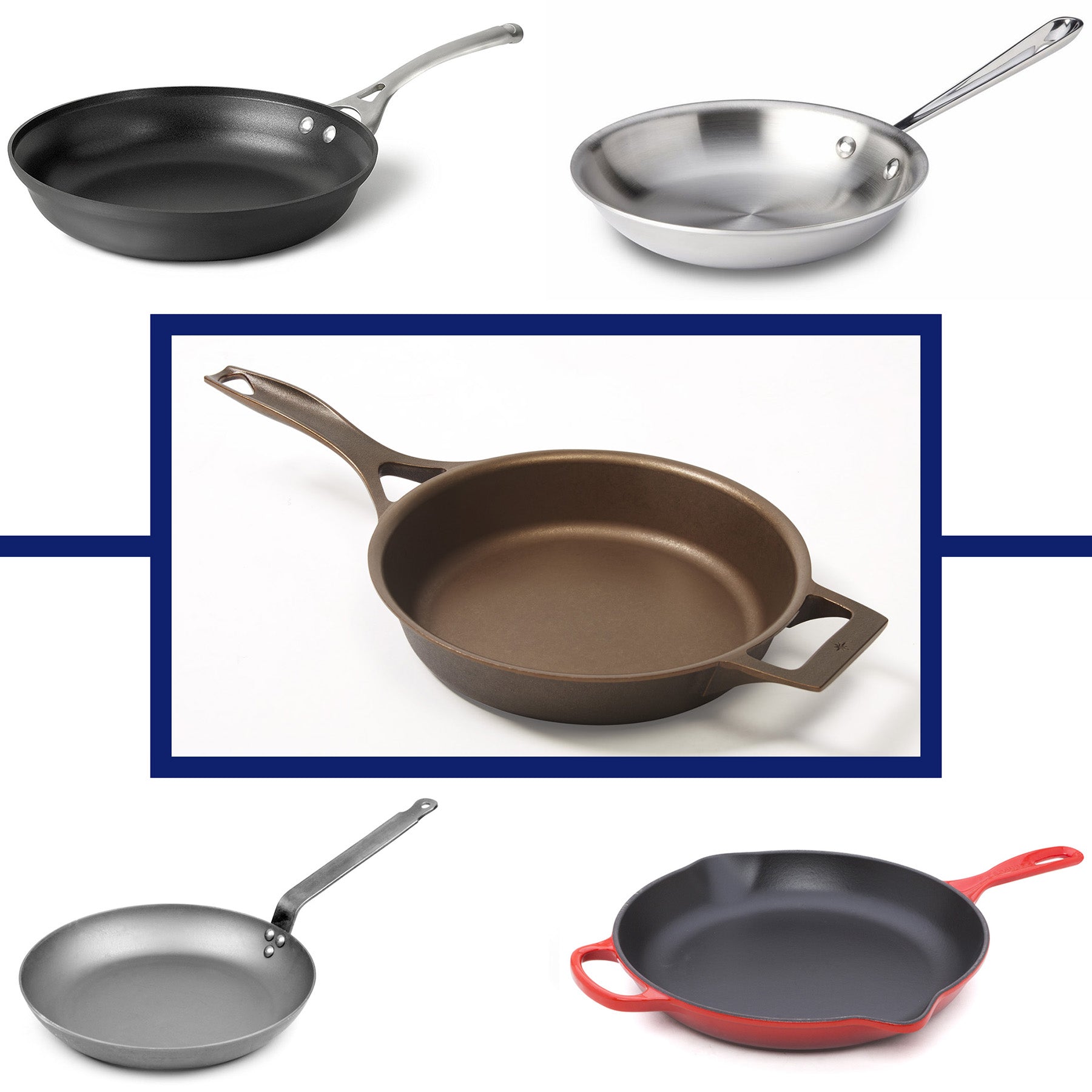
Buying guide and practical tips
Pick pans that match your needs and budget. Here’s a step-by-step checklist.
Decide what you cook most
- If you sear meats and make pan sauces, choose stainless steel.
- If you cook eggs, pancakes, or low-fat meals often, add a nonstick.
Look for construction quality
- Stainless steel: Prefer tri-ply or 5-ply bases for even heat.
- Nonstick: Look for durable coatings and bonded bases; consider ceramic or newer reinforced coatings for longer life.
Handle and lid quality
- Heavy, riveted handles are more durable.
- Tight-fitting lids help with simmering and moisture control.
Price vs. lifespan
- Higher-priced stainless often gives better long-term value.
- Mid-range nonstick can be a good ROI if replaced every few years.
My buying mistake and lesson
- I once bought a cheap nonstick set to save money. The pans warped and the coating failed within a year. Since then, I balance initial cost with expected lifespan and choose a mix of stainless and one high-quality nonstick.
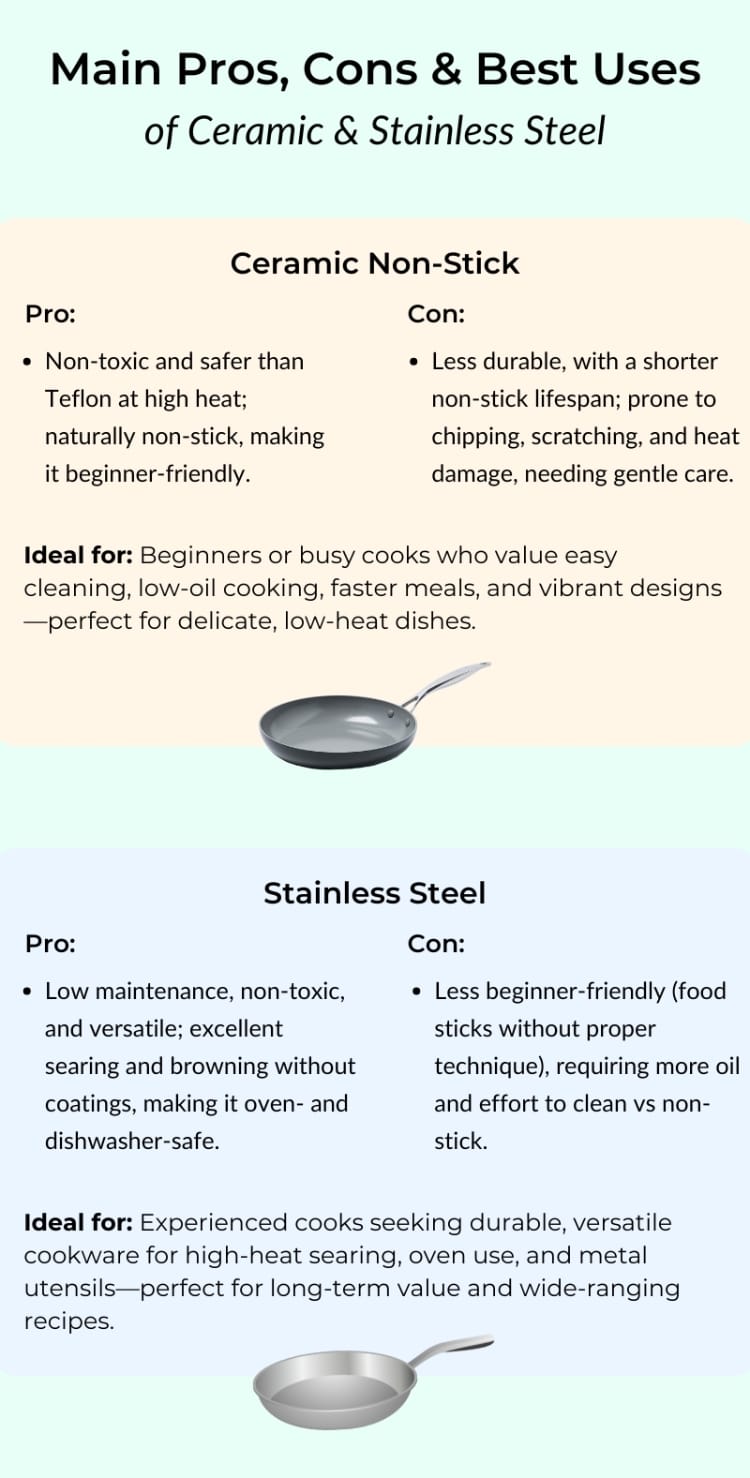
Frequently Asked Questions of stainless steel vs nonstick cookware pros and cons
What is the main advantage of stainless steel over nonstick?
Stainless steel excels at high-heat cooking and searing. It is more durable and resists coating wear.
Is nonstick cookware safe for everyday use?
Yes, nonstick cookware is safe when used within temperature limits and without metal utensils. Replace pans if the coating flakes or shows deep scratches.
Can I use stainless steel for eggs?
Yes, but you need proper heat control and oil. Preheat the pan and use enough fat to create a temporary nonstick effect.
How should I clean a scorched stainless steel pan?
Soak in warm water, then use a gentle scrub or simmer water with baking soda to lift burned food. Avoid harsh scrubbing that removes finish.
How often should I replace nonstick cookware?
Replace nonstick pans when the coating shows scratches, flaking, or major wear—typically every 2–5 years depending on use and care.
Does stainless steel rust or corrode easily?
High-quality stainless resists rust. However, poor care or very salty and acidic conditions can cause spotting. Dry and clean pans after use.
Which pan is better for low-fat cooking?
Nonstick pans are better for low-fat cooking because they allow food to release without much oil.
Wrap-up and next steps
Choosing between stainless steel vs nonstick cookware pros and cons comes down to what you cook and how you cook. Stainless steel offers durability and superior searing. Nonstick offers ease, quick cleanup, and gentle cooking. A mixed approach often works best: one good stainless pan and one reliable nonstick cover most home cooking needs.
Try this action: assess your weekly meals for a week. If you fry and sear often, invest in stainless steel. If you mostly make eggs and pancakes, invest in high-quality nonstick. Share your choice or questions below, or subscribe for more kitchen-tested tips.