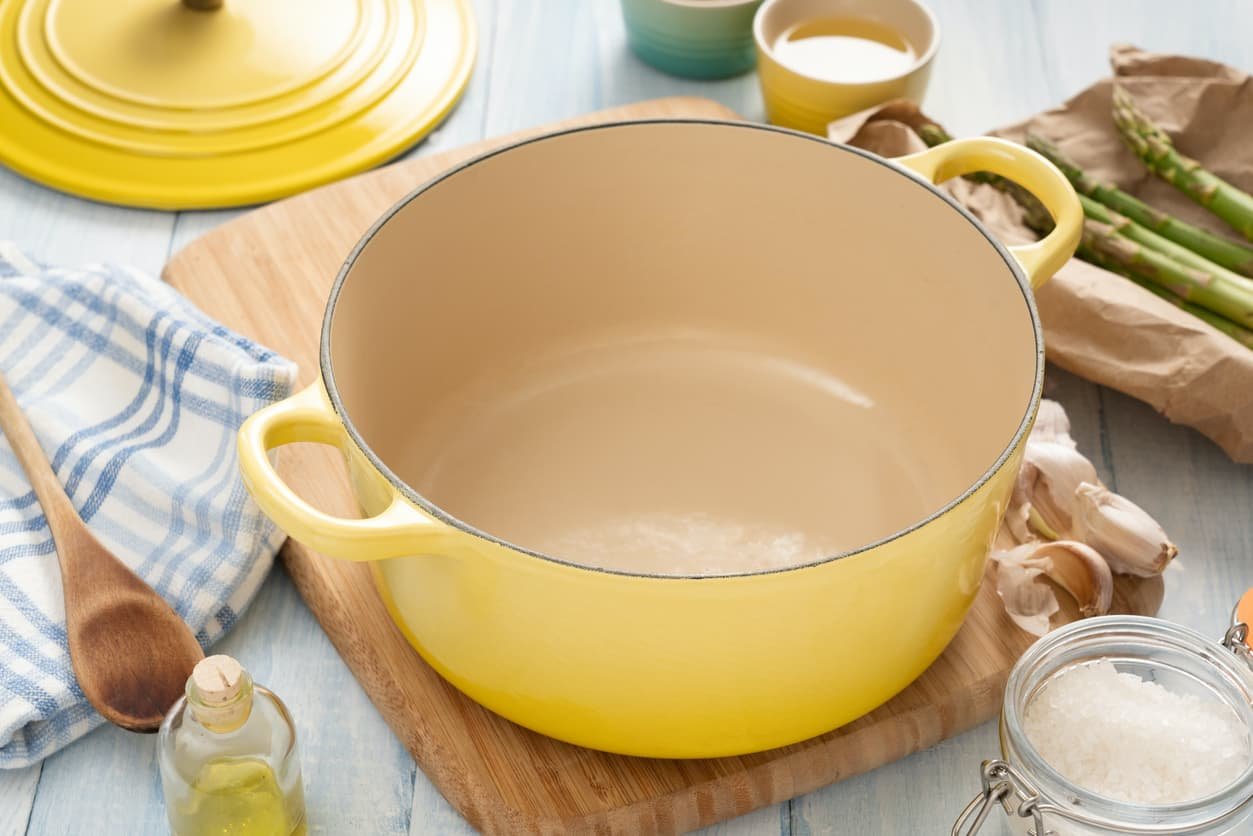
Choose heavy, thick-bottomed pots with tight lids—cast iron or enameled Dutch ovens work best.
I’ve cooked on stoves for years and tested many pots. This guide on cookware for slow cooking on stovetop explains what to buy, why it works, and how to use it. You’ll get clear advice on materials, shapes, lids, heat control, cleaning, and real-world tips from my kitchen tests. Read on to pick cookware for slow cooking on stovetop that makes tender stews, rich braises, and worry-free long simmers.
Why the right cookware for slow cooking on stovetop matters
Slow cooking on a stove is not the same as fast frying. The pot you choose shapes heat, moisture, and flavor. Heavy pots hold steady heat and prevent hot spots. A good lid traps steam and keeps food moist. Picking the right cookware for slow cooking on stovetop helps food cook evenly, reduces burns, and makes cleanup easier.
Using the wrong pot can lead to burnt bottoms or thin sauces. For long simmers, the pot must spread heat well and fit the stove. I learned this the hard way when a thin pan ruined an overnight stew. Using proper cookware for slow cooking on stovetop fixed that problem.
Best materials for cookware for slow cooking on stovetop
Different materials change how heat moves. Each has pros and cons for slow cooking on a stove.
Cast iron
Cast iron holds heat like a brick. It gives slow, even heat that helps tough cuts become tender. It can go from stovetop to oven. Cast iron needs seasoning and careful dishwashing.
Enameled cast iron
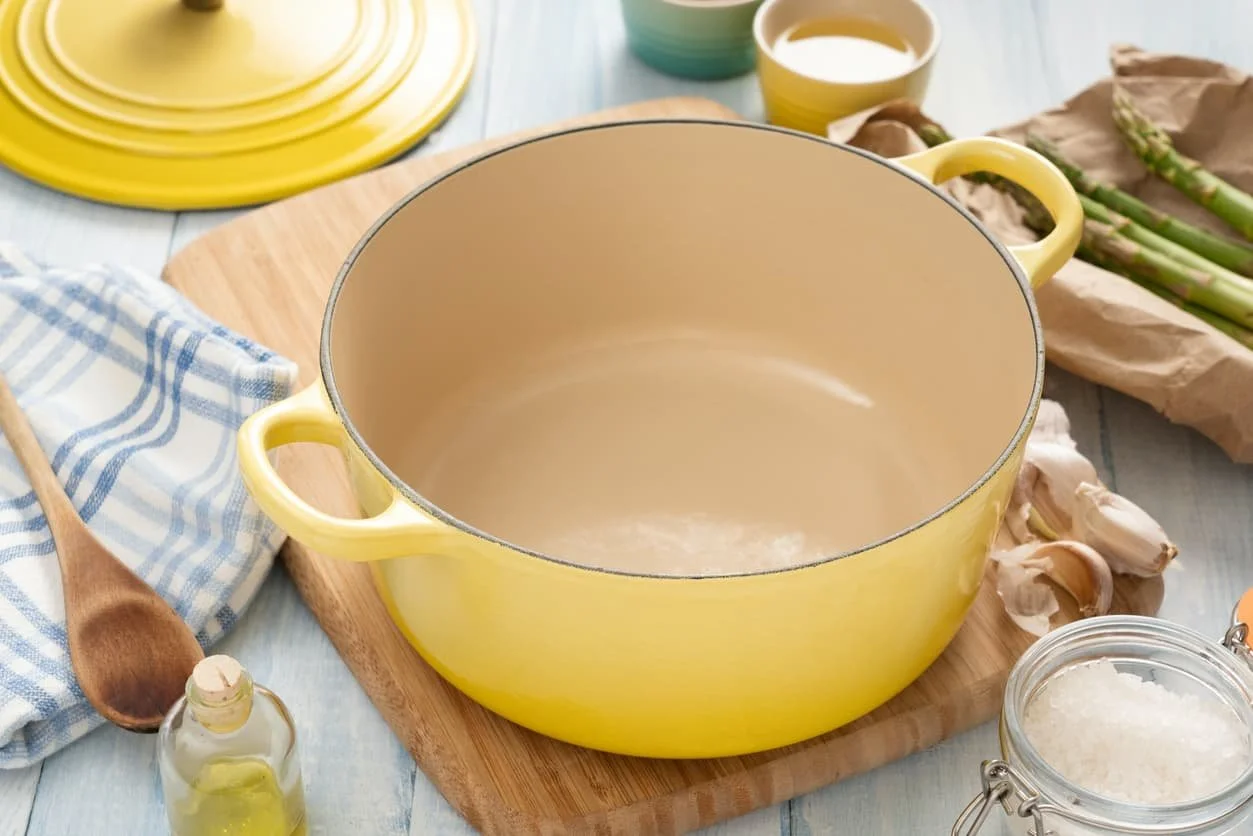
Enameled cast iron gives the heat benefits of cast iron with a cleaner, nonreactive surface. It is great for long braises and acidic sauces. It’s heavier and costs more but cleans up easily.
Stainless steel with heavy base
Stainless steel does not react with food and lasts a long time. Look for thick-clad or tri-ply bases to reduce hot spots. Good for browning before a slow simmer.
Copper core or copper-clad
Copper reacts fast to heat changes. It’s good if you need precise low heat control. Copper cores are usually paired with stainless layers for durability. It costs more and needs more care.
Nonstick
Nonstick makes cleanup easy but is not ideal for high-heat searing. For slow simmering, nonstick can be fine, but avoid metal utensils and high temps. Nonstick cookware for slow cooking on stovetop is best for stews without heavy browning.
Each material changes how you cook. For most slow-cooked recipes, cast iron or enameled cast iron is my top pick for cookware for slow cooking on stovetop due to even heat and lid fit.
Shapes, lids, and sizes that work best
Shape and fit matter as much as material. The right shape helps evaporate or keep moisture.
- Wide, shallow pans
- Good for reductions and browning then slow simmering.
- Deep, tall pots
- Excellent for stews and soups with lots of liquid.
- Round vs. oval
- Oval Dutch ovens fit roasts. Round pots work for most stews.
- Tight-fitting lids
- Keep moisture in and lower the need for frequent stirring.
- Heavy lids
- Add weight and seal the pot better than thin lids.
Match pot size to batch size. A pot that is too big wastes heat, and one that is too small can boil over. For most families, a 5–7 quart pot works well as cookware for slow cooking on stovetop.
Heat control tools and accessories
Good tools make stovetop slow cooking safer and steadier.
- Heat diffuser or simmer plate
- Sits between burner and pot to spread heat evenly.
- Trivet or rack
- Keeps food off the bottom for gentle braising.
- Candy or probe thermometer
- Check internal temps for safety and doneness.
- Heavy wooden spoon and silicone spatula
- Stir without scraping or damaging surfaces.
I use a diffuser on my gas range for long simmers. It cut down on hotspots and saved a batch of tomato braise. Accessories turn ordinary cookware for slow cooking on stovetop into a more reliable setup.
Care, maintenance, and safety for slow-cooking pots
Proper care keeps cookware lasting and safe.
- Season cast iron regularly
- Oil and bake to keep a nonstick layer and prevent rust.
- Avoid thermal shock
- Don’t pour cold water into a hot pot. Let it cool.
- Use mild cleaners for enamel
- Harsh scrubs can chip enamel over time.
- Check handles and lids
- Tighten screws and replace warped lids for a good seal.
- Know your stovetop
- Induction needs magnetic bases. Flat bottoms work best for electric coils.
I once warped a thin-bottomed pan by cranking the heat too fast. With the right care, quality cookware for slow cooking on stovetop can last for decades.
Practical slow-cooking techniques on stovetop
Technique matters as much as gear. Follow these steps for success.
- Brown first
- Sear meat in a hot pan to build flavor.
- Deglaze
- Add a splash of wine or stock and scrape fond.
- Lower heat and cover
- Bring to a simmer, then reduce to low and use a tight lid.
- Check occasionally
- Stir and skim fat, but avoid lifting the lid too often.
- Finish uncovered if needed
- Uncover near the end to thicken the sauce.
Example: For beef short ribs, brown well in enameled cast iron, deglaze, add aromatics and stock, then simmer low for 2.5–3 hours. The pot I used kept a steady low heat and the meat fell apart.
PAA-style questions:
- Can I slow cook on any pan?
- You can, but thin pans may burn food. Use heavy cookware for slow cooking on stovetop to avoid hotspots.
- How low should stovetop simmer be?
- Keep a gentle bubble or occasional steam. The lowest steady heat that keeps a few tiny bubbles is best.
Buying guide and checklist for cookware for slow cooking on stovetop
When shopping, focus on these features.
- Thick base or multi-ply construction
- Prevents hot spots and maintains steady low heat.
- Tight-fitting, heavy lid
- Locks in moisture and heat.
- Oven-safe rating
- Lets you finish dishes in the oven if needed.
- Compatible with your stove
- Induction needs magnetic materials.
- Size and weight that you can handle
- Heavy is good, but must be manageable when full.
Budget tips: A smaller enameled Dutch oven is a good midrange pick. Used cast iron can be a great value after proper cleaning and seasoning. Read owner reviews and test the lid fit if possible.
Frequently Asked Questions of cookware for slow cooking on stovetop
What is the best material for cookware for slow cooking on stovetop?
Enameled cast iron and seasoned cast iron are top choices because they hold heat evenly and work well for long simmers. Thick stainless steel with an aluminum or copper core is a good alternative for durability and nonreactive cooking.
Can I use a slow cooker insert on my stovetop?
Some slow cooker inserts are not designed for direct flame or stovetop heat. Check the manufacturer’s guidance; if an insert is metal and thick, it may work but test gently to avoid damage.
How do I prevent food from burning during long stoveside cooks?
Use a heavy pot, a lower heat, and a heat diffuser if needed. Stir occasionally and ensure enough liquid to keep food from sticking.
Is nonstick safe for long slow cooking on stovetop?
Nonstick pans can work for low, moist simmering but avoid high-heat browning in them. Prolonged high heat can degrade the coating over time.
Do I need an oven-safe pot for stovetop slow cooking?
Not always, but oven-safe pots are more versatile. If you plan to finish a dish in the oven or use high heat later, choose cookware rated for oven use.
Conclusion
Choosing the right cookware for slow cooking on stovetop makes long simmers easier and tastier. Pick heavy, well-sealed pots like cast iron or enameled Dutch ovens, use a diffuser for steady heat, and follow simple steps like browning and slow simmering. Try one new pot and a few of these techniques this week to see how your stews and braises improve. Share your results, ask questions, or subscribe for more hands-on tips and recipes.