Best cookware for meal prep cooking: nonstick, stainless steel, and a heavy cast-iron skillet.
I’ve spent years testing pans and pots while prepping weekly meals for busy weeks. This guide on the best cookware for meal prep cooking explains what to buy, why it matters, and how to match tools to your workflow. You’ll get clear recommendations, real-life tips from my kitchen, and simple care rules so your gear lasts and your meals stay delicious.
Why the right cookware matters for meal prep cooking
Choosing the best cookware for meal prep cooking saves time and keeps food tasting great. Good cookware heats evenly, cuts down on sticky messes, and helps you cook larger batches without fuss. When you plan meals for a week, the right pans and pots speed up each step. They also make cleanup fast, which keeps meal prep sustainable in the long run.
Key features to look for in the best cookware for meal prep cooking
Pick cookware with a few core traits. These features make meal prep easier and more consistent.
- Even heat distribution. Look for heavy bases or multi-layered construction to avoid hot spots.
- Durability. Materials like stainless steel and cast iron last decades with care.
- Nonstick performance. A reliable nonstick surface speeds up cooking and cleanup.
- Oven compatibility. Many recipes need finishing in the oven, so check max oven temp.
- Size and capacity. Choose pans and pots that hold the volume you usually prep.
- Ease of cleaning. Dishwasher-safe helps, but some top materials clean well by hand.
- Safe coatings. Prefer PFOA-free nonstick or fully ceramic surfaces.
These qualities help you pick the best cookware for meal prep cooking that matches your routine and food types.
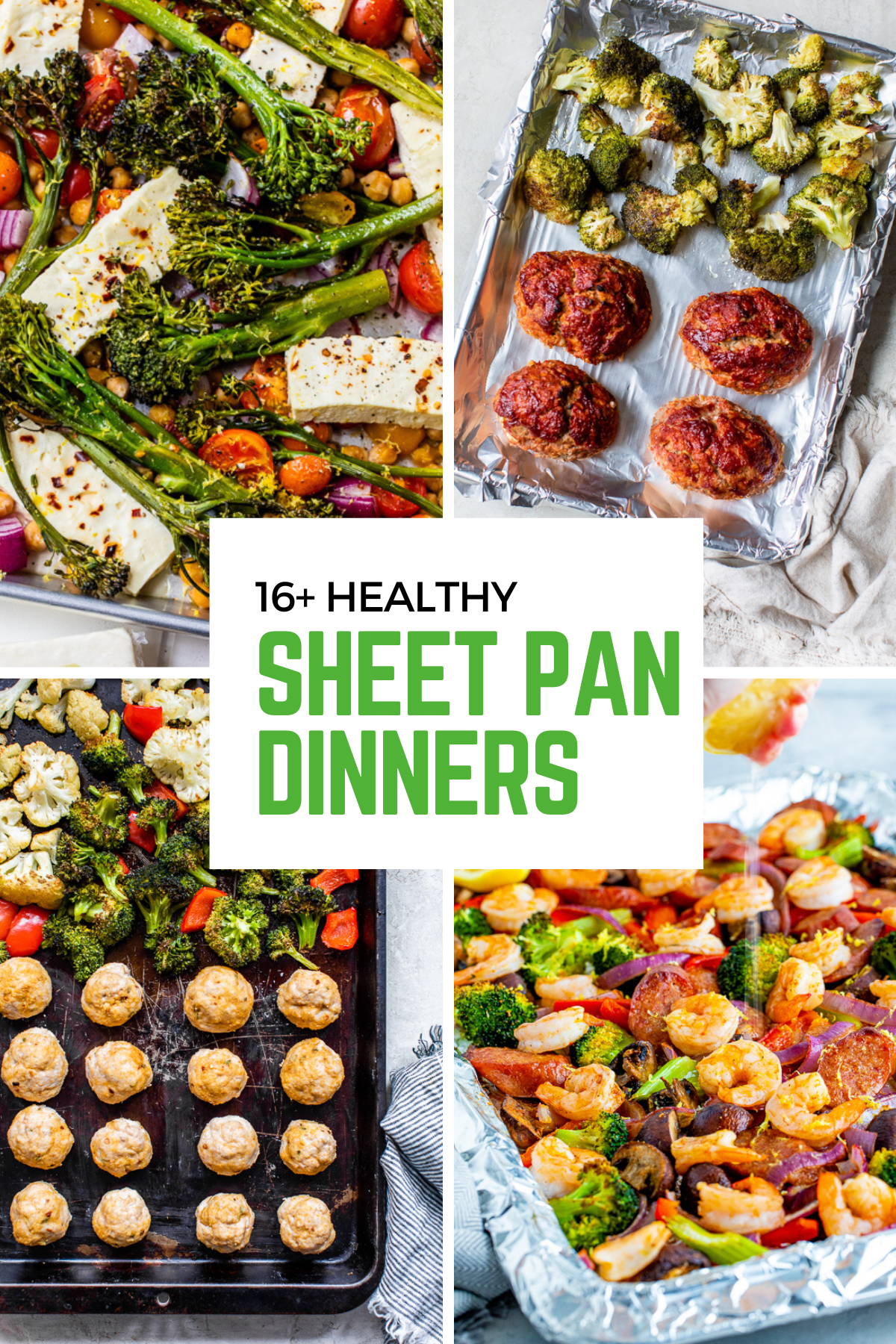
Top cookware types for meal prep cooking
Different materials suit different needs. Below are the main types I recommend for meal prep and why each works.
Stainless steel
Stainless steel is great for browning proteins and making pan sauces. It handles high heat and won’t react with acidic foods. It pairs well with nonstick pans in a meal-prep kitchen for tasks that need searing.
Nonstick (PTFE and ceramic)
Nonstick pans are key for eggs, fish, and sticky rice. Modern nonstick coatings are much safer and longer lasting. For meal prep, a large nonstick skillet reduces oil use and speeds cleanup.
Cast iron
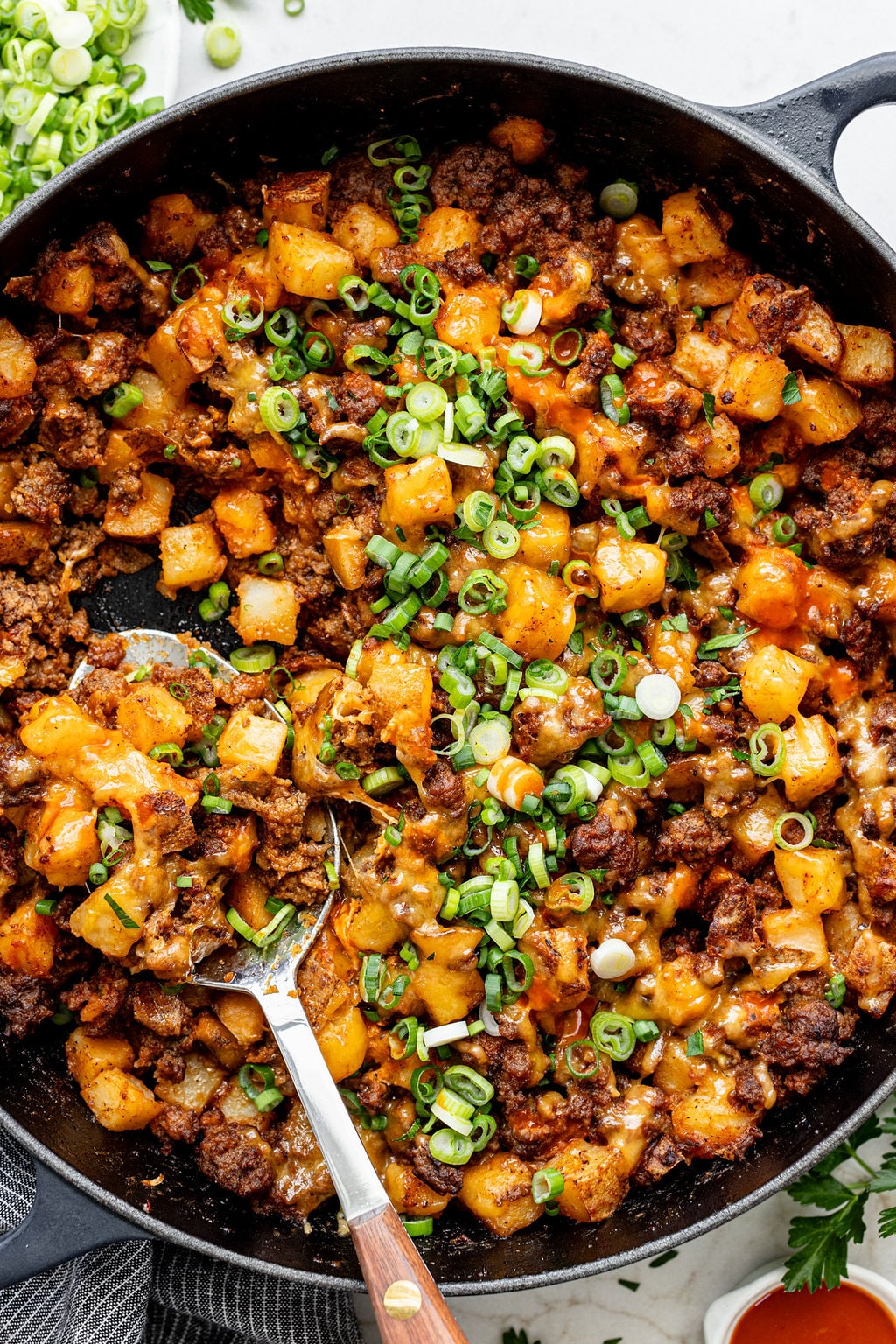
Cast iron keeps heat for long cooks and works well for one-pan meals. It’s perfect for roasting, baking, and searing at high heat. A well-seasoned cast iron pan can last a lifetime and is invaluable for batch cooking.
Hard-anodized aluminum
Hard-anodized pans heat fast and resist scratches. They often combine nonstick properties with robust construction. These pans are lightweight but strong, making them a good middle ground for meal prep.
Enameled cast iron
Enameled cookware adds the heat retention of cast iron with an easy-clean surface. It’s excellent for stews, soups, and dishes that start on the stove and finish in the oven.
Each type plays a role in the kitchen. The best cookware for meal prep cooking is often a mix of two or three of these types.
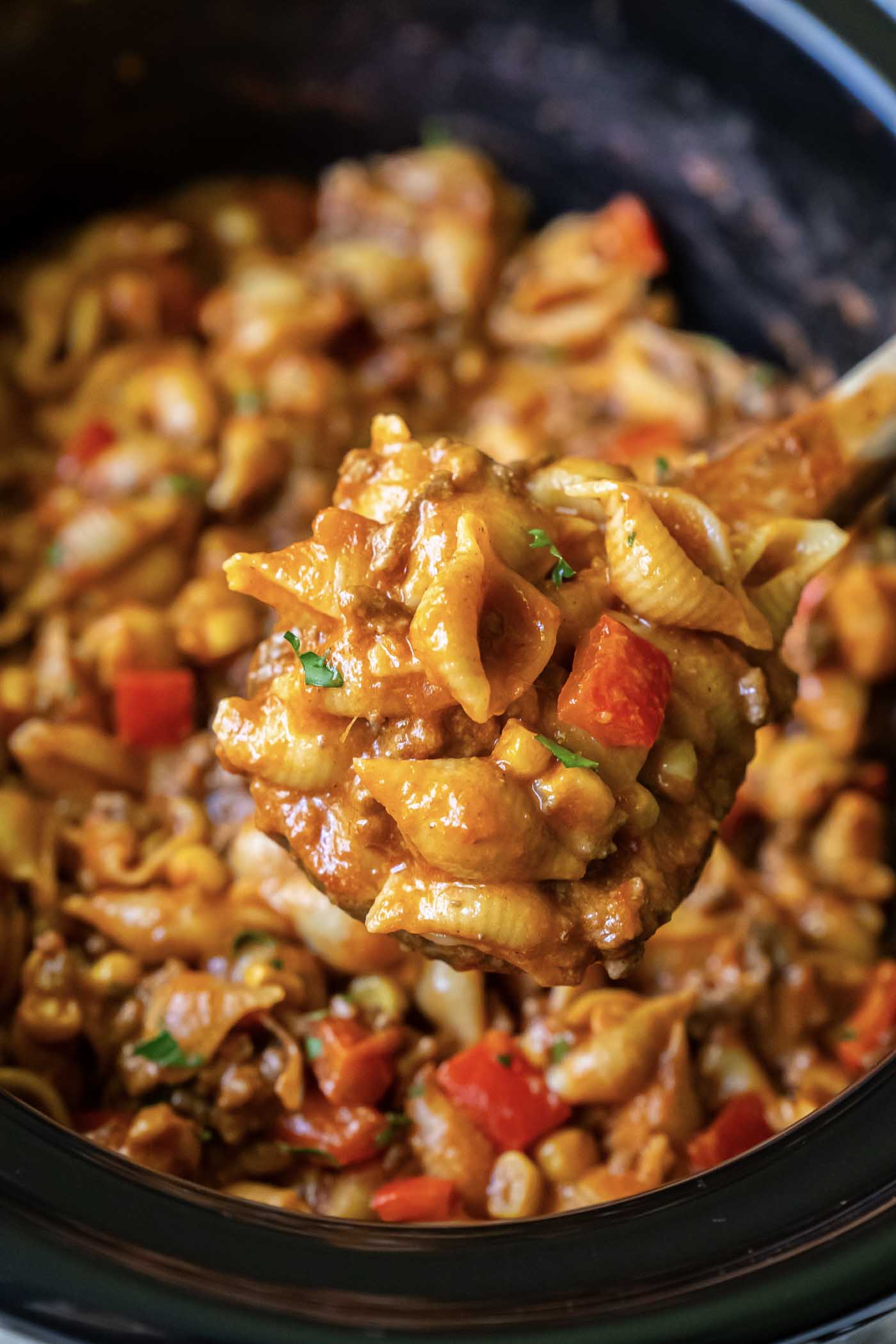 individual pieces and set recommendations”
style=”max-width: 100%; height: auto; border: 2px solid black; border-radius: 10px; display: block; margin: 0 auto;”
loading=”lazy”
/>
Best individual pieces and set recommendations
You don’t need every item. Start with these essentials to build a meal-prep-ready collection.
- 10–12 inch nonstick skillet
- Ideal for eggs, stir-fries, and reheating portions.
- Buy one with a strong coating and comfortable handle.
- 8–10 inch stainless steel skillet
- Use for browning meat and reductions.
- It complements nonstick pans.
- 3–5 quart stainless steel sauté pan or Dutch oven
- Great for grains, sauces, and casserole-style batch cooks.
- 5–7 quart stock pot
- For soups, pasta, and bulk boiling.
- 10–12 inch cast-iron skillet
- For high-heat searing and oven-to-table dishes.
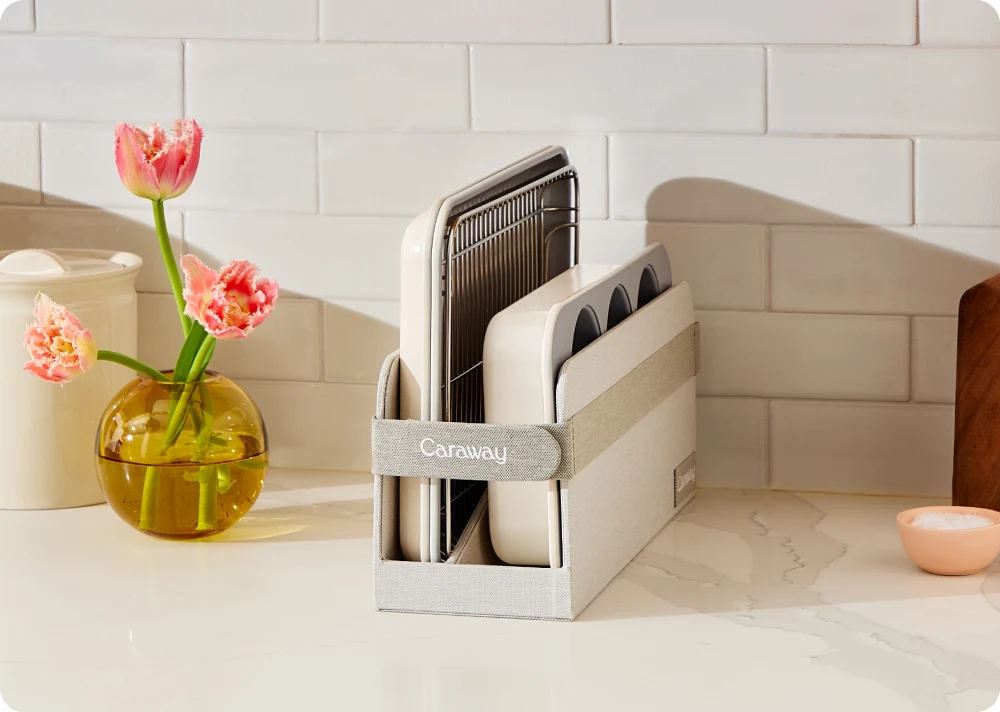
- Baking sheet or rimmed tray set
- Essential for sheet-pan meals and roasting veggies.
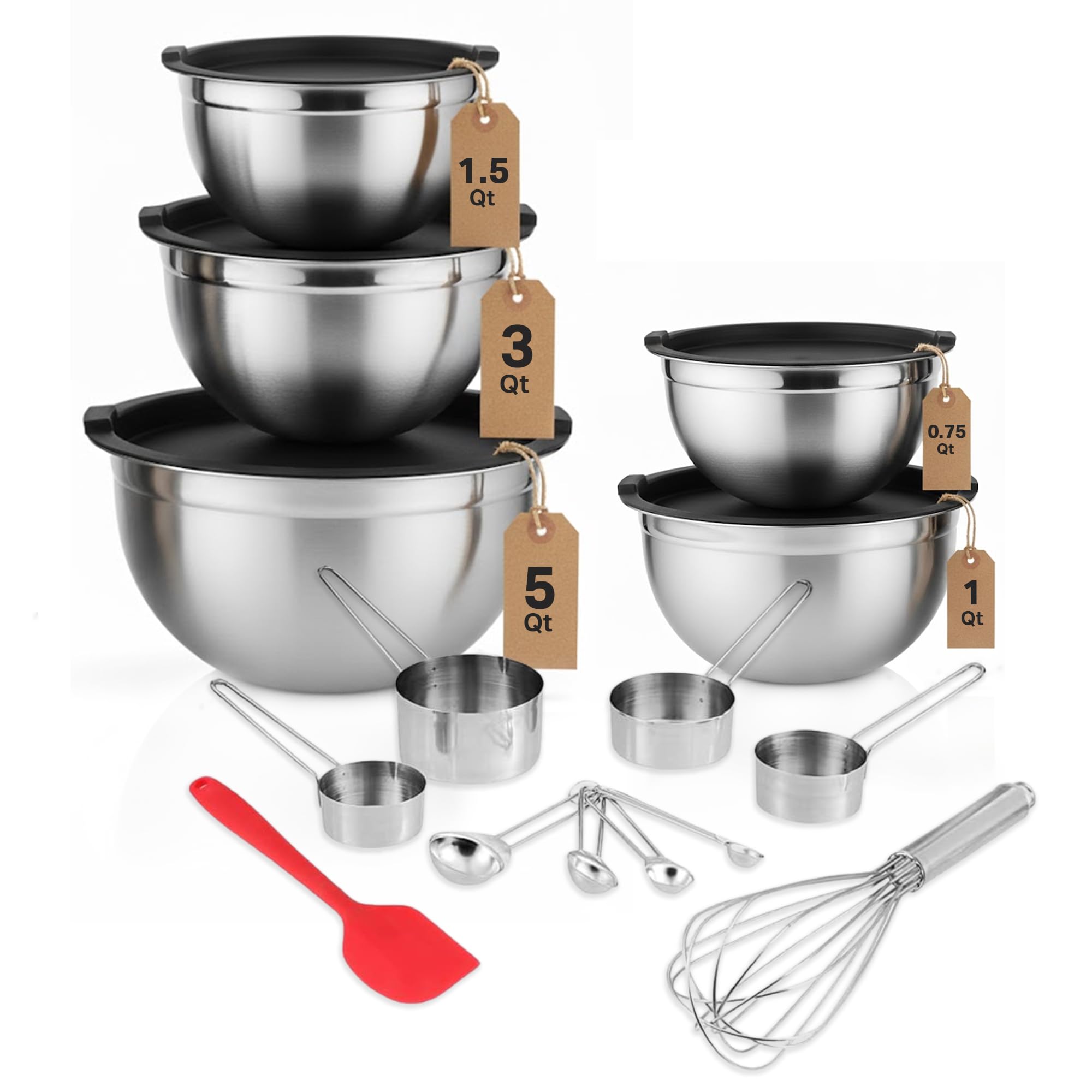
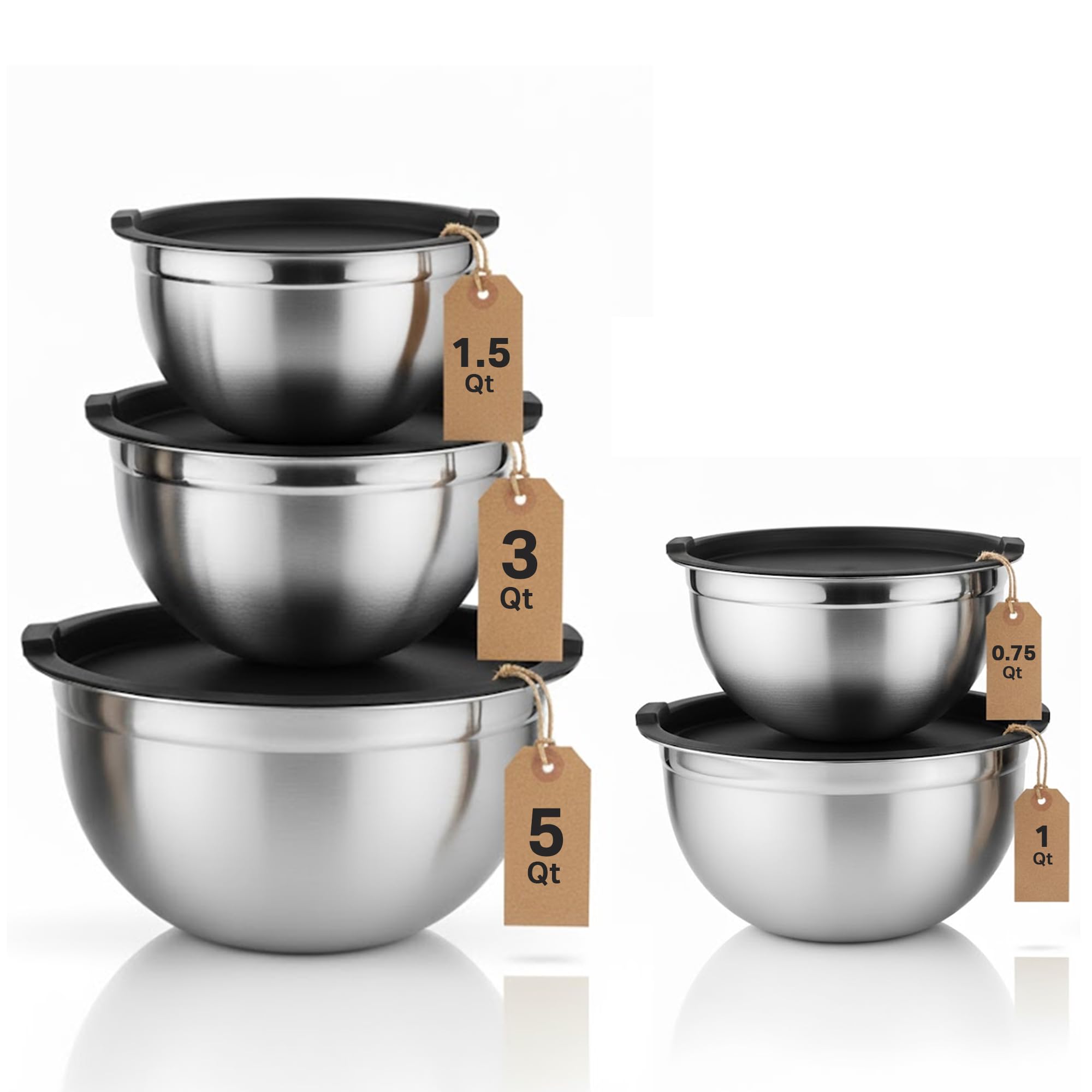
- Nesting storage-friendly pots or a 10-piece set (optional)
- A set can be cost-effective but pick quality over many pieces.
From my experience, pairing a large nonstick skillet with a stainless steel sauté pan and a cast-iron skillet covers most meal prep tasks well. Focus on 2–3 versatile pieces rather than a large set that you seldom use.
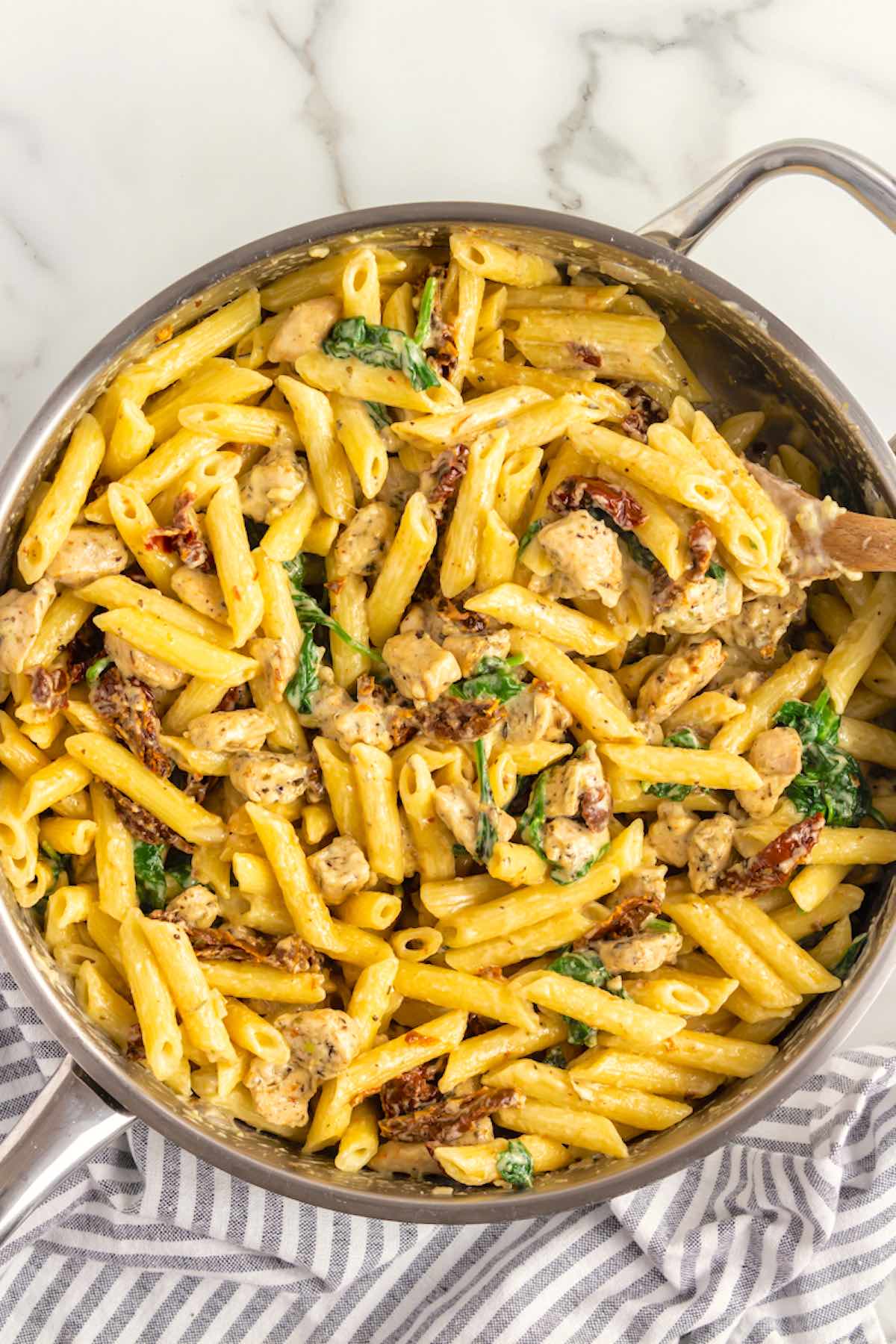
How to choose cookware based on cooking style and budget
Match gear to the food you prep. Simple rules make choices easy.
- If you cook a lot of eggs, pancakes, or sticky foods
- Invest in a quality nonstick skillet. It speeds mornings and reduces waste.
- If you sear meats and make pan sauces
- Stainless steel or cast iron is best for browning and deglazing.
- If you roast or make big batches of stews and soups
- A heavy Dutch oven or stock pot pays off.
- On a tight budget
- Buy one good skillet and one large pot. Quality beats quantity for longevity.
- If you want low maintenance
- Enameled or ceramic-coated pans reduce seasoning and care time.
This approach keeps your purchases purposeful. The best cookware for meal prep cooking fits your habits and saves you time each week.
Care and maintenance tips for longevity
Caring for cookware extends its life and performance. Simple actions make a big difference.
- Season cast iron regularly and dry it after washing.
- Use medium heat on nonstick pans to protect coatings.
- Avoid metal utensils on coated surfaces; use wood or silicone.
- Let stainless steel pans cool before washing to avoid warping.
- Remove burnt food by soaking and gentle scrubbing with a soft pad.
- Store pans with padding between them to avoid scratches.
I once ruined a great nonstick skillet by using high heat daily. After switching to medium heat and gentle utensils, the surface lasted three more years. Small habits matter for long-term value.
Meal prep techniques that pair well with the best cookware for meal prep cooking
Use methods that match the gear to save time and keep food fresh.
- Batch searing and finishing in the oven
- Sear proteins in stainless steel or cast iron, then transfer to oven-proof pots.
- One-pan sheet meals
- Use rimmed baking sheets for veggies and protein roasted together.
- Stovetop-to-oven braises
- Start in a heavy Dutch oven, then braise low and slow.
- Tray roasting vegetables in batches
- Roast at high heat on a large rimmed sheet for caramelization.
- Large-batch sauces and grains
- Use a wide sauté pan or stock pot to mix and store portions.
These methods reduce dishes and let the cookware shine. The best cookware for meal prep cooking supports flexible workflows.
Quick answers people ask (PAA-style)
What is the most versatile cookware for meal prep?
A heavy 10–12 inch skillet plus a 3–5 quart pot covers most tasks. These pieces let you sear, simmer, and finish in the oven.
Is nonstick or stainless steel better for meal prep?
Both are useful. Use nonstick for eggs and sticky foods and stainless steel for browning and sauces.
How many pans do I need for weekly meal prep?
Three to five pieces usually suffice. A nonstick skillet, stainless pan, cast-iron skillet, and a large pot handle most weekly menus.
Frequently Asked Questions of best cookware for meal prep cooking
What cookware is best for batch cooking?
A large heavy-bottomed pot or Dutch oven is best for batch soups and stews. It holds heat well and fits large portions.
Can I use nonstick for meal prepping every day?
Yes, but avoid high heat and metal tools to protect the coating. With gentle use, a good nonstick pan lasts much longer.
Is cast iron good for reheating meals?
Yes. Cast iron retains heat and reheats food evenly on the stove or in the oven. It’s also great for one-pan reheats and finishing.
Do stainless steel pans stick a lot?
They can if used incorrectly. Preheat the pan, add oil, and sear; food releases naturally when a proper crust forms.
How do I choose cookware for freezer-to-oven meals?
Pick oven-safe, durable pans like cast iron or stainless steel. Glass and enameled cookware also work but can be sensitive to sudden temperature changes.
How often should I replace nonstick cookware?
Replace when the coating shows deep scratches or peeling. Small surface wear may be fine, but flaking coatings should be discarded.
Conclusion
Choosing the best cookware for meal prep cooking comes down to balance. Pick durable stainless steel for searing, a reliable nonstick for sticky foods, and a heavy cast-iron or Dutch oven for batch braises and roasting. Start with a few versatile pieces and build your collection based on the meals you make the most. Try one change this week—swap a thin pan for a heavier, better-made piece—and you’ll notice faster cooking and easier cleanup. Share your results, ask a question below, or subscribe for more hands-on meal prep tips.