A few well-chosen pans and a good pressure cooker make cooking Indian food in the USA simple and authentic.
I’ve cooked Indian food in American kitchens for years, testing pots, pans, and techniques so you don’t have to. This guide explains which cookware for making Indian food in USA kitchens works best, why it matters, and how to choose, maintain, and pair pieces for popular dishes. Read on for practical tips, real-world experience, and clear recommendations to help you recreate authentic flavors in your own home.
Why the right cookware matters for Indian food in USA
Using the correct cookware for making Indian food in USA kitchens shapes texture, flavor, and ease of cooking. Indian recipes often need even heat, high-heat searing, deep frying, or slow simmering. The wrong pan can scorch spices, undercook rice, or ruin a perfect tadka.
From my years of home cooking and pop-up events, I learned that a heavy-bottomed pot and a sturdy pan make a dramatic difference. Choosing the right cookware for making Indian food in USA kitchens helps you save time and get authentic results every time.
Essential cookware pieces for making Indian food in USA
Here are the must-have items most cooks will use regularly.
- Heavy-bottomed stainless steel pot or Dutch oven — Best for biryani, gravies, and long simmering. It prevents hot spots.
- Pressure cooker — Essential for dals, beans, and quicker rice cooking. Saves time and seals in flavor.
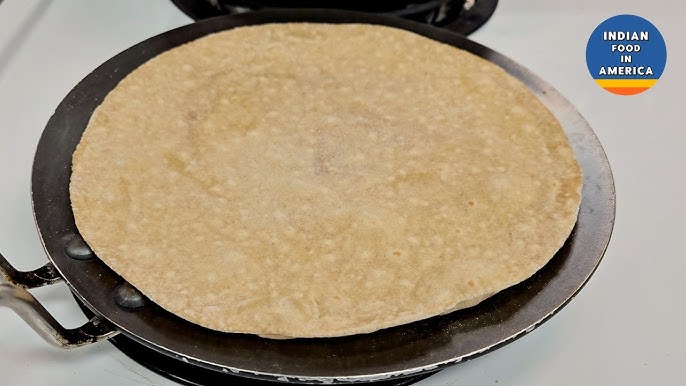
- Cast-iron tawa or griddle — Ideal for rotis, parathas, and dosa. It gives great charring and heat retention.
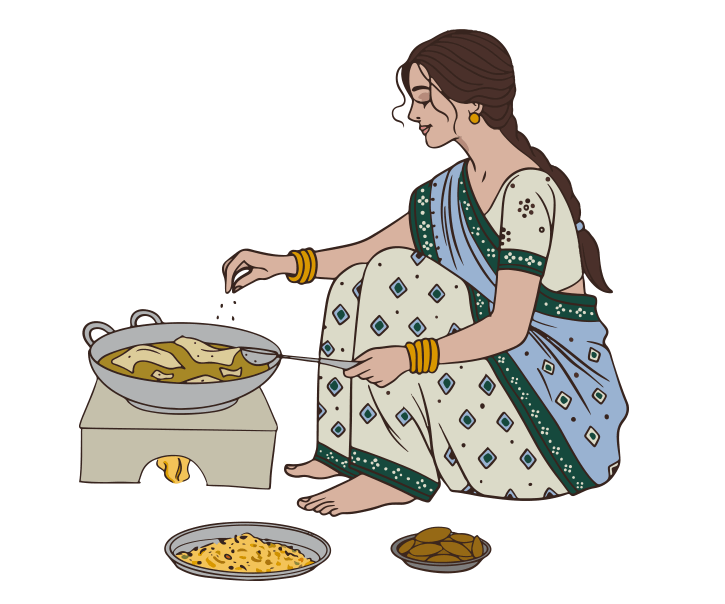
- Kadai or deep skillet — A deep rounded pan for curries, frying, and shallow-deep frying snacks.
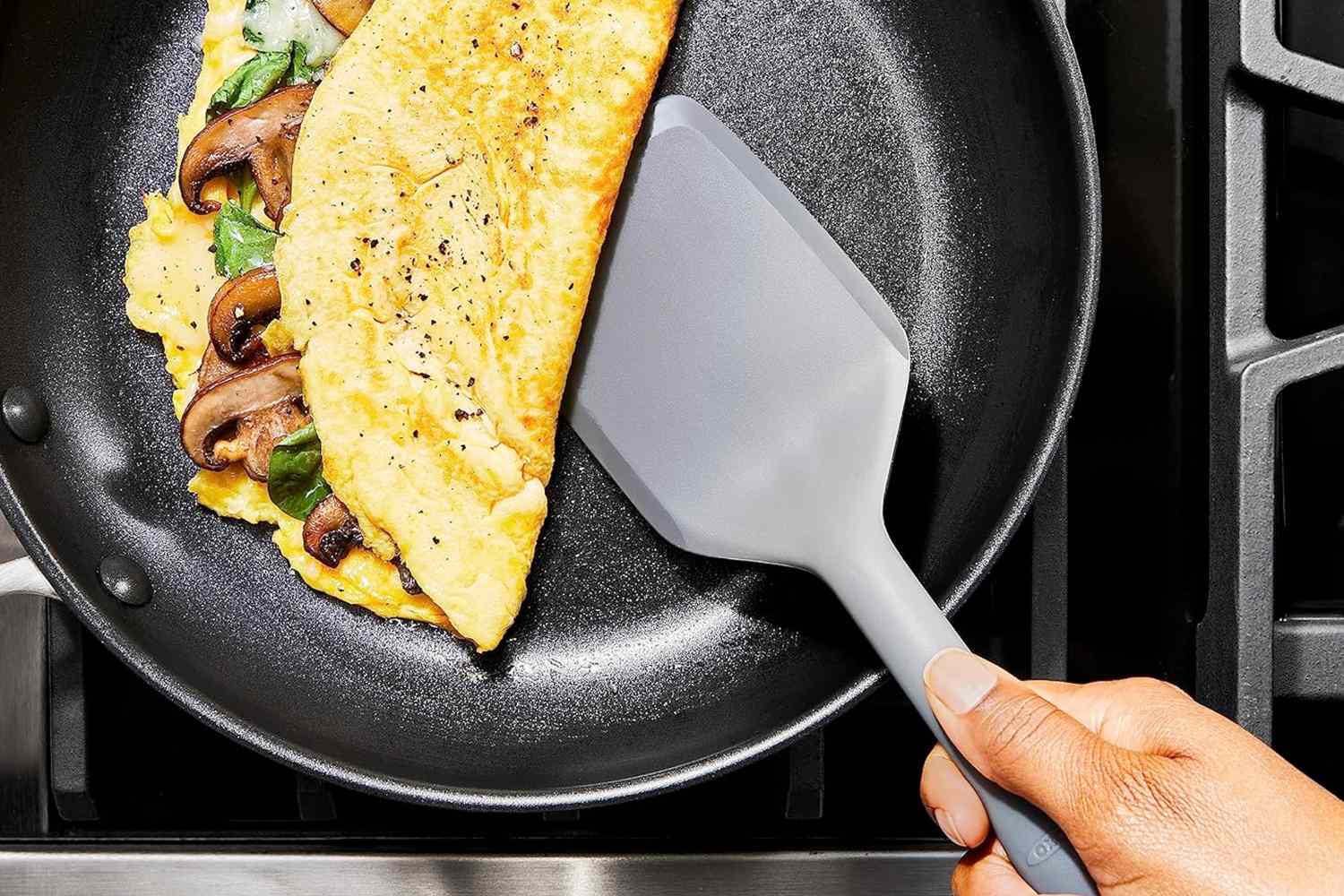
- Nonstick skillet — Useful for delicate dosas, omelets, and quick stir-fries. Use gently with wooden tools.
- Small frying pan or tadka pan — For tempering spices and finishing dals with ghee and spices.
- Steamer or idli stand — For idlis and steamed snacks if you make South Indian food.
- Spice grinder or mortar and pestle — Freshly ground spices change flavor profiles dramatically.
Selecting these core pieces gives you flexibility. You can prepare most Indian meals with this set of cookware for making Indian food in USA kitchens.
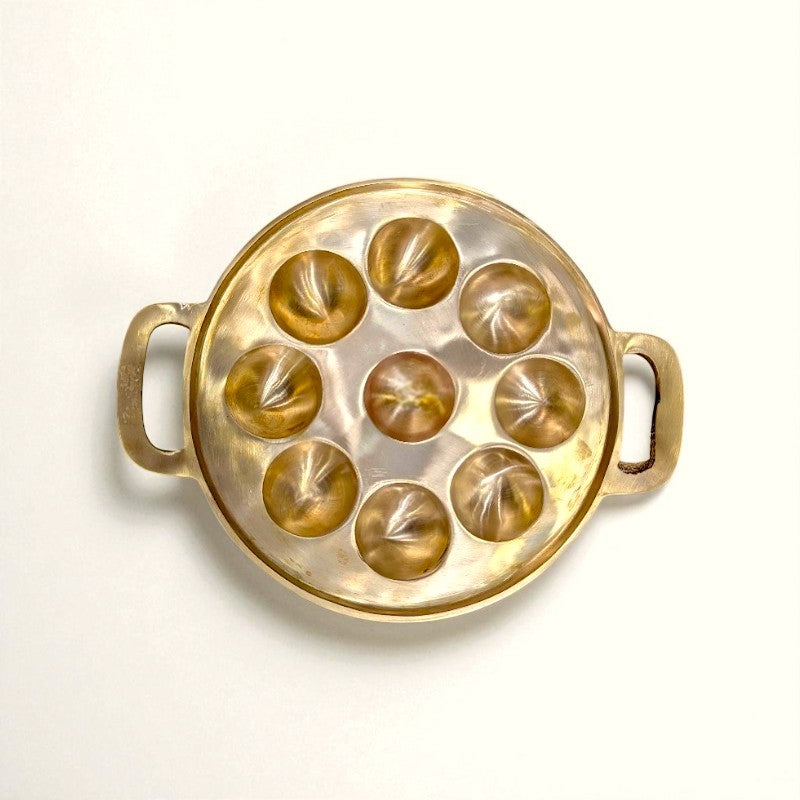
Material guide: stainless steel, cast iron, nonstick, copper, and aluminum
Different materials behave differently. Choose based on cooking style and stove type.
Stainless steel
- Pros: Durable, non-reactive, safe for acidic dishes, easy to clean.
- Cons: Poor heat distribution unless bonded with aluminum or copper.
- Best for: Gravies, biryani, and everyday pots used in cookware for making Indian food in USA kitchens.
Cast iron
- Pros: Excellent heat retention and natural nonstick when seasoned.
- Cons: Heavy, needs maintenance, reactive if uncoated with acidic foods.
- Best for: Rotis, deep frying, and slow-cooked curries.
Nonstick
- Pros: Low oil needed, easy cleanup.
- Cons: Wears out over time, not ideal for high-heat searing.
- Best for: Dosas, pancakes, and low-oil cooking.
Copper and copper-bottomed
- Pros: Superb heat response and control.
- Cons: Reactive with acid, expensive, often needs lining.
- Best for: Precision cooking and specialty pieces used sparingly.
Aluminum and hard-anodized
- Pros: Lightweight, fast heating, affordable.
- Cons: Can react with acidic foods unless anodized or lined.
- Best for: Everyday cookware and budget-friendly sets for cookware for making Indian food in USA kitchens.
When shopping, look for clad or tri-ply options that combine stainless steel with aluminum or copper cores. These reduce hot spots and improve results.
Quick PAA-style questions about cookware choices
Can I use my regular pans for Indian cooking?
Yes. Many regular pans work fine, but pick heavy-bottomed or clad pans to prevent burning spices and improve simmer control.
Is a pressure cooker really necessary?
Not strictly, but it speeds up cooking beans and dals and helps achieve tender textures that are central to Indian meals.
Which material gives the most authentic flavor?
Cast iron and heavy stainless steel give the best sear and depth for authentic flavors, especially for rotis and long-simmered gravies.
Choosing cookware for your US kitchen: stovetops, induction, and sizing
Know your stove before you buy cookware for making Indian food in USA kitchens.
- Gas stoves
- Provide visible flame and fast heat changes. Most traditional Indian cookware performs well here.
- Electric coil and glass-top
- Heat is slower to change; flat-bottomed pans work best for contact.
- Induction
- Requires magnetic-compatible cookware. Look for induction-ready stainless steel or cast iron.
Size matters. Choose pans that match family size and burner capacity. Lids should fit snugly to trap steam for biryani and rice. Consider weight and handle design for safe handling during frying.

Where to buy cookware for making Indian food in USA: stores and brands
You have many options based on budget and availability.
- Local Indian grocery stores — They often stock traditional kadais and tawas tailored for Indian food.
- Big box retailers and cookware stores — Offer reliable brands with warranties and showroom testing.
- Online marketplaces — Wide selection and reviews help choose cookware for making Indian food in USA kitchens.
- Specialty cookware shops — Best for high-end, tri-ply, or copper-bottomed pieces.
Brands to consider range from budget-friendly to premium. In my experience, mixing a trusted cast-iron brand with a high-quality stainless steel pot and a reliable pressure cooker gives the best value. Read product reviews and check for induction compatibility if needed.
Care, seasoning, and maintenance tips
Good care extends cookware life and improves food quality.
- Seasoning cast iron
- Clean, dry, then rub with oil and heat to create a nonstick surface. Repeat after heavy use.
- Cleaning stainless steel
- Use warm water and mild detergent. For stuck-on bits, simmer water and deglaze with vinegar or lemon.
- Protecting nonstick
- Use wooden or silicone utensils and avoid high heat to prolong coating life.
- Handling copper and aluminum
- Avoid long storage of acidic foods and polish copper occasionally to maintain brightness.
- Pressure cooker care
- Replace rubber gaskets yearly or if damaged. Clean vents to prevent clogging.
From personal experience, a simple weekly check of lids and seals prevents most mishaps when preparing Indian meals.
Recipes and cookware pairing: match pans to dishes
Match cookware to the dish for best results.
- Biryani
- Use a heavy-bottomed pot or Dutch oven to prevent burning and to layer flavors.
- Dal and stews
- Pressure cooker for speed; heavy pot for slow simmering to develop depth.
- Rotis and parathas
- Cast-iron tawa for even charring and quick heat recovery.
- Dosa and uttapam
- Smooth, well-seasoned cast-iron or nonstick tawa for thin batters.
- Pakoras and deep frying
- Wide kadai with enough oil and good heat retention.
These pairings ensure you get the right texture and authentic taste when using cookware for making Indian food in USA kitchens.
Frequently Asked Questions of cookware for making indian food in usa
What is the single most important cookware item for Indian cooking?
A heavy-bottomed pot or a good pressure cooker is most essential because it handles rice, dals, and stews reliably.
Can I cook Indian food on induction stoves?
Yes. Choose induction-compatible cookware such as magnetic stainless steel or cast iron for best results.
Is cast iron or nonstick better for rotis?
Cast iron is better for authentic charring and heat retention, while nonstick is easier for beginners.
How do I prevent spices from burning?
Use moderate heat, preheat the pan, add oil before spices, and keep the pan moving to avoid hot spots.
Are copper pots necessary for Indian cooking?
No. Copper offers fine heat control but is optional. Good stainless steel and cast iron are sufficient for most dishes.
How often should I replace nonstick pans?
Replace when the coating shows significant wear or flakes. This typically ranges from 2 to 5 years depending on use.
Is a dedicated tadka pan necessary?
A small dedicated tadka pan helps with quick tempering and reduces cleaning, but a small skillet works as an alternative.
Conclusion
Choosing the right cookware for making Indian food in USA kitchens makes cooking easier and flavors truer. Start with a heavy-bottomed pot, a pressure cooker, a cast-iron tawa, and a dependable kadai; then add specialty pieces as your cooking grows. Care for your tools, match pans to dishes, and favor materials that suit your stove and cooking style.
Try one upgrade this month—season a cast iron tawa or buy a quality stainless pot—and notice how your dals and rotis improve. Share your experience, ask questions below, or subscribe for more practical tips on cooking Indian food in the USA.