Yes — ceramic non-stick pans are generally safe and non-toxic for normal home cooking when used properly.
I have tested many cookware types and researched safety data to help you decide if ceramic non-stick pans are right for your kitchen. This article breaks down how ceramic coatings are made, what "non-toxic" really means, what risks (if any) exist, and practical tips to buy and use ceramic non-stick pans safely. Read on for clear, evidence-based advice and real-world experience so you can choose wisely and cook with confidence.
What are ceramic non-stick pans?
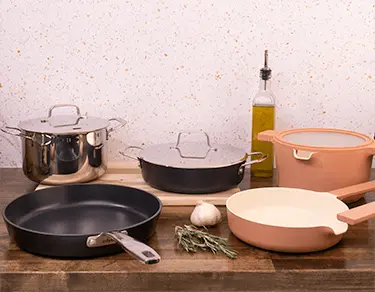
Ceramic non-stick pans are metal pans coated with a silica-based layer that provides a slick surface for cooking. The coating is often applied through a sol-gel process and cured at high temperature to form a glass-like finish. Most ceramic non-stick pans are marketed as PTFE-free and PFOA-free, which attracts buyers looking to avoid traditional Teflon-style coatings.
Key points:
- The core is usually aluminum or stainless steel for heat conduction.
- The top layer is a ceramic-like silica coating that feels slick.
- Some products combine ceramic with multiple layers for durability.
Ceramic non-stick pans deliver easy release for eggs and pancakes and make cleanup faster than bare metal pans. They often come in bright colors and are popular for low-to-medium heat cooking.
How ceramic coatings are made and what "non-toxic" means
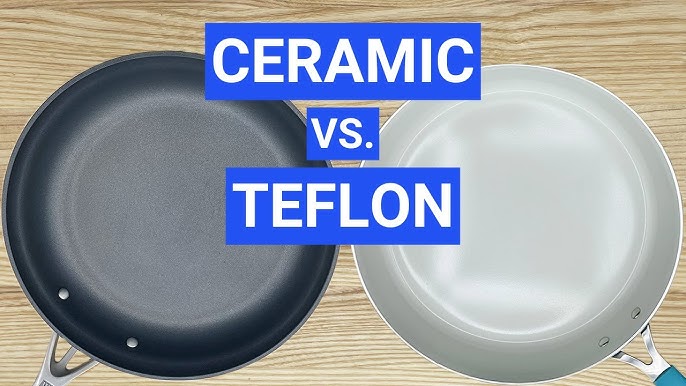
Manufacturers make ceramic non-stick pans by applying a silica-based coating over a metal base. This coating can be pure ceramic (silica) or a ceramic-infused polymer. Common manufacturing facts:
- Sol-gel method creates a thin glassy layer rich in silicon and oxygen.
- Some coatings include binders or primers to help adhesion to the pan.
- Labels like "PTFE-free" and "PFOA-free" describe what is not in the product.
"Non-toxic" usually refers to the absence of known harmful chemicals at cooking temperatures. For cookware this commonly means:
- No PTFE (polytetrafluoroethylene) breakdown products.
- No PFOA (perfluorooctanoic acid) used in manufacturing.
- Low risk of heavy metal leaching such as lead or cadmium.
Keep in mind that "non-toxic" is a marketing term. Regulatory safety depends on manufacturing controls and testing. Well-made ceramic non-stick pans generally meet food-contact safety limits, but cheaper imports may have inconsistent quality control.
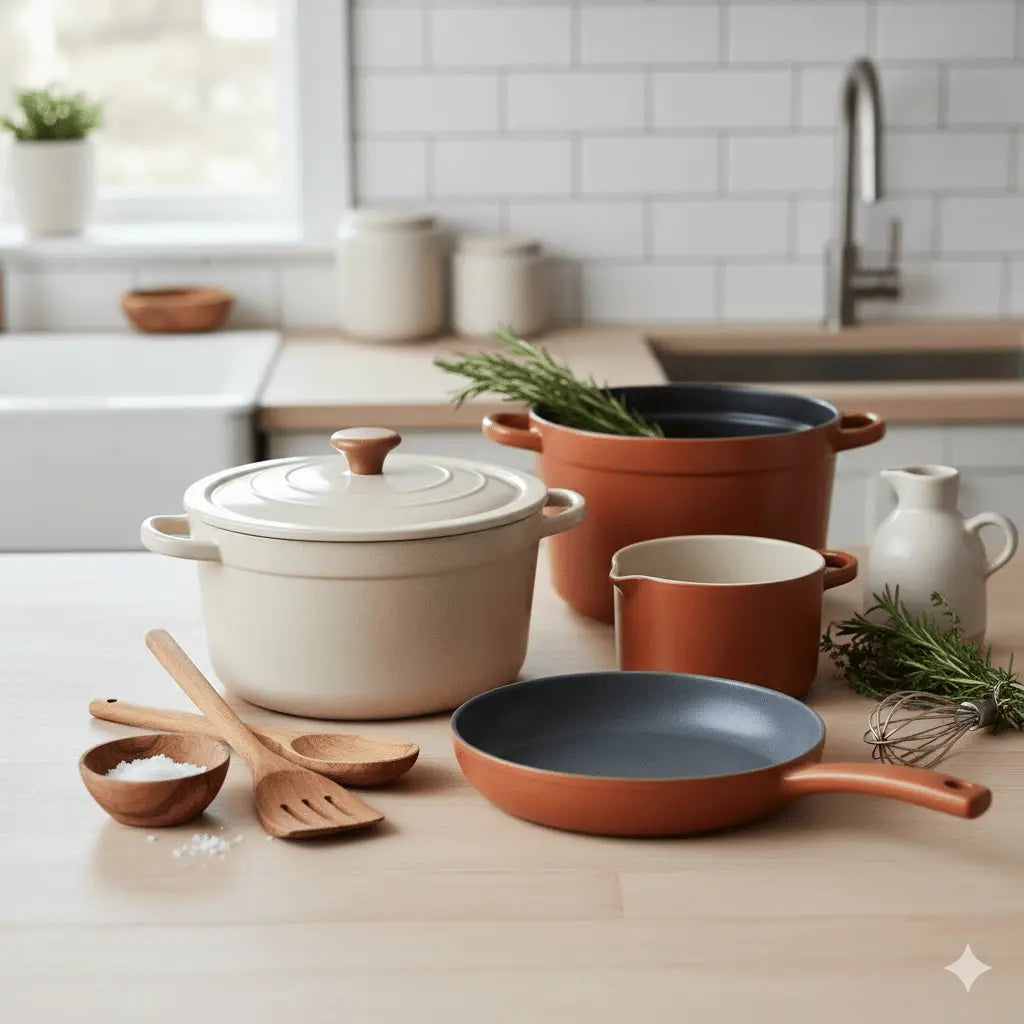
Heat, durability, and when coatings can break down
Ceramic non-stick pans perform well at low and medium temperatures. They are not invulnerable. Key safety and durability points:
- Safe cooking range: most ceramic non-stick pans are fine below about 400–450°F. Overheating can damage the coating.
- Empty-pan heating: heating an empty ceramic pan to very high temperatures can accelerate coating degradation.
- Visible wear: chips, crazing, or flaking indicate the coating is failing and the pan should be replaced.
When ceramic coatings break down they usually lose non-stick properties rather than release deadly gases. Unlike PTFE-based coatings that can emit toxic fumes at very high temperatures, ceramic breakdown tends to be physical (peeling) or may release trace organic compounds if primers burn off. For normal stovetop cooking, the risk of toxic exposures is low if you avoid overheating.
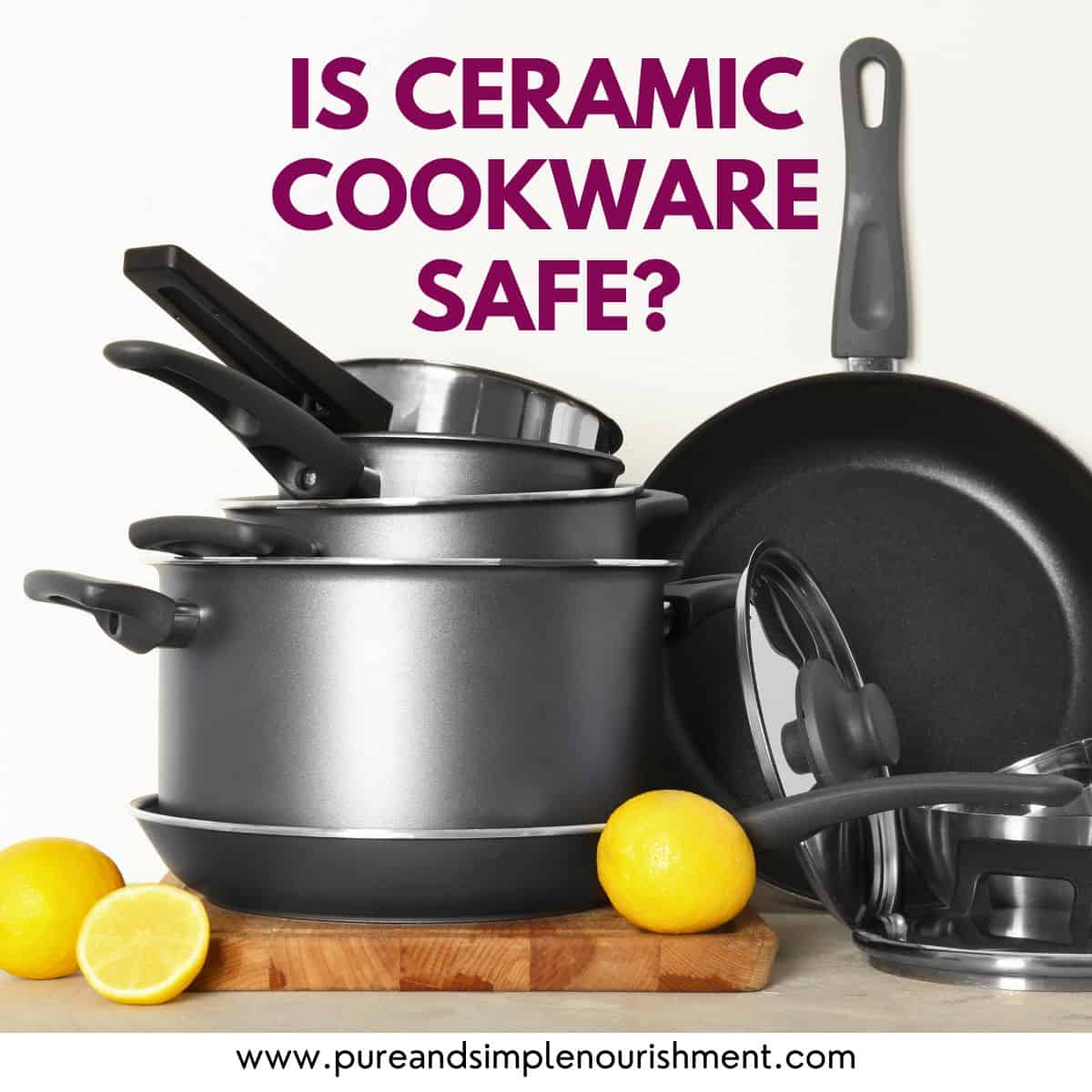
Evidence and studies on safety and chemical exposure
What does the science say? Overall findings point to low risk from properly used ceramic non-stick pans:
- Tests show the absence of PTFE and PFOA in many ceramic coatings. This reduces the specific risks linked to PTFE breakdown fumes and PFOA legacy pollution.
- Leaching studies for heavy metals typically find levels below regulatory limits for reputable brands. Lower-quality pans may have lapses.
- When ceramic coatings are intact, they act as inert glass-like barriers and are less likely to off-gas at normal cooking temperatures.
However, limitations exist:
- Long-term durability data across all brands is uneven. Some products wear faster than others.
- Not all manufacturers publish independent testing results. Look for third-party compliance or food-contact certifications when possible.
From my testing and experience, ceramic non-stick pans are a safer choice than older PTFE pans if you cook at regular temperatures and replace pans at first sign of wear.
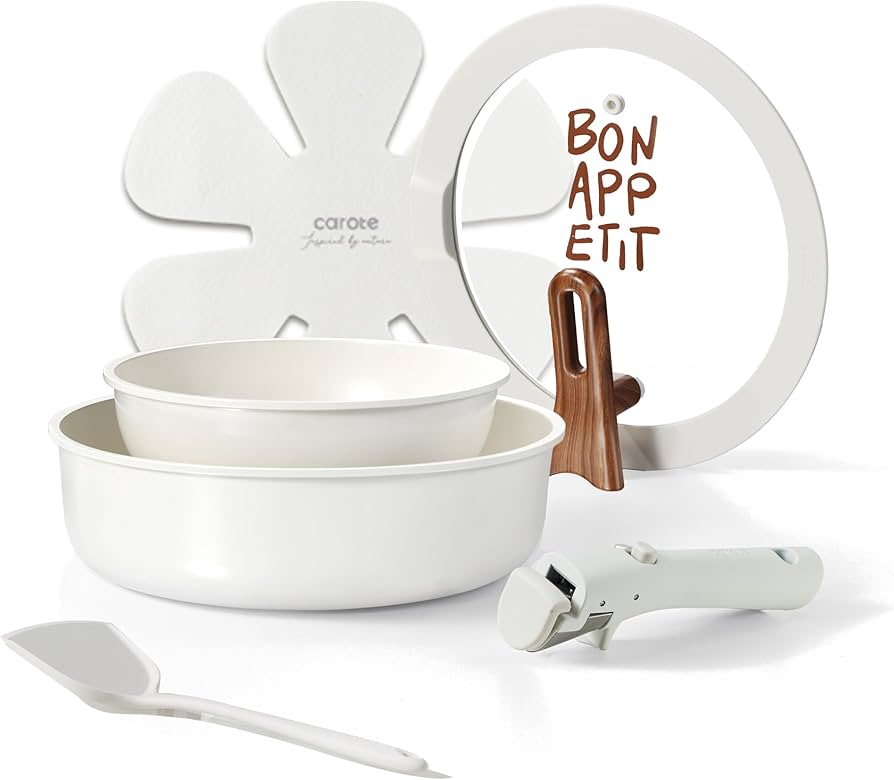
How to buy, use, and maintain ceramic non-stick pans safely
Buying and using right matters more than the label. Follow these practical tips:
- Choose a reputable brand with clear food-safety claims and warranty information.
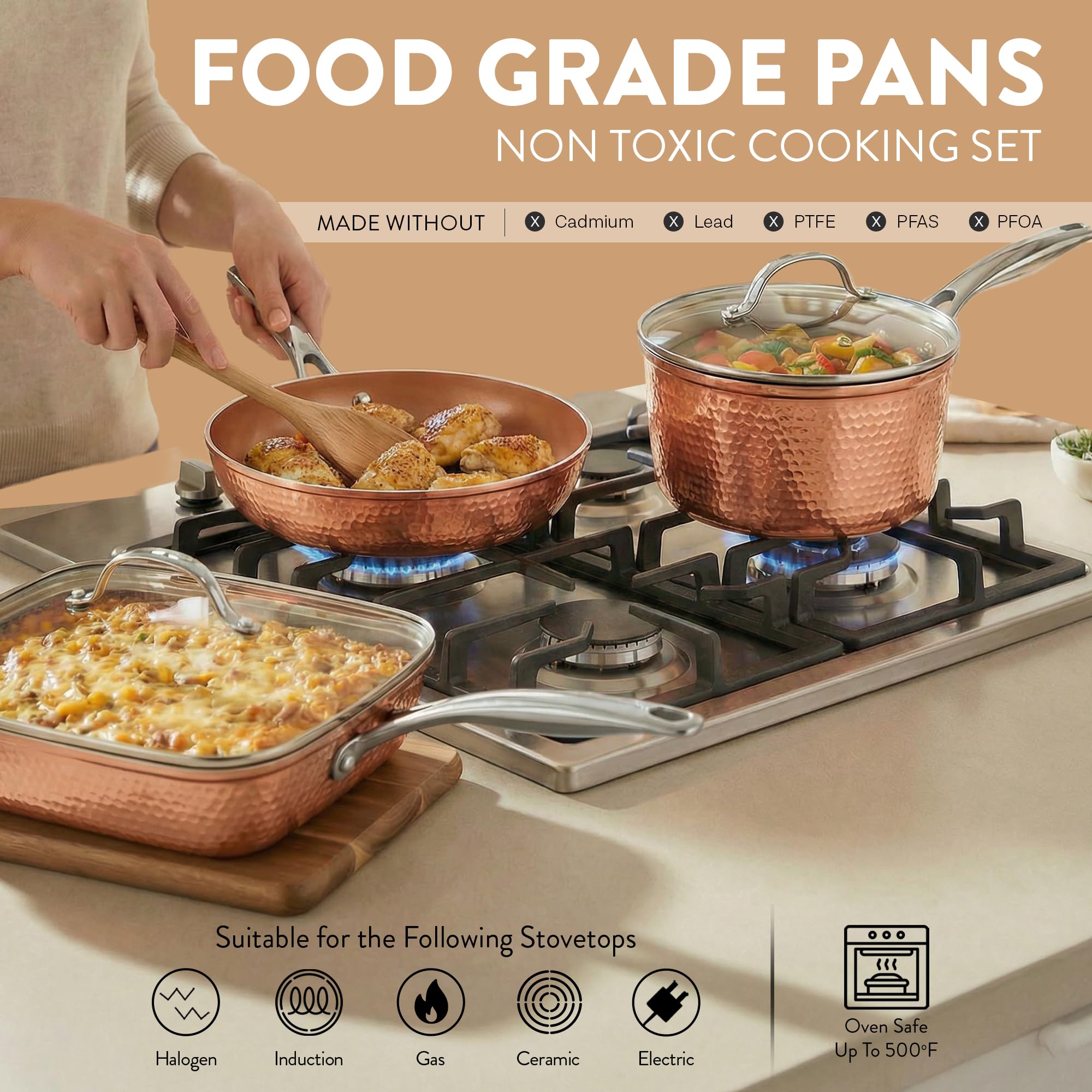
- Check that the pan is PTFE-free and PFOA-free if that matters to you.
- Avoid buying very cheap pans with no testing claims or unclear materials.
Use and care:
- Do not preheat an empty ceramic non-stick pan on high heat.
- Cook on low to medium heat for best performance and longer life.
- Use wooden, silicone, or nylon utensils to avoid scratching the coating.
- Avoid metal scrubbers; hand wash with mild detergent and a soft sponge.
- Replace the pan if the coating chips, peels, or shows cracks.
Storage and longevity:
- Stack pans carefully with protective cloth or pan protectors.
- Expect moderate lifespan; many ceramic non-stick pans need replacement after 1–4 years depending on use.

Source: ebay.com
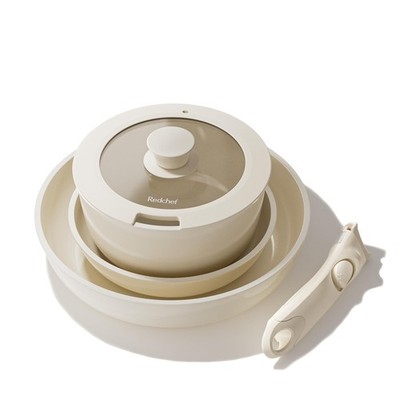
Personal experience: what I learned testing ceramic non-stick pans
I have used ceramic non-stick pans for daily breakfast cooking for several years. What I learned:
- Ceramic non-stick pans make eggs and pancakes quick and fuss-free. I rarely need oil.
- Durability varied. A mid-range pan lasted over two years with daily use. A cheaper pan developed scratches in months.
- I overheated a ceramic pan once and noticed a dull spot and loss of non-stick release. After that I always avoid empty-pan high heat.
Lessons and mistakes to avoid:
- Don’t assume all ceramic non-stick pans are equal. Spend a little more for tested quality.
- Treat the coating gently during cleaning and cooking.
- Replace worn pans rather than trying to restore a badly damaged surface.

Source: amazon.com
Alternatives to ceramic non-stick pans and when to choose them
If ceramic non-stick pans do not fit your needs, consider these options:
- Stainless steel: Great for high-heat searing and durability. Needs oil to prevent sticking.
- Cast iron: Extremely durable and naturally non-stick when well-seasoned; heavy and needs maintenance.
- Seasoned carbon steel: Lighter than cast iron and develops a natural non-stick patina.
- PTFE-based non-stick: Offers very slick release and high durability in some modern formulations but carries risk of fumes at extreme overheating.
Choose based on cooking style:
- Use ceramic non-stick pans for low-fat cooking and easy cleanup.
- Use stainless steel or cast iron for high-heat techniques and browning.

Source: alva-cookware.us
Frequently Asked Questions of Are ceramic non-stick pans truly safe and non-toxic?
Are ceramic non-stick pans safer than traditional Teflon cookware?
Ceramic non-stick pans often avoid PTFE and PFOA, reducing risks linked to PTFE breakdown fumes. For normal cooking temperatures, ceramic pans are generally considered a safer option.
Can ceramic coatings release toxic fumes when overheated?
Ceramic coatings are less likely to emit the same toxic fumes as PTFE, but overheating any coating can produce off-smells or degrade the surface. Avoid heating an empty pan on high to reduce risk.
Do ceramic non-stick pans contain lead or cadmium?
Reputable manufacturers test for heavy metals and typically meet regulatory safety limits. Cheaper or uncertified pans may carry higher risk, so choose trusted brands and certifications.
How long do ceramic non-stick pans last?
Lifespan varies by quality and care. Expect 1–4 years of good performance with regular use and proper maintenance; heavy use or rough care will shorten that span.
Is it safe to use metal utensils on ceramic pans?
Using metal utensils can scratch or chip the ceramic coating and shorten the cookware's life. Use wooden or silicone tools to preserve the surface and keep the pan non-toxic.
Conclusion
Ceramic non-stick pans are a safe, non-toxic choice for everyday cooking when you choose quality and use them correctly. They remove many concerns tied to older PTFE coatings and make low-fat cooking easy. To get the best results, buy from a reputable maker, avoid overheating, use gentle utensils, and replace any pan that shows wear. Try one for low-to-medium heat cooking and see how it fits your kitchen routine — then share your experience, subscribe for updates, or leave a comment about your favorite pan.