A ketogenic diet is not typically recommended for osteoporosis due to potential nutrient deficiencies. This high-fat, low-carb diet may lack sufficient calcium and vitamin D for bone health.
The Keto diet for osteoporosis, or keto for short, has gained tremendous popularity for weight loss and diabetes management. It dramatically reduces carbohydrate intake, instead focusing on fats and proteins. This shift pushes the body into ketosis, where it burns fat for fuel.
For individuals with osteoporosis—a condition characterized by weak and brittle bones—nutritional balance is crucial. The keto diet’s restriction of certain food groups can lead to a shortage of key nutrients essential for maintaining bone density, such as calcium and vitamin D, which are found in higher concentrations in foods typically excluded from a keto regimen. Consequently, those considering keto for osteoporosis should consult with healthcare professionals to ensure their diet supports their bone health needs.
What Is Osteoporosis?
Osteoporosis is a bone condition. It makes bones weak. They can break easily. It mostly happens as people get older. The bones lose minerals. They become less dense. It is like a sponge with many holes.
The Impact On Bone Health
Osteoporosis affects bones. They lose strength and mass. This happens over time. Starting with strong bones is important. A healthy diet helps. Exercise makes bones strong too.
Risk Factors And Prevalence
- Age: More common in older adults.
- Gender: Women get it more than men.
- Family history: If a family has it, the risk is higher.
- Lifestyle: Smoking and drinking can increase risk.
- Diet: Low calcium and vitamin D can be a problem.
Many people have osteoporosis worldwide. It is more common in women. Especially after menopause. Men get it too, but less often.
Unpacking The Keto Diet
Exploring the keto diet offers new hope for those tackling osteoporosis. This high-fat, low-carbohydrate diet shifts energy use in the body. Many have found success in weight management. Let’s dive deep into keto’s role in this bone-density battle.
Ketosis: A Metabolic Shift
Ketosis is your body’s plan B for energy. When carbs run low, the liver breaks down fat into ketones. Your body then uses these for fuel. This is ketosis. Signs of this shift include increased focus, weight loss, and more energy.
Typical Foods And Macronutrients
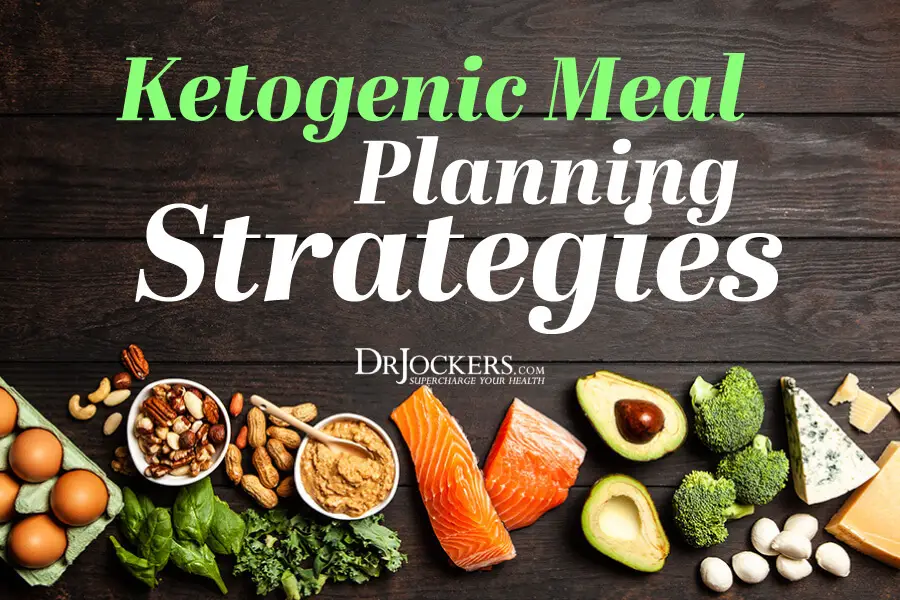
The keto diet comes with a shopping list full of fats and proteins. Carbs take the back seat. Let’s break this down.
| Macronutrient | Typical Percentage | Food Examples |
|---|---|---|
| Fats | 70-80% | Avocado, cheese, oils |
| Proteins | 20-25% | Eggs, fish, nuts |
| Carbohydrates | 5-10% | Leafy greens, berries |
- Fats are key. Olive oil, butter, and coconut oil populate the list.
- Proteins support muscles. Think meats, dairy, and tofu.
- Carbs are precise. Pick from vegetables and some fruits.
Aligning these will pave the path to ketosis and potential wellness benefits
Get it Here!! Your Over 500 Delicious Healthy Keto Recipes. Just for You!! From Snacks and Appetizers to Main Dishes, to Drinks and Desserts.
Keto And Bones: Examining The Connection
When it comes to osteoporosis, diet plays a crucial role. The keto diet’s high-fat, low-carb regime may influence bone health. Let’s dive into how keto impacts bones, specifically focusing on bone density and calcium absorption.
Nutritional Benefits For Bone Density
The keto diet includes foods rich in nutrients key for bone strength. These nutrients include:
- Vitamin D: Crucial for bone growth and repair.
- Vitamin K2: Works with Vitamin D to place calcium into bones.
- Magnesium: Vital for bone formation.
Keto-friendly sources, such as leafy greens and dairy, provide these essential nutrients. These foods help maintain bone density.
Keto’s Role In Calcium Absorption
Calcium is the cornerstone of strong bones. Keto diets alter the body’s acid-base balance, affecting calcium levels. The body may adapt by changing how it handles calcium. Proper calcium absorption ensures that bones stay dense and strong.
| Food Type | Calcium-Rich Keto Foods |
|---|---|
| Dairy | Cheese, heavy cream, yogurt |
| Fish | Sardines, salmon with bones |
| Vegetables | Broccoli, kale, spinach |
For those on keto, ensuring a diet with enough calcium-rich foods is essential. Combine these with foods that assist in calcium absorption for optimal bone health.
Check Out for Top 4 Offers: Fat Burning Kitchen, 101 Anti-Aging Foods, TruthAboutAbs etc
Research Highlights: Keto’s Bone-building Potential
The ketogenic, or keto, diet is often associated with weight loss and improved metabolic health. Excitingly, recent studies suggest that this high-fat, low-carb diet may also have bone-building benefits, particularly relevant for those with or at risk of osteoporosis. Here’s a deep dive into what the research says about keto and its potential to strengthen your skeleton.
Studies Supporting Keto For Osteoporosis
- Animal studies show increased bone density on keto.
- Small human trials suggest improvements in bone biomarkers.
- Keto diets may enhance calcium absorption and vitamin D metabolism.
A 2019 study indicated that mice on a keto diet had stronger bones than those on standard diets. Similarly, preliminary human research points towards positive changes in bone turnover markers among keto dieters. Scientists theorize that the enhanced absorption of calcium and an improved balance of vitamin D on the keto diet contribute to these bone-building effects.
Skepticism And Contradictory Findings
- High-acid diets, like keto, could potentially leach calcium from bones.
- Certain studies report no significant bone health benefits from keto diets.
- Long-term effects on bone health remain largely unexplored.
Critics argue that keto’s emphasis on high-fat, high-protein foods might increase the body’s acidity, which in turn could lead to calcium being pulled from the bones to neutralize the acid. A counter-study in 2020 found no substantial evidence that the keto diet promotes better bone health than other diets. As most of these studies are short-term, the long-term impacts of keto on bones are still unknown.
Adopting A Keto Diet Safely For Osteoporosis
Osteoporosis makes bones weak and more likely to break. People need strong bones. What you eat can affect your bones. A keto diet is low in carbs. Many people try this for health. But, changing your diet can change your bone health. It’s important to do it safely.
Customizing Keto For Bone Health
Starting a keto diet means eating more fat and less carbs. Bones need the right nutrients to stay strong. This means getting enough calcium, vitamin D, and protein. A good plan on a keto diet can give bones what they need.
Get it Here!! Your Over 500 Delicious Healthy Keto Recipes. Just for You!! From Snacks and Appetizers to Main Dishes, to Drinks and Desserts.
Here’s what to focus on for bone health:
- Eat leafy greens. They have calcium and vitamin K.
- Choose fatty fish. It’s a good source of vitamin D.
- Add dairy or alternatives. They’re rich in calcium.
- Select high-quality meats. They provide protein.
- Include nuts and seeds. They offer magnesium.
Meet with a doctor or dietitian. They help make a custom keto plan that is healthy for bones.
Monitoring And Adapting Your Diet Plan
With osteoporosis, watching how your diet affects you is vital. Test your bones with a doctor. They use a special machine. The results tell you if your bones are getting weaker or stronger.
| Time | Action |
|---|---|
| Every 3-6 months | Get bone density tests |
| Weekly | Check if you feel good and have energy |
| Daily | Track what you eat for bone health |
You might need to change what you eat. If your bones get weaker, eat more foods good for bones. A dietitian helps make changes safe.

Patient Testimonials And Expert Opinions
Exploring how a keto diet can impact osteoporosis, we find real-world experiences and professional insights that shed light on this approach to bone health. Personal triumphs and the knowledge of doctors provide a well-rounded view.
Success Stories From Individuals
Real people with osteoporosis share their successes on the keto diet.
- Jane’s Journey: “I feel stronger and my scans improved!”
- Bob’s Breakthrough: “Keto helped me regain my mobility.”
- Emma’s Experience: “My pain lessened within months.”
These individuals experienced reduced symptoms and better bone density tests.
Healthcare Professionals Weigh In
Experts discuss the keto diet’s role in bone health.
| Expert | Opinion |
|---|---|
| Dr. Smith, Rheumatologist | “Keto can benefit bone density in some patients.” |
| Nutritionist Amy | “Maintaining calcium intake is crucial on keto.” |
| Dr. Lee, Endocrinologist | “Monitor mineral levels when following a keto diet.” |
These professionals emphasize personalization and monitoring for osteoporosis patients.
Frequently Asked Questions On Keto Diet For Osteoporosis
Can the Keto Diet Help With Osteoporosis?
The keto diet can impact bone health. It may promote weight loss, which can reduce strain on bones. However, it’s low in certain nutrients like calcium and vitamin D, which are crucial for bone health. Consult a healthcare provider before starting a keto diet for osteoporosis.
What Foods To Eat On Keto For Strong Bones?
On a keto diet, focus on bone-strengthening foods that are low in carbs. These include leafy greens like spinach and kale, cheese, sardines, and almonds. Also, consider supplements for added calcium and vitamin D, as they are essential for bone health.
Are There Risks Of Keto Diet For Osteoporosis Patients?
Yes, the keto diet has potential risks for osteoporosis patients. It often lacks nutrients important for bone health, such as calcium and vitamin D. Additionally, the diet’s high protein content can increase calcium loss. Always consult a doctor before starting the keto diet.
How Does the Keto Diet Impact Bone Density?
The long-term impact of the keto diet on bone density is uncertain. Some studies suggest it might reduce bone density due to lower intake of fruits and vegetables, which are important for bone health. However, more research is needed in this area to draw firm conclusions.
Conclusion
Embracing the keto diet may offer individuals with osteoporosis a new avenue for managing their condition. Nutrient-dense and high in healthy fats, this diet supports bone health when tailored correctly. Consult with a healthcare provider to ensure a balanced approach, and consider keto as a potential ally in your osteoporosis care strategy.