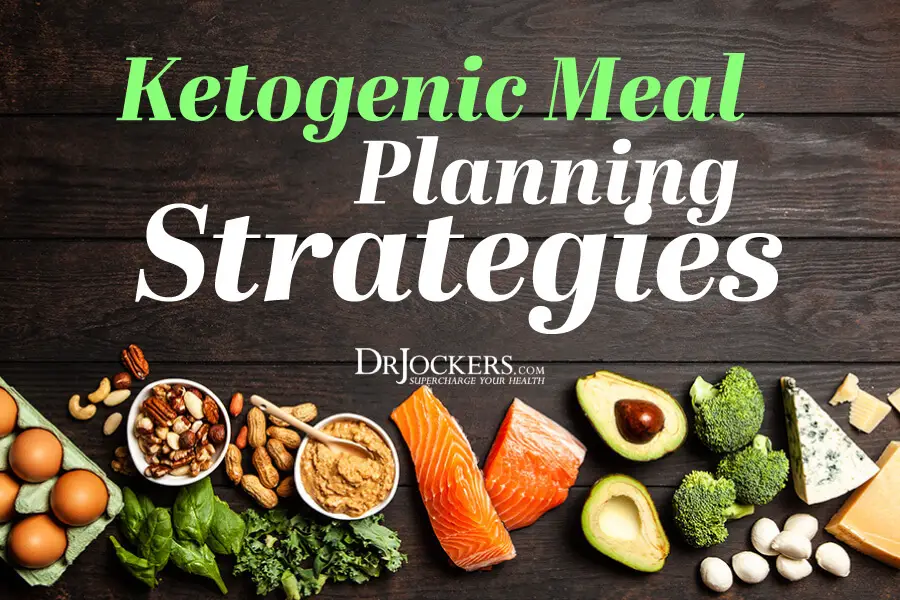
Combining a ketogenic diet with intermittent fasting can enhance fat-burning potential. This dual approach leverages low-carb intake and cyclical fasting to boost metabolic efficiency.
Embracing the ketogenic diet alongside intermittent fasting has become a popular strategy for those seeking to optimize fat loss and improve health. Leveraging the power of both regimens, individuals aim to push their bodies into a state of ketosis more quickly, where fat serves as the primary energy source instead of carbohydrates.
This synergy not only ramps up fat burning but also supports better blood sugar control and may enhance mental clarity. By strategically timing meals and adhering to a high-fat, moderate-protein, and low-carbohydrate diet, one can potentially accelerate weight loss and gain various metabolic benefits. It’s essential to navigate this dietary combination with consideration for one’s individual health needs and in consultation with healthcare providers to ensure it’s a suitable and safe approach.
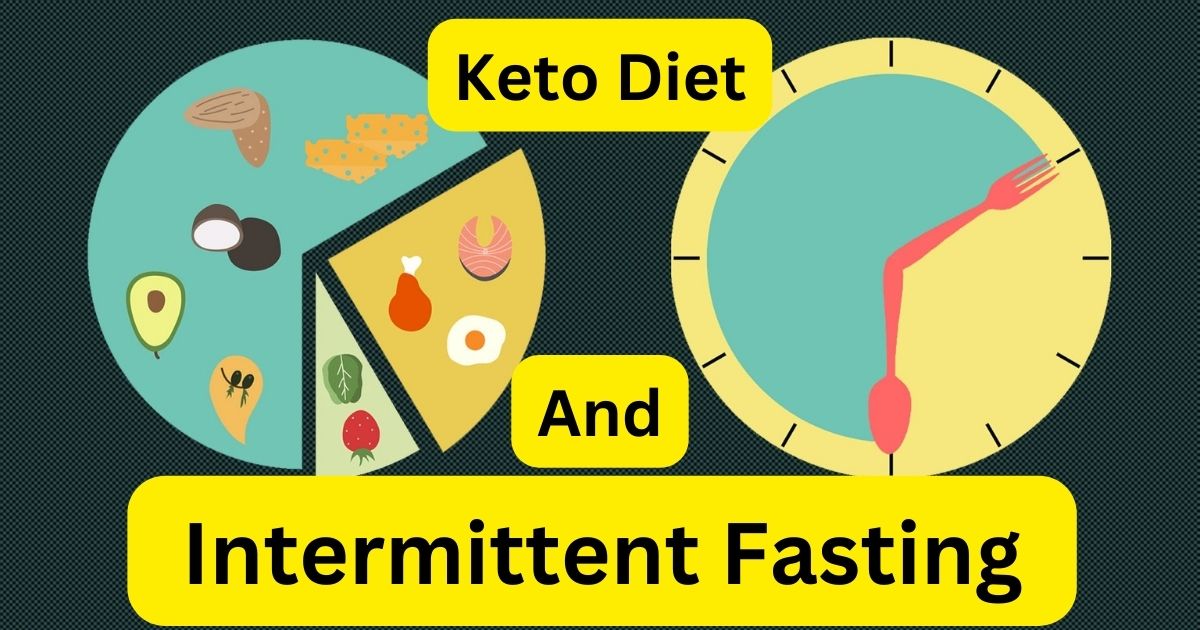
Harnessing The Power Of Keto And Intermittent Fasting
Exploring the combined strength of the Keto Diet with Intermittent Fasting unlocks a new frontier in weight loss and health optimization. It fires up the body’s fat-burning capability, utilizing two powerful lifestyle changes. Together, these methods can revolutionize wellness and fat reduction.
Synergistic Effects On Health
Evidence shows Keto and Intermittent Fasting enhance health together. These practices have unique benefits. They help maintain healthy blood sugar levels and increase energy efficiency. The body switches to burning fat over carbs, resulting in weight loss.
- Improved energy levels
- Enhanced cognitive function
- Better blood sugar control
Keto focuses on high-fat, adequate-protein, low-carbohydrate intake. Intermittent Fasting sets eating windows. Together, they strengthen the body’s metabolic response.
The Dual Approach As A Lifestyle
Keto and Intermittent Fasting serve as a lifestyle, not just diet. Embracing this dual approach shapes daily habits around food and wellness. It is not a quick fix but a long-term journey.
| Time | Activity |
|---|---|
| 8 AM – 12 PM | Fasting Window |
| 12 PM | Break Fast with Keto Meal |
| 6 PM | Last Keto Meal |
| 6 PM – 8 AM | Fasting Window |
This lifestyle encourages discipline and consistency. The synergy of Keto and fasting makes living healthy natural and effective.
For you, 1 Month Vegan Challenge Offers Revised and Updated for 2024!! The 1 Month Vegan Challenge Is On Fire Right Now!!
Keto Diet Deep Dive
The Keto diet transforms the body into a fat-burning machine through a process called ketosis.
Core Principles Of Ketosis
Ketosis hinges on a low-carb, high-fat nutritional approach.
- Reduce carbs to switch the energy source from glucose to ketones.
- Fats become the primary fuel, resulting in fat burn and weight loss.
- Maintain consistent macronutrient ratios for optimal results.
Foods To Feast On And Avoid
Choosing the right foods is crucial for maintaining ketosis.
| Foods to Eat | Foods to Avoid |
|---|---|
|
|
Here is a Resource On The Keto Diet for you!
Intermittent Fasting Explained
Intermittent fasting (IF) is a dietary strategy that cycles between periods of fasting and eating. Unlike a typical weight-loss diet that focuses on what to eat, IF emphasizes when to eat. This eating pattern can boost metabolism, leading to increased fat burning.
Popular Fasting Windows
Fasting windows vary, each with its benefits:
- 16/8 Method: Fast for 16 hours, eat for 8
- 5:2 Approach: Eat normally for 5 days, restrict calories for 2
- Eat-Stop-Eat: 24-hour fast, once or twice a week
- Alternate Day Fasting: Alternate normal eating with fasting days
- One Meal A Day (OMAD): Single meal in a daily window
Triggering Autophagy
Fasting induces autophagy, a cellular “cleanup” process. Cells remove damaged components, aiding in regeneration.
| Fasting Period | Autophagy Trigger |
|---|---|
| 16-24 Hours: | Starts cellular cleaning |
| 24+ Hours: | Intensifies the process |
Combining Keto With Fasting For Weight Loss
Imagine a double power boost that ramps up your body’s fat-burning capacity. Combine the Keto diet with intermittent fasting and unlock a potent duo for weight loss. This match made in heaven can transform how your body sheds pounds. Let’s dive into the details on how they amplify each other’s effects.
Accelerating Fat Burn
The Keto diet trains your body to use fat for fuel. When adding intermittent fasting, you extend the time your body stays in fat-burning mode. This is because fasting pushes the body to tap into fat reserves for energy. The result? Quicker fat loss.
- Reduces insulin levels, promoting fat breakdown
- Increases fat accessibility for energy production
- Stimulates metabolic rate to torch more fat
Maintaining Muscle Mass
A common concern with weight loss is muscle loss. Keto with fasting is different. Intermittent fasting helps increase growth hormone levels, which is crucial for muscle growth.
| Fasting Periods | Benefits |
|---|---|
| 16/8 or 18/6 | Boosts growth hormone release |
| 24-hour fasts | Enhances cellular repair |
| Alternate-day fasting | Promotes lean muscle preservation |
Combining the Keto diet with intermittent fasting supports the body to burn fat while maintaining muscle mass. It’s a strategy for those aiming for a leaner body composition and sustainable weight loss.
Beyond Weight Loss: Other Health Benefits
The Keto diet and intermittent fasting do more than shedding pounds. They boost overall health in several ways. Let’s dive into the wide array of benefits these lifestyle changes offer beyond weight management.
Improved Blood Sugar Control
One significant advantage of combining keto with intermittent fasting is enhanced blood sugar regulation. The body switches from using glucose to fat for energy. This shift can lead to more stable levels of blood sugar throughout the day.
- Reduced insulin resistance: can curb the risk of type 2 diabetes.
- Stable energy: means no more spikes and crashes that sugar brings.
Enhanced Brain Function
Another impressive benefit is the way these practices promote cognitive health. Studies suggest that keto enhances brain function. Intermittent fasting may increase the production of brain-derived neurotrophic factor (BDNF).
- Sharper focus: Clearing the fog for better concentration.
- Neuroprotection: This could potentially lower the risk of neurological diseases.
Getting Started: Tips And Strategies
Embarking on a combined keto diet and intermittent fasting journey sets the stage for powerful fat-burning. Success lies in a well-planned approach. This guide unpacks essential strategies to ease into this lifestyle seamlessly.
Preparation For The Transition
Planning meals and grocery shopping are key first steps. Choose high-fat, low-carb foods to craft a keto-friendly pantry. Here’s a simple table summarizing the foods to focus on:
| Food Category | Examples |
|---|---|
| Fats and Oils | Coconut oil, Olive oil, Butter |
| Proteins | Eggs, Beef, Fatty fish |
| Vegetables | Broccoli, Spinach, Zucchini |
Additionally, design an intermittent fasting schedule that integrates with daily routines. Aim for consistency to maximize fat-burning effects.
Managing The Keto-flu And Fasting Fatigue
As the body adapts to ketosis and fasting, some may experience keto-flu symptoms and fasting fatigue. To combat these, follow the strategies below:
- Stay hydrated. Drink plenty of water and consider adding electrolytes.
- Get adequate sleep. Aim for 7-9 hours per night to support recovery.
- Ease into it. Start with shorter fasting windows and gradually increase.
- Consume bone broth. It’s a nourishing, electrolyte-rich choice during fasting.
Maintain a gentle approach, listening to your body’s cues and adjusting as needed. This ensures a smoother transition and long-term sustainability.
Potential Pitfalls And How To Avoid Them
Embracing the Keto diet combined with Intermittent Fasting can turbocharge fat loss. Yet, tackling these lifestyle changes requires awareness of certain challenges. Staying informed and prepared ensures these pitfalls don’t hinder progress. Let’s explore common obstacles and strategic solutions.
Nutrient Deficiencies And How To Counteract Them
Balancing a Keto diet with fasting might lead to missing essential nutrients. Vital vitamins and minerals can slip through the cracks when food intake is limited. To combat this, a well-planned approach is key.
- Eat a variety of keto-friendly vegetables – Dark leafy greens and cruciferous veggies pack a punch.
- Include fatty fish and avocados – They are rich in Omega-3 fatty acids and essential fats.
- Consider supplements – Multivitamins can fill nutritional gaps cautiously.
| Nutrient | Food Source |
|---|---|
| Magnesium | Pumpkin seeds, Almonds |
| Potassium | Avocados, Spinach |
| Calcium | Cheese, Broccoli |
Staying Hydrated And Electrolyte Balanced
Body fluids can fluctuate drastically on a Keto diet with intermittent fasting. Staying hydrated is crucial. Sufficient water intake supports health and helps in ketosis. Here’s how to maintain the balance:
- Drink plenty of water – Aim for at least 8 glasses a day.
- Consume electrolyte-rich foods – Leafy greens, nuts, and seeds are perfect.
- Add salt to meals – A little extra sodium supports electrolyte levels.
For those active in the gym or outdoors, consider an electrolyte supplement. It helps keep energy levels consistent during workouts.
Watch for signs like dry mouth or fatigue. They hint you need more fluids.
Personalizing Your Keto And Fasting Plan
Embarking on a journey to meld the ketogenic diet with intermittent fasting can unlock new levels of fat burning. Yet, personalization is key. Crafting a plan tailored to your lifestyle ensures you tap into maximum benefits without feeling overwhelmed.
Adjusting Macro Intake
Finding the right balance of fats, proteins, and carbohydrates is crucial. Begin by calculating your daily caloric needs based on activity level.
- 70-80% of calories from fats
- 20-25% from proteins
- 5-10% from carbohydrates
Adjust these percentages as you monitor changes in your body. Use apps or a food diary for accurate tracking.
Choosing A Fasting Schedule
Select a fasting plan that syncs with your daily routine. This ensures sustainability. Here are popular options:
- 16/8 method: Fast for 16 hours, and eat during an 8-hour window.
- OMAD: One meal a day for deep fasting benefits.
- 5:2 approach: Eat normally for 5 days, restrict to 500-600 calories for 2 days.
Start slow and increase fasting intervals as your body adapts. Listen to your hunger cues and switch up your plan if necessary.
Success Stories And Motivational Anecdotes
Showcasing real transformations can ignite your determination to embark on a journey toward better health and body composition. The synergy of a Keto diet paired with Intermittent Fasting has turned lives around. Prepare to dive into some inspirational success stories and glean valuable insights from veterans of this lifestyle change.
Transformational Journeys
Jessica’s Life-Altering 100-Pound Loss: Jessica never imagined that in under two years, she would shed 100 pounds. Switching to Keto, she reduced carbs dramatically. By fasting intermittently, she gave her body time to burn fat. Now, Jessica’s energy levels soar, and her health markers have improved vastly.
- Started Keto with a focus on healthy fats and proteins.
- Embraced a 16/8 Intermittent Fasting schedule.
- Achieved a substantial weight loss and a complete lifestyle overhaul.
Mark’s Remarkable Physical and Mental Reboot: Mark combined Keto with fasting to overcome obesity and depression. His commitment resulted in losing 60 pounds, gaining muscle, and sharpening his mental clarity. This journey was not just physical but also a mental metamorphosis.
| Before Keto & Fasting | After Keto & Fasting |
|---|---|
| Obesity and poor mental health. | Lean physique and enhanced mood. |
| Unstable energy levels. | Consistent energy all day. |
| Reliance on sugary foods. | Nutrient-rich, whole food diet. |
Lessons Learned From Long-term Practitioners
Consistency Over Perfection: Long-term Keto and fasting aficionados stress the importance of staying consistent. Minor slip-ups are part of the journey; what matters is persistence.
- Plan meals to sidestep poor choices.
- Find a supportive community for advice and encouragement.
- Track progress, noting even minor victories.
Adaptation is Key: Veteran practitioners reveal that the body takes time to adapt to Keto and fasting. Initial challenges, like the Keto flu, are temporary. The body eventually switches to burning fat as its primary fuel source.
- Drink plenty of water.
- Maintain electrolyte balance.
- Allow time for your body to adjust.

Navigating Social Situations And Diet Sustainability
Embarking on a keto diet combined with intermittent fasting propels fat burning. Yet, diet adherence often wavers in social settings. Fret not, for strategies abound to navigate these with ease. Let’s explore maintaining social ties without derailing your health goals.
Eating Out And Social Gatherings
Attending parties or dining out needn’t disrupt your diet.
- Restaurant Choices: Opt for eateries with keto-friendly options.
- Plan Ahead: Preview menus online to decide on compliant meals.
- Communicate: Inform hosts of dietary restrictions politely.
These simple steps ensure enjoyment and adherence to your fat-burning regimen.
Creating A Sustainable Routine
A sustainable diet translates into consistency and results.
| Meal Prepping | Time Blocks | Flexibility |
|---|---|---|
| Prep keto meals in advance | Set fasting times | Allow wiggle room for special occasions |
Align your eating pattern with daily activities for a natural flow.
Set Attainable Goals: Start with manageable fasting windows.
Track Progress: Use apps to monitor fasting intervals and dietary intake.
Frequently Asked Questions Of Keto Diet And Intermittent Fasting For Maximum Fat Burning
Can the Keto Diet Boost Fat Burning?
Yes, the Keto diet can significantly boost fat burning. It shifts the body’s energy reliance from carbohydrates to fats. This metabolic state, known as ketosis, promotes increased fat breakdown for energy.
How Does Intermittent Fasting Enhance Weight Loss?
Intermittent fasting enhances weight loss by extending periods without food, which can reduce overall calorie intake. It also boosts metabolism and improves insulin sensitivity, aiding in quicker fat loss.
Is Combining Keto With Intermittent Fasting Safe?
Combining Keto with intermittent fasting is generally safe for healthy individuals. However, one should transition gradually and consider consulting a healthcare provider, especially if there are existing health concerns.
What Foods To Eat On Keto While Fasting?
When not fasting, focus on high-fat, moderate protein, and low-carb foods. Include leafy greens, fatty fish, avocado, and quality meats. Always stay hydrated and mindful of nutrient intake.
Conclusion
Combining a keto diet with intermittent fasting can turbocharge fat loss. This duo works synergistically, enhancing metabolic efficiency and supporting weight management goals. Always consult a healthcare professional before embarking on this journey. Embrace the change, track your progress, and stay committed to reaping the transformative health benefits.