The keto diet can increase cholesterol levels, though individual responses vary. High dietary fat intake, characteristic of keto, may raise LDL (“bad”) cholesterol, a risk factor for heart disease.
Engaging in a ketogenic diet has become increasingly popular for individuals aiming to lose weight and improve metabolic health. This high-fat, low-carbohydrate diet shifts the body’s energy reliance from glucose to ketones, produced from fat breakdown. Yet, the Keto’s impact on cholesterol levels has sparked debates among health professionals.
Elevated cholesterol levels, particularly low-density lipoprotein (LDL) cholesterol, are linked to an increased risk of heart disease. Since the diet comprises significant amounts of fat, it stands to reason that it may affect cholesterol levels. While some people experience elevated LDL cholesterol on a keto diet, others report improved lipid profiles, suggesting a degree of personal variability.
It is crucial for individuals to monitor their cholesterol levels and consult healthcare professionals before and during a keto diet to ensure it aligns with their health goals.
The Keto Diet Phenomenon
The Keto Diet Phenomenon has taken the wellness world by storm. Often, it’s not just about shedding pounds but also transforming health. As individuals search for ways to overcome dietary challenges, the keto diet emerges as a beacon of hope, especially for those grappling with high cholesterol levels. Understanding its popularity and principles is essential for anyone considering this dietary approach.
Popularity And Principles
The ketogenic diet, known widely as keto, gains momentum through its remarkable success stories. Celebrities and everyday folks alike share tales of significant weight loss and improved health, catapulting keto to the forefront of dietary trends. At its core, the keto diet shifts the body’s primary fuel source from carbohydrates to fats, inducing a state known as ketosis. This process is pivotal to the diet’s effectiveness and guides its fundamental principles.
Key Components Of A Keto Diet
A keto diet revolves around high-fat, moderate-protein, and low-carbohydrate foods. Here’s a snapshot of what a keto-friendly plate might include:
| Fats | Proteins | Low-carb Vegetables |
|---|---|---|
| Avocado | Chicken | Spinach |
| Butter | Beef | Kale |
| Coconut Oil | Fish | Broccoli |
An ideal keto menu minimizes carbs to about 20 to 50 grams per day while emphasizing fats and proteins. Here’s a basic breakdown:
- 70-80% of daily calories from fats
- 20-25% from proteins
- Only 5-10% from carbohydrates
Tracking your macronutrient intake ensures you stay within these ratios. Foods like sugary snacks, pasta, bread, and grains typically take a back seat to items rich in healthy fats such as nuts, seeds, oils, and fatty fish.
Cholesterol Basics
Understanding cholesterol is key to unlocking the mystery of how the keto diet affects it. Cholesterol is a waxy substance. Your body makes some cholesterol. We also get it from food. It helps keep our bodies running smoothly. Some people think cholesterol is bad. But, your body needs it to work well.
Functions And Importance
Several duties are on cholesterol’s to-do list.
- Makes cell walls.
- Helps digest food.
- Makes vitamin D.
- Creates hormones for body balance.
Types And Their Roles
| Type | Role |
|---|---|
| LDL (Bad) | Carries cholesterol to cells. Can cause build-up in arteries if too high. |
| HDL (Good) | Takes extra cholesterol back to the liver. Helps prevent artery issues. |
| Triglycerides | Stored fat is used for energy. High levels are not good. |
Linking Keto To Cholesterol Levels
Linking Keto to Cholesterol Levels stirs much debate among nutritionists and physicians. The ketogenic, or keto, diet involves eating high-fat, low-carbohydrate foods. Some worry this could harm your cholesterol. Yet, others suggest it might improve your lipid profile. Let’s explore the connection between the high-fat keto diet and cholesterol levels.
Dietary Fats On Keto
A keto diet changes your fuel source from carbs to fats. Understanding the types of fats consumed is crucial. Fats are not equal. Some can raise cholesterol levels; others might not. On keto, you eat more:
- Saturated fats: Found in butter, coconut oil, and red meat.
- Monounsaturated fats: Found in avocados, olive oil, and nuts.
- Polyunsaturated fats: Found in fatty fish and flax seeds.
These fats replace most carbs in your diet. This can impact cholesterol.
Keto’s Impact On Lipid Profile
The keto diet can transform the body’s lipid profile. That is the array of cholesterol-related blood markers. Changing your diet to keto may lead to:
- A shift in LDL particles to a larger size, potentially reducing heart disease risk.
- An increase in HDL cholesterol is often called ‘good’ cholesterol.
- Variable effects on triglycerides, which can depend on individual responses to the diet.
Research shows the keto diet could boost overall cholesterol in some. Others may see a balanced profile. Often, people with high cholesterol before starting keto observe significant positive changes. Conversely, some experience elevated levels. Hence, individual responses vary. Consulting with a healthcare provider before starting keto is wise, especially for people concerned about cholesterol.
Debunking Keto And Cholesterol Myths
The ketogenic, or keto, diet often raises eyebrows when it comes to cholesterol levels. With its high-fat approach, many believe it spells bad news for heart health. Yet, is this concern grounded in truth, or is it a myth waiting to be busted? Let’s explore the relationship between the keto diet and cholesterol, challenging common misconceptions with scientific clarity.
Common Misconceptions
The myth that “keto equals bad cholesterol” gains traction without a complete picture. Here are some widespread beliefs warranting a second look:
- “Eating fat increases cholesterol levels.” Not all fats impact cholesterol negatively.
- “High cholesterol always leads to heart disease.” Other factors play a role too.
- “Keto diet is bad for your heart health.” This diet can improve some heart markers.
Scientific Evidence
What does science say about this high-fat regimen? Delving into research gives us a clearer view:
| Study | Findings | Impact on Myth |
|---|---|---|
| 2010 study on Dietary Fat | Saturated fat wasn’t linked with heart disease. | Questions the fat-cholesterol fear. |
| 2017 Keto Review | Keto helped reduce weight and lower triglycerides. | Shows keto’s potential benefits for heart health. |
Through these studies, it becomes clear that keto’s effects on cholesterol levels are not entirely harmful. In fact, the diet can improve triglyceride and HDL levels, which are important indicators of heart health. Notably, a focus on heart-healthy fats within a keto plan fortifies the improvement.
Real Stories, Real Results
Exploring the Keto diet brings a mix of stories, some filled with triumph, others with caution. Real people embark on this dietary journey for better health. Their experiences shed light on the Keto diet and its impact on cholesterol levels. Let’s dive into real stories and real results to understand this better.
Success Cases
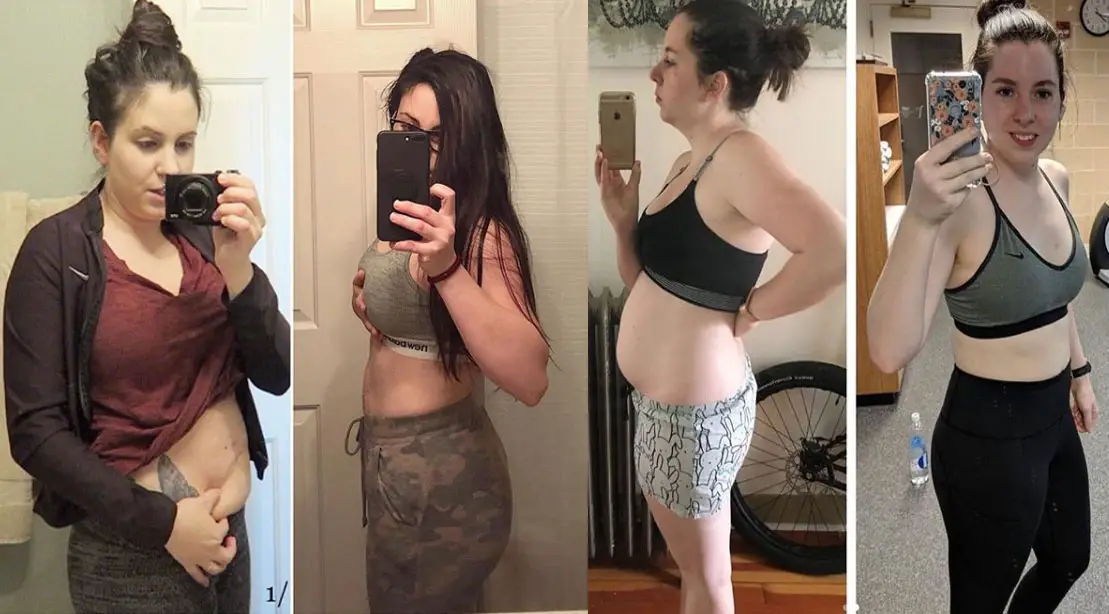
Countless individuals have turned to the Keto diet for its potential health benefits. These success stories serve as motivation for many. Here’s a look at some remarkable transformations.
- John’s Journey: After six months on Keto, his cholesterol levels impressively improved. The dietary switch not only lowered his LDL (bad cholesterol) but also increased his HDL (good cholesterol).
- Emma’s Experience: Battling weight and high cholesterol, Emma found relief with Keto. She lost 30 pounds and her doctor reported better cholesterol ratios.
- Alex’s Achievement: Struggling with obesity, Alex embraced Keto and saw a drop in triglycerides and cholesterol levels within a year.
| Before Keto | After Keto |
|---|---|
| LDL: High | LDL: Normal |
| HDL: Low | HDL: Increased |
| Weight: Overweight | Weight: Healthy range |
These individuals celebrated their hard-earned results—a testament to the Keto diet’s potential to turn lives around.
Cautionary Tales
While success thrives, cautionary tales are not uncommon. The Keto diet may not work for everyone. Here are a few stories reminding us to proceed carefully.
- Lisa’s Struggle: Lisa saw a spike in her cholesterol after starting Keto. Her doctor advised a diet change to manage her levels.
- Mike’s Misstep: Despite losing weight, Mike’s cholesterol increased. The high intake of saturated fats on Keto didn’t suit his body.
- Sarah’s Setback: Sarah experienced no change in her cholesterol after months on Keto. She reassessed her diet to include more fiber and less fat.
Table of Changes for Lisa, Mike, and Sarah pre and post-Keto:
| Name | LDL Before | LDL After |
|---|---|---|
| Lisa | Normal | High |
| Mike | High | Higher |
| Sarah | High | No change |
For some, a tailored approach or different dietary plan might be necessary. These stories remind us to listen to our bodies and consult healthcare professionals.

Navigating High Cholesterol On Keto
The keto diet focuses on high-fat, low-carb eating. This often raises concerns about cholesterol levels. Many fear the increased fat intake may lead to higher LDL (bad cholesterol) levels. Yet, studies suggest a well-formulated keto diet could improve HDL (good cholesterol) numbers. Let’s explore how you can manage high cholesterol while following a keto diet effectively.
Here is a Resource On The Keto Diet for you. (Limited Offers. Get Now)
Diet Adjustments And Tips
Selecting the right types of fats is important in keto. Saturated fats found in butter or red meat may raise cholesterol. Swap them for heart-healthy monounsaturated and polyunsaturated fats.
- Include nuts, seeds, and avocados.
- Opt for olive or avocado oil over vegetable oil.
- Choose fatty fish like salmon for omega-3s.
Also, focus on fiber-rich, low-carb veggies like broccoli and spinach. They help with digestion and can improve cholesterol.
Limit processed meats. Go for grass-fed and organic options whenever possible.
Monitoring Your Health
Regular health check-ups are crucial. Keep a close eye on cholesterol levels. Work with your doctor to tweak the diet as needed. Here’s a table to track your health metrics:
| Health Metric | Check Frequency |
|---|---|
| Total Cholesterol | Annually |
| LDL Cholesterol | Annually |
| HDL Cholesterol | Annually |
| Triglycerides | Annually |
Watch other vital signs like blood pressure and blood sugar levels. These can influence your cholesterol.
Keep a food diary. Note any reactions your body may have to different foods. Adjust your eating habits based on your body’s feedback.
Expert Opinions
Exploring the link between the keto diet and cholesterol levels reveals diverse perspectives. We delve deep into the expert opinions to understand the intricacies involved.
Medical Professionals Weigh In
Doctors often express mixed views about the keto diet’s impact on cholesterol. Here’s what they highlight:
- Increased LDL Cholesterol: Some individuals may experience a rise in bad cholesterol levels.
- Improved Triglyceride Levels: A common benefit is the potential reduction of triglycerides, a type of fat in blood.
- Individual Variation: Doctors emphasize that personal health profiles make the cholesterol response to keto dieting unique.
These professionals suggest regular monitoring for those considering keto, especially if heart disease is a concern.
Nutritionists’ Perspectives
Nutrition experts also share their insights:
| Concern | Advice |
|---|---|
| Quality of Fats | Focus on healthy fats like avocados and nuts rather than processed options. |
| Sustainability | Advising for a balanced approach that is more sustainable in the long term. |
| Nutrient Intake | Ensuring adequate nutrient intake by including a variety of keto-friendly vegetables. |
Nutritionists emphasize that a well-formulated keto diet can be beneficial, but it is crucial to do it right and tailor it to individual health needs.

Making An Informed Decision
When it comes to the Keto diet and high cholesterol, you must weigh the benefits and risks. A well-informed decision is crucial to your health. Understand how this low-carb, high-fat diet impacts cholesterol levels.
Weighing Pros And Cons
Before diving into a Keto diet, consider its effects on cholesterol:
- Pros:
- Can reduce appetite
- This may lead to weight loss
- Potentially decreases triglycerides
- Could increase ‘good’ HDL cholesterol
- Cons:
- Could raise ‘bad’ LDL cholesterol
- Might not be sustainable long-term
- Possible nutrient deficiencies
- Can lead to heart problems if not managed well
Personalizing Your Diet Plan
Your body is unique, so your diet should be too. Customizing the Keto diet can help manage cholesterol levels effectively. Consider these steps:
- Start with a check-up to know your cholesterol levels.
- Work with a dietitian to tailor your Keto plan.
- Focus on high-fiber, heart-healthy fats.
- Monitor your cholesterol regularly.
- Adjust your plan as needed, based on health changes.
The Future Of Keto And Cholesterol Research
The impact of the keto diet on cholesterol levels has sparked many debates. As research unfolds, exciting developments are on the horizon. Understanding how this high-fat diet interacts with cholesterol is crucial. Future studies promise deeper insights. Discoveries could reshape dietary guidelines and health strategies.
Emerging Studies
Recent research sheds light on the keto diet’s effects on cholesterol. New findings often surprise scientists and nutritionists. Emerging studies aim to answer key questions. They look at how the keto diet influences LDL (bad cholesterol) and HDL (good cholesterol). They examine genetic factors and long-term heart health outcomes. These studies explore different aspects:
- Cholesterol Level Changes: How does the keto diet impact cholesterol over time?
- Genetic Profiles: What role do genes play in cholesterol responses to keto?
- Heart Disease Links: Does keto pose a heart risk due to cholesterol levels?
Potential Avenues For Discovery
Scientists look at many new areas. They hope to discover more about keto and cholesterol. Key areas of interest include:
- Diet Variations: Researchers study different versions of keto diets.
- Biomarkers: They identify biomarkers that predict cholesterol changes.
- Interventional Studies: Controlled trials test the diet’s effects on cholesterol.
Such discoveries could lead to tailored keto diet plans. They might better suit people with high cholesterol risks. Each breakthrough brings science closer to personalized nutrition advice.

Frequently Asked Questions On Keto Diet And High Cholesterol
Can Keto Diets Raise Cholesterol Levels?
Yes, keto diets can temporarily raise cholesterol levels. This is due to increased intake of fats. However, this effect varies by individual and may not be long-term.
How Does Keto Impact Heart Health?
Though initially concerning, evidence suggests keto may improve heart health by reducing inflammation and aiding in weight loss. Long-term effects are still under study and require careful monitoring.
Are Eggs Safe On A Keto Cholesterol Diet?
Yes, eggs are safe for most on a keto diet despite their cholesterol content. They contain nutrients that may help lower heart disease risk when consumed in moderation.
Will Cutting Carbs Lower My Cholesterol?
Reducing carbohydrate intake can influence lipid profiles, potentially lowering triglycerides and increasing HDL cholesterol, which is considered beneficial for heart health.
Conclusion
Navigating the interconnected realms of the keto diet and cholesterol levels requires diligence. Embrace personal health monitoring and professional guidance to ensure dietary choices benefit your unique physiology. Let’s continue exploring and understanding these vital wellness aspects for a heart-healthy future.