The ketogenic diet may not be safe for individuals with heart disease without medical supervision. Assessing risk factors and consulting a healthcare professional is crucial before starting keto.
Embarking on a ketogenic diet, or ‘keto’, has become a popular tactic for weight loss and health improvement. This high-fat, low-carbohydrate diet claims to shift the body’s metabolism towards burning fats instead of carbohydrates. Yet, its safety for those with heart disease often stirs debate among experts.
Safety concerns revolve around the diet’s potential impact on cholesterol levels and heart function. Heart patients should approach keto with caution, considering the diet’s emphasis on fats which could affect cardiovascular health. Before making any dietary changes, individuals with pre-existing heart conditions must seek guidance from a cardiologist or a dietitian, who can provide a personalized assessment and monitor potential risks. Tailoring the diet to fit one’s specific needs can help mitigate adverse effects while achieving desired health outcomes.
The Keto Diet Defined
Embarking on a diet journey can be overwhelming, especially with concerns about heart health. Before diving deep into the keto diet and its relation to heart disease, let’s define what a ketogenic diet is. This eating plan focuses on high fats, moderate proteins, and very low carbohydrates. The goal is to switch the body’s fuel source from glucose to ketones, produced by the liver from stored fats. This state is known as ketosis.
Core Principles Of Ketogenic Eating
The core of ketogenic eating lies in macronutrient distribution. These principles help maintain ketosis:
- Low Carbohydrate Intake: Typically, 20 to 50 grams of carbs per day.
- Moderate Protein: Enough to maintain muscle without disrupting ketosis.
- High Fat Consumption: Fats make up the majority of daily calories.
Typical Foods On A Keto Menu
A ketogenic diet includes diverse foods to meet nutritional needs:
| Food Category | Examples |
|---|---|
| Fats & Oils | Butter, olive oil, coconut oil |
| Proteins | Eggs, beef, fatty fish |
| Low-Carb Vegetables | Spinach, broccoli, cauliflower |
| Dairy | Cheese, heavy cream |
| Nuts & Seeds | Almonds, chia seeds |
Balancing these foods creates meals that fuel the body while aiming for ketosis, a process that needs careful monitoring when considering heart health.
Heart Disease Fundamentals
Understanding heart disease is critical for grasping how certain diets, like keto, might affect cardiovascular health. The heart is key in pumping blood. This system can face various issues. Some of these issues come from birth. Others develop over time due to lifestyle or genetic factors. Thoughtful nutrition often plays a role in prevention and management.
Various Types Of Heart Conditions
Heart conditions vary widely. Learn the differences to better understand risks. Here are common ones:
- Coronary artery disease (CAD): Blood vessel blockages reduce blood flow to the heart.
- Arrhythmias: Abnormal heartbeats that could be too fast, slow, or irregular.
- Heart failure: The heart can’t pump blood well. This makes you feel tired and breathless.
- Congenital heart defects: These are heart problems that are present at birth.
- Cardiomyopathy: This makes your heart’s muscles hard and weak.
Each condition has unique characteristics and treatments.
Impact Of Diet On Cardiovascular Health
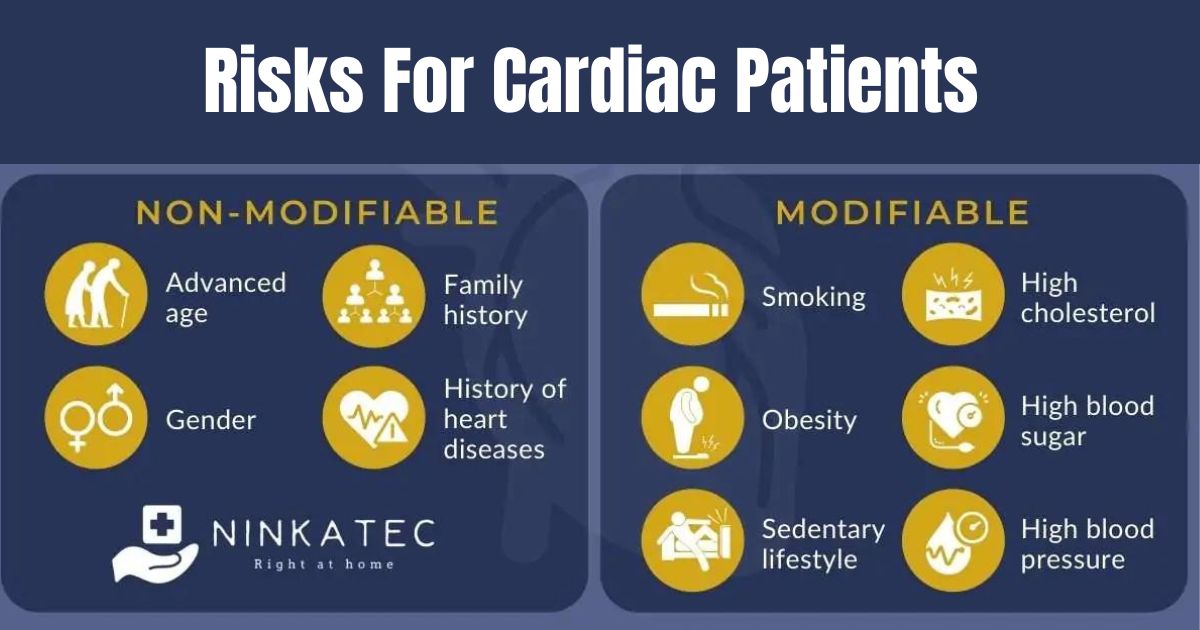
What we eat affects heart health. A poor diet can lead to high cholesterol, pressure, and sugar levels. These can damage your heart and vessels. A balanced diet keeps your heart healthy.
Nutrition for the heart includes:
- Variety of fruits and vegetables
- Whole grains
- Lean proteins like fish and beans
- Limited sugars, sodium, and trans fats
Knowing the dietary impact is crucial in managing heart disease risk. Key nutrients and food choices can promote a healthy heart or put it at risk.
Top 4 Offers Get Right Now. Fat Burning Kitchen, 101 Anti-Aging Foods, TruthAboutAbs etc
Keto And Cardiovascular Health
An ongoing debate surrounds the keto diet’s impact on heart health. Emphasizing high-fat and low-carbohydrate intake, the keto diet prompts the body to enter a state of ketosis. Here, we’ll explore how this might affect those with heart disease.
Potential Benefits For Heart Disease
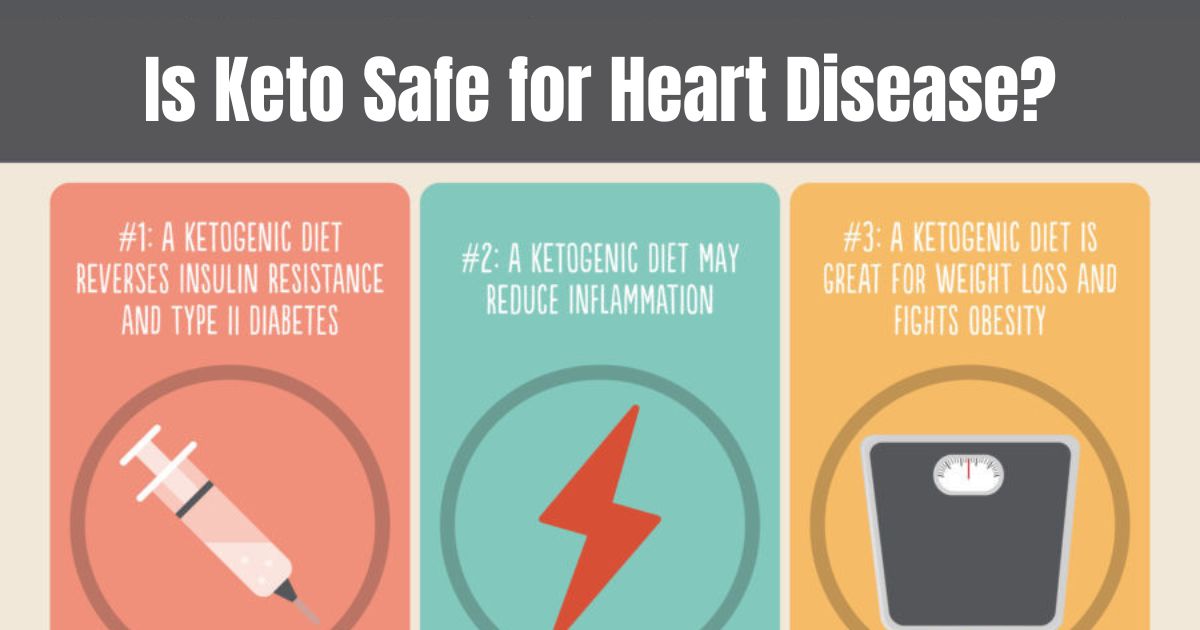
- May Reduce Inflammation: Keto diets can reduce inflammation, a risk factor for heart disease.
- Lowers Triglycerides: A drop in triglycerides is often noted, potentially benefitting heart health.
- Improves HDL Cholesterol: Enhanced levels of ‘good’ cholesterol are possible, contributing to better heart health.
- Weight Loss: Keto may aid in losing weight, thus lowering cardiac disease risk.
Risks And Concerns For Cardiac Patients
| Risk Factor | Concern |
|---|---|
| Saturated Fat Intake: | This could lead to higher LDL, or ‘bad’ cholesterol levels. |
| Nutrient Deficiency: | Lack of dietary fiber and vitamins from fruits and vegetables can affect heart health. |
| Long-Term Sustainability: | Concerns exist about the diet’s effects over time. |
| Keto Flu: | Transitioning to ketosis can stress the body, including the heart. |
Investigating The Science
When it comes to heart health, choosing the right diet is crucial. The ketogenic diet, or keto, has gained popularity for its weight loss benefits, but questions remain about its safety for those with heart disease. This section dives into the scientific evidence guiding the current understanding of the matter.
Research On Keto And Heart Function
Scientific studies play a vital role in uncovering the impact of keto on heart health.
| Study | Findings |
|---|---|
| 2020 Journal of the American College of Cardiology | Low-carb diets are linked to increased atherosclerosis risk. |
| 2019 Nutrients Journal | Keto showed improved cardiac output in non-human subjects. |
| 2018 “The Lancet” | High-fat diets are associated with lower overall mortality compared to high-carb diets. |
These contrasting results reflect the necessity for deeper investigation and personalized approaches to diet in individuals with heart concerns.
Expert Opinions On Ketogenic Diets
- Cardiologists caution against high saturated fat intake on keto.
- Dietitians advocate for a balanced keto approach, incorporating plant-based fats.
- Researchers emphasize the need for long-term studies on keto by heart disease patients.
The American Heart Association has not endorsed keto for heart disease patients, advocating for well-rounded diets instead.
Expert consensus urges careful consideration, suggesting that individuals consult healthcare professionals before starting keto.
Patient Success Stories And Cautionary Tales
Exploring the keto diet brings up countless tales. People with heart disease wonder if keto is safe. This section shares real stories and warnings from those who tried keto with heart conditions.
Real-life Experiences With Keto And Heart Disease
Let’s dive into stories of individuals who embarked on keto despite heart concerns. These narratives are insightful for those weighing the pros and cons.
- John’s Triumph: John, with a history of hypertension, adopted keto. Over the months, his blood pressure improved. Doctors monitored his heart function, which remained stable.
- Emily’s Story: Emily faced high cholesterol. Keto helped her reduce bad cholesterol and increase good cholesterol. She attributes her success to strict diet adherence and medical supervision.
- Paul’s Mixed Results: Paul reported initial weight loss. Yet, he struggled with increased heart palpitations. His experience underscores the need for personalization in diet plans.
These snapshots reveal keto’s potential and the importance of individual responses. Consulting health professionals and frequent check-ups are key takeaways.
Analyzing Failures And Reversals
Not all keto journeys with heart disease are smooth or successful. Some stories provide important lessons.
- Linda’s Reversal: Linda started keto with enthusiasm. Yet, she faced increased chest discomfort after two months. Her doctors advised reverting to a balanced diet to alleviate symptoms.
- Kevin’s Struggle: Despite losing weight, Kevin’s heart tests showed no improvement. His cardiologist recommended a diet more rich in fruits and whole grains.
- Rachel’s Cautionary Tale: Rachel encountered dietary-induced arrhythmias. Her case illustrates that keto might escalate pre-existing heart issues for some.
These accounts highlight the unpredictable nature of keto for heart patients. Close monitoring and a dynamic approach to dieting are essential to mitigate risks.
Wellness Bakeries Limited Offers Keto and Paleo-Friendly Baking Mixes That are perfect for your health-conscious reader list! Get The Offers Right Now!!
Drawing Conclusions For Heart Patients
The ketogenic diet, high in fats and low in carbohydrates, raises concerns among heart patients. Heart disease demands careful consideration of diet. Understanding whether keto fits within heart-healthy parameters requires thorough examination.
Guidelines For Heart-safe Ketogenic Eating
Embracing keto when living with heart disease involves critical guidelines. Begin by selecting the right fats. Opt for:
- Monounsaturated fats: like avocados, nuts, and olive oil.
- Polyunsaturated fats: found in fatty fish and flaxseeds.
Avoid trans fats and limit saturated fats. These are often found in:
- Processed foods
- Red meat
- Full-fat dairy products
Ensure ample fiber intake from:
- Non-starchy vegetables
- Nuts and seeds
Monitor cholesterol levels frequently. Balance protein intake and hydrate well. Consulting a healthcare provider is critical before beginning a ketogenic diet.
Alternative Dietary Approaches
Heart patients may explore other diets if keto seems risky. The Mediterranean diet is heart-friendly, rich in:
- Vegetables
- Fruits
- Whole grains
- Lean proteins
It emphasizes:
- Fish
- Olive oil
Another approach is the DASH diet, designed to combat hypertension, also heart-healthy.
| Element | Mediterranean | DASH |
|---|---|---|
| Sodium | Low | Very Low |
| Whole Grains | High | High |
| Red Meat | Low | Limit |
These diets also encourage regular physical activity, critical for heart health.
1 Month Vegan Challenge 2.0
Revised and Updated for 2024!! The 1 Month Vegan Challenge Is On Fire Right Now!! – Includes Vegan Recipes, 28 Day Meal Plan & Bonus Ebook. Don’t Miss the Offers!!
Frequently Asked Questions For Is Keto Safe For People With Heart Disease
Is The Keto Diet Heart-Friendly?
The keto diet can be heart-friendly when done correctly. It emphasizes healthy fats and lean proteins, which can improve cholesterol and blood pressure. However, high saturated fat intake can be risky for heart health. Consult a doctor before starting.
Can Keto Worsen Heart Disease?
In some cases, a keto diet might worsen heart disease. The high fat intake, if not managed well with healthy fat sources, can lead to increased cholesterol levels. Always monitor your heart health with medical guidance on this diet.
What Are Keto Diet Heart Risks?
The keto diet’s heart risks include elevated LDL (bad) cholesterol and potential nutrient deficiencies. Over-consumption of unhealthy fats can strain heart health. It’s essential to balance the diet with nutrient-rich, low-carb vegetables and omega-3 fats.
How Does Keto Affect Blood Pressure?
Keto can affect blood pressure by potentially lowering it, due to weight loss and reduced water retention. However, individuals with existing blood pressure issues should approach the diet cautiously and under medical supervision.
Conclusion
Navigating the keto diet requires careful consideration for those with heart concerns. Consult with healthcare professionals to tailor it to individual health needs. Making informed choices ensures safety and promotes well-being. Embrace a balanced approach to dietary changes and prioritize heart health.
Stay knowledgeable, stay safe.