To optimize your keto diet, focus on high-fat, low-carb foods. Support comes from meal planning and monitoring macronutrients.
Embarking on a keto diet can seem overwhelming at first, with its emphasis on drastically reducing carbohydrate intake in favor of healthy fats. Your success hinges on choosing the right combination of foods to enter ketosis, the metabolic state where your body burns fat for energy.
To ensure you’re on the right track, maintaining a balance of macronutrients—fats, proteins, and a few carbohydrates—is crucial. Tools like meal planning apps and online keto communities can offer guidance and accountability.
Keep in mind, that staying hydrated and supplementing electrolytes are vital, as the keto diet can alter your body’s water and mineral balance. Lastly, embrace a diverse range of nutrient-dense, keto-friendly foods to prevent nutrient deficiencies and diet fatigue.
Keto Diet Demystified
Welcome to “Keto Diet Demystified,” a section dedicated to unveiling the mysteries behind one of the most popular diets today. Navigating the ketogenic diet landscape can be puzzling, but fear not! This guide will simplify the concepts and discuss the potential impacts on health. Whether you’re a keto novice or a fatty acid aficionado, you’ll find clarity here.
The Basics Of Ketosis
Embarking on a ketogenic journey starts with understanding ketosis. It’s a metabolic state where the body switches fuel sources.
- Carbs get the boot: Normally, bodies run on glucose from carbs.
- Fat takes center stage: A low-carb, high-fat intake prompts ketosis.
- Ketones are the stars: Without carbs, the liver turns fat into ketones for energy.
This shift can lead to weight loss and may improve energy levels. The goal is maintaining a balance of macronutrients to sustain ketosis without compromising nutrition.
Related Resource: Don’t Miss it Out. Grab The Offer Now!! Check Out for Top 4 Offers: Fat Burning Kitchen, 101 Anti-Aging Foods, TruthAboutAbs.
Health Benefits And Risks
The ketogenic diet boasts several benefits but also comes with risks worth considering.
| Health Benefits | Risks |
|---|---|
|
|
It’s essential to balance the benefits against potential risks and tailor the diet to individual health needs. Consulting a healthcare provider before starting keto is advisable for a personalized approach.
Prepping Your Kitchen
Starting the keto diet means transforming your kitchen into a hub for healthy, low-carb eating. This change can feel overwhelming. Fear not! A well-prepped kitchen makes sticking to the keto diet simpler and more enjoyable. Let’s dive into how to stock up on essentials and get the right tools to craft delicious keto meals.
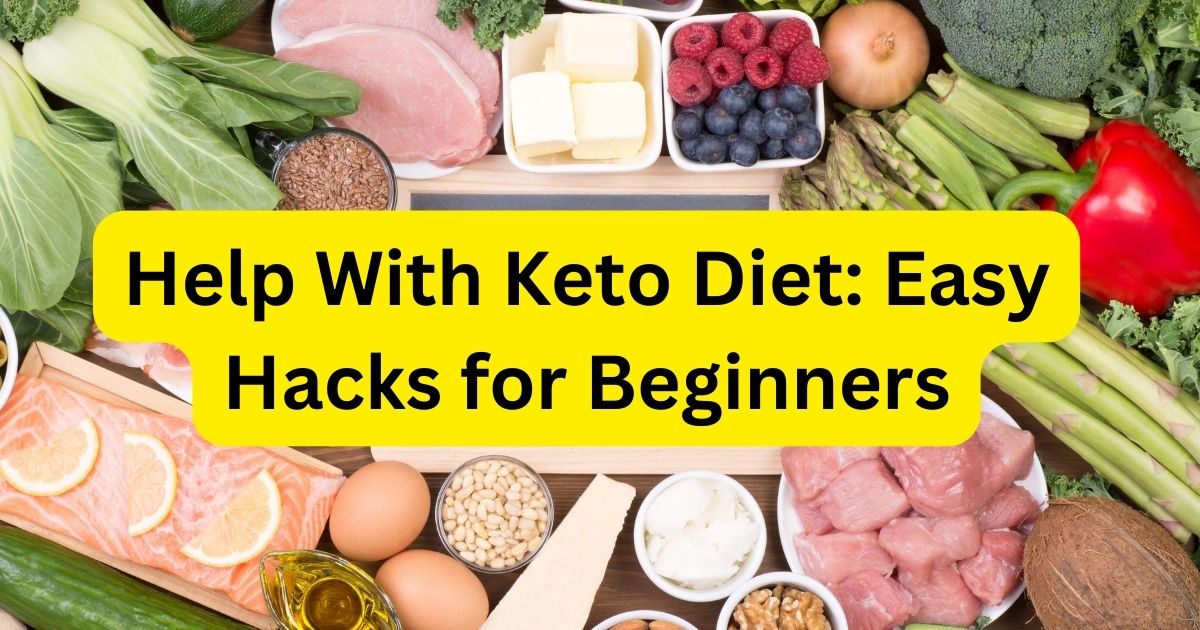
Essential Keto-friendly Groceries
Filling your pantry with keto-friendly items sets the stage for diet success. Here’s a list to help you shop:
- Fats: Coconut oil, olive oil, and grass-fed butter.
- Proteins: Eggs, salmon, and beef are great choices.
- Low-carb veggies: Think spinach, broccoli, and zucchini.
- Dairy: Hard cheeses, cream cheese, and heavy whipping cream.
- Nuts and seeds: Macadamias and chia seeds are nutrient-dense.
- Sweeteners: Stevia or erythritol can sweeten without the carbs.
With these items, you’re well on your way to creating diverse, tasty, keto-friendly dishes.
Tools For Keto Cooking Success
To make meal prep a breeze, equip your kitchen with the right tools:
| Tool | Use |
|---|---|
| Spiralizer | Turns veggies into noodles. |
| Food Scale | Measures portion sizes accurately. |
| Blender | Whip up smoothies and soups. |
| Slow Cooker | Makes tender meats and stews. |
| Air Fryer | Cooks crispy foods without extra oil. |
With these in your kitchen, you’re ready to tackle any keto recipe and enjoy healthy, delicious meals every day.
Simple Meal Planning
Starting a new diet can be tough. You need delicious and easy recipes. You must shop for the right foods. Planning is key. Let’s break down meal planning. Make your keto journey easy and fun!
Building A Keto Meal Plan
A solid keto meal plan focuses on high-fat, low-carb foods. Start with your macronutrient goals. Fat is your friend here. Keep carbs low. Here’s how to build your meal plan:
- Pick your protein: Think meats, fish, and eggs.
- Select fats: Avocados, nuts, and oils are great.
- Choose veggies: Green leafy types are perfect.
- Snacks: Cheese, olives, and dark chocolate work.
Prepping Meals In Advance
Prepping your meals can save time and stress. Cook once and eat all week. Try these tips:
- Plan your meals on the weekend.
- Shop with a list.
- Cook in batches. Store in containers.
- Label your meals for the week.
| Day | Meal | Prep Work |
|---|---|---|
| Monday | Keto casserole | Chop veggies, cook chicken |
| Tuesday | Salmon salad | Grill salmon, mix greens |
Meal prepping means no last-minute choices. Stick to your diet. Save time. Enjoy homemade keto meals.
Recommended: Limited Offers for Keto and Paleo-Friendly Baking Mixes perfect for your health-conscious reader list! Get Right Now!!
Eating Out On Keto
For those committed to the keto lifestyle, dining out can seem daunting. Yet, it’s fully possible to enjoy a meal at a restaurant without breaking your carb limit. Here’s how to confidently navigate menus and make keto-friendly choices while eating out.
Keto Options At Restaurants
Finding keto-friendly foods at restaurants is easier than you think. Start by looking for these options:
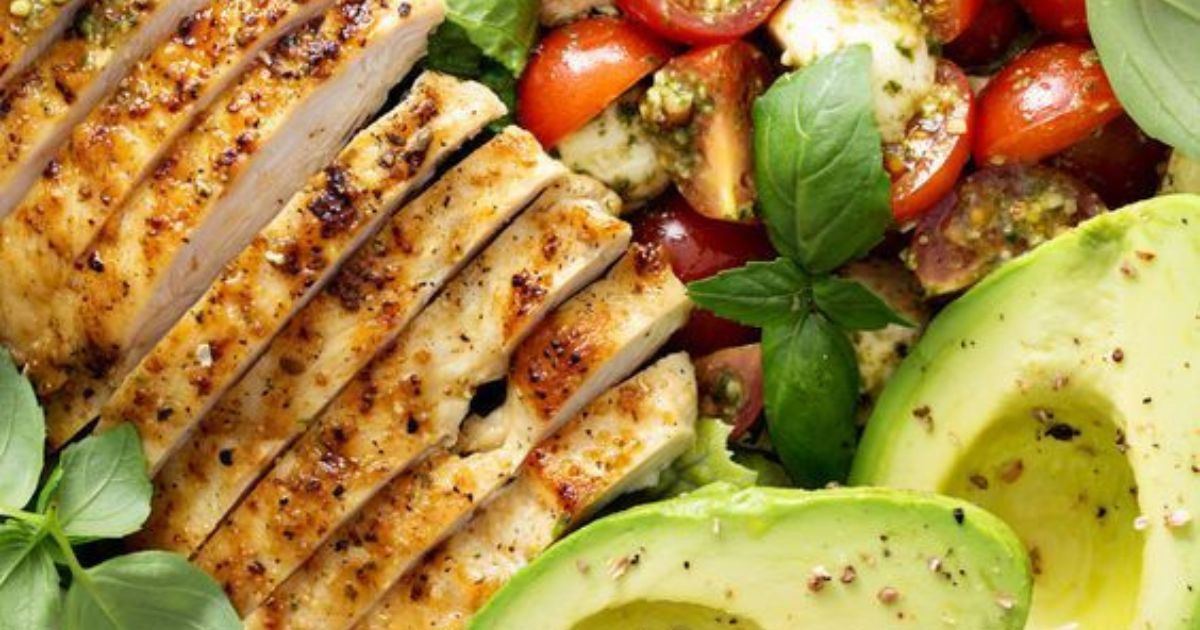
- Grilled meats: Beef, chicken, and seafood are great choices.
- Low-carb vegetables: Opt for greens like spinach, kale, or asparagus.
- Salads: Go for salads with olive oil or vinaigrette dressings.
- Cheese and dairy: Choose dishes with cheese or cream-based sauces.
- Eggs: They are perfect for keto and are widely available.
Remember to ask about cooking methods and dressings to ensure they’re keto-friendly. If in doubt, don’t hesitate to customize your order to fit your dietary needs.
What To Avoid On The Menu
While many tempting dishes are off-limits, avoiding these will keep you on track:
- Bread and grains: Including pasta, rice, and buns.
- Sugary foods: Desserts, fruit juices, and sweet sauces can spike your carbs.
- Starchy vegetables: Like potatoes or corn.
- Fried foods: These often have a breadcrumb coating.
Keep sauces and dressings on the side to control your intake. Watch out for hidden carbs and ask for adjustments where necessary.
Recommended: Check It Out !! Keto Breads & Keto Desserts: Top Converting Health Offers!
Keto Snacking Solutions
Embarking on a Keto diet does not mean you have to give up snacks. Snacking can be quite enjoyable even when maintaining a state of ketosis. This section is dedicated to giving you top-notch keto-snacking solutions that are not only delicious but also quick and easy to prepare. Whether you opt for store-bought convenience or homemade freshness, staying true to your keto goals can be both satisfying and simple.
Quick And Easy Keto Snacks
When hunger pangs strike, quick and easy snack options can save the day. Snacks that require minimal preparation are great, especially when time is tight. Below is a list of easy keto snacks that will keep you on track:
- Olives & Cheese: A perfect pair that packs a punch of fat and flavour.
- Boiled Eggs: High in protein and easy to prepare in advance.
- Nuts & Seeds: A handful offers a quick energy boost.
- Avocado Slices: Rich in healthy fats and incredibly satisfying.
- Cold Cut Roll-Ups: Just roll meats and cheeses together for a filling bite.
- Keto Bars: Commercially produced bars that are low in carbs, ready to eat.
Store-bought Vs. Homemade
When choosing between store-bought and homemade keto snacks, consider both convenience and nutritional value. Here’s a breakdown to help you decide:
| Store-Bought | Homemade |
|---|---|
| Convenient and ready-to-eat | Full control over ingredients |
| May contain additives | Free from preservatives |
| Often higher in cost | More cost-effective |
| Fixed portion sizes | Customizable portions |
| Limited by store stock | No limits to creativity |
Whether you reach for a commercial keto snack or whip up a batch of homemade keto treats, consider what fits best with your lifestyle and preferences. Snacking on keto doesn’t have to be a challenge; it can be a delicious and effortless part of your diet.
Dealing With Keto Flu
The transition to a ketogenic diet can be smooth for some, but others might experience the keto flu. This is a group of symptoms that can occur when your body switches from burning glucose to burning fat. It’s temporary and manageable. Let’s dive into the symptoms and how to handle them.
Symptoms And Remedies
- Fatigue: Your body needs time to adapt to using ketones for energy.
- Headaches: These can come from dehydration or electrolyte imbalances.
- Nausea and upset stomach: Your digestive system may need time to adjust.
- Dizziness and irritability: These symptoms can also be due to a lack of electrolytes.
- Muscle cramps: Inadequate hydration may cause this issue.
To combat these symptoms:
- Rest more.
- Sip on bone broth or add more salt to your meals for sodium.
- Try magnesium supplements.
- Eat foods high in potassium, like avocados and leafy greens.
Staying Hydrated And Electrolyte Balance
Keeping your body full of fluids and balanced with electrolytes is crucial. Without enough water and electrolytes, your body can’t function at its best. Staying hydrated helps in reducing keto flu symptoms. Here’s a simple guide to follow:
| Fluids | Electrolytes |
|---|---|
| Drink at least 8 cups of water daily | Include a pinch of Himalayan salt in your water |
| Consume clear broth | Eat foods rich in minerals like nuts and seeds |
Eating the right foods is key to maintaining electrolyte balance. Munch on cucumbers, bell peppers, and celery. These are filled with water and are keto-friendly too. Remember, managing these two aspects can make your transition to keto a lot smoother and get you back to feeling great.
Tracking Your Progress
Embarking on a keto diet demands precise tracking to ensure your body thrives. Effective tracking helps pivot strategies for sustained success. Dive into the nuances of Monitoring Ketosis and Adjustments for Continued Success to optimize your keto journey.
Monitoring Ketosis
Understanding whether you’re in ketosis is pivotal. Regular checks offer insights into your body’s state. Utilize tools like:
- Keto strips: Simple, cost-effective urine tests
- Blood ketone meters: For more precise measurements
- Breath analyzers: Non-invasive and reusable
Consistent monitoring aligns dietary choices with ketosis goals. Keep a daily record in a table format:
Add more rows as needed| Date | Ketone Levels | Dietary Intake | Adjustments Made |
|---|---|---|---|
| 03/01 | 1.5 mmol/L | 20g carbs | None |
| 03/02 | 0.9 mmol/L | 25g carbs | Reduced carbs to 18g |
Adjustments For Continued Success
Your body adapts over time; so should your keto approach. Observe trends and tweak your plan with:
- Macronutrient ratios: Tailor your fat, protein, and carb intake for balance
- Caloric changes: Adjust total calories based on activity levels and weight goals
- Meal timing: Experiment with intermittent fasting for enhanced results
Listening to your body is crucial. Make changes gradually and note how your body reacts.
Staying Motivated
Embarking on a keto journey requires more than just a meal plan; it’s a lifestyle shift that requires commitment and endurance. The journey may be challenging, yet it’s the fire of motivation that keeps the flames burning towards your goals. Kick the obstacles to the curb and find your stride with some nifty tricks under your belt.
Setting Achievable Goals
The secret sauce to sustained motivation is setting goals that don’t stretch you thin. Let’s dial it back to the basics:
- Start small – embark on easily manageable tasks.
- Keep it real – tailor your goals to fit your lifestyle, making them genuine and attainable.
- Track your progress – nothing beats the thrill of ticking off milestones.
Simple targets act as stepping stones, leading to more significant achievements. Encountering success early on forges a pathway to enduring the lifestyle change.
Finding A Supportive Community
Transformation is simpler with pals who’ve got your back. The benefits of a supportive keto community include:
| Benefit | How It Helps |
|---|---|
| Shared experiences | Feeling part of a journey, not just a lone wolf. |
| Recipe swaps | Keeping meals fresh and exciting. |
| Encouragement | A cheer squad for each milestone. |
| Advice | Real-world tips to navigate hurdles. |
Join local groups, online forums, or social media platforms; share, learn, and grow together. A bond over shared goals spurs triumph, cushioning the fall on hard days and celebrating the wins on good ones.
Frequently Asked Questions Of Help With Keto Diet
What Is A Keto Diet?
A Keto Diet is a low-carb, high-fat diet designed to induce ketosis, a metabolic state where the body burns fat for energy instead of carbs. It often includes meats, fish, nuts, and non-starchy vegetables.
How To Start A Keto Diet Plan?
To start a Keto Diet, reduce your carb intake to about 20-50 grams per day, focusing on fats and proteins. Eliminate sugar and starchy foods like bread and pasta, and plan meals around meat, fish, and green vegetables.
Can Keto Diet Aid In Weight Loss?
Yes, the Keto Diet can contribute to weight loss by putting your body in a state of ketosis, which burns fat for energy. It’s effective when combined with a calorie deficit and regular exercise.
What Foods To Avoid On Keto?
On Keto, avoid sugary foods, grains, starchy vegetables, and high-carb fruits. This includes bread, pasta, rice, potatoes, and anything with added sugar.
Conclusion
Embarking on a keto journey requires dedication and the right guidance. We’ve aimed to provide that assistance through this post. Remember, your success hinges on sticking to the plan and being mindful of your body’s responses. Reach out for support if needed, and embrace the transformative power of a well-executed ketogenic diet.
Stay persistent, and the results will follow.