The best material for a non-stick frying pan is high-quality PTFE (modern Teflon) on an aluminum body for balance of release and durability.
I’ve tested pans in home kitchens and pro settings for years, so I know what makes a great non-stick pan. This guide explains which material is truly the best material for a non-stick frying pan, why it works, safety and longevity trade-offs, and how to pick and care for the right pan for your cooking. Read on for clear, practical help so you can buy and use the right non-stick pan with confidence.
Source: consumerreports.org
How non-stick coatings work and why material matters
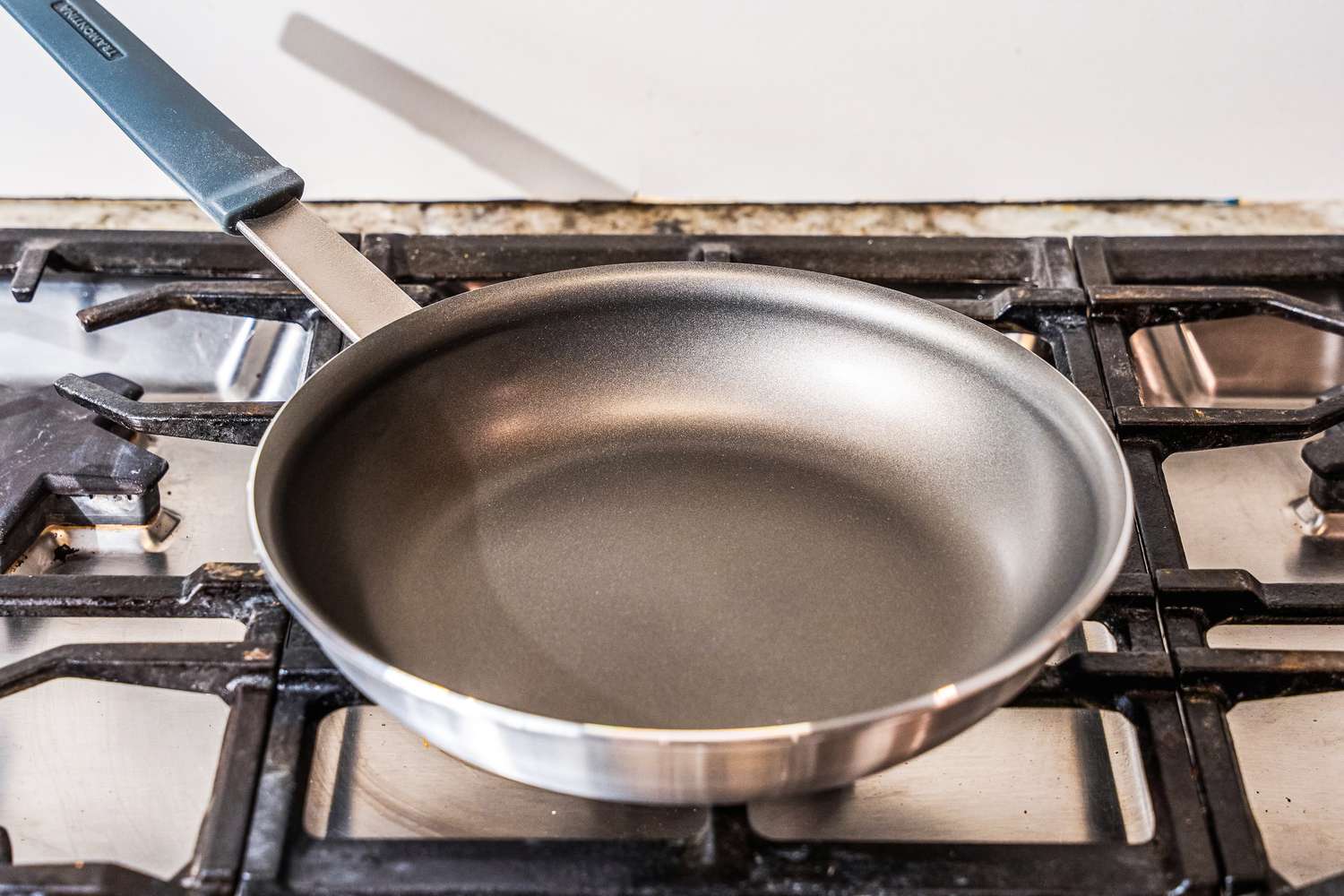
Non-stick pans rely on a coating that stops food from sticking. The coating sits on a metal base. The two most common coating families are PTFE-based and ceramic-based. The metal base gives strength, heat transfer, and warp resistance.
Choosing the best material for a non-stick frying pan means weighing release, heat tolerance, durability, and safety. Aluminum transfers heat fast and pairs well with most coatings. Stainless steel is strong but needs a very good coating to deliver release. The pan’s life and how it cooks come from both the coating and the body.
Source: seriouseats.com
Common materials and a clear comparison
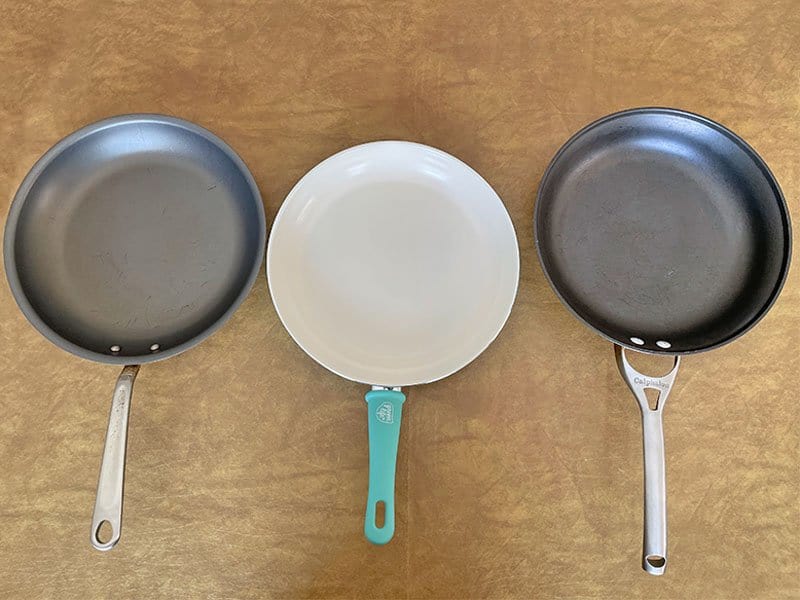
Below I compare popular materials so you can decide which is the best material for a non-stick frying pan for your needs.
- PTFE coating on aluminum body
- Pros: Superb release, easy cleanup, low cooking fat needed, affordable.
- Cons: Can degrade at very high heat; metal tools and abrasive cleaners shorten life.
- Best for: Low to medium heat cooking, eggs, pancakes, delicate fish.
- Ceramic-coated aluminum
- Pros: Good initial release, marketed as “PTFE-free,” higher heat tolerance than older PTFE in some cases.
- Cons: Release declines faster over months; can be fragile and prone to chipping.
- Best for: High-heat searing briefly and healthier marketing appeal.
- Hard-anodized aluminum with non-stick coating
- Pros: Strong, scratch-resistant base that resists warping; often paired with PTFE for long life.
- Cons: Pricier than basic aluminum; still needs gentle tools.
- Best for: Daily use where durability and heat control matter.
- Cast iron with seasoned surface or enamel
- Pros: Long-lasting, great for browning and high heat, seasoning can give non-stick-like behavior.
- Cons: Heavy, needs maintenance; not truly “non-stick” like PTFE; enamel can chip.
- Best for: High-heat cooking and people who prefer natural surfaces.
- Stainless steel with non-stick coating
- Pros: Durable base, good for look and oven use.
- Cons: Less heat transfer than aluminum; relies heavily on coating quality.
- Best for: Those who want stainless benefits with a non-stick layer.
After testing and reviews, the combination that most often wins for the average cook is PTFE on an aluminum body. For many cooks, that combo offers the best balance of non-stick performance, heat control, and price. That’s why I recommend it when asking what is the best material for a non-stick frying pan.
src=”https://www.cookwareapp.com/wp-content/uploads/2026/04/1_what-is-the-best-material-for-a-non-stick-frying-pan.jpg”
alt=”Safety, temperature limits, and real risks”
style=”max-width: 100%; height: auto; border: 2px solid black; border-radius: 10px; display: block; margin: 0 auto;”
loading=”lazy”
/>
Source: madeincookware.com
Safety, temperature limits, and real risks
Safety is a top concern. Here’s what you need to know in plain terms.
- PTFE safety and heat
- PTFE is stable under normal cooking temperatures. Problems arise above roughly 500°F (260°C). Most kitchen tasks use lower heat.
- Avoid heating an empty PTFE pan on high heat. That reduces risk and extends pan life.
- Ceramic safety
- Ceramic coatings are inert and generally safe at higher temps. Coating durability varies by brand.
- Some cheaper ceramic pans degrade faster and lose release.
- Metal exposure and leaching
- High-quality aluminum is usually anodized or clad, so it won’t leach. Cast iron naturally adds iron to food.
- If you have metal sensitivity, choose stainless steel or fully enameled surfaces.
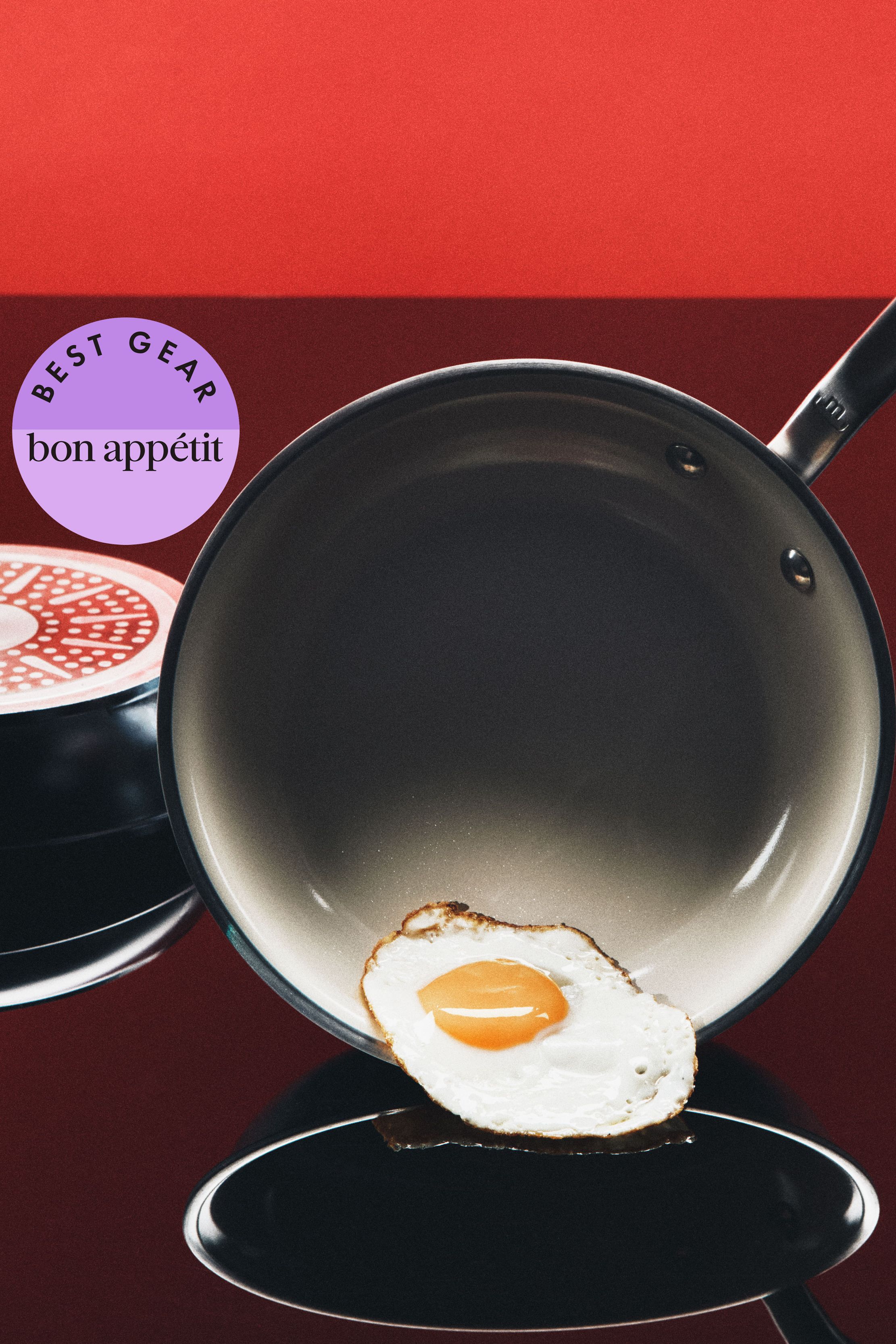
I’ve seen pans fail after repeated high-heat use. The safe habit is to cook at medium heat and avoid leaving an empty pan on the stove. That keeps the pan working and keeps your kitchen safe.
Source: bonappetit.com
Durability and performance: what to expect over time
A pan can look great on day one and still fail after months. Here’s what affects how long it lasts.
- Coating layers
- More layers usually mean longer life. Look for 3–7 layer PTFE systems in mid- to high-end pans.
- Body strength
- Hard-anodized aluminum resists dents and warping. Thin aluminum warps faster.
- Handle attachment
- Riveted stainless handles last longer than cheap welded or glued handles.
- Care habits
- Using wooden or silicone tools and avoiding the dishwasher can double a pan’s life.
Based on long-term use, the best material for a non-stick frying pan combines a robust metal base (hard-anodized or thick-gauge aluminum) with a modern PTFE multi-layer coating. That pairing delivers lasting release and steady heat.
Source: foodandwine.com
Cooking performance: which material cooks best and why
Different cooks demand different things. Here’s how common materials perform.
- Eggs, pancakes, delicate fish
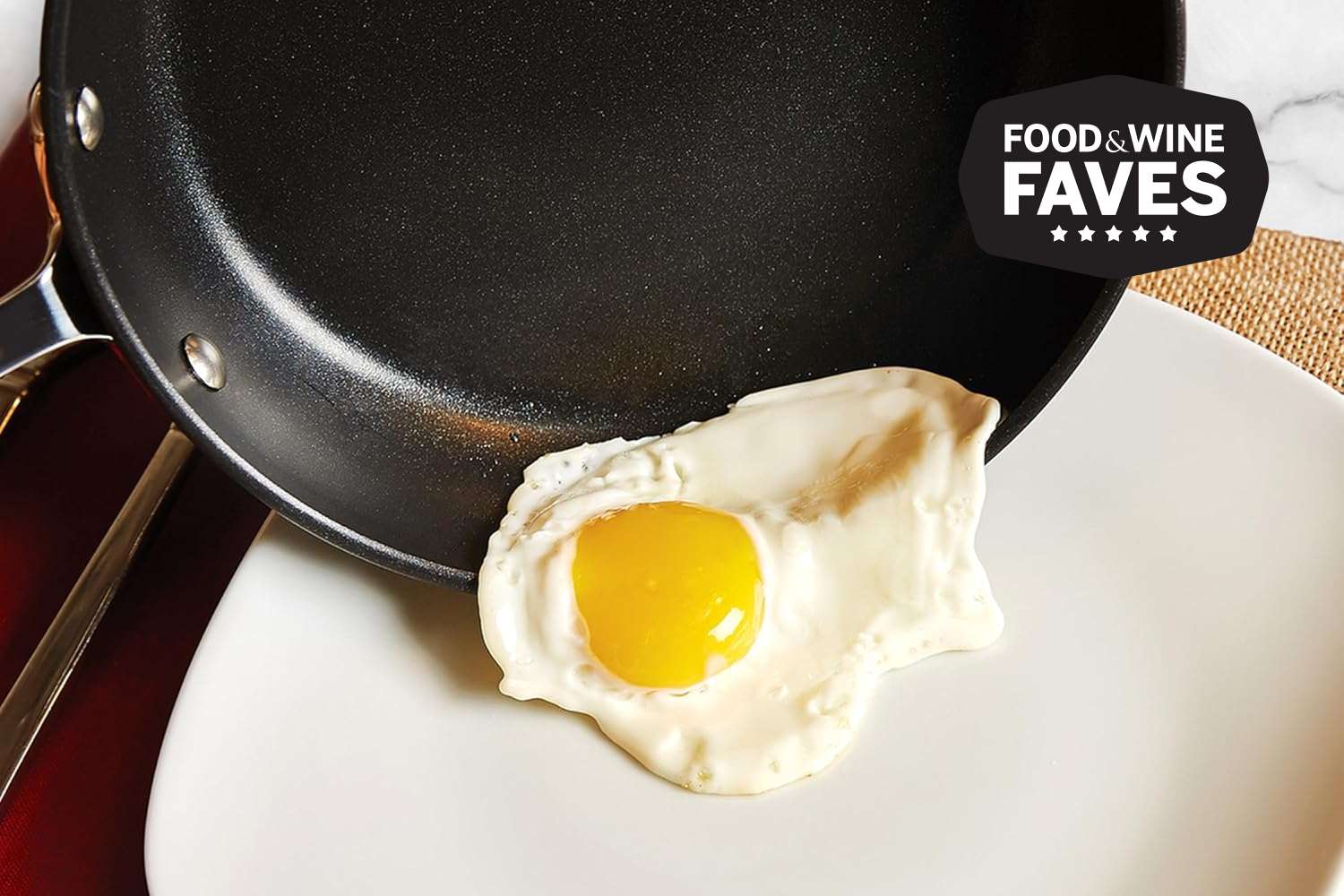
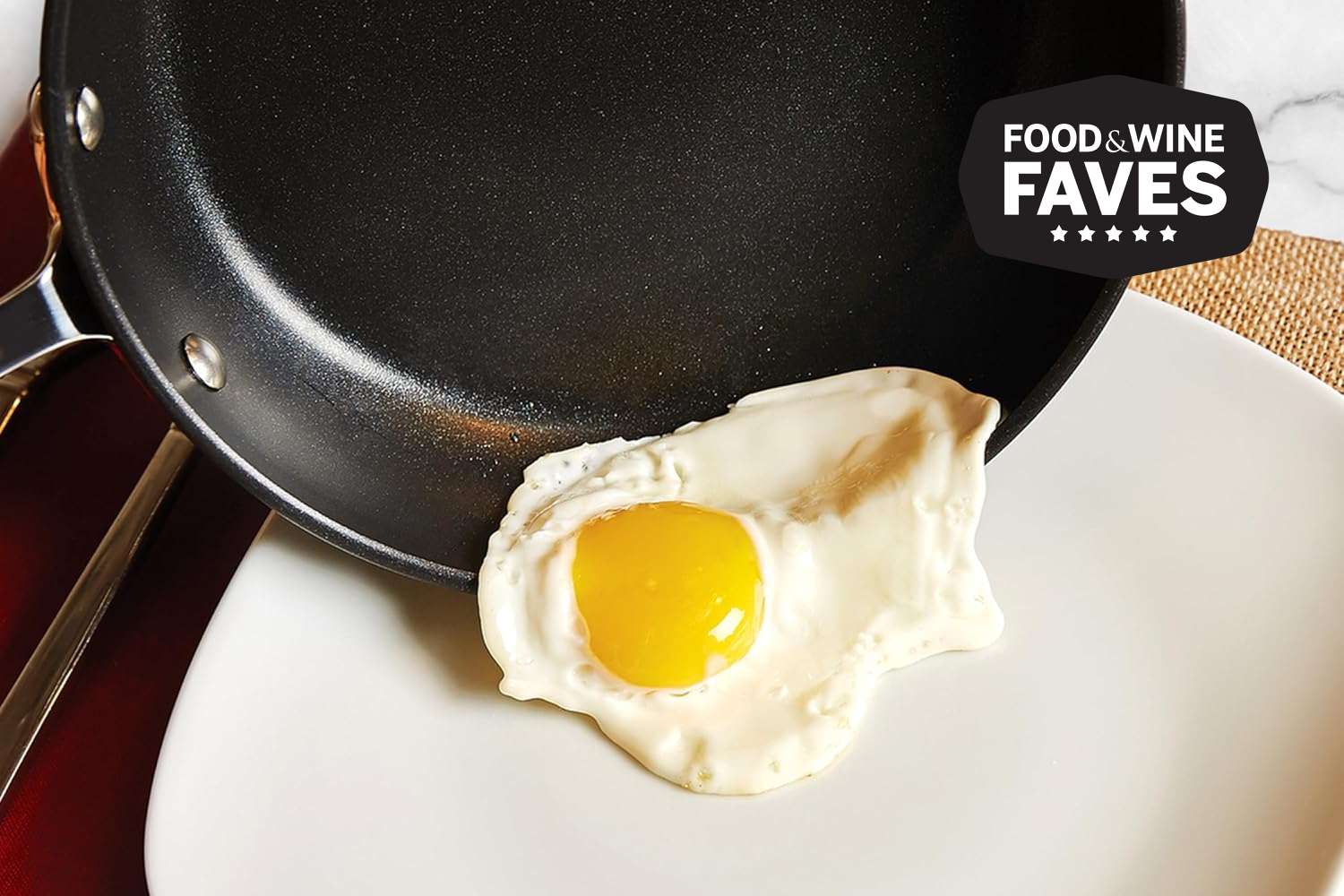
- Best: PTFE-coated aluminum. Quick release and no sticking.
- Browning and searing
- Best: Cast iron or stainless steel. They develop better crusts. Some hard-anodized pans work well for balanced browning.
- High-heat stir-fry
- Best: Thick stainless or iron. Ceramic can handle heat but loses slickness faster.
- Oven use
- Best: Look for pans labeled oven-safe. Hard-anodized and stainless bases with secure handles are best.
In real kitchens I use a PTFE-coated, hard-anodized pan for daily quick tasks. I switch to cast iron when I want a deep sear. That mix gives me speed and flavor. If you ask what is the best material for a non-stick frying pan for everyday breakfast and quick meals, PTFE on aluminum usually wins.
Source: prudentreviews.com
Buying guide: features to look for
When shopping, use this checklist. It helps you find the best material for a non-stick frying pan without getting lost in brand hype.
- Base and body
- Prefer hard-anodized or thick-gauge aluminum for even heat.
- Coating type and layers
- Look for modern PTFE with multiple layers or high-quality ceramic from top manufacturers.
- Handle and rivets
- Solid, riveted stainless handles are better than glued ones.
- Oven and induction compatibility
- Check the max oven temp and whether the pan works on induction.
- Warranty and testing
- Longer warranties often mean better build quality.
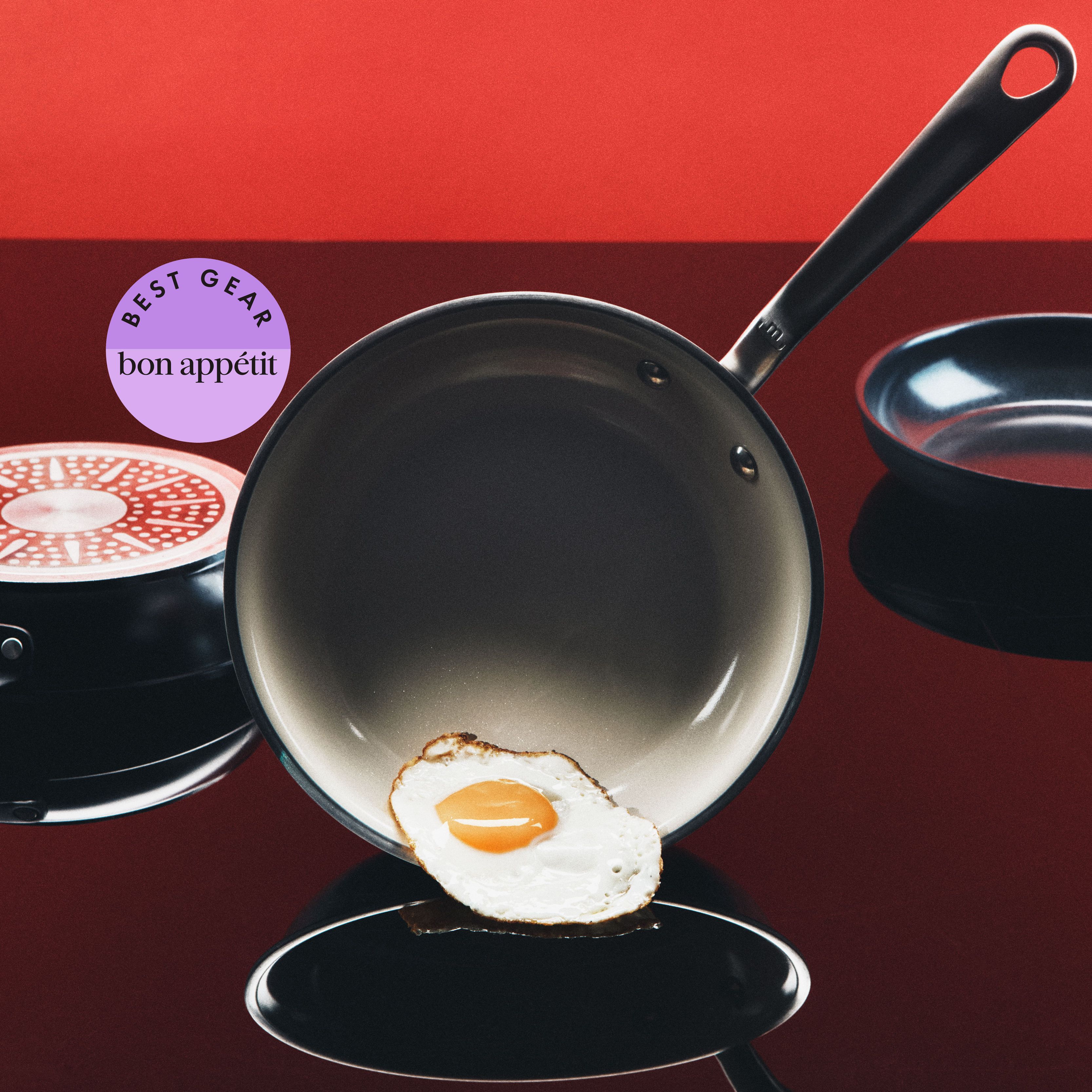
I once bought a cheap ceramic pan that looked great but lost release in three months. Now I prioritize build and coating specs over flashy marketing. That saved me time and money.
Source: bonappetit.com
Care and maintenance for longest life
Simple habits keep your pan working well.
- Season new pans lightly with oil before first use.
- Use low to medium heat for PTFE pans.
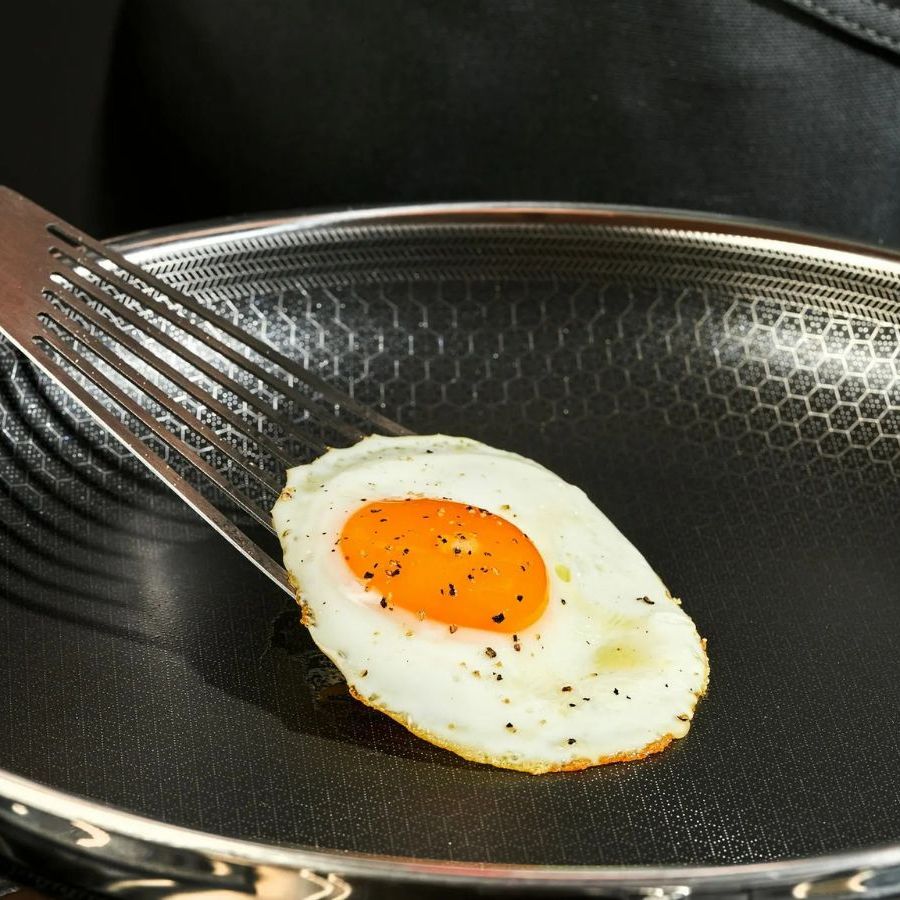
- Avoid metal utensils; choose wood, silicone, or nylon.
- Hand wash with a soft sponge and mild soap.
- Avoid thermal shock: let hot pans cool before rinsing.
- Replace pans when coating shows deep scratches or flaking.
Following these steps will extend the life of whichever material you choose and keep food tasting great.
Source: homesandgardens.com
PAA-style questions (quick answers)
What is the safest non-stick coating?
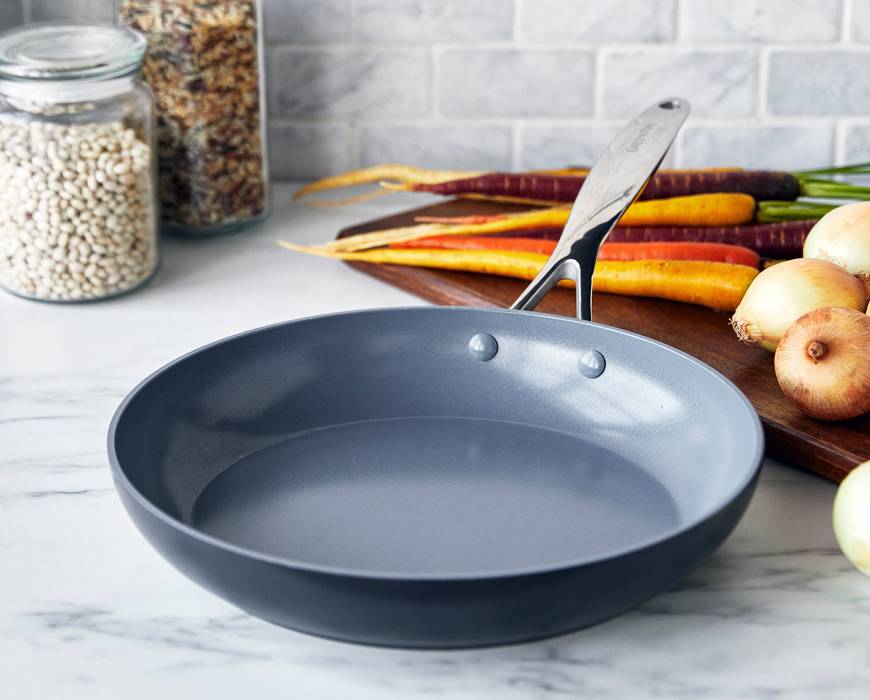
Ceramic and modern PTFE both have strong safety records at normal cooking temperatures. Ceramic avoids PTFE chemicals, but longevity varies by brand.
How long should a non-stick pan last?
A quality non-stick pan should last 3 to 7 years with normal care. Higher-end PTFE systems and hard-anodized bodies last longer.
Can I use metal utensils on non-stick pans?
Avoid metal on most non-stick surfaces. Metal tools can scratch the coating and shorten the pan’s life.
Is ceramic better than PTFE?
Ceramic can handle higher heat and appeals to some cooks, but PTFE typically offers better and longer-lasting release for everyday low-to-medium heat cooking.
Should I buy a non-stick pan with a warranty?
Yes. A clear warranty often means the maker stands behind materials and build quality. Look for at least a one-year warranty.
Source: greenpan.us
Frequently Asked Questions about What is the best material for a non-stick frying pan?
What is the most common non-stick material?
The most common non-stick coating is PTFE applied over an aluminum base because it gives excellent release and is affordable.
Are ceramic pans truly non-stick?
Ceramic pans offer non-stick properties at first, but their slickness tends to fade faster than high-quality PTFE coatings.
Can non-stick pans be used in the oven?
Many non-stick pans are oven-safe up to a listed temperature. Check the manufacturer’s oven-safe rating before use.
How can I tell when to replace a non-stick pan?
Replace a pan when the coating peels, flakes, or shows deep scratches. These signs mean it no longer cooks safely or evenly.
Do non-stick pans release toxins during normal use?
High-quality non-stick pans used at normal cooking temperatures do not release harmful toxins. Problems occur if pans are overheated well beyond normal stove temperatures.
Are expensive non-stick pans worth it?
Higher-priced pans often use better coatings, stronger bases, and better handles. They typically last longer and perform better, which can be worth the upfront cost.
Final thoughts
Choosing the best material for a non-stick frying pan depends on how you cook. For most people, a PTFE-based coating on a hard-anodized or thick aluminum body offers the best mix of release, durability, and value. If you cook at very high heat or want a natural surface, cast iron or stainless steel are strong choices. Use the buying and care tips above to pick a pan that fits your kitchen and habits.
Try one well-built PTFE pan for everyday quick-cook tasks and keep a cast iron or stainless pan for heavy searing. Test them at home and pick the one that makes cooking easier and more fun. If you found this guide useful, leave a comment with your cooking style or subscribe for more practical kitchen gear advice.