The ketogenic diet helps manage epilepsy by reducing seizure frequency. It is a high-fat, low-carbohydrate diet that alters the body’s energy usage.
The ketogenic diet, or ‘keto’ for short, has gained traction as an alternative therapy for epilepsy, particularly in individuals who have not responded to traditional medication. By significantly reducing carbohydrate intake and replacing it with fat, this dietary approach induces a metabolic state known as ketosis.
In ketosis, the body burns fat for fuel instead of glucose, leading to an array of biochemical changes that are believed to help decrease the number of seizures in people with epilepsy. Although the exact mechanisms are still being studied, the diet’s effectiveness has been documented in various clinical studies, making it a viable option for epilepsy management alongside professional medical guidance. It’s essential for individuals considering the ketogenic diet for epilepsy to consult with a healthcare provider to ensure it is safe and appropriate for their specific needs.

The Ketogenic Connection
Unearthing the remarkable link between a specialized diet and epilepsy management takes us deep into the realm of the Ketogenic Connection. This dietary approach isn’t just about weight loss; it’s a potential lifeline for those battling frequent seizures.
Roots Of Ketogenic Therapy In Epilepsy
The roots of ketogenic therapy in epilepsy are both deep and fascinating. Developed in the 1920s, ketosis was observed to mimic the effects of fasting, which ancient Greeks had noted could reduce seizures. Back then, fasting was not a sustainable solution, but the ketogenic diet offered an alternative, providing a controlled way to maintain the beneficial state of ketosis over the long term. Here’s an at-a-glance history:
| Year | Milestone |
|---|---|
| 1920s | Discovery of the ketogenic diet’s effects on epilepsy |
| 1930s | Initial popularity and therapeutic use in seizures |
| Late 20th Century | Re-emergence of interest due to medication-resistant cases |
How The Keto Diet Alters Brain Chemistry
Delving into how the keto diet alters brain chemistry unveils a significant shift in energy usage. Normally, the brain relies on glucose for fuel. On a ketogenic diet, the lack of carbohydrates switches the energy source to fats, producing ketone bodies. The brain starts using these ketones as its primary energy source. This switch does incredible things:
- Enhances brain energy levels by providing a more efficient energy source
- Stabilizes brain function, potentially reducing erratic electrical activity
- Modulates neurotransmitter release, balancing excitatory and inhibitory signals
Studies show a correlation between ketone production and a decreased frequency of seizures in many individuals. This foundational shift in brain chemistry underpins the therapeutic application of the keto diet in epilepsy management.
Customizing Keto For Seizure Management
Customizing the Keto Diet for Seizure Management is a strategy gaining attention among those seeking alternative therapies for epilepsy. A tailored approach to the ketogenic diet may optimize seizure control while minimizing side effects. This personalization ensures the diet meets individual nutritional needs and lifestyle demands while being effective for seizure management.
Determining The Right Fat-protein-carb Ratios
The classical ketogenic diet involves a high fat, moderate protein, and low carbohydrate intake. Finding the perfect balance can be tricky. It usually starts with ratios such as 4:1 or 3:1, where the numbers reflect grams of fat to combined grams of protein and carbs. Here are steps to get it right:
- Start with Guidelines: Begin with the standard keto ratios under supervision.
- Monitor and Adjust: Track seizure activity and adjust macros as needed.
- Consult a Dietitian: They can tailor the ratios specifically for you.
Check Out for Top 4 Offers: Fat Burning Kitchen, 101 Anti-Aging Foods, TruthAboutAbs etc
Micronutrient Considerations And Supplements
Keeping up with micronutrients is crucial on a keto diet, especially for epilepsy. The focus is on high-fat foods, but vitamins and minerals from varied food sources also matter. Let’s see how to manage this:
- Vitamins and Minerals: Ensure intake of leafy greens, nuts, and seeds.
- Supplementation: Consider supplements like magnesium, omega-3s, and MCT oil.
- Regular Blood Tests: Check nutrient levels to avoid deficiencies.
Always remember: Customizing keto means working with healthcare professionals to tailor the diet to individual needs.
Real-life Success Stories
Real-life Success Stories shine a light on the remarkable impact the keto diet can have on epilepsy management. These tales inspire and offer hope to those seeking alternatives to traditional treatment methods.
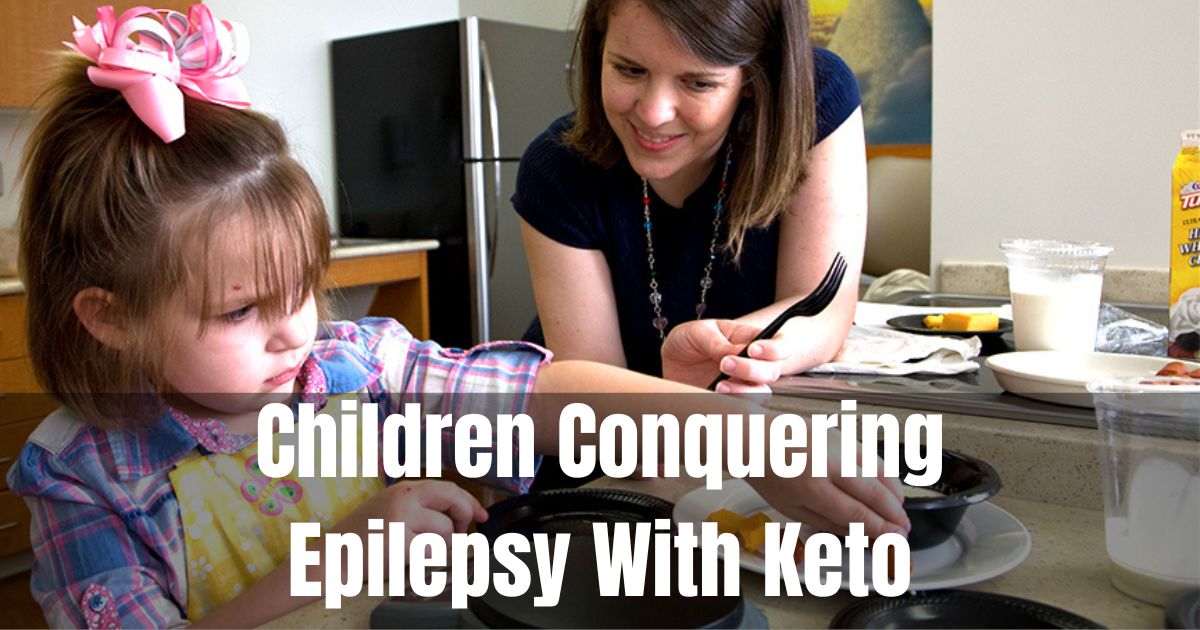
Children Conquering Epilepsy With Keto
Many families turn to the ketogenic diet with the hope of controlling their child’s epileptic seizures. Captivating stories have emerged where children experienced significant reduction in seizure frequency, leading to improved quality of life.
- Sarah’s Story: At just six years old, Sarah’s seizures were relentless. Her parents decided to try the keto diet. After six months, Sarah’s seizures reduced by over 70%.
- Mark’s Victory: Mark, a nine-year-old, struggled with daily seizures. The Keto diet became his game-changer, drastically cutting down his seizure episodes and allowing him to thrive at school and beyond.
Adults Turning The Tide Against Seizures
The transformative effects of the ketogenic diet reach beyond childhood. Adults experiencing difficult-to-manage epilepsy have also seen astonishing results.
| Name | Age | Outcome |
|---|---|---|
| Emily | 32 | 90% seizure reduction within one year |
| David | 45 | Achieved seizure freedom for 18 months |
Success stories like these demonstrate the potential of the keto diet as a powerful ally in the fight against seizures for all ages.
Challenges And Solutions On Keto
Embarking on the keto journey for epilepsy comes with its unique set of hurdles. Whether you’re a seasoned keto enthusiast or a newcomer, understanding these challenges is key to managing the diet effectively. Successful navigation not only enhances its therapeutic benefits but also ensures a smoother experience. Here, we dive into the main obstacles and offer practical solutions to stay on track.
For you, 1 Month Vegan Challenge Offers Revised and Updated for 2024!! The 1 Month Vegan Challenge Is On Fire Right Now!!
Navigating Side Effects And Keto-flu
Keto-flu is common when beginning a ketogenic diet. Symptoms include fatigue, headaches, and irritability. These are the body’s natural responses to carb restriction. To lessen these effects, consider the following tips:
- Stay hydrated: Drink plenty of water throughout the day.
- Electrolyte balance: Include a mix of potassium, magnesium, and sodium-rich foods.
- Slow transition: Gradually reduce carb intake to give your body time to adjust.
Meal Planning And Maintaining Social Norms
Meal planning can be a daunting task. Consistency is vital for epilepsy management. Keeping a wide variety of keto recipes at hand avoids monotony and ensures nutritional balance. For social events, proactive measures help maintain diet integrity. Simple strategies include:
| Challenge | Solution |
|---|---|
| Eating out | Check menus in advance or suggest keto-friendly venues. |
| Family meals | Prepare dishes that are both keto and family-friendly. |
| Peer pressure | Communicate the health reasons behind your dietary choices. |
Remember to keep non-perishable keto snacks on hand for unexpected social settings. Above all, understanding your dietary needs and communicating them effectively can make social dining more manageable.
Physicians’ Perspectives
The Keto diet has long sparked debates in the medical community. Changes are taking place. Doctors are now looking closely at Keto for epilepsy management. This shift in perspective comes with compelling evidence. Here, we explore what physicians have to say.
From Skepticism To Endorsement
Initial doubts are giving way to acceptance. Historically, the Keto diet faced skepticism from the medical fraternity. Its strict dietary restrictions posed concerns for long-term sustainability and nutrition. But, perspectives have shifted.
Many neurologists now recognize the diet’s benefits for epilepsy. It’s an option when medications fail. The diet’s potential to reduce seizures earns it a place in treatment plans.
Clinical Studies And Findings On Keto For Epilepsy
Research sheds light on the diet’s effectiveness. Clinical trials support the Keto diet for reducing epileptic seizures. Let’s delve into the findings.
| Study | Results |
|---|---|
| Keto Effect on Drug-Resistant Epilepsy | A significant decrease in seizure frequency in patients. |
| Long-Term Keto Diet Effects | Improved alertness, cognition, and quality of life over time. |
| Keto Diet in Children with Epilepsy | Approximately half of the child patients saw a 50% or greater reduction in seizures. |
These studies make Keto a reputable option for epilepsy control, particularly in children.
Here is a Resource about Keto Diet for you!
Frequently Asked Questions On Keto Diet For Epilepsy
How Does A Keto Diet Benefit Epilepsy Patients?
A ketogenic diet is high in fats and low in carbohydrates, altering the way the body uses energy, leading to ketosis. This metabolic state is associated with a reduction in seizure frequency in epilepsy patients, particularly those who don’t respond to conventional treatment.
What’s The Success Rate Of Keto For Seizure Control?
Studies show that around 50% of children on a ketogenic diet experience at least a 50% reduction in seizures. For some, the decrease can be even greater, demonstrating the diet’s potential effectiveness as a therapy for epilepsy.
Are There Long-term Risks Of Keto In Epilepsy Treatment?
Long-term implementation of the ketogenic diet may come with risks such as nutritional deficiencies or elevated cholesterol levels. Patients need to be monitored by healthcare professionals to mitigate these risks while maintaining seizure control.
Can Adults With Epilepsy Benefit From Keto?
Yes, adults with epilepsy can benefit from a ketogenic diet. Research indicates it can reduce seizures in adults, much like in children, although adults may find the strict diet harder to adhere to than younger individuals.
Conclusion
Embracing the keto diet can be a transformative step for those battling epilepsy. The high-fat, low-carb regimen has shown promise in reducing seizure frequency, offering a welcome alternative to conventional treatments. With real potential for improved quality of life, consultation with healthcare professionals is crucial for creating a tailored, effective dietary plan.
Remember, personalized care is key in your epilepsy management journey.